Nasal Polyps

Nasal polyps are small, painless, non-cancerous growths that form in the lining of the nose or sinuses. Polyps vary in size, ranging from small teardrops to large grapes.

Polyps may not cause symptoms when they are small; however, as they grow larger, they can lead to health problems, including:

  • Difficulty breathing through the nose
  • Facial pain
  • Runny nose
  • Postnasal drip
  • Itching around the eyes
  • Loss of smell or decreased sense of smell
  • Headaches
  • Loss of taste
  • Nasal congestion
  • Snoring
  • Sinus pressure
  • Nose bleeds

Larger polyps can lead to complications such as sleep apnea, frequent asthma attacks, or recurrent sinus infections.

The causes of nasal polyps are unknown, but it is believed that long-term inflammation or irritation plays a role.

While anyone can develop polyps, they are more common in people who:

  • Have asthma
  • Have chronic sinus infections
  • Have cystic fibrosis
  • Are hypersensitive to certain nonsteroidal anti-inflammatory drugs (NSAIDs)
  • Have chronic rhinitis

You should see your doctor if you are experiencing persistent symptoms associated with nasal polyps. To diagnose this condition, your doctor may perform a physical examination. Your doctor may also order tests such as a nasal endoscopy, CT scan, MRI, allergy test, or blood test.

Treatment for nasal polyps can include medications such as nasal steroids, oral steroids, or biologic medications.  If medications are not effective, you may require surgery to remove the polyps.

To make an appointment with an ENT doctor at Jamaica Hospital Medical Center, please call 718-206-7110.

All content of this newsletter is intended for general information purposes only and is not intended or implied to be a substitute for professional medical advice, diagnosis or treatment. Please consult a medical professional before adopting any of the suggestions on this page. You must never disregard professional medical advice or delay seeking medical treatment based upon any content of this newsletter. PROMPTLY CONSULT YOUR PHYSICIAN OR CALL 911 IF YOU BELIEVE YOU HAVE A MEDICAL EMERGENCY.

Treating Mosquito Bites

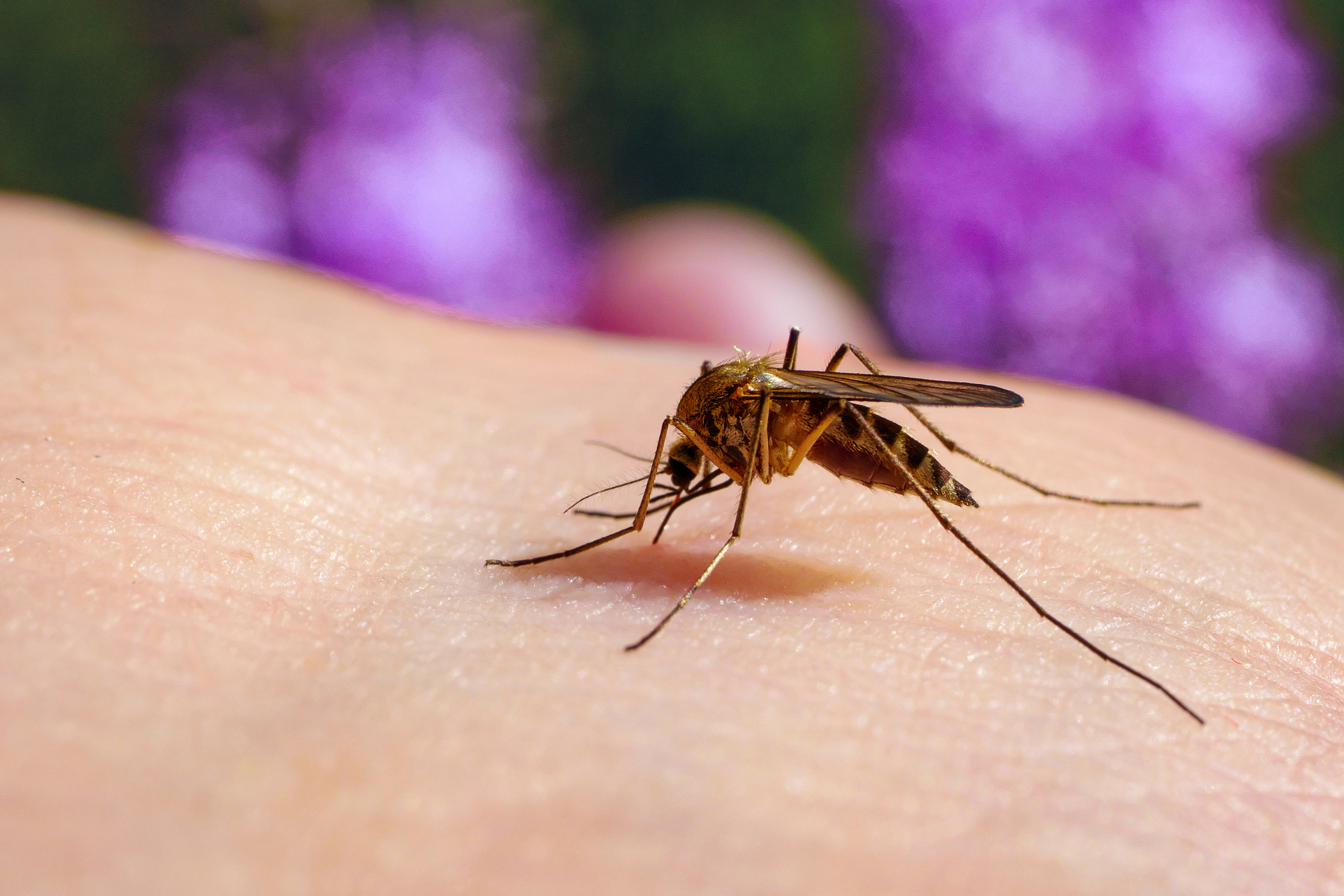
Mosquito bites are common during the summer months. They are itchy bumps that form after a female mosquito has bitten us.

Mosquito bites generally cause mild symptoms, which may include:

  • Itching
  • Redness
  • Small blisters
  • A small amount of swelling

While these symptoms are usually minor, some individuals, particularly those with certain immune disorders, may experience a severe reaction. Symptoms of a severe reaction can include:

  • Swollen lymph nodes
  • Low-grade fever
  • Significant swelling

Severe reactions are more common in children than in adults. Some children may develop Skeeter Syndrome, a localized allergic reaction to the bite, which results in large, swollen, and painful areas. These symptoms can persist for several weeks.

Treating a mosquito bite can be done at home. The Centers for Disease Control and Prevention (CDC) recommends that we:

  • Wash the bite and surrounding area with soap and water.
  • Apply an ice pack for 10 minutes to reduce swelling and itching. Reapply ice pack as needed.
  • Apply a mixture of baking soda and water, which can help reduce the itch response.
    • Mix 1 tablespoon baking soda with just enough water to create a paste.
    • Apply the paste to the mosquito bite.
    • Wait 10 minutes.
    • Wash off the paste.
  • Use an over-the-counter anti-itch or antihistamine cream to help relieve itching. Follow the product label directions.

However, if you are experiencing a persistent fever, difficulty breathing, headaches, body aches, throat swelling, hives, or any other signs of a severe reaction or infection, you must seek medical attention.


All content of this newsletter is intended for general information purposes only and is not intended or implied to be a substitute for professional medical advice, diagnosis or treatment. Please consult a medical professional before adopting any of the suggestions on this page. You must never disregard professional medical advice or delay seeking medical treatment based upon any content of this newsletter. PROMPTLY CONSULT YOUR PHYSICIAN OR CALL 911 IF YOU BELIEVE YOU HAVE A MEDICAL EMERGENCY.

The Health Effects of High Cortisol Levels

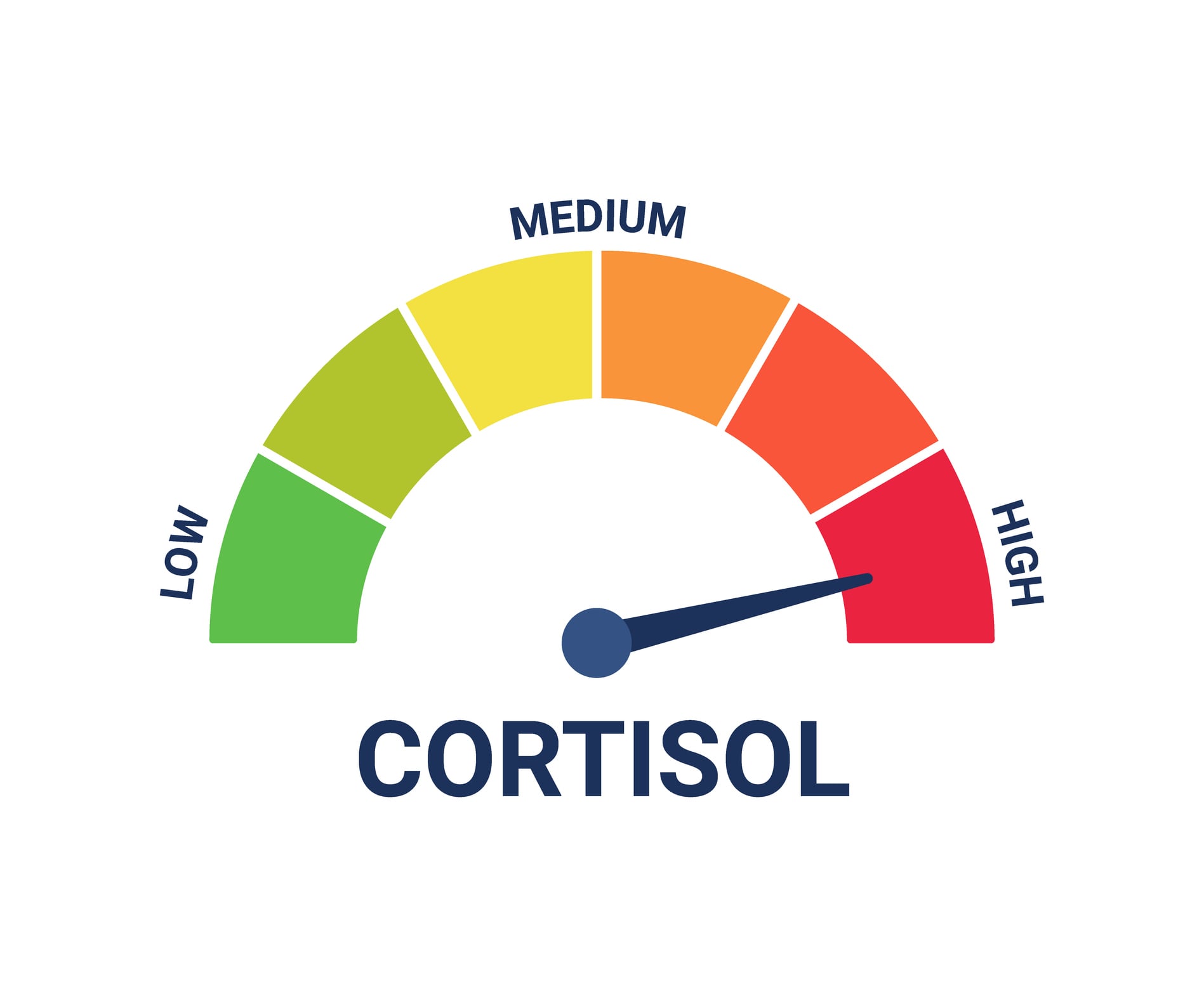
High cortisol hormone level on measuring scale, stress test. Control health, care and safe. Arrow on extreme level cortisol. Cortisol, commonly known as the “stress hormone”, is a steroid hormone produced by the adrenal glands.

Cortisol helps the body respond to stress by mobilizing energy to cope with stressors, or perceived threats. Cortisol triggers the “fight or flight” response.

In addition to regulating your body’s stress response, cortisol plays other important roles, including:

  • Regulating blood pressure
  • Controlling the sleep/wake cycle
  • Regulating metabolism and glucose (blood sugar) levels
  • Managing how the body uses proteins, carbohydrates and fats
  • Suppressing inflammation
  • Controlling heart rate

Because cortisol affects most systems in the body, having elevated levels and prolonged exposure can have a negative impact on your health.  Having high cortisol levels for a long time can lead to:

  • High blood sugar
  • High blood pressure
  • Hirsutism or excessive hair growth in women
  • Muscle weakness
  • Osteoporosis
  • Wide pink or purple stretch marks on the belly, hips, breasts, underarms or thighs
  • Weight gain in the abdomen or face
  • Acne
  • Skin that bruises easily
  • Severe fatigue
  • Reduced fertility

There are several reasons why our bodies may produce high levels of cortisol, including:

  • Cushing syndrome
  • Chronic stress
  • Adrenal gland tumors
  • Taking high doses of certain medications, such as corticosteroids

If you are experiencing symptoms related to high cortisol levels, it is recommended that you consult your doctor. They can assess your health by asking about your medical history and lifestyle, and ordering tests to investigate the cause of your symptoms.

Treatment depends on the underlying cause and may include the surgical removal of tumors, adjusting medication doses, prescribing medication to regulate cortisol production, or making lifestyle changes.

To schedule an appointment with a doctor at Jamaica Hospital Medical Center, please call 718-206-7001.

All content of this newsletter is intended for general information purposes only and is not intended or implied to be a substitute for professional medical advice, diagnosis or treatment. Please consult a medical professional before adopting any of the suggestions on this page. You must never disregard professional medical advice or delay seeking medical treatment based upon any content of this newsletter. PROMPTLY CONSULT YOUR PHYSICIAN OR CALL 911 IF YOU BELIEVE YOU HAVE A MEDICAL EMERGENCY.
June Is Men’s Health Month

June is designated as Men’s Health Month. This observance aims to raise awareness of health issues that affect men and encourage the prevention and early detection of diseases such as prostate cancer, hypertension, and other conditions.

Many of the health risks faced by men are preventable or treatable if detected early.

One of the most effective ways to detect certain health problems early or prevent them is to get regular screenings.

Key health screenings include:

  • Prostate cancer
  • Colorectal cancer
  • Blood pressure
  • Lung cancer
  • Diabetes
  • High cholesterol
  • Osteoporosis

In addition to getting regular screenings, it’s important to make lifestyle changes that help reduce health risks, such as:

  • Eating a healthy diet
  • Quitting smoking
  • Exercising
  • Limiting alcohol consumption
  • Getting adequate sleep

Prioritizing mental health is also crucial for overall well-being. It’s important to recognize and be attentive to the signs and symptoms of mental health conditions.  Don’t hesitate to reach out for support by confiding in trusted friends or family or seeking assistance from licensed healthcare professionals.

Jamaica Hospital offers a variety of services that can help you manage your health. To learn more, please visit our website at www.JamaicaHospital.org

All content of this newsletter is intended for general information purposes only and is not intended or implied to be a substitute for professional medical advice, diagnosis or treatment. Please consult a medical professional before adopting any of the suggestions on this page. You must never disregard professional medical advice or delay seeking medical treatment based upon any content of this newsletter. PROMPTLY CONSULT YOUR PHYSICIAN OR CALL 911 IF YOU BELIEVE YOU HAVE A MEDICAL EMERGENCY.

Varicose Veins

a phlebologist examines a patient with varicose veins on his leg. phlebology - study of venous pathologies of the lower extremitiesVaricose veins are swollen or enlarged veins that appear close to the skin’s surface. They typically occur in the legs but can form in other parts of the body.

Varicose veins develop when vein walls or valves become weakened or damaged. This allows blood to pool or flow backward, increasing the pressure within the veins. Over time, our veins can stretch, grow larger, or twist, leading to the formation of varicose veins.

There are several risk factors for varicose veins, including:

  • Obesity
  • Sex (women are more likely to get varicose veins than men)
  • Family history of varicose veins
  • Pregnancy
  • Standing or sitting for long periods
  • Taking birth control pills
  • Going through menopause
  • Older age
  • Tobacco use

Individuals with varicose veins may experience:

  • Veins that are visibly twisted, swollen, or bulging
  • Veins that are blue, dark purple, or the same color as the skin
  • A feeling of heaviness in the legs
  • Itching around the areas of the varicose veins
  • Pain in the legs
  • Swelling of the feet or ankles
  • Scaly, irritated skin that cracks easily

Untreated or severe varicose veins may also lead to complications such as blood clots, deep vein thrombosis, venous ulcers, or pulmonary embolism.

Varicose veins are diagnosed by performing a physical examination and assessing your medical history and symptoms.  Your healthcare provider may also order imaging tests.

Treatment for this condition can include lifestyle changes such as elevating the legs when resting, wearing supportive or compression stockings, laser therapy, injection therapy, or surgery.

You can reduce the risk of varicose veins by focusing on lifestyle modifications such as avoiding prolonged sitting or standing, drinking adequate amounts of water, maintaining a healthy weight, quitting tobacco use, exercising, and elevating your legs above your waist when resting.

If you have questions or concerns about varicose veins, please schedule a consultation with our vascular surgeons at Jamaica Hospital Medical Center by calling (718) 206-7001.

All content of this newsletter is intended for general information purposes only and is not intended or implied to be a substitute for professional medical advice, diagnosis or treatment. Please consult a medical professional before adopting any of the suggestions on this page. You must never disregard professional medical advice or delay seeking medical treatment based upon any content of this newsletter. PROMPTLY CONSULT YOUR PHYSICIAN OR CALL 911 IF YOU BELIEVE YOU HAVE A MEDICAL EMERGENCY.
Common Spring Allergy Triggers

Spring allergy season typically begins around March or April and lasts until June or July.

During this time of year, we become more susceptible to allergy triggers, or allergens, which are substances that can cause allergic reactions. The most common spring allergens are:

  • Tree pollen
  • Grass pollen
  • Mold spores
  • Insect venom

Exposure to these allergens can trigger a response from your immune system, causing it to release chemicals such as histamine and prostaglandins, which can lead to the following symptoms:

  • Runny nose
  • Sneezing
  • Itching
  • Red, watery or itchy eyes
  • Hives
  • Dark circles under the eyes
  • Sore or scratchy throat
  • Headache
  • Cough
  • Fatigue
  • Postnasal drip

Minimizing your exposure to allergy triggers can help you avoid or limit symptoms.  Here are a few tips to help you do that:

  • Check the pollen count by watching the weather forecast or using an app
  • Change your clothes when you arrive home after being outdoors
  • Consider wearing a mask outdoors
  • Avoid driving with the windows open
  • Keep the windows closed at home
  • Vacuum regularly
  • Consider using a HEPA filter at home

Allergy symptoms may also be alleviated by using home remedies, such as a saline rinse, or by taking over-the-counter medications.  If your symptoms do not improve, consult your doctor; they may recommend prescription medications or additional therapies to help you find relief.

To schedule an appointment with an allergist at Jamaica Hospital Medical Center, please call 718-206-7001.


All content of this newsletter is intended for general information purposes only and is not intended or implied to be a substitute for professional medical advice, diagnosis or treatment. Please consult a medical professional before adopting any of the suggestions on this page. You must never disregard professional medical advice or delay seeking medical treatment based upon any content of this newsletter. PROMPTLY CONSULT YOUR PHYSICIAN OR CALL 911 IF YOU BELIEVE YOU HAVE A MEDICAL EMERGENCY.
Missed Periods

Many women will have late or missed periods in their lifetime. Depending on the reason, this can be normal.

Pregnancy is one of the most common causes of a missed period; however, it is only one of several reasons why your period may be late or missed.

Missed or late periods may also be caused by:

  • Stress
  • Thyroid disorders
  • Perimenopause
  • Polycystic ovary syndrome (PCOS)
  • Pelvic Inflammatory disease (PID)
  • Breastfeeding
  • Sudden changes in your weight
  • Obesity
  • Extreme or excessive exercise
  • Taking certain medications

When you don’t get your period at all, this is known as amenorrhea. There are two kinds of amenorrhea: primary and secondary.  Primary amenorrhea occurs in females aged 15 and older who have never had their first period. Secondary amenorrhea happens when women who have previously had regular periods stop menstruating for three months or more in a row.

The absence of your period, when not caused by perimenopause, menopause, pregnancy, or breastfeeding, can be indicative of an underlying health condition.

You should see a doctor for missed periods if:

  • You have missed your period for three months or more consecutively
  • You have fewer than nine periods in a year
  • You have not had your period by the age of 16 or 17
  • There are changes in the pattern of your periods

Your doctor may perform a pelvic examination and order tests, including imaging and hormonal tests, to determine a diagnosis. Treatment for amenorrhea depends on the underlying cause and may involve medications or surgery.

If you have concerns about missed or late periods, please contact Jamaica Hospital Medical Center’s Women’s Health department for an appointment by calling 718-291-3276.


All content of this newsletter is intended for general information purposes only and is not intended or implied to be a substitute for professional medical advice, diagnosis or treatment. Please consult a medical professional before adopting any of the suggestions on this page. You must never disregard professional medical advice or delay seeking medical treatment based upon any content of this newsletter. PROMPTLY CONSULT YOUR PHYSICIAN OR CALL 911 IF YOU BELIEVE YOU HAVE A MEDICAL EMERGENCY.
Asthmatic Bronchitis

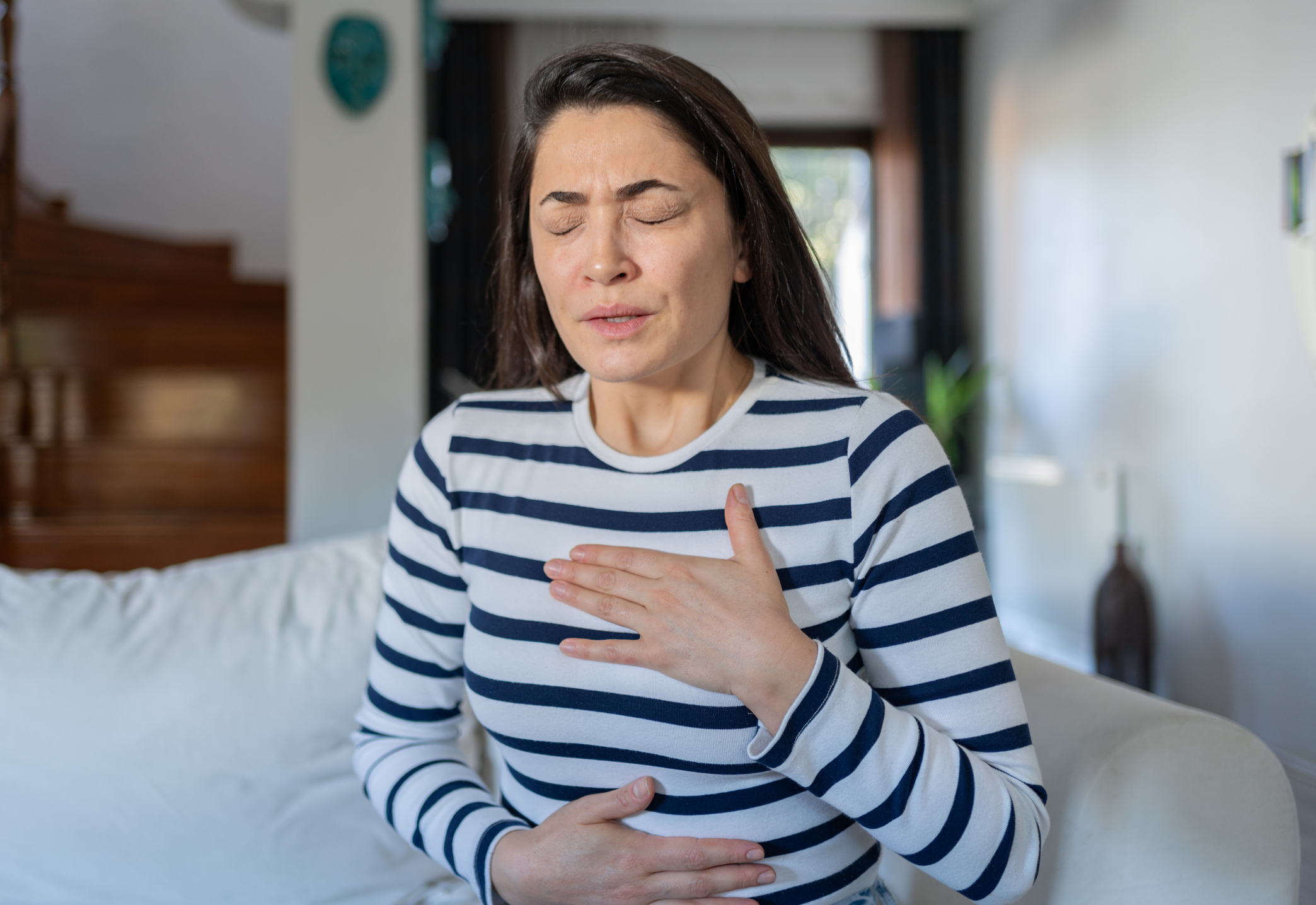
woman holding her chest while coughingBronchitis is the inflammation of the bronchial tubes or bronchi, which carry air to and from the lungs.  It can be caused by a bacterial or viral infection or, in some cases, environmental exposures.

People with asthma are more susceptible to getting bronchitis because asthma can also lead to inflammation of the bronchi— Inflammation caused by asthma narrows the airways, making it easier for bacteria and viruses to become trapped and infect the bronchi.

When someone with asthma develops bronchitis, it is called asthmatic bronchitis (this is not an official medical diagnosis but a term used to describe people with asthma and bronchitis symptoms).

The symptoms of asthmatic bronchitis are similar to those of bronchitis, which are:

  • Wheezing
  • Cough with mucus
  • Chest tightness
  • Chest congestion
  • Shortness of breath
  • Excess mucus production

Common triggers of asthmatic bronchitis include:

  • Viral or bacterial infections
  • Pollution
  • Tobacco smoke
  • Certain medications
  • Allergens such as mold, dust, or pollen
  • Breathing in dangerous chemicals

If you are experiencing symptoms of asthmatic bronchitis, you should see a doctor.  Your doctor may ask questions about your symptoms, conduct a physical examination, or order tests.

Treatment for asthmatic bronchitis focuses on getting rid of mucus, reducing inflammation of the airways, and keeping them open. This can be achieved by using inhalers that contain bronchodilators and possibly corticosteroids. Treatment may also involve antibiotics or humidifiers.

To schedule an appointment with a doctor at Jamaica Hospital Medical Center, please call the Division of Pulmonary Medicine at 718-206-5916.

All content of this newsletter is intended for general information purposes only and is not intended or implied to be a substitute for professional medical advice, diagnosis or treatment. Please consult a medical professional before adopting any of the suggestions on this page. You must never disregard professional medical advice or delay seeking medical treatment based upon any content of this newsletter. PROMPTLY CONSULT YOUR PHYSICIAN OR CALL 911 IF YOU BELIEVE YOU HAVE A MEDICAL EMERGENCY.

Postpartum Breast Engorgement

Young beautiful mother breastfeeding her newborn baby boy, while father working on laptopThe body undergoes various physical changes in the first few days after giving birth, including the production of breast milk in preparation for breastfeeding.

As your milk “comes in,” you may experience breast engorgement, which occurs when the breasts become painfully swollen or overly full due to an increase in blood flow, fluid, and milk production.

Postpartum breast engorgement typically happens within the first week after giving birth; however, it may also occur as late as day nine or 10. When breasts are engorged, you may experience:

  • Pain or tenderness of your breasts
  • A mild fever
  • Swelling of both breasts
  • Hardness or firmness of the breast
  • Breasts that are warm to the touch
  • Flat or hard nipples

These symptoms should go away within a few days if you are breastfeeding, but you can also manage them by:

  • Using a warm compress to encourage milk let down
  • Applying a cold compress to relieve pain and swelling
  • Hand expressing a small amount of milk to relieve pressure (Do not express too much milk as this may signal the body to produce more)
  • Wearing a supportive bra
  • Taking physician-approved pain medication
  • Breastfeeding regularly (if you have chosen to breastfeed)

It’s important to note that you may still experience engorgement even if you have chosen not to breastfeed. If you decide not to breastfeed, your body will recognize that it doesn’t need to produce milk, and over time, your milk supply will dry up.

Managing symptoms of breast engorgement is crucial. Prolonged symptoms may indicate more serious health issues, such as mastitis. If symptoms persist for several days, contact your doctor or lactation consultant as soon as possible.


All content of this newsletter is intended for general information purposes only and is not intended or implied to be a substitute for professional medical advice, diagnosis or treatment. Please consult a medical professional before adopting any of the suggestions on this page. You must never disregard professional medical advice or delay seeking medical treatment based upon any content of this newsletter. PROMPTLY CONSULT YOUR PHYSICIAN OR CALL 911 IF YOU BELIEVE YOU HAVE A MEDICAL EMERGENCY.

Pulmonary Hypertension

Woman painful grimace pressing the upper abdomenPulmonary hypertension (PH) is a condition that develops when the blood pressure in the pulmonary arteries, which carries blood from the right side of your heart to your lungs, is too high.

Pulmonary hypertension causes blood vessels in the lungs to become narrowed, blocked, or damaged. The heart must work harder than normal to pump blood into the lungs because of these problems. This can cause damage to the heart and lead to symptoms including:

  • Chest pain or pressure
  • Shortness of breath
  • Fatigue
  • Dizziness or fainting
  • Heart palpitations
  • Edema or swelling of the feet, legs, or abdomen

Pulmonary hypertension can lead to serious complications such as:

  • Bleeding in the lungs
  • Heart failure
  • Heart enlargement
  • Arrhythmias or irregular heartbeats
  • Pregnancy complications
  • Liver damage
  • Anemia

The causes of pulmonary hypertension depend on the type of pulmonary hypertension you might have. Here are the five classifications of PH based on their causes:

  • Group 1: Pulmonary arterial hypertension (PAH) –The causes of PAH can be idiopathic (an unknown cause or caused by an underlying health condition) or genetic. PAH can also develop due to illegal drug use, congenital heart defects, or certain medical conditions such as lupus.
  • Group 2: Pulmonary hypertension caused by left-sided heart disease- This is the most common type of PH. The causes include left heart failure or left-sided heart valve disease.
  • Group 3: Pulmonary hypertension due to lung disease and/or hypoxia- This develops due to pulmonary fibrosis or the scarring of the lungs, obstructive sleep apnea, chronic obstructive pulmonary disease (COPD), or prolonged exposure to high altitudes.
  • Group 4: Pulmonary hypertension due to pulmonary artery obstructions or blockages in the lungs– Blockages or obstructions may include blood clots in the lungs or tumors that block pulmonary arteries.
  • Group 5: Pulmonary hypertension caused by other disorders or health conditions- These disorders or health conditions can include kidney disease, blood disorders such as sickle disease, or metabolic conditions such as thyroid disease.

 The risk factors for developing pulmonary hypertension include:

  • A family history of blood clots
  • A family history of pulmonary hypertension
  • Living at high altitudes
  • Use of illegal drugs
  • Smoking or using tobacco products
  • Exposure to asbestos
  • Taking certain medications designed to treat depression or cancer
  • Age (PH is usually diagnosed in adults between ages 30 and 60. The risk increases as you get older.)

Pulmonary hypertension is diagnosed by a healthcare professional through various tests, such as an echocardiogram, which measures the pressure in the pulmonary arteries. Additional tests may include blood tests, chest X-rays, and electrocardiograms (ECG or EKG). Your healthcare provider will also assess your medical history and symptoms to determine if you have pulmonary hypertension. Treatment options for pulmonary hypertension may include medication, lifestyle changes, or surgery.

If you are experiencing symptoms of pulmonary hypertension or are at risk, please call the Division of Pulmonary Medicine at 718-206-5916 to schedule an appointment.

All content of this newsletter is intended for general information purposes only and is not intended or implied to be a substitute for professional medical advice, diagnosis or treatment. Please consult a medical professional before adopting any of the suggestions on this page. You must never disregard professional medical advice or delay seeking medical treatment based upon any content of this newsletter. PROMPTLY CONSULT YOUR PHYSICIAN OR CALL 911 IF YOU BELIEVE YOU HAVE A MEDICAL EMERGENCY.