Food Dos and Don’ts for Sleep

We all enjoy a snack before bed. Sometimes those snacks can keep us awake or help us sleep.

Certain nutrients and hormones in foods help promote sleep. Tryptophan, found in turkey and fish, stimulates serotonin production. Melatonin, found in milk and cherries, makes you sleepy. Potassium found in bananas and magnesium also found in bananas and almonds help promote muscle relaxation.

Simple carbs and saturated fats in foods represent the danger zones of pre-sleep snacks. Both can reduce serotonin levels and can be difficult to digest.

With that in mind, here are some additional food dos and don’ts to consider before bedtime.

Some food do’s before bedtime:

  • Peanut butter on whole-grain bread.
  • Lean cheese on whole grain crackers.
  • Fortified cereal and milk.
  • Herbal teas like chamomile and mint.
  • Yogurt

Some food don’ts before bedtime:

  • Sweets and sugar
  • Dark chocolate
  • Fast food
  • Caffeine

Lastly, alcohol can make you sleepy but it can cause a restless night of sleep, and certain spicy foods we eat are hard to digest and may cause you to wake up.

Maintaining a well-balanced diet of fruits and vegetables, lean proteins, and complex carbohydrates across all meals and not just at night can promote healthy sleep and help you wake up refreshed.

If you still have trouble falling asleep or getting a restful night’s sleep, you should speak with your doctor as there may be an underlying medical issue. Jamaica Hospital’s state-of-the-art sleep center can help diagnose and treat various sleep disorders. For more information, or to make an appointment, please call 718-206-5916.

All content of this newsletter is intended for general information purposes only and is not intended or implied to be a substitute for professional medical advice, diagnosis or treatment. Please consult a medical professional before adopting any of the suggestions on this page. You must never disregard professional medical advice or delay seeking medical treatment based upon any content of this newsletter. PROMPTLY CONSULT YOUR PHYSICIAN OR CALL 911 IF YOU BELIEVE YOU HAVE A MEDICAL EMERGENCY.


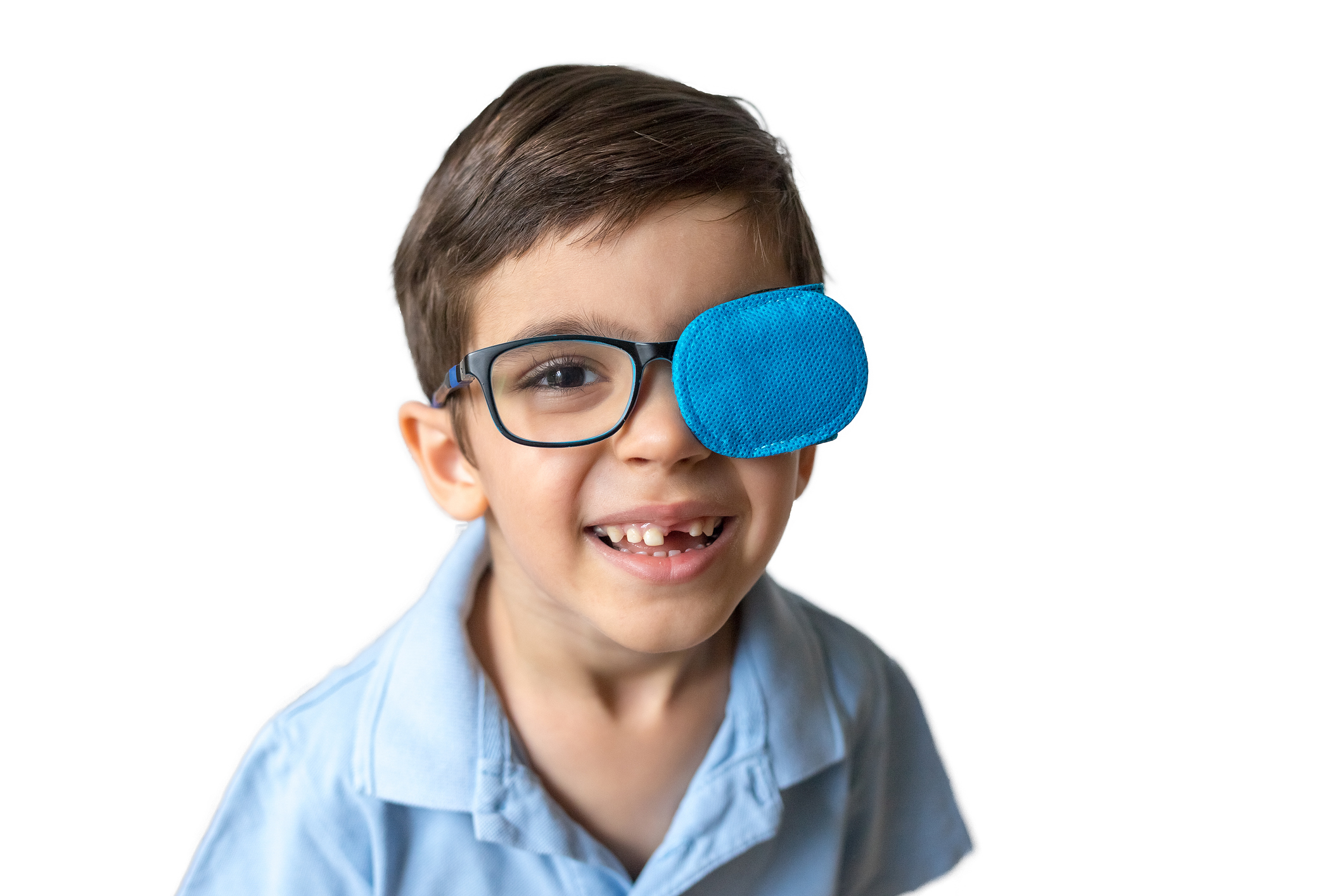
Healthy Vision Month

It is important to care for your eyes to prevent vision loss caused by eye diseases. Losing your vision has a life-altering impact on your daily life.

There are many risk factors to be aware of that can lead to vision loss and blindness. They include:

  • Race, ethnicity, and other demographic factors
  • Having a family history of glaucoma
  • Having diabetes

One of the most effective ways to care for your eyes is by getting routine eye exams. A dilated eye exam can detect eye diseases early when there are no symptoms.

Other ways you can care for your eyes and prevent vision loss include:

  1. Using protective eyewear- You can protect your eyes when doing household chores, working in the garden, playing sports, or at work to prevent eye injuries from happening. Wear safety glasses, goggles, safety shields, and eye guards made of polycarbonate.
  2. Wearing sunglasses- You can protect your eyes by using sunglasses that block out 99-100% of UVA and UVB radiation.
  3. Eating healthy- Eating more nutritious foods can support your overall eye health.

This includes a balanced diet rich in essential nutrients, such as antioxidants, vitamins, and minerals. Your diet should consist of:

  • Leafy greens
  • Orange-colored vegetables and fruit rich in vitamin A
  • Fruits and vegetables rich in vitamin C
  • Foods rich in vitamin C
  • Foods rich in omega-3 fatty acids

You should avoid:

  • High in caffeine beverages
  • High sodium foods
  • Excessive alcohol
  1. Exercising regularly to maintain a healthy weight. Endurance, strength, balance, and flexibility training are options. You can mix up your routine to not get bored.
  2. Washing your hands- Ensure your hands are clean before and after handling your contact lenses. Clean them properly using the designated contact lens cleaning solutions to avoid infection.
  3. Quit smoking.

If you’re experiencing symptoms of vision loss, schedule an appointment at Jamaica Hospital Medical Center’s Ophthalmology Center now by calling (718) 206-5900.

All content of this newsletter is intended for general information purposes only and is not intended or implied to be a substitute for professional medical advice, diagnosis or treatment. Please consult a medical professional before adopting any of the suggestions on this page. You must never disregard professional medical advice or delay seeking medical treatment based upon any content of this newsletter. PROMPTLY CONSULT YOUR PHYSICIAN OR CALL 911 IF YOU BELIEVE YOU HAVE A MEDICAL EMERGENCY.

Group B Strep Awareness Month

Group B Strep (GBS), or Strep B, is a bacteria that lives naturally in our bodies and comes and goes without showing symptoms or causing harm unless it enters a part of the body free from bacteria. If the bacteria infects the lining around the brain it causes it to swell resulting in meningitis.

GBS bacteria live in the gastrointestinal and genital tracts. It can cause many types of infection which can be life-threatening. These infections and their symptoms include:

  1. Bacteremia (bloodstream infection)
  • Fever
  • Chills
  • Low alertness.
  1. Sepsis (the body’s extreme response to an infection)
  • Fever
  • Chills
  • Low alertness.
  1. Bone and joint infections
  • Fever
  • Chills
  • Swelling
  • Stiffness or inability to use the affected limb or joint.
  1. Urinary tract infections
  • Pain or burning while urinating.
  • Frequent urination.
  • Feeling the need to urinate despite having an empty bladder.
  • Bloody urine.
  • Pressure or cramping in the groin or lower abdomen.
  1. Meningitis
  • Fever
  • Headache
  • Stiff neck.
  • Nausea and vomiting.
  • Sensitivity to light.
  • Confusion
  1. Pneumonia
  • Chest pain when breathing or coughing.
  • Confusion
  • Cough
  • Fatigue
  • Fever or chills.
  • Nausea, vomiting, or diarrhea.
  • Shortness of breath.
  1. Skin and soft tissue infections
  • Fever
  • Red skin.
  • Swollen skin or infected area.
  • Skin or infected area is warm to the touch.
  • Skin or infected area is full of pus or other drainage.

GBS bacteria most commonly causes bacteremia, sepsis, pneumonia, and meningitis in newborns. This occurs when bacteria is passed on to the newborn as it goes through the birth canal during vaginal delivery.

GBS disease symptoms in newborns and babies include:

  • Fever
  • Difficulty when feeding.
  • Irritability or lethargy in the infant.
  • Difficulty breathing.
  • A blueish color to their skin.

Doctors diagnose GBS disease by taking samples of a patient’s blood, urine, or spinal fluid depending on the type of infection.

Treatment for GBS depends on the type of infection. Doctors usually treat GBS disease with antibiotics. People with soft tissue and bone infections may need surgery.

It is important to start treatment as soon as possible.

If you would like to get screened for GBS bacteria, you can schedule an appointment with an OB/GYN at Jamaica Hospital Medical Center’s Women’s Health Center. To learn more, please call (718) 291-3276.


All content of this newsletter is intended for general information purposes only and is not intended or implied to be a substitute for professional medical advice, diagnosis or treatment. Please consult a medical professional before adopting any of the suggestions on this page. You must never disregard professional medical advice or delay seeking medical treatment based upon any content of this newsletter. PROMPTLY CONSULT YOUR PHYSICIAN OR CALL 911 IF YOU BELIEVE YOU HAVE A MEDICAL EMERGENCY.

Fireworks Safety Tips

July Fourth is a fun time to spend with friends and family. We have barbecues, cookouts, and watch fireworks to celebrate Independence Day.

You may want to set off fireworks as part of your Fourth of July celebration, however, it is important to know that all fireworks including Roman candles, bottle rockets, bombs, skyrockets, and other aerial devices are illegal in New York City.

New York State law allows the sale and use of sparklers but limits the types and sizes. They must be handheld or mounted on a base or spike, and be no more than 500 grams of pyrotechnic composition.

However, if you live on Long Island, New York City, or in parts of the Hudson Valley sparklers are banned.

If you do use fireworks in a state, city, or county where they are legal, follow these tips for the safety of yourself and your loved ones:

  • Read and follow all safety information and instructions for proper use.
  • Keep small children away from fireworks.
  • Have a bucket of water or hose ready to extinguish accidental fires.
  • Never allow anyone under the influence of alcohol or drugs to use fireworks.
  • Light one device at a time.
  • Never try to relight a device that didn’t light the first time.
  • Only use fireworks away from people, pets, buildings, and flammable materials.
  • Soak all used and unused fireworks in water for a few hours before throwing them away.

Fireworks are best left to professionals. If you choose to use fireworks to celebrate Independence Day or other occasions or milestones, confirm the type of fireworks your state and local ordinances allow.

If you or someone you are with are experiencing an emergency, call 911 immediately.


All content of this newsletter is intended for general information purposes only and is not intended or implied to be a substitute for professional medical advice, diagnosis or treatment. Please consult a medical professional before adopting any of the suggestions on this page. You must never disregard professional medical advice or delay seeking medical treatment based upon any content of this newsletter. PROMPTLY CONSULT YOUR PHYSICIAN OR CALL 911 IF YOU BELIEVE YOU HAVE A MEDICAL EMERGENCY.

Colorectal Cancer Screenings


Colorectal cancer is a cancer that begins in either the colon or the rectum and almost always develops from abnormal growths known as precancerous polyps.

The signs and symptoms of colorectal cancer include:

  • A change in bowel habits, such as diarrhea, constipation, or when narrowing of stool lasts for more than a few days.
  • A feeling of needing a bowel movement that’s not relieved by having one.
  • Rectal bleeding with bright red blood.
  • Blood in the stool, which might make the stool look dark brown or black.
  • Cramping or abdominal pain
  • Weakness and fatigue
  • Unintended weight loss

Colorectal cancer is the number one cause of death for men under the age of 50 and the number two cause of death in women in the same age group.

The U.S. Preventative Services Task Force recommends that adults aged 45 to 75 be screened for colorectal cancer.

There are two types of colorectal cancer screening tests:

  1. Visual (structural) exams- are procedures done in a hospital setting by a doctor. These can include:
  • Colonoscopy
  • CT colonography (virtual colonoscopy)
  • Sigmoidoscopy

These exams are beneficial because they not only look for cancer but can also prevent it by removing polyps that could potentially become cancerous.

  1. Stool-based tests are done at home where you collect the test samples and send them to a lab for testing. Examples are:
  • Fecal immunochemical test (FIT)
  • Stool DNA test
  • Guaiac-based fecal occult blood test (gFOBT)

At-home tests are less invasive and easier to perform but must be done more often. Please note, that at-home tests can present false-positive and false-negative results. Any test with a positive result will require a colonoscopy.

Choosing a colon screening test is not an easy decision, but it is a lifesaving one. Consult your doctor about the best colon screening options for you. You can commit to a screening schedule based on your personal risk factors. The earlier colon cancer is detected, the easier it is to treat.

You can receive a colorectal cancer screening from a gastroenterologist at Jamaica Hospital Medical Center’s Ambulatory Care Center. To schedule an appointment, please call (718) 206-7001.

All content of this newsletter is intended for general information purposes only and is not intended or implied to be a substitute for professional medical advice, diagnosis or treatment. Please consult a medical professional before adopting any of the suggestions on this page. You must never disregard professional medical advice or delay seeking medical treatment based upon any content of this newsletter. PROMPTLY CONSULT YOUR PHYSICIAN OR CALL 911 IF YOU BELIEVE YOU HAVE A MEDICAL EMERGENCY.
Summer Fruits for Diabetics

It can be difficult for diabetics to stay away from tempting sweet treats that can raise their blood sugar. It may sound cliché to call fruit, “nature’s candy”, but fruit can be a much healthier alternative to keep your blood sugar levels low while satisfying those cravings.

Here are some delicious fruits to add to your diet:

  • Apricots
  • Grapefruit
  • Grapes
  • Cherries
  • Blueberries
  • Honeydew melon
  • Kiwi
  • Papaya
  • Nectarines
  • Tangerines

Here are some fruits to have in moderation:

  • Apples
  • Bananas
  • Cantaloupe
  • Avocado
  • Blackberries
  • Oranges
  • Strawberries
  • Plums
  • Raspberries
  • Peaches
  • Pears
  • Mango

Fruits are an essential part of a nutritious diet. It is important to note that not all fruits may be good for people living with diabetes. Eat them in moderation, consider their glucose index levels, practice portion control, and always monitor your blood sugar.


All content of this newsletter is intended for general information purposes only and is not intended or implied to be a substitute for professional medical advice, diagnosis or treatment. Please consult a medical professional before adopting any of the suggestions on this page. You must never disregard professional medical advice or delay seeking medical treatment based upon any content of this newsletter. PROMPTLY CONSULT YOUR PHYSICIAN OR CALL 911 IF YOU BELIEVE YOU HAVE A MEDICAL EMERGENCY.
Scoliosis Awareness Month

Scoliosis is a spinal disorder that causes an abnormal spine curvature, in which the spine resembles the letters “S” or “C”.

The most common type of scoliosis is idiopathic scoliosis, which means the cause is unknown but is thought to be genetic. There are three types of idiopathic scoliosis:

  • Infantile idiopathic scoliosis- occurs from birth to three years old.
  • Juvenile idiopathic scoliosis- occurs from three to nine years old.
  • Adolescent idiopathic scoliosis- occurs from 10 to 18 years old.

Some other forms of scoliosis include:

  • Congenital scoliosis- when scoliosis is present at birth.
  • Neuromuscular scoliosis- when scoliosis is caused by an underlying systemic condition such as cerebral palsy, muscular dystrophy, spina bifida, spinal cord tumors, or paralysis.
  • Syndromic scoliosis- when a unique group of spine conditions causes scoliosis. The most common diseases that cause syndromic scoliosis are:
    • Marfan’s syndrome
    • Ehlers-Danlos syndrome
    • Osteogenesis Imperfecta
    • Neurofibromatosis
    • Prader-Willi syndrome
    • Arthrogryposis
    • Riley-Day syndrome

There are a wide range of causes and ages for when scoliosis can occur. However, scoliosis may appear during the main growth years for children (years 10 to 12), which is the growth spurt period for children before puberty.

During this time, scoliosis will often present with the following symptoms:

  • One of the child’s shoulder blades is higher than the other.
  • The appearance of the child’s head is not centered with the rest of the body.
  • Uneven hips or one hip sticks out more than the other.
  • Pushed-out ribs
  • Difficulty breathing due to a reduced area for lung expansion.
  • Back pain and discomfort
  • When the child bends forward, it appears that the two sides of the back are different heights.

The main goal for patients with scoliosis is to get an early diagnosis. Scoliosis is diagnosed when a pediatric orthopedist uses a physical exam and X-rays to diagnose early-onset scoliosis.

Scoliosis can be treated non-surgically and surgically. Some non-surgical treatments for scoliosis include:

  • Observation
  • Bracing
  • The Risser cast

Some surgical treatments for scoliosis include:

  • Spinal fusion surgery
  • The growing rod technique

Scoliosis is treatable. The sooner a child is diagnosed, the less likely they will need surgery and the healthier they will be.

If you think your child may have an abnormal spine curvature, consult your pediatrician about an evaluation. To schedule an appointment with a pediatrician at Jamaica Hospital Medical Center, please call 718-206-7001.

All content of this newsletter is intended for general information purposes only and is not intended or implied to be a substitute for professional medical advice, diagnosis or treatment. Please consult a medical professional before adopting any of the suggestions on this page. You must never disregard professional medical advice or delay seeking medical treatment based upon any content of this newsletter. PROMPTLY CONSULT YOUR PHYSICIAN OR CALL 911 IF YOU BELIEVE YOU HAVE A MEDICAL EMERGENCY.
Extreme Heat Safety Tips

This week, we are expected to experience a highly dangerous heatwave across New York City and the rest of the Northeast and Midwest due to the presence of a heat dome. Starting Wednesday and into the weekend, temperatures are expected to be in the low 90s and could get as high as the mid to high-90s.

A heatwave is when temperatures rise above 90 degrees for at least three days. A heat dome is when a ridge of high pressure builds over an area and doesn’t move for up to a week or more.

Extreme heat causes two heat-related illnesses in that your body can’t control its temperature: heat exhaustion and heatstroke.

Heat exhaustion symptoms include:

  • Heavy sweating
  • Nausea or vomiting
  • Muscle cramps
  • Fatigue
  • Dizziness and fainting

Here are some ways to prevent symptoms of heat exhaustion: Move to a cool place, loosen clothing, use cold compresses, and sip cool (not cold) water.

Heatstroke or Sunstroke symptoms can include:

  • A fever of 104 degrees or more
  • Severe headache
  • Behavioral changes
  • Confusion
  • Hot, red skin
  • No sweating
  • Rapid heartbeat and loss of consciousness

Here are some ways to prevent heatstroke: Quickly move yourself or the individual to a cooler place, use cold compresses, and do not give them anything to drink.

Some overall tips for staying safe in extreme heat include:

  1. Stay hydrated- Drink extra fluids and don’t wait until you’re thirsty.
  2. Wear sunscreen- Apply properly and as recommended to prevent sunburn which can make you dehydrated and affect your ability to cool down.
  3. Limit your time outside- Shorten your exercise time and rest often in shady areas. Try to exercise in the early morning or evening when it is cooler.
  4. Monitor high-risk loved ones- Pay attention to the warning signs of certain illnesses or medical conditions. Extreme heat can be dangerous for everyone, especially for those with a history of:
  • Heart disease
  • Asthma
  • High blood pressure
  • Stroke
  • Obesity
  • Diabetes

Others at risk due to extreme heat include the elderly, young children, those who work outdoors, people with disabilities, those who live alone, those without access to air conditioning, people who take certain medications, and pets.

  1. Check the car- Never leave children or pets in a parked car, even if the windows are cracked open.

Usually, we would look to a cool summer night for relief from a hot summer day. Unfortunately, night temperatures aren’t dropping as they should.

Here are some things you can do before going to bed during the heatwave:

  • Stay hydrated
  • Eat light
  • Dress lightly
  • Look for chances to cool the bedroom
  • Avoid alcohol
  • Set time aside to relax
  • Shower in lukewarm or cool water
  • Find the coolest place to sleep
  • Keep a regular sleep schedule

Extreme heat is the deadliest weather-related hazard in the United States, so it is important to understand the risks of extreme heat and to make a heat emergency plan that works for you and your family.

If you are experiencing any heat-related symptoms, you can schedule an appointment at Jamaica Hospital Medical Center’s Cardiology Department by calling (718) 206-7100.  If you are experiencing an emergency, please dial 911 right away.


All content of this newsletter is intended for general information purposes only and is not intended or implied to be a substitute for professional medical advice, diagnosis or treatment. Please consult a medical professional before adopting any of the suggestions on this page. You must never disregard professional medical advice or delay seeking medical treatment based upon any content of this newsletter. PROMPTLY CONSULT YOUR PHYSICIAN OR CALL 911 IF YOU BELIEVE YOU HAVE A MEDICAL EMERGENCY.
PTSD Awareness Month

June is PTSD Awareness Month, and Jamaica Hospital Medical Center is doing its part to raise awareness by sharing important facts.

PTSD or Post-traumatic Stress Disorder is a mental health condition that is triggered after experiencing a traumatic event. A traumatic event can be anything from experience in combat, an assault, an accident, or a natural disaster.

While most of us would have a hard time processing a traumatic event, symptoms resulting from that experience are likely to get better over time. Those who suffer from PTSD find that their symptoms do not get better but get worse because there is a significant impact on how they can function in their day-to-day lives.

Some of the symptoms of PTSD include:

  • Trouble sleeping
  • Reliving the traumatic event
  • Nightmares
  • Hopelessness about the future
  • Loss of concentration
  • Difficulty maintaining close relationships.
  • Being quick to anger
  • Self-destructive behaviors, like abusing drugs or alcohol.
  • Hearing or seeing things that aren’t there.
  • Being easily frightened

Like most other illnesses, some people have a higher risk factor of suffering from PTSD than others. This includes people who have already gone through a traumatic event, those who do not have a good support structure like close friends and family that they can rely on, and if there is a family history of mental illness or if they already have a mental health problem.

Here are some ways you can help someone with PTSD:

  • Learning about PTSD and how it can affect loved ones.
  • Listening to the individual when they are uncomfortable with doing certain activities.
  • Being there for them, without trying to fix them.
  • Encouraging them to seek treatment and participate in activities
  • Find support for yourself.
  • Recognizing the symptoms, even in yourself. Living with someone with PTSD can sometimes result in secondary PTSD, which is when the partner or family member feels symptoms that are similar to PTSD.
  • Combating the stigma. Challenge the stigma that surrounds PTSD and mental health. Be mindful of your language and attitudes. Promote open, judgment-free conversations about mental health in your circles. Encourage others to see PTSD not as a weakness, but as a sign of a person’s resilience.

To schedule an appointment with a mental health professional at Jamaica Hospital Medical Center, please call 718-206-5575.

All content of this newsletter is intended for general information purposes only and is not intended or implied to be a substitute for professional medical advice, diagnosis or treatment. Please consult a medical professional before adopting any of the suggestions on this page. You must never disregard professional medical advice or delay seeking medical treatment based upon any content of this newsletter. PROMPTLY CONSULT YOUR PHYSICIAN OR CALL 911 IF YOU BELIEVE YOU HAVE A MEDICAL EMERGENCY.
A Simple and Delicious Shrimp, Mango, and Avocado Salad Recipe

Are you looking to spice up your meals this summer? Here is a recipe for a delicious shrimp, spiced mango, and avocado salad with a refreshing citrus dressing.

https://www.foodnetwork.com/recipes/shrimp-spiced-mango-and-avocado-salad-with-citrus-dressing-recipe-1913723

All content of this newsletter is intended for general information purposes only and is not intended or implied to be a substitute for professional medical advice, diagnosis or treatment. Please consult a medical professional before adopting any of the suggestions on this page. You must never disregard professional medical advice or delay seeking medical treatment based upon any content of this newsletter. PROMPTLY CONSULT YOUR PHYSICIAN OR CALL 911 IF YOU BELIEVE YOU HAVE A MEDICAL EMERGENCY.