3 Warning Signs of Kidney Disease

Kidney disease occurs due to a loss of function in the kidneys over time. The main function of the kidneys is to filter out wastes, toxins, and excess fluids from the blood; as damage to the kidneys increases, these substances begin to build up to unhealthy levels, leading to a variety of health problems.

Without appropriate treatment, kidney disease can escalate to kidney failure, at which point you would require dialysis or a kidney transplant to survive. Your chances of getting prompt treatment for kidney disease are higher when you can recognize warning signs as they appear. While many of these indicators are not exclusive to kidney disease, they may warrant diagnostic examination by your doctor. Some of the warning signs you should look out for include:

Urinary problems: Kidney disease involves damage to the kidney’s filters, which can cause a multitude of urinary issues, such as needing to urinate more frequently, particularly at night. This damage can also lead to foaminess (indicating the presence of protein in the urine) and blood.

Fatigue: A buildup of toxins and waste substances in the blood due to kidney disease can also lead to increased tiredness and difficulty concentrating. In some cases, this occurs due to anemia, which can develop as a complication of kidney disease.

Dry and itchy skin: Kidney disease can lead to mineral and bone disease, which involves an imbalance of minerals and nutrients in the blood; this imbalance can cause you to develop dry, itchy skin, also known as pruritis. This occurs more often in people with advanced or end-stage kidney disease, but can also occur in people in the early stages of the disease.

If you have noticed any of these signs, you should schedule an appointment with your doctor. A primary care physician can screen you for a variety of potential causes of these symptoms; if they notice additional indicators of kidney disease, they may refer you to a nephrologist, a specialist in this type of disease.

Jamaica Hospital Medical Center’s Division of Nephrology can provide treatment for kidney disease and a variety of other kidney-related medical problems. To schedule an appointment, please call (718) 206-6742.

All content of this newsletter is intended for general information purposes only and is not intended or implied to be a substitute for professional medical advice, diagnosis or treatment. Please consult a medical professional before adopting any of the suggestions on this page. You must never disregard professional medical advice or delay seeking medical treatment based upon any content of this newsletter. PROMPTLY CONSULT YOUR PHYSICIAN OR CALL 911 IF YOU BELIEVE YOU HAVE A MEDICAL EMERGENCY.

National ADHD Awareness Month

Attention Deficit Hyperactivity Disorder (ADHD) is one of the most common neurodevelopmental disorders in the United States among children, affecting nearly 10% of all children between the ages of 3 and 17. It can also occur in adults, affecting up to about 5% of all adults in the United States.

According to the Centers for Disease Control and Prevention (CDC), doctors must determine if a patient’s symptoms demonstrate a clear pattern of inattention and/or hyperactivity-impulsivity to diagnose ADHD. For children, six or more of these symptoms must remain consistent for at least six months; for adults, only five symptoms need to present in this manner to provide a diagnosis.

Some common symptoms of inattention that doctors may take into consideration when diagnosing ADHD include:

  • Failure to pay close attention to tasks during school, work, or other activities
  • Difficulty holding attention on tasks or play activities
  • Failure to listen when spoken to directly
  • Failure to follow through on instructions for schoolwork, chores, or duties in the workplace
  • Frequent trouble organizing tasks and activities
  • Avoidance, dislike, or reluctance to do tasks that require mental effort over a long period of time (such as schoolwork or homework)
  • Frequently losing things necessary for tasks and activities
  • Often easily distracted
  • Often forgetful in daily activities

Symptoms of hyperactivity-impulsivity, on the other hand, often display persistent, excessively high energy levels in a variety of settings and activities. Some of these symptoms include:

  • Frequent fidgeting with or tapping hands or feet, or squirming in seat
  • Frequently leaving seat in situations when remaining seated is expected
  • Often running about or climbing in situations where it is not appropriate (adolescents or adults may just feel restless)
  • Inability to play or take part in leisure activities quietly
  • Excessive talking
  • Blurting out an answer before a question has been completed
  • Impatience
  • Often interrupting or intruding on others

Several symptoms from either of these categories need to have been present before the age of 12 and in two or more settings (such as at work, school, or home). There also needs to be clear evidence that these symptoms are disrupting the individual’s normal functions in school, work, or social settings, and that the symptoms are not better explained by another mental disorder.

Whether you’re an adult with symptoms of ADHD or the parent of a child presenting these symptoms, it’s essential to begin working with a doctor to get the medical care needed to manage these symptoms and reduce their disruptions to daily life as much as possible. You can schedule an appointment for diagnosis and treatment at Jamaica Hospital Medical Center’s Ambulatory Care Center by calling (718) 206-7001.


All content of this newsletter is intended for general information purposes only and is not intended or implied to be a substitute for professional medical advice, diagnosis or treatment. Please consult a medical professional before adopting any of the suggestions on this page. You must never disregard professional medical advice or delay seeking medical treatment based upon any content of this newsletter. PROMPTLY CONSULT YOUR PHYSICIAN OR CALL 911 IF YOU BELIEVE YOU HAVE A MEDICAL EMERGENCY.

Prepare for Cold and Flu Season With These Tips

As the fall season begins, so does cold and flu season. There are a few essential steps you should take to prevent the spread of disease among your family and friends during this time. These include:

Getting Your Flu Vaccine: The flu vaccine is updated each year to keep up with new flu mutations and viral strains; it is the most simple, effective step you can take to protect against the flu. You can receive the flu vaccine from your doctor, local clinics, or at many major pharmacies.

Practicing Regular Hand Hygiene: Physical contact with other people, either directly (as with a handshake or hug) or indirectly (as when you hold a handrail on a bus or train), can be extremely difficult to avoid, but both of these methods of contact can spread germs that spread colds or the flu, particularly when those germs come into contact with your hands. You can keep your hands clean by washing them frequently with soap and water. If soap and water are not available, hand sanitizer that contains at least 60% alcohol can also help, but is less effective.

Maintaining Healthy Lifestyle Habits: Good nutrition, as well as the avoidance of substances such as tobacco or alcohol, can keep your immune system strong and better able to defend against disease. Regular exercise also boosts your immune system, in addition to providing numerous other benefits; however, if you’re sharing exercise equipment with other people, such as at a gym, make sure to sanitize both your hands and the equipment you’re using before and after usage.

You can receive the flu vaccine, as well as medical treatment for the flu, a cold, or other illnesses and conditions, from Jamaica Hospital Medical Center’s Ambulatory Care Center. To schedule an appointment, please call (718) 206-7001.

All content of this newsletter is intended for general information purposes only and is not intended or implied to be a substitute for professional medical advice, diagnosis or treatment. Please consult a medical professional before adopting any of the suggestions on this page. You must never disregard professional medical advice or delay seeking medical treatment based upon any content of this newsletter. PROMPTLY CONSULT YOUR PHYSICIAN OR CALL 911 IF YOU BELIEVE YOU HAVE A MEDICAL EMERGENCY.

What is Cervical Spondylosis?

Cervical spondylosis, also known as cervical osteoarthritis or arthritis of the neck, is wear and tear that occurs in the cervical spine (the part of the spine that runs through the neck) and can lead to problems such as pain and stiffness in the neck, muscle spasms, headaches, and dizziness. People with cervical spondylosis may also experience a clicking, popping, or grinding sound while moving their neck. However, many people with this condition may not experience any symptoms at all.

Wear and tear on the cervical spine can cause several changes to occur over time. Some of these include wearing down (also known as degeneration) of cervical disks, herniation (or bulging out) of spinal disks, osteoarthritis (the wearing down of cartilage), and bone spurs (bone growths that develop due to cartilage rubbing against bone tissue).

Changes in the spine due to wear and tear often begin in a person’s 30s and become increasingly common as people age. Aside from age, other factors that can make these changes more likely or severe include:

  • Smoking
  • Family history of cervical spondylosis
  • Frequent neck strain, which may occur in people who keep their neck in an improper position for long periods of time
  • Prior neck injuries
  • Frequent heavy lifting
  • Frequent exposure to vibration, which may occur in people who drive frequently for work

Your doctor will typically diagnose you with cervical spondylosis based on a physical exam and/or imaging tests that provide more detailed information about your cervical spine. The physical exam will usually check your neck flexibility, muscle strength, reflexes, gait (the way you walk), and knots of muscle in your neck and shoulders. Imaging tests may include an x-ray or CT scan (showing the bones of your neck), an MRI (showing the soft tissues of your neck), or a myelogram or electromyogram (showing any effects of cervical spondylosis on your nerves).

You can receive diagnostic testing or treatment for cervical spondylosis with an orthopedic specialist at Jamaica Hospital Medical Center. To schedule an appointment, please call (718) 206-6923. You can also schedule an appointment at our Woodside office by calling (929) 429-3222, or our Fresh Meadows office by calling (718) 408-6977.

All content of this newsletter is intended for general information purposes only and is not intended or implied to be a substitute for professional medical advice, diagnosis or treatment. Please consult a medical professional before adopting any of the suggestions on this page. You must never disregard professional medical advice or delay seeking medical treatment based upon any content of this newsletter. PROMPTLY CONSULT YOUR PHYSICIAN OR CALL 911 IF YOU BELIEVE YOU HAVE A MEDICAL EMERGENCY.

Yoga Awareness Month

Yoga can be beneficial for many people in terms of improving physical capabilities and mental well-being. It is accessible to a wider range of people than many other types of exercise because yoga movements are often not strenuous on the body or can be easy to perform for people from a variety of age groups and health circumstances.

Some of the benefits of yoga are especially helpful for improving the health of certain groups of people. A few of these benefits include:

Back pain relief: According to the American College of Physicians, yoga is recommended as a first-line treatment for people who experience chronic low back pain. Specifically, it can help with improving mobility and reducing the pain itself. Examples of simple movements that can help with this include:

  • Cat-cow pose
  • Locust pose
  • Cobra pose

Stress reduction: Yoga is also known for its benefits in terms of stress relief and relaxation. It incorporates meditation and breathing exercises that calm down the body and mind, making it easier to let go of stress, anxiety, and tension, as well as improving overall mental clarity, awareness, and concentration.  Some exercises that can help in this way include:

  • Child’s pose
  • Legs-up-the-wall pose
  • Corpse pose

Chronic condition management: The combined physical and mental benefits of yoga can make it easier to manage symptoms of chronic conditions, such as arthritis, as well as improve the underlying health of different parts of your body, such as your heart and circulatory system, to prevent future disease.

At Jamaica Hospital Medical Center, treatments offered by our integrative health specialists can incorporate elements of yoga and other techniques that benefit the physical, mental, and emotional needs of our patients. To learn more or to schedule an appointment, please call (718) 206-6914.

All content of this newsletter is intended for general information purposes only and is not intended or implied to be a substitute for professional medical advice, diagnosis or treatment. Please consult a medical professional before adopting any of the suggestions on this page. You must never disregard professional medical advice or delay seeking medical treatment based upon any content of this newsletter. PROMPTLY CONSULT YOUR PHYSICIAN OR CALL 911 IF YOU BELIEVE YOU HAVE A MEDICAL EMERGENCY.

3 Common Causes of Pinched Nerves

Pinched nerves occur when the tissues surrounding a nerve root press against it, causing symptoms such as pain, tingling, and numbness to occur in a particular part of your body. They’re fairly common, with approximately 80 out of every 100,000 adults in the United States experiencing pinched nerves at some point in life. They occur more often among people aged 50 or older, but they can happen at any age.

Pinched nerves develop most frequently in the neck, upper middle back, or lower back, and certain factors are often responsible for causing them. Some of these include:

Inflammation: When muscles and joints become inflamed, they can compress nerve roots. In young people, inflammation can occur due to a variety of factors, such as stress, disease, injuries, or obesity. In older people, it can more commonly result from chronic conditions such as arthritis.

Bone spurs: As people get older, the spine can experience a significant amount of wear and tear, causing spinal discs to flatten due to a loss of water content. This causes spinal vertebrae to move closer together and bone spurs to grow. These spurs, which are small growths of bone, can place pressure on nerve roots, causing them to become pinched. Bone spurs can also grow in other parts of your body and cause pinched nerves to occur in other locations.

Pregnancy: When a person becomes pregnant, the hormone relaxin is released into their body, causing ligaments to loosen in preparation for childbirth. This causes the body’s center of gravity to shift and can lead to compression and inflammation of the sciatic nerve. The fetus itself can also contribute to pressure against this nerve.

If you’re experiencing pain due to a pinched nerve, you can receive high-quality treatment from a neurosurgeon at Jamaica Hospital Medical Center. To schedule an appointment, please call (718) 206-6713.

All content of this newsletter is intended for general information purposes only and is not intended or implied to be a substitute for professional medical advice, diagnosis or treatment. Please consult a medical professional before adopting any of the suggestions on this page. You must never disregard professional medical advice or delay seeking medical treatment based upon any content of this newsletter. PROMPTLY CONSULT YOUR PHYSICIAN OR CALL 911 IF YOU BELIEVE YOU HAVE A MEDICAL EMERGENCY.
Prostate Cancer Awareness Month

Prostate cancer is the most commonly diagnosed form of cancer and the second leading cancer-related cause of death among people assigned male at birth. The specific causes of prostate cancer are unknown, but certain factors can increase your risk of developing it, such as:

  • Age (prostate cancer is most common over the age of 50)
  • Race (prostate cancer is more common and more likely to be aggressive among Black men)
  • Family history (having a father, brother, or child with prostate cancer may increase your risk)
  • Obesity (prostate cancer is more likely to be aggressive and to return after treatment among people who are obese)

Prostate cancer may not present any symptoms, particularly in its early stages. When symptoms are present, they may include:

  • Difficult, painful, and/or more frequent urination
  • Blood in urine or semen
  • Difficulty getting or maintaining an erection
  • Painful ejaculation
  • Pain or stiffness in the lower back, hips, pelvis, and upper thighs
  • Unintended weight loss

There are two screening tests available for prostate cancer: a digital rectal exam (DRE) and prostate-specific antigen (PSA) test.  To perform a digital rectal exam, your doctor inserts a gloved finger a few inches into your rectum to check your prostate gland.  A prostate-specific antigen test is a blood test that checks for elevated levels of PSA in your blood; aside from prostate cancer, this test can also indicate less serious issues such as prostate enlargement or infection.

Your doctor may recommend additional tests to diagnose cancer, such as an ultrasound and/or biopsy of the prostate.  A prostate ultrasound involves a small probing device, approximately the size of a finger, being placed into your rectum; this device creates sound waves that bounce off of your organs and create an image that allows your doctor to view the size, shape, and location of your prostate gland. A prostate biopsy involves removing a small piece of the prostate to look for abnormal cells.

Treatment of prostate cancer depends factors such as your age, your overall health, and the growth and spread of the cancer at the time of diagnosis. Common treatment options include watchful waiting or expectant management (regularly checking for new signs or symptoms), radiation therapy (high-energy x-rays used to kill cancer cells), chemotherapy, surgery (having the prostate gland removed), and hormone therapy.

You can schedule an appointment with a urologist at Jamaica Hospital Medical Center for a prostate cancer screening or to discuss treatment options. To schedule an appointment, please call (718) 206-7001.

All content of this newsletter is intended for general information purposes only and is not intended or implied to be a substitute for professional medical advice, diagnosis or treatment. Please consult a medical professional before adopting any of the suggestions on this page. You must never disregard professional medical advice or delay seeking medical treatment based upon any content of this newsletter. PROMPTLY CONSULT YOUR PHYSICIAN OR CALL 911 IF YOU BELIEVE YOU HAVE A MEDICAL EMERGENCY.

How Qigong and Tai Chi Can Benefit Your Health

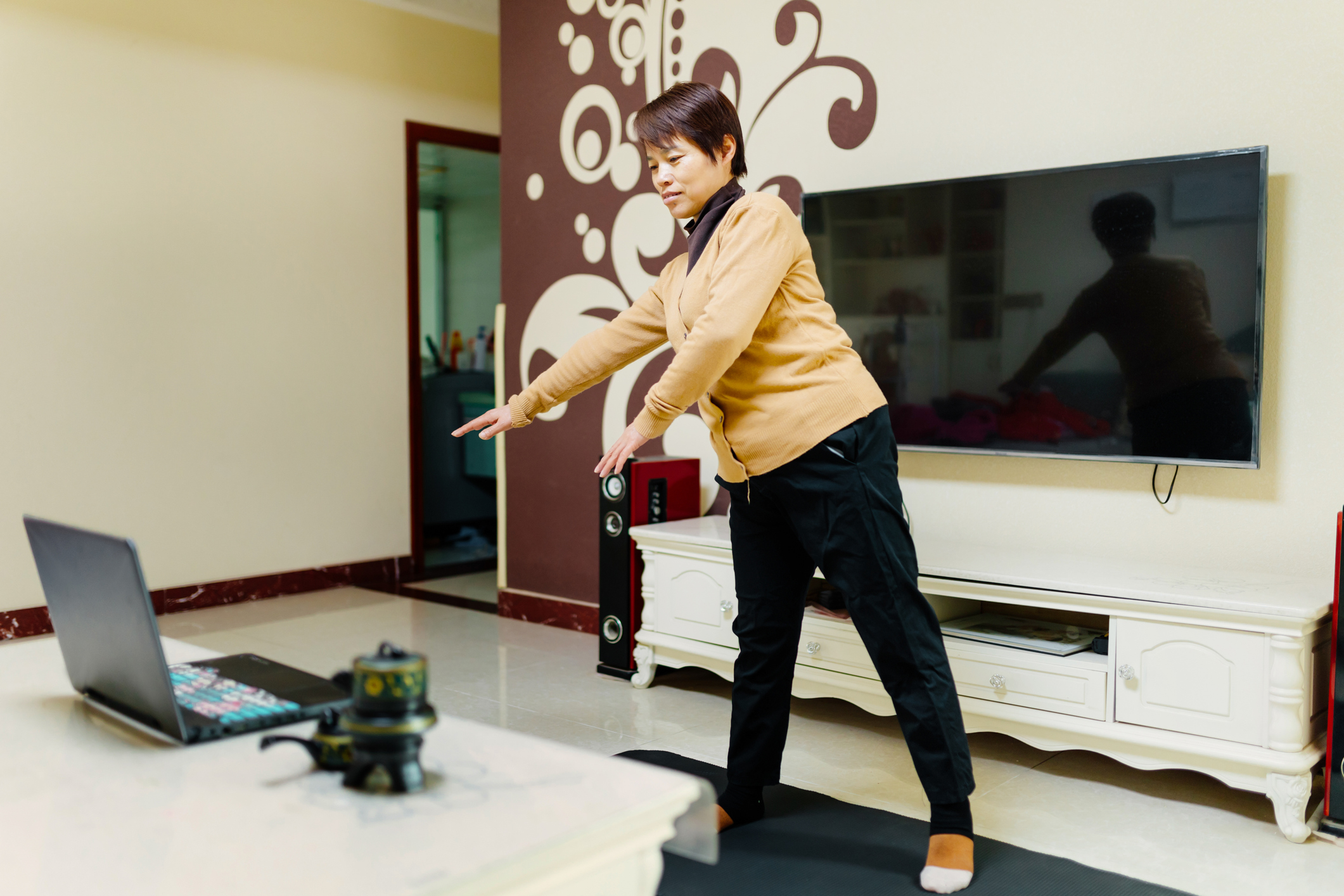
Qigong and tai chi are exercises originating in ancient China that focus on promoting the body’s natural ability to heal itself. Both have long been known to offer a variety of health benefits such as improved energy, resilience, and calmness for people who are aging, as they typically consist of postures and gentle movements that are not physically strenuous to perform. However, according to Dr. Martin Ehrlich, an integrative health specialist who teaches patients qigong and tai chi techniques, they can be beneficial for people of any age and with any health condition, acting as an effective supplement to other forms of treatment.

Dr. Ehrlich has previously hosted in-person workshops with patients that incorporated qigong and tai chi. “Those patients are still following the practices we introduced to them last year,” said Dr. Ehrlich. “All of them report that those techniques continue to make them feel healthier and have actually reduced their need for pain medication to improve their symptoms.”

Qigong and tai chi can improve symptoms caused by physical wear and tear, which often affects people who are aging, have chronic pain due to conditions such as arthritis or osteoporosis, or frequently perform physically demanding tasks. According to Dr. Ehrlich, these improvements occur because qigong and tai chi exercises cultivate qi, a form of energy that supports the body’s self-healing functions.

“If you cut yourself, your body is going to close the wound and heal. If you have an infection, your body is going to fight it,” said Dr. Ehrlich. “What qigong and tai chi do, along with other integrative health approaches, is teach people how to elicit and improve this inner healing capacity.”

Qigong and tai chi can also improve symptoms of mental health disorders such as depression, anxiety, and stress. To maximize their benefits, Dr. Ehrlich recommends having access to fresh air, sunlight, and plants while performing these exercises; if you are indoors, look for a naturally well-lit area, such as near an open window. It also helps to participate in a group setting with a teacher, where participants can receive clear guidance for their exercises and support one another through the learning process.

Dr. Ehrlich will be hosting a series of virtual qigong and tai chi sessions starting on September 12th and running through October 24th. Joining these sessions will require access to a computer and the Internet. They will take place on Tuesday evenings from 7 P.M. to 8 P.M. If you would like to join or receive more information about these virtual sessions, please call (718) 206-6914.

All content of this newsletter is intended for general information purposes only and is not intended or implied to be a substitute for professional medical advice, diagnosis or treatment. Please consult a medical professional before adopting any of the suggestions on this page. You must never disregard professional medical advice or delay seeking medical treatment based upon any content of this newsletter. PROMPTLY CONSULT YOUR PHYSICIAN OR CALL 911 IF YOU BELIEVE YOU HAVE A MEDICAL EMERGENCY.

What Treatments Are Available For Rheumatoid Arthritis?

Rheumatoid arthritis (RA) can cause a variety of debilitating symptoms, such as joint pain, stiffness, and fatigue, that can significantly interfere in your daily life. It can also cause lasting damage to multiple parts of your body, such as your nerves, skin, and heart. However, several approaches to treatment can help relieve your symptoms and reduce the severity of these long-term effects.

Medication is a common element of treatment for people who are diagnosed with rheumatoid arthritis, though which ones are prescribed by your doctor will depend on the nature and severity of your symptoms.

  • Nonsteroidal anti-inflammatory drugs (NSAIDs) can relieve pain and reduce inflammation
  • Disease-modifying antirheumatic drugs (DMARDs) are typically among the first medications prescribed to slow the progression of rheumatoid arthritis
  • Biologics are used to reduce inflammation by targeting certain parts of the immune system that contribute to it
  • Janus kinase (JAK) inhibitors block enzymes that signal inflammatory and immune responses in cells
  • Analgesics reduce pain in people who cannot take NSAIDs, but do not reduce inflammation
  • Corticosteroids are strong anti-inflammatory drugs that may be given while slow-acting medications begin to take effect

Exercise is also often beneficial for people living with rheumatoid arthritis. Many people diagnosed with this condition work with a physical therapist, who can create an effective exercise program that improves your strength and mobility. A physical therapist can also teach you techniques for relieving pain, ways of moving that prevent further physical damage, and exercises that you can perform on your own outside of scheduled sessions.

If other treatments are not providing adequate relief or offering significant improvement, your doctor may recommend joint replacement surgery. This most often involves hip and knee replacements, which can be effective for people with rheumatoid arthritis, but other affected joints may also be replaced for improved mobility and pain relief. Joint replacement surgery may also be followed up by physical therapy, which can help you learn how to stay mobile without causing damage to your joint replacements or surrounding parts of your body.

You can receive treatment for rheumatoid arthritis at Jamaica Hospital Medical Center’s Division of Rheumatology. To schedule an appointment, please call (718) 206-6742.

All content of this newsletter is intended for general information purposes only and is not intended or implied to be a substitute for professional medical advice, diagnosis or treatment. Please consult a medical professional before adopting any of the suggestions on this page. You must never disregard professional medical advice or delay seeking medical treatment based upon any content of this newsletter. PROMPTLY CONSULT YOUR PHYSICIAN OR CALL 911 IF YOU BELIEVE YOU HAVE A MEDICAL EMERGENCY.

Jamaica Hospital Provides On-Site Services at Jamaica Jams 2023

Jamaica Hospital Medical Center recently participated in the 2023 Jamaica Arts & Music Summer Festival (Jamaica Jams), an annual event that promotes family, senior, and youth-centered activities and showcases the diverse cultural talents, foods, and arts of the Queens community.

Jamaica Jams draws an estimated 150,000 people to the area’s central business district each year, stretching across 10 blocks of Jamaica Avenue between Parsons Boulevard and 170th Street. Jamaica Hospital was stationed in the Healthfirst Pavilion, located on 165th Street between Archer Avenue and Jamaica Avenue, which is primarily designated for senior health and wellness.

Teams from several of Jamaica Hospital’s departments provided a variety of on-site services during the event, including:

  • Nutrition counseling
  • Vascular screening and education
  • Trauma prevention education
  • Podiatry screening
  • Mental health and wellness education
  • Mindfulness and exercise Information
  • Blood pressure screening
  • Pulse oximetry screening
  • Respiratory and asthma education
  • Dental and oral screening

We were also joined at this year’s event by Memorial Sloan Kettering Cancer Center. This team provided genetic risk assessment screenings and educational information.

All of us at Jamaica Hospital are thrilled to have been able to participate in this year’s Jamaica Jams. We look forward to seeing our community at this event next year!

All content of this newsletter is intended for general information purposes only and is not intended or implied to be a substitute for professional medical advice, diagnosis or treatment. Please consult a medical professional before adopting any of the suggestions on this page. You must never disregard professional medical advice or delay seeking medical treatment based upon any content of this newsletter. PROMPTLY CONSULT YOUR PHYSICIAN OR CALL 911 IF YOU BELIEVE YOU HAVE A MEDICAL EMERGENCY.