Making Your Mental Health a Priority This Year

Person writing out a note card about improving mental health as a New Year's resolution.Many people experience chronic mental health problems such as anxiety and depression. These issues can be caused by a wide variety of factors, some of which can be directly changed or coped with in a healthy way.

As the new year begins, you can use this time to start identifying mental health issues you experience, some of the potential causes of those issues, and how you can work to improve them. Some specific steps you can take to start making positive changes for your mental health include:

Improving your physical health: Your physical and mental well-being are deeply intertwined and have a strong impact on one another. Improving your diet, developing a regular exercise routine, and getting enough sleep each night can lead to major improvements in your mood, outlook, and ability to think clearly, allowing you to cope more effectively with mental health challenges.

Recognizing positive things in your life: If your mind often drifts toward negative thoughts and emotions, it’s important to recognize and be thankful for aspects of your life that are positive. This can be anything from having a strong social support system of friends and family, simply having a roof to sleep under each night, or being in good physical health.

Developing effective coping mechanisms: Coping mechanisms are an important tool for anyone who experiences mental health problems. These strategies allow you to adjust the way you mentally process things that distress you, making them easier to deal with. Some healthy examples of coping mechanisms include:

  • Looking for ways to resolve the cause of distress, if possible
  • Viewing the problem from a different perspective
  • Talking to someone who supports you

You can make positive, effective changes to improve your mental health this year with the help of a psychiatrist at Jamaica Hospital Medical Center’s Mental Health Clinic. To schedule an appointment, please call (718) 206-5575.

All content of this newsletter is intended for general information purposes only and is not intended or implied to be a substitute for professional medical advice, diagnosis or treatment. Please consult a medical professional before adopting any of the suggestions on this page. You must never disregard professional medical advice or delay seeking medical treatment based upon any content of this newsletter. PROMPTLY CONSULT YOUR PHYSICIAN OR CALL 911 IF YOU BELIEVE YOU HAVE A MEDICAL EMERGENCY.
How Does Winter Weather Increase Your Risk of Cardiovascular Disease?

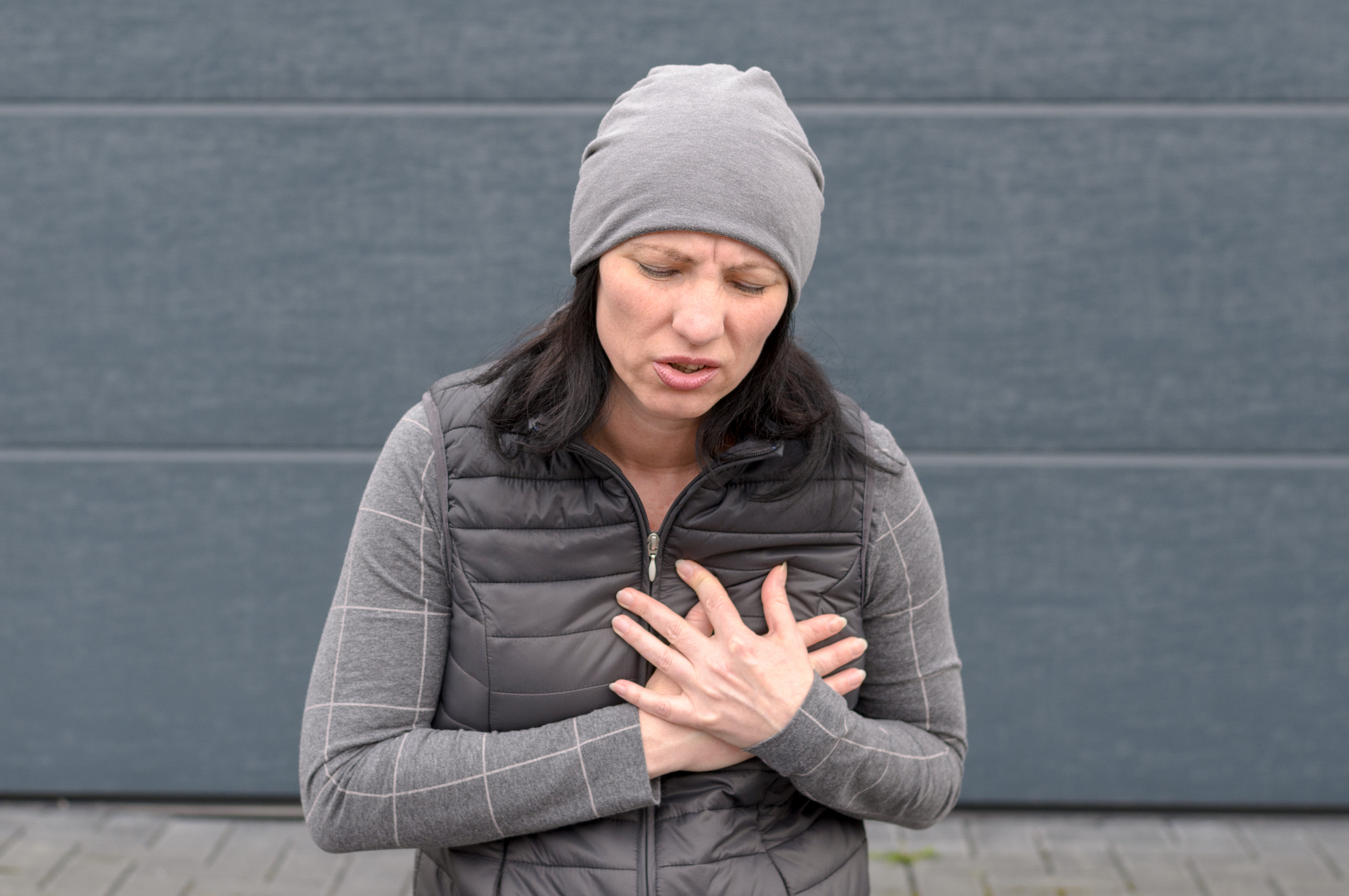
Woman standing outdoors in a grey winter outfit clutching her chest with both hands and grimacing in pain in a concept of a heart attack or cardiac problemIt’s important to be aware of the effects that cold, windy winter weather can have on your cardiovascular system. For some people, this weather can increase the risk of developing a serious medical problem; for others, particularly people who already have a cardiovascular condition, this weather can worsen the symptoms they experience and potentially lead to further complications. 

The heart plays a vital role in maintaining your internal body temperature. If this temperature can’t stay above 95 degrees Fahrenheit, you could experience hypothermia, leading to potential symptoms such as a lack of coordination, fatigue, and confusion. To avoid this, your heart may have to work harder to keep you warm. This stress on your heart is even greater if you’re performing a physical outdoor activity, such as shoveling snow or jogging. You may begin to experience symptoms such as chest pain or even a heart attack. 

There are certain steps you can take to protect yourself against these risks throughout the winter season. Some of these include:

  • Taking frequent breaks to rest while performing a physical activity
  • Wearing multiple warm layers (including at least one water-resistant outer layer)
  • Staying hydrated, particularly while performing a physical activity

If you have a heart condition, are at risk of developing one, or are experiencing symptoms, you should consult a cardiologist to explore the most effective precautions you can take to protect your health during the winter season. You can schedule an appointment with a cardiologist at Jamaica Hospital Medical Center by calling (718) 206-7100.

All content of this newsletter is intended for general information purposes only and is not intended or implied to be a substitute for professional medical advice, diagnosis or treatment. Please consult a medical professional before adopting any of the suggestions on this page. You must never disregard professional medical advice or delay seeking medical treatment based upon any content of this newsletter. PROMPTLY CONSULT YOUR PHYSICIAN OR CALL 911 IF YOU BELIEVE YOU HAVE A MEDICAL EMERGENCY.

Tips for Safe Holiday Driving

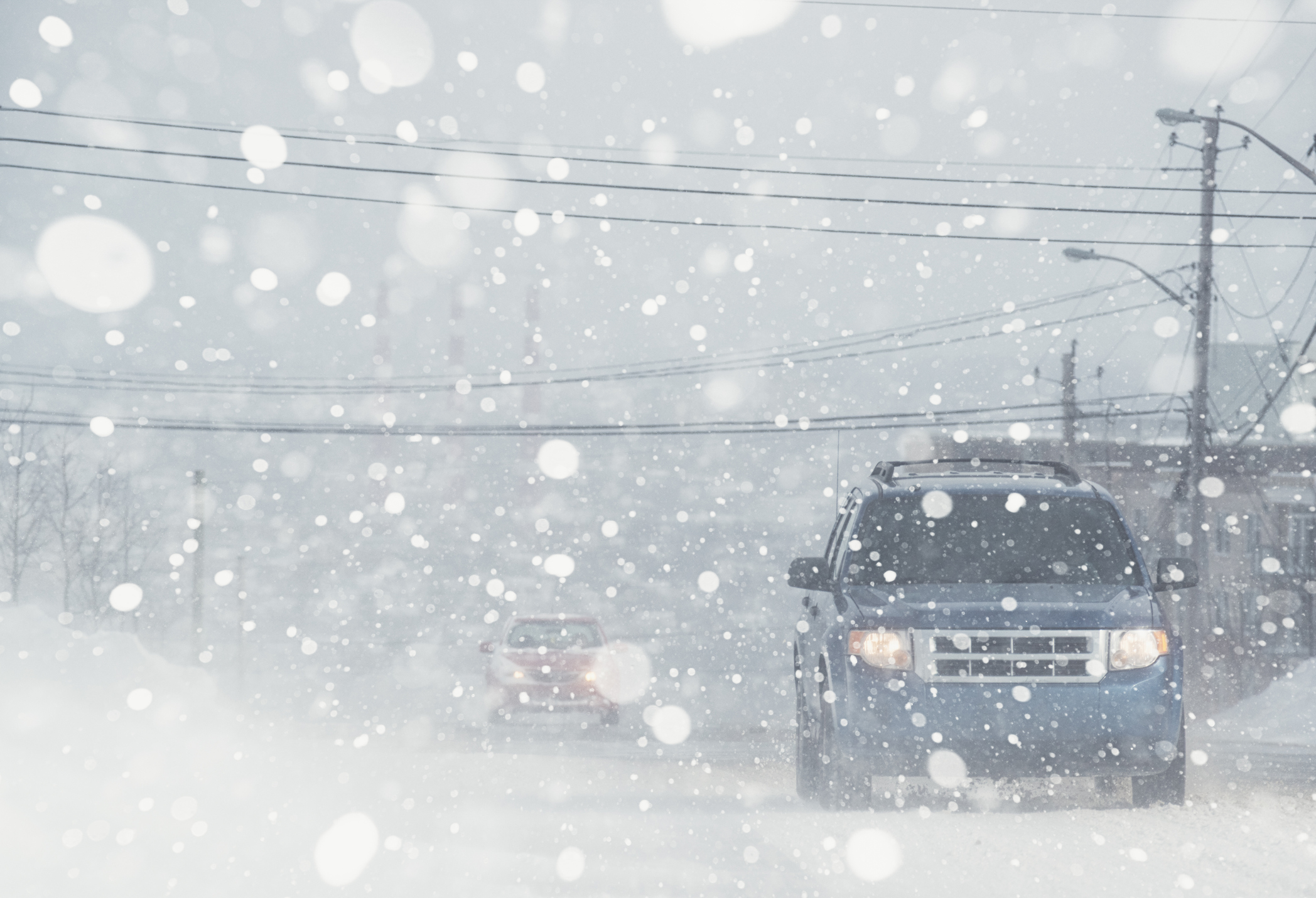
Motorists navigate a city street in white out conditions.Many people drive to visit loved ones during the holiday season, making it important for them to exercise caution on the road.

Several potential hazards, such as weather conditions and drunk, rushed, or inattentive drivers, can make travel during this part of the year more dangerous. Some ways that you can manage these hazards and make the roads safer for everyone include:

Having a designated driver: Alcohol consumption (sometimes in large amounts) is common at many holiday gatherings, so it’s essential that everyone who plans to return home by car have a designated driver. Ideally, this person should drink as little as possible during the gathering.  If they choose to drink, some rough estimates for how long they should wait before driving include:

  • 1 hour for each shot of liquor
  • 2 hours for each pint of beer
  • 3 hours for each glass of wine

Remember: if you or your designated driver are too drunk to drive and no one else is available to get you home, you can (and should) use a car service such as Uber to return safely.

Sticking to the speed limit: If you’re stressed about arriving at your destination on time, it can be easy to rush and start driving faster than you should be without realizing it. This increases your risk of getting into an accident and makes the road more dangerous for other drivers around you, as well as anyone traveling in the car with you. Pay attention to how fast you’re driving and stay close to the speed limit.

Check weather conditions before driving: The cold weather that occurs during the holiday season can cause a variety of problems with your car, including icy roads, poorer visibility (if it’s snowing), dying car batteries, and thicker oil that struggles to circulate throughout your car. While you can’t always avoid these issues, it’s still important to be aware of how likely they might be, allowing you to better prepare for (and more easily manage) them if they occur.

If you or any of your passengers are injured due to a car accident, make sure to call 911 right away. Jamaica Hospital Medical Center’s Level 1 Trauma Center treats a high volume of motor vehicle collision injuries in New York City each day. To learn more, please call (718) 206-6000.

All content of this newsletter is intended for general information purposes only and is not intended or implied to be a substitute for professional medical advice, diagnosis or treatment. Please consult a medical professional before adopting any of the suggestions on this page. You must never disregard professional medical advice or delay seeking medical treatment based upon any content of this newsletter. PROMPTLY CONSULT YOUR PHYSICIAN OR CALL 911 IF YOU BELIEVE YOU HAVE A MEDICAL EMERGENCY.

Tips for Managing Holiday Stress

Woman looking sad in front of a Christmas tree.For many people, the holiday season can be a stressful time. Whether you’re experiencing financial difficulties, relationship issues with loved ones, or health problems that interfere with your ability to enjoy the holidays, it’s important to have effective ways to manage these causes of stress to prevent them from disrupting your holiday season. Some steps you may consider taking include:

Setting reasonable expectations for yourself: Circumstances such as cost or availability may sometimes make it difficult to accomplish certain things during the holiday season, such as getting an expensive gift for someone or hosting a big family dinner. To avoid stress, don’t over-extend yourself; instead, recognize what you can reasonably accomplish with the time and resources you have. Set realistic expectations for any gift-giving, hosting, or other responsibilities you have for the holidays.

Learning to de-escalate (or avoid) conflicts: Some holiday gatherings may bring family members together who don’t get along well. Conflict at these gatherings can create negative experiences for everyone involved, so it’s helpful to consider ways in which you can de-escalate them. If you’re hosting, try to steer the conversation into a more friendly direction; if the conflict escalates, remove the involved members from the gathering. Alternatively, it can also help to remove yourself from the situation, particularly if you’re one of the people directly involved in the conflict.

Keeping up with therapy: If you regularly attend therapy sessions for your mental health, try to maintain this schedule during the holiday season. While this part of the year can become extremely busy for many people, therapy can be an important outlet for stress, as well as a tool to help you learn coping mechanisms throughout the holidays.

If you need a psychiatrist to help you manage mental health problems, such as severe stress, that worsen during the holiday season, you can schedule a therapy appointment at Jamaica Hospital Medical Center’s Department of Psychiatry by calling (718) 206-5575.

All content of this newsletter is intended for general information purposes only and is not intended or implied to be a substitute for professional medical advice, diagnosis or treatment. Please consult a medical professional before adopting any of the suggestions on this page. You must never disregard professional medical advice or delay seeking medical treatment based upon any content of this newsletter. PROMPTLY CONSULT YOUR PHYSICIAN OR CALL 911 IF YOU BELIEVE YOU HAVE A MEDICAL EMERGENCY.
How Can Mold Impact Your Health?

Mold growth is a common issue in many homes, and one that can cause a variety of medical problems. Many of the potential physical responses to mold exposure, such as a stuffy nose, sneezing, and red, itchy eyes, may occur more strongly in people who are allergic to mold or who have asthma. In some cases, severe reactions such as fever or shortness of breath can occur.

Mold is typically found in moist areas, such as parts of your home that have experienced flooding or leaks from your roof, windows, or pipes. It’s most likely to grow on wood-based products such as paper or cardboard, as well as some ceiling or floor tiles. Other materials that mold can grow on include:

  • Paint
  • Drywall
  • Carpet
  • Fabric
  • Insulation
  • Upholstery

You can often identify mold by its sight and smell. It often produces a musty odor and appears as one or more patches that are slimy, fuzzy, and/or discolored; these patches grow larger over time. Mold may also grow in places that are not easy to see, such as behind or under furniture, as well as inside pipes or walls. You can look for areas of your home where mold is most likely to grow by looking for signs of water stains or warping due to water damage.

If you notice signs of a mold problem in your home, make sure to identify the source of any water leakage and correct it, as well as discard any items with extensive mold growth or water damage that can’t be thoroughly cleaned and dried. Small areas of mold growth can be cleaned with soap and water, but for large-scale mold problems, it may be best to hire a licensed contractor to correct the issue.

If you are experiencing medical problems due to mold exposure, you can receive treatment at Jamaica Hospital Medical Center’s Ambulatory Care Center. To schedule an appointment, please call (718) 206-7001.

All content of this newsletter is intended for general information purposes only and is not intended or implied to be a substitute for professional medical advice, diagnosis or treatment. Please consult a medical professional before adopting any of the suggestions on this page. You must never disregard professional medical advice or delay seeking medical treatment based upon any content of this newsletter. PROMPTLY CONSULT YOUR PHYSICIAN OR CALL 911 IF YOU BELIEVE YOU HAVE A MEDICAL EMERGENCY.

What are Venous Ulcers?

A venous ulcer is a wound that takes a longer time to heal than normal due to issues with blood flow to the heart from your extremities. This causes blood to pool in the legs and damages surrounding skin tissue; as a result, venous ulcers form, most often occurring on your legs near your ankles.

Venous ulcers may be identified based on their appearance, smell, and the sensations associated with them. Typically, these ulcers are shallow and irregularly shaped, and the skin around them may be hard and discolored. They also tend to ache and are typically itchy, foul-smelling, swollen, and oozing pus or other fluids.

The blood flow problems in your legs that cause venous ulcers to develop can occur due to a variety of factors, such as:

  • Age
  • Obesity
  • Paralysis
  • A sedentary lifestyle
  • Smoking
  • Surgery
  • Prior injuries

You may also be more likely to develop venous ulcers due to conditions that affect the flow of blood from your legs, such as deep vein thrombosis, chronic venous insufficiency, high blood pressure, venous obstruction, and venous reflux. Additionally, your risk may be higher if any of these conditions have affected members of your family.

Venous ulcers can cause permanent damage to surrounding tissues without treatment. Your doctor may recommend a variety of treatment approaches, depending on the underlying medical problems that may have caused the ulcer to develop. Treatment may also involve several elements focused on the ulcer itself to relieve pain and prevent further tissue damage. Some of these elements may include:

  • Antibiotics
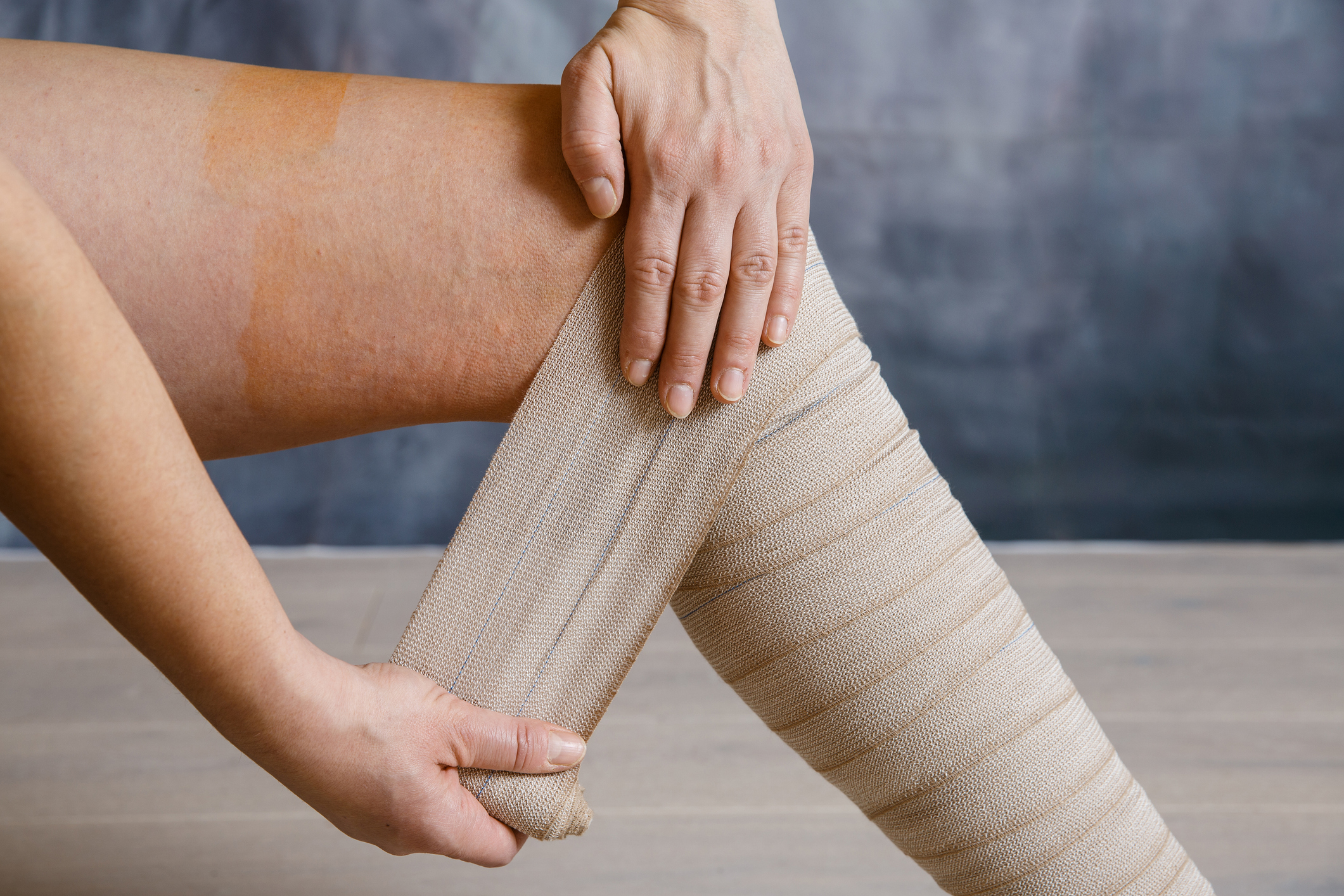
  • Bandages or stockings to improve blood flow and/or cover the wound
  • Protective topical ointments
  • Pain relief medication
  • Debridement
  • Daily cleaning of the wound

If you have developed a venous ulcer, you can receive high-quality treatment from the vascular surgeons at Jamaica Hospital Medical Center. To receive more information or to schedule an appointment, please call (718) 206-7001.

All content of this newsletter is intended for general information purposes only and is not intended or implied to be a substitute for professional medical advice, diagnosis or treatment. Please consult a medical professional before adopting any of the suggestions on this page. You must never disregard professional medical advice or delay seeking medical treatment based upon any content of this newsletter. PROMPTLY CONSULT YOUR PHYSICIAN OR CALL 911 IF YOU BELIEVE YOU HAVE A MEDICAL EMERGENCY.

National Epilepsy Awareness Month

Epilepsy is a chronic neurological disorder that causes abnormal brain activity, resulting in symptoms such as seizures, loss of awareness, and unusual behaviors. Generally, a diagnosis of epilepsy is given to people who have experienced two unprovoked seizures (meaning that they have no clear identifiable cause) within a 24-hour period.

There are several different types of seizures, each of which can cause different symptoms to occur. In most cases, a person with epilepsy will tend to have the same type of seizure each time, so the symptoms will be similar from episode to episode. Some of these types (and the symptoms associated with them) include:

  • Absence seizures (staring into space with potential loss of awareness)
  • Tonic seizures (muscle stiffening in the back, arms, and legs with potential loss of consciousness)
  • Atonic seizures (loss of muscle control, typically results in falls)
  • Clonic seizures (repeated jerking muscle movements in the face, neck, and arms)
  • Myoclonic seizures (sudden jerking or twitching in the upper body, arms, and legs)
  • Tonic-clonic seizures (sudden loss of consciousness with body stiffening, twitching, and shaking)
  • Focal seizures (affects a specific part of the brain, causing altered or impaired awareness and perception of your environment and senses)

While epilepsy often has no identifiable cause, approximately half of all cases can be traced to a variety of different factors, including:

  • Family history
  • Head trauma
  • Stroke
  • Infectious diseases such as meningitis, encephalitis, or AIDS
  • Developmental disorders such as autism

Medications or surgery can control seizures for the majority of people with epilepsy. Some people require lifelong treatment to control seizures, but for others, the seizures may eventually go away. Some children with epilepsy may outgrow the condition with age.

You can receive specialized neurological treatment for epilepsy at Jamaica Hospital Medical Center’s Department of Neurosurgery. To get more information about our services or to schedule an appointment, please call (718) 206-6713.

All content of this newsletter is intended for general information purposes only and is not intended or implied to be a substitute for professional medical advice, diagnosis or treatment. Please consult a medical professional before adopting any of the suggestions on this page. You must never disregard professional medical advice or delay seeking medical treatment based upon any content of this newsletter. PROMPTLY CONSULT YOUR PHYSICIAN OR CALL 911 IF YOU BELIEVE YOU HAVE A MEDICAL EMERGENCY.

Halloween 2023 Safety Tips

Halloween is a family-favorite holiday full of spooky fun and lots of candy.  However, it can also present many opportunities for injury as kids take to the streets in pursuit of trick-or-treat goodies.

Statistics show that roughly four times as many children between the ages of five and 14 are killed while walking on Halloween evening compared to other evenings of the year. Injuries due to falls and other accidents are also common among children on Halloween.

Parents can help minimize the risk of children getting injured on this holiday by following these safety tips from the American Academy of Pediatrics, the Centers for Disease Control and Prevention, and the National Safety Council.

On Halloween, children should:

  • Go only to well-lit houses.
  • Remain on porches without actually entering a house.
  • Travel in small groups accompanied by an adult.
  • Use flexible, non-sharp plastic props for costume pieces such as knives and swords.
  • When walking through neighborhoods trick-or-treating, use flashlights, stay on sidewalks, and avoid crossing yards.
  • Cross at appropriately-designated crosswalks and do not cross between parked cars.
  • Be sure to stop at all corners and stay together in a group before crossing.
  • Wear clothing or costumes that are bright, reflective, and flame-retardant.
  • Consider using face paint instead of masks that can obstruct a child’s vision.
  • Avoid wearing hats that will slide over children’s eyes.
  • Avoid wearing long, baggy, or loose costumes or oversized shoes that may cause kids to trip.
  • Be reminded to look left, right, and left again before crossing a street.

On Halloween, parents and adults should:

  • Supervise trick-or-treating for children under the age of 12.
  • Avoid giving choking hazards such as gum, peanuts, hard candies, or small toys as treats to young children.
  • Ensure the safety of pedestrian trick-or-treaters.
  • Make sure children under the age of 10 are supervised as they cross the street.
  • Drive slowly.
  • Watch for children in the street and on medians.
  • Exit driveways and alleyways slowly and carefully.
  • Have children get out of cars on the side of the sidewalk, not the street.

Follow these tips to keep both your children and yourself safe this year. Have a happy and fun Halloween!

All content of this newsletter is intended for general information purposes only and is not intended or implied to be a substitute for professional medical advice, diagnosis or treatment. Please consult a medical professional before adopting any of the suggestions on this page. You must never disregard professional medical advice or delay seeking medical treatment based upon any content of this newsletter. PROMPTLY CONSULT YOUR PHYSICIAN OR CALL 911 IF YOU BELIEVE YOU HAVE A MEDICAL EMERGENCY.

What are Heart Tumors?

Heart tumors are growths that develop in the heart. They can form in many different parts of the heart, such as the:

  • Endocardium (the tissue that lines the chambers of the heart)
  • Myocardium (the muscle tissue of the heart)
  • Pericardium (the sac surrounding the heart)
  • Heart valves (which control the flow of blood through the heart)

Most of the time, heart tumors develop due to cancer that has spread from other parts of the body. These are referred to as metastatic heart tumors. Certain types of cancer, such as lung, breast, kidney, or esophageal cancer, are more likely to lead to the growth of these tumors than others. Metastatic heart tumors occur most commonly in people who have melanoma, affecting up to approximately 65% of people with this type of cancer.

Only a small number of heart tumors are primary tumors, meaning that they first developed in the heart. The vast majority of primary heart tumors are not cancerous, but even these can pose serious health risks, such as blood flow problems, blood clots, or stroke.  Some examples of primary heart tumors include:

  • Myxoma (the most common benign primary heart tumor; it usually affects the left atrium)
  • Papillary fibroelastoma (benign tumor that usually develops in heart valves)
  • Lipoma (benign tumor that typically grows in the left ventricle, right atrium, or atrial septum)
  • Angiosarcoma (the most common cancerous primary heart tumor; this usually grows in the right atrium or pericardium)
  • Rhabdomyosarcoma (the most common cancerous primary heart tumor in children)

Heart tumors are typically diagnosed through imaging tests, such as an echocardiogram, cardiac MRI or CT scan, and/or a PET scan. Your doctor will most likely order these tests if you have cancer in another part of your body and have started to develop heart problems. Primary heart tumors are more difficult to diagnose than metastatic tumors, as their symptoms are similar to other conditions; they are typically discovered as incidental findings through diagnostic tests ordered for other medical problems.

If you have developed symptoms of a heart condition, you can receive high-quality care at Jamaica Hospital Medical Center’s award-winning Queens cardiology center. To schedule an appointment, please call (718) 206-7100.

All content of this newsletter is intended for general information purposes only and is not intended or implied to be a substitute for professional medical advice, diagnosis or treatment. Please consult a medical professional before adopting any of the suggestions on this page. You must never disregard professional medical advice or delay seeking medical treatment based upon any content of this newsletter. PROMPTLY CONSULT YOUR PHYSICIAN OR CALL 911 IF YOU BELIEVE YOU HAVE A MEDICAL EMERGENCY.

3 Common Causes of Foot Pain

Foot pain is common; any time you walk, run, or perform other activities that place stress on your feet, it increases their risk of becoming injured. This risk can also increase as a result of a variety of medical conditions.

One of the most helpful steps for alleviating foot pain is to determine what could potentially be causing it. A few common causes of foot pain include:

Poorly-fitting shoes: Foot pain and discomfort often occurs as a result of wearing shoes that do not properly fit. Both the size and shape of the shoe are important for maximizing your comfort and preventing pain.

Foot deformities: Many people experience some form of foot deformity, meaning that one or both of their feet have not properly developed physically in some way. A few common examples of foot deformities include hammer toes (which bend downward instead of pointing forward), clubfoot (a childhood deformity in which the foot is turned inward), and flat foot (meaning that the foot lacks an arch in a standing position).

Injury: The feet are involved significantly in many physical activities, such as walking, jogging, or sports. During these types of activities, you’re more likely to experience injuries such as sprained or twisted ankles, Achilles tendinitis, or nerve damage. Your risk of experiencing these injuries can be even higher due to factors such as improperly-fitting shoes and untreated foot deformities.

If you experience foot pain or have a medical condition that increases your risk of injury, it’s important that you talk to a podiatrist to get the specialized treatment you need. You can schedule an appointment with a podiatrist at Jamaica Hospital Medical Center by calling (718) 206-6712.

All content of this newsletter is intended for general information purposes only and is not intended or implied to be a substitute for professional medical advice, diagnosis or treatment. Please consult a medical professional before adopting any of the suggestions on this page. You must never disregard professional medical advice or delay seeking medical treatment based upon any content of this newsletter. PROMPTLY CONSULT YOUR PHYSICIAN OR CALL 911 IF YOU BELIEVE YOU HAVE A MEDICAL EMERGENCY.