
COVID-19 Variant BA.2.86: What You Should Know

Recently, the Centers for Disease Control and Prevention (CDC) detected a new variant of COVID-19 called BA.2.86. While many details about this variant are not currently known, it is believed (though unconfirmed) that it can potentially cause infections more easily in people who have previously had COVID-19 or have been vaccinated against the virus.

Cases of BA.2.86 were first detected in Denmark and Israel before initially appearing in the United States. The presence of this variant was also preliminarily detected in a wastewater sample collected by the National Wastewater Surveillance System (NWSS), one of multiple monitoring systems used by the CDC to detect COVID-19 variants and better understand their spread throughout the United States.

BA.2.86 has a large number of mutations compared to other variants of COVID-19, raising concerns that it may be more resistant against the immunity provided by vaccines and other treatments. However, it is believed that, based on the mutation profile of this variant, current treatments such as Paxlovid, Veklury, and Lagevrio, as well as the new vaccines to be made available to the public this fall, will still offer effective protection. Additionally, most of the United States population carries COVID-19 antibodies due to prior vaccination, infection, or both, which will likely continue to provide protection against severe illness due to the virus.

BA.2.86 spreads in the same way as other COVID-19 variants, which means that it can generally be prevented in the same ways. Aside from staying up to date with your vaccinations, some steps you can take to protect yourself and others include:

  • Washing your hands
  • Staying home and getting tested for COVID-19 if you feel sick
  • Seeking treatment if you test positive
  • Wearing a high-quality mask that fits over your nose and mouth
  • Improving ventilation in your home and work space

You can get vaccinated and treated for COVID-19 at Jamaica Hospital Medical Center’s Ambulatory Care Center. To schedule an appointment, please call (718) 206-7001.

All content of this newsletter is intended for general information purposes only and is not intended or implied to be a substitute for professional medical advice, diagnosis or treatment. Please consult a medical professional before adopting any of the suggestions on this page. You must never disregard professional medical advice or delay seeking medical treatment based upon any content of this newsletter. PROMPTLY CONSULT YOUR PHYSICIAN OR CALL 911 IF YOU BELIEVE YOU HAVE A MEDICAL EMERGENCY.

What is the Difference Between Palliative and Hospice Care?

Relief from symptoms is an important aspect of medical care for anyone experiencing a serious chronic condition such as heart failure, cancer, or chronic obstructive pulmonary disease. Palliative and hospice care both focus on this part of your treatment; however, it’s important to know which type of care is most appropriate under your individual circumstances.

Palliative care involves medical, social, and emotional care and support to help provide relief. It can be provided at any stage of illness alongside other treatments intended to cure or improve your underlying condition and can involve a variety of medical specialists and professionals, including (but not limited to) doctors, nurses, social workers, and nutritionists. Ideally, palliative care should be provided as soon as possible after diagnosis to maintain your quality of life throughout the treatment process.

If treatment is no longer improving your condition, you could continue to receive palliative care focused on providing as much comfort as possible for the remainder of your life, or you may begin to receive hospice care if your doctor expects that you only have a short time left to live (typically six months or less).

Like palliative care, hospice care focuses on providing relief from symptoms and is offered in a variety of settings, such as at home, in a hospital, or in a nursing home. However, people who receive hospice care no longer receive treatments for their underlying illness. Care is focused solely on ensuring they are as comfortable as possible until death. This can involve most of the same types of medical care providers involved with palliative care. A member of the hospice team will visit regularly and someone will usually be available by phone as needed.

Hospice care at Jamaica Hospital Medical Center includes a variety of services and amenities, such as symptom management, nursing care, psychosocial and emotional support, and overnight accommodations for family members of patients, to provide you with maximum comfort and quality of life. To learn more, please visit our Hospice Care Services page.

All content of this newsletter is intended for general information purposes only and is not intended or implied to be a substitute for professional medical advice, diagnosis or treatment. Please consult a medical professional before adopting any of the suggestions on this page. You must never disregard professional medical advice or delay seeking medical treatment based upon any content of this newsletter. PROMPTLY CONSULT YOUR PHYSICIAN OR CALL 911 IF YOU BELIEVE YOU HAVE A MEDICAL EMERGENCY.

The Health Benefits of Flavonoid-Rich Foods

Flavonoids are compounds found naturally in many fruits and vegetables that can reduce inflammation and protect your body against various types of toxins. They provide these benefits by regulating cellular activity and improving your resistance against free radicals, which cause damage to surrounding cells.

There are six types of flavonoids, each of which provides different benefits to your health and can be found in certain foods. They include:

Flavanols: This type of flavonoid has particularly strong antioxidant properties that can help protect your body against symptoms of cardiovascular disease and other chronic conditions. They can be found in foods such as broccoli, tomatoes, onions, lettuce, peaches, berries, grapes, and kale, as well as liquids such as tea and red wine.

Flavan-3-ols: The most commonly-consumed type of flavonoid, flavan-3-ol, can lower your risk of several forms of cardiometabolic disease, including (but not limited to) hypertension (high blood pressure), insulin resistance, and dyslipidemia (high cholesterol). Flavan-3-ols can be found in tea, chocolate, apples, pears, and berries.

Flavones: Flavones are notable for their ability to help reduce inflammation in the body. They can typically be found in parsley, red peppers, celery, chamomile, and peppermint.

Flavanones: Like flavones, flavanones have anti-inflammatory properties; additionally, they are strong antioxidants and can help you to control your cholesterol and weight. They are generally found in citrus fruits such as lemons, limes, oranges, and grapefruit.

Isoflavones: These flavonoids can help to control hormonal balance, potentially improving problems such as anxiety and depression, as well as symptoms of menopause such as hot flashes. Isoflavones can be found in soy products and certain legumes, such as fava beans, chickpeas, pistachios, and peanuts.

Anthocyanins: Anthocyanins can boost your protection against a variety of chronic conditions, such as high blood pressure, heart disease, neurological disease, and cancer. They can be found in berries and berry products, including red and purple grapes, cranberries, blueberries, strawberries, blackberries, and red wine.

The registered dieticians at Jamaica Hospital Medical Center are ready to help you plan a diet that can reduce your risk of disease, maintain a healthy weight, and improve your overall health. To learn more or to schedule an appointment, please call (718) 657-7093.

All content of this newsletter is intended for general information purposes only and is not intended or implied to be a substitute for professional medical advice, diagnosis or treatment. Please consult a medical professional before adopting any of the suggestions on this page. You must never disregard professional medical advice or delay seeking medical treatment based upon any content of this newsletter. PROMPTLY CONSULT YOUR PHYSICIAN OR CALL 911 IF YOU BELIEVE YOU HAVE A MEDICAL EMERGENCY.

What is Eye Cancer?

Eye cancer is an extremely rare form of cancer that first develops in the eyeball or nearby structures such as the tear ducts and eyelids.

There are several different types of eye cancer. The most common form is intraocular melanoma. These often develop in the choroid, a structure in the uvea (the middle part of the eye), but can also begin in the iris (the colored part of the eye) and the ciliary body (the muscles behind the iris that allow you to focus on close or distant objects). Intraocular melanoma can also develop in the conjunctiva (the membrane that covers the front of your eyeball).

Other forms of eye cancer include:

  • Eyelid cancer
  • Orbital cancer
  • Retinoblastoma
  • Intraocular lymphoma

Symptoms of eye cancer generally include vision loss, blurred vision, flashes of light, and spots in your vision, and can also potentially include eye bulging or irritation, a growing dark spot in the iris, a growing lump on the eyelid or eyeball, and changes in the movement or positioning of the eyeball. However, many people with eye cancer may not experience any symptoms and, as a result, may not be aware of their condition until it’s discovered by an optometrist or ophthalmologist.

Several factors may increase your risk of developing eye cancer. It occurs most commonly in people over the age of 50 (with the exception of retinoblastoma, which is most common in children under five years of age). It’s also more common for people with pale skin complexion, people with light-colored eyes, and people with certain inherited conditions, such as dysplastic nevus syndrome or BAP1 tumor predisposition syndrome.

Radiation therapy and surgery are common treatment options for eye cancer. These may be supplemented by additional treatment approaches, such as laser therapy, immunotherapy, and targeted drug therapy. Your doctor will work with you to develop a treatment plan that minimizes your risk of vision loss or other potential complications.

The specialists at Jamaica Hospital Medical Center’s Department of Ophthalmology can help you get the care you need to treat your eye cancer effectively, achieve remission, and preserve your vision. To schedule an appointment, please call (718) 206-5900.

All content of this newsletter is intended for general information purposes only and is not intended or implied to be a substitute for professional medical advice, diagnosis or treatment. Please consult a medical professional before adopting any of the suggestions on this page. You must never disregard professional medical advice or delay seeking medical treatment based upon any content of this newsletter. PROMPTLY CONSULT YOUR PHYSICIAN OR CALL 911 IF YOU BELIEVE YOU HAVE A MEDICAL EMERGENCY.

3 Health Benefits of Olive Oil

Olive oil is used in a wide variety of meals, including everything from salads to pasta dinners and sautéed dishes. Although it is calorie-dense, containing approximately 120 calories per tablespoon on average, olive oil is considered a healthy fat. It is included as a staple component in diets such as the Mediterranean diet, which has been indicated through research to promote weight loss and help prevent serious health problems such as heart attacks, stroke, and type 2 diabetes.

Even on its own, olive oil provides several significant health benefits. Some of these include:

Anti-inflammatory properties: Chronic inflammation is associated with numerous conditions, including cancer, heart disease, type 2 diabetes, Alzheimer’s, and arthritis. Olive oil contains a substantial volume of antioxidants, which can effectively help to fight inflammation in the body. Some of these antioxidants include oleocanthal, which can produce an effect similar to a small percentage of an adult dose of ibuprofen, and oleic acid, the main fatty acid contained in olive oil.

Cholesterol control: Olive oil is also capable of preventing low-density lipoprotein (LDL) cholesterol, also known as “bad” cholesterol, from oxidizing. Oxidized cholesterol can lead to atherosclerosis, which refers to the buildup of cholesterol along artery walls. Atherosclerosis is a significant risk factor for heart disease, stroke, and blood clots.

Antibacterial effects: There are a significant number of nutrients contained in olive oil that can kill harmful bacteria, particularly Helicobacter pylori, which lives in the stomach and can cause ulcers and cancer.

To get the full benefit of these effects, you’ll need to make sure you’re buying extra virgin olive oil, which retains more of the properties and compounds contained in olives than more refined types of olive oil. Even if the label on a bottle of olive oil says “extra virgin,” it may not necessarily be correct; check the ingredient list to make sure it doesn’t contain any other refined oils.

If you’re looking to make healthy adjustments to your diet to prevent chronic disease or other health problems, you can get professional guidance from a registered dietician at Jamaica Hospital Medical Center. To schedule an appointment, please call (718) 206-7001.

All content of this newsletter is intended for general information purposes only and is not intended or implied to be a substitute for professional medical advice, diagnosis or treatment. Please consult a medical professional before adopting any of the suggestions on this page. You must never disregard professional medical advice or delay seeking medical treatment based upon any content of this newsletter. PROMPTLY CONSULT YOUR PHYSICIAN OR CALL 911 IF YOU BELIEVE YOU HAVE A MEDICAL EMERGENCY.

How Can Swimming Affect Eczema?

Eczema is an inflammatory, non-contagious skin condition that causes irritation, itching, blistering, and infections. People with eczema often experience periodic “flare-ups” during which their symptoms temporarily worsen. These flare-ups may be triggered by certain environmental factors that can irritate or dry out the skin.

While there is no definitive link between swimming and eczema flare-ups, elements found in most swimming pools can affect the skin in ways that can trigger or worsen the onset of symptoms. These include calcium chloride and chlorine.

Calcium chloride is added to pools to increase their alkalinity and stabilize pH levels. Generally, pool water is kept between a pH level of 7.2 and 7.8, making it slightly alkaline. Human skin, on the other hand, typically maintains a pH level between 4.1 and 5.8, making it more acidic. This acidity helps to maintain the skin’s moisture; if the skin’s pH level rises and becomes too alkaline, it can dry out, potentially irritating the skin and triggering eczema symptoms.

There is no definitive evidence that chlorine generally causes adverse effects in people with eczema. While it is capable of drying out the skin in a way that can cause irritation, its ability to reduce the amount of bacteria on the skin can also potentially improve symptoms. Similarly, there is no substantial evidence to indicate how elements of natural bodies of water, such as salt water, can affect people with eczema.

Barrier creams and ointments applied to the skin before swimming can protect your skin against potential irritants while swimming by retaining the skin’s moisture and infusing it with lipids and ceramides, which occur as natural protective substances in normal skin. Additionally, if you plan to swim outdoors, it’s recommended that you protect your skin against sun damage. Apply sunscreen with a sun protection factor (SPF) of 30 or higher and wear ultraviolet (UV) protective clothing with an ultraviolet protection factor (UPF) of 50 or higher.

If you experience symptoms of eczema, you can receive a diagnosis or treatment from a dermatologist at Jamaica Hospital Medical Center’s Ambulatory Care Center. To schedule an appointment, please call (718) 206-7001.

All content of this newsletter is intended for general information purposes only and is not intended or implied to be a substitute for professional medical advice, diagnosis or treatment. Please consult a medical professional before adopting any of the suggestions on this page. You must never disregard professional medical advice or delay seeking medical treatment based upon any content of this newsletter. PROMPTLY CONSULT YOUR PHYSICIAN OR CALL 911 IF YOU BELIEVE YOU HAVE A MEDICAL EMERGENCY.
What is Uterine Cancer?

Uterine cancer occurs in the uterus, the part of a woman’s reproductive system where a fetus develops during pregnancy. Approximately 3% of all people assigned female at birth are diagnosed with uterine cancer at some point during their lives.

There are two types of uterine cancer. The most common form is endometrial cancer, which develops in the inner lining of the uterus (the endometrium). Uterine sarcoma, which develops in the muscle wall of the uterus (the myometrium) occurs much more rarely.

Endometrial cancer and uterine sarcoma share some symptoms. These include:

  • Vaginal bleeding between periods or after menopause
  • Lower abdominal or pelvic pain
  • Thin white or clear vaginal discharge after menopause
  • Heavy or prolonged vaginal bleeding after the age of 40

People with uterine sarcoma may also experience a feeling of fullness in the abdomen, frequent urination, and constipation.

While there’s no clear cause for either form of uterine cancer, certain factors can increase your risk, such as:

  • Age
  • Genetics
  • Diabetes
  • Obesity
  • Ovarian diseases that raise estrogen levels and lower progesterone levels
  • Long lifetime menstruation period, beginning before the age of 12 and/or ending after the age of 50
  • Not getting pregnant
  • Medical treatments that cause radiation exposure to the pelvic region or increase estrogen levels

Treatment for uterine cancer typically involves surgery combined with additional treatments such as chemotherapy, radiation therapy, hormone therapy, immunotherapy, and medication that targets specific cancer cells.

The surgery most commonly performed to treat uterine cancer is a hysterectomy, which involves the removal of the uterus and cervix. You may also require a bilateral salpingo-oophorectomy, which involves the removal of your ovaries and fallopian tubes to prevent the further spread of the cancer, as well as lymph node dissection, which involves the removal of lymph nodes to determine if the cancer has spread.

If you are experiencing symptoms of uterine cancer and require a diagnosis or treatment, you can schedule an appointment at Jamaica Hospital Medical Center’s Women’s Health Center by calling (718) 291-3276.

All content of this newsletter is intended for general information purposes only and is not intended or implied to be a substitute for professional medical advice, diagnosis or treatment. Please consult a medical professional before adopting any of the suggestions on this page. You must never disregard professional medical advice or delay seeking medical treatment based upon any content of this newsletter. PROMPTLY CONSULT YOUR PHYSICIAN OR CALL 911 IF YOU BELIEVE YOU HAVE A MEDICAL EMERGENCY.

What is Eclampsia?

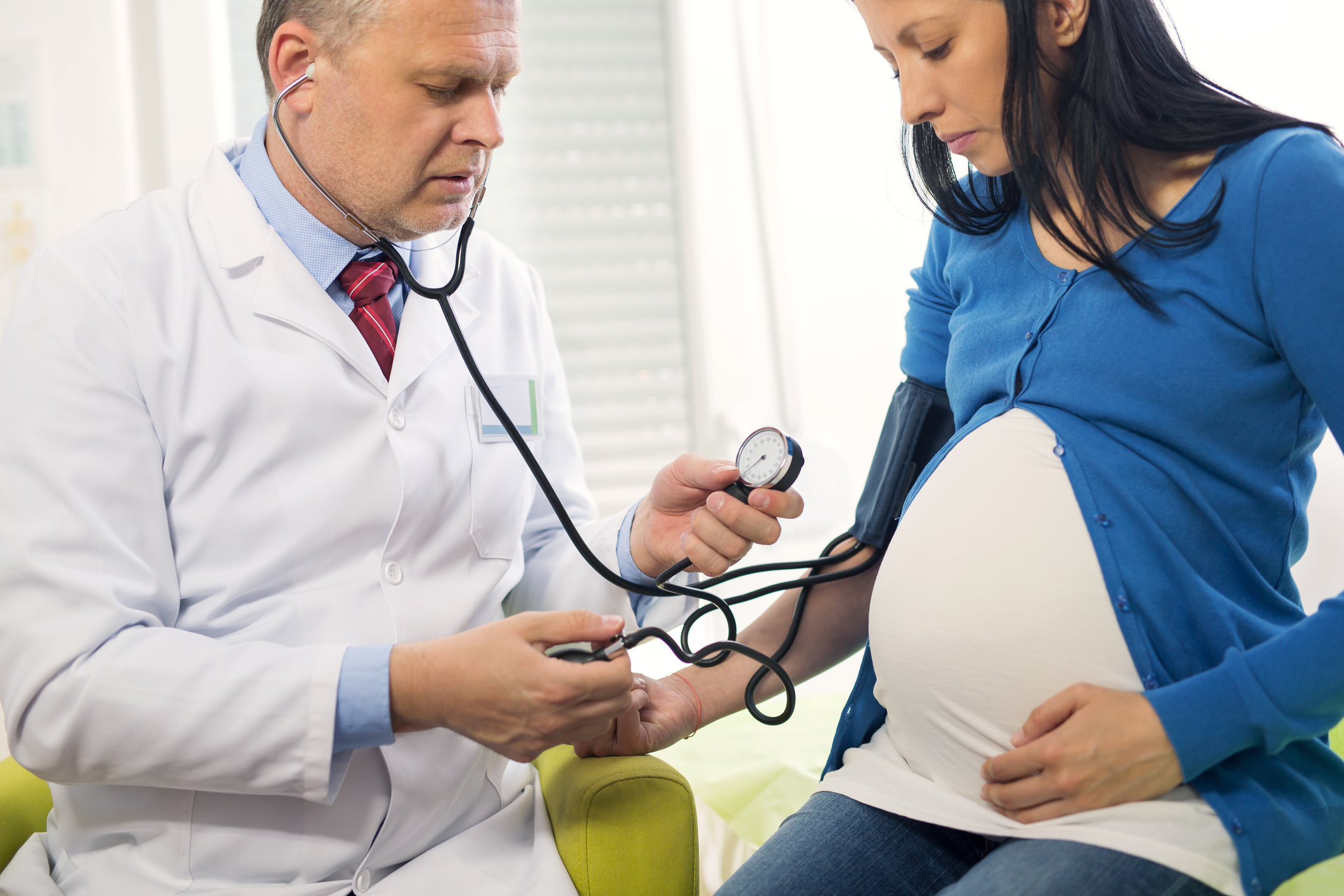
Eclampsia is a condition that causes seizures during pregnancy. It is a rare complication in people with preeclampsia, which causes high blood pressure and protein in urine during pregnancy. Eclampsia generally occurs after the 20th week of pregnancy and requires emergency medical care.

Aside from seizures, people with eclampsia may also experience severe distress, confusion, or loss of consciousness. Before the onset of these symptoms, certain warning signs may occur, such as:

  • Severe headaches
  • Nausea and vomiting
  • Distorted vision or loss of vision
  • Swelling of the hands, face, or ankles
  • Difficulty breathing or urinating
  • Abdominal pain, particularly on the upper right side of the abdomen

A few factors may increase a person’s risk of developing eclampsia. These include:

  • A family or personal history of preeclampsia or eclampsia (though most people with preeclampsia do not develop this condition)
  • Being pregnant for the first time
  • Twins or triplets
  • Autoimmune conditions
  • Obesity
  • Diabetes
  • Kidney disease
  • Pregnancy at an age younger than 17 or older than 35

While certain factors that increase your risk of eclampsia may be beyond your control, there are steps you can take to manage many of them. You should attend all of your pre-natal medical appointments and get prompt care from your doctor as needed, particularly if you experience symptoms of preeclampsia. Additionally, maintaining a healthy weight through a balanced, moderate diet and regular exercise can help to control your blood pressure.

If you have been diagnosed with eclampsia, your doctor may suggest inducing labor if the fetus is at 37 weeks gestation or more, as this is the most effective means of treating the condition and protecting the health of yourself and your baby. During pregnancy, you may also be prescribed medication to prevent seizures, lower blood pressure, and strengthen the fetus’ lungs.

You can receive treatment for eclampsia at Jamaica Hospital Medical Center’s Women’s Health Center. To schedule an appointment, please call (718) 291-3276. If you are experiencing a medical emergency, please dial 911 immediately.

All content of this newsletter is intended for general information purposes only and is not intended or implied to be a substitute for professional medical advice, diagnosis or treatment. Please consult a medical professional before adopting any of the suggestions on this page. You must never disregard professional medical advice or delay seeking medical treatment based upon any content of this newsletter. PROMPTLY CONSULT YOUR PHYSICIAN OR CALL 911 IF YOU BELIEVE YOU HAVE A MEDICAL EMERGENCY.

The Link Between Diabetes and Cancer

Type 2 diabetes and cancer are two of the most common chronic diseases in the United States. Individually, these conditions can be devastating for your health, but certain factors for diabetes may also increase your risk for a few different types of cancer, including pancreatic, liver, colon, breast, bladder, and uterine cancer.

Some risk factors for diabetes and cancer may be outside of your control and, as a result, difficult to manage. These include:

  • Age: Your risk of developing both diabetes and cancer increases with age.
  • Gender: Men are generally at a higher risk of both cancer and diabetes than women.

Most of the factors that affect your risk of diabetes and cancer relate to your diet and lifestyle. These can largely be managed by making healthy adjustments to your regular habits. Manageable risk factors include:

Weight: Excessive body weight is one of the leading risk factors for both diabetes and cancer. Your weight can mainly be managed through diet and regular exercise. Your diet should include plenty of fruits, vegetables, whole grains, and a limited amount of animal protein products such as meat, fish, and dairy.

Activity: Physical inactivity contributes to excessive weight and the development of various other health issues. Regular exercise is crucial for reaching and maintaining a healthy weight and provides significant benefits for your overall physical well-being.

Smoking: Smoking increases your risk for several different forms of cancer. While it is most commonly associated with lung, oral, and esophageal cancer, it can also lead to pancreatic, liver, colon, and bladder cancer.

Alcohol: Excessive alcohol consumption increases your risk of both diabetes and cancer. Stick to the recommended limits (two drinks per day for men, one drink per day for women) to reduce your risk.

Regular screenings for both diabetes and cancer can help you receive the treatment you need as early as possible. To schedule an appointment for a diabetes screening with an endocrinologist, please call Jamaica Hospital Medical Center’s Ambulatory Care Center at (718) 206-7001. To schedule a cancer screening, please contact our Oncology Department at (718) 206-6742.

All content of this newsletter is intended for general information purposes only and is not intended or implied to be a substitute for professional medical advice, diagnosis or treatment. Please consult a medical professional before adopting any of the suggestions on this page. You must never disregard professional medical advice or delay seeking medical treatment based upon any content of this newsletter. PROMPTLY CONSULT YOUR PHYSICIAN OR CALL 911 IF YOU BELIEVE YOU HAVE A MEDICAL EMERGENCY.

How a Plant-Based Diet Can Help Your Heart Health

Plant-based diets, which prioritize foods such as fruits, vegetables, beans, nuts, and whole grains with only small, occasional servings of animal protein, are associated with a lower risk of heart disease at any age. However, not everyone may fully understand what a healthy, nutritious plant-based diet looks like.

A wide variety of foods can fall under the “plant-based” umbrella, with many options not necessarily providing significant benefits to your heart health. Some foods, such as white rice and white bread, are highly processed, meaning that you will not receive many of the necessary nutrients to promote better heart health from them. Other foods that are best avoided include those that are high in sugar, sodium, and extra additives.

A plant-based diet does not have to involve cutting out all meat. You can make beneficial changes for your heart health by keeping your overall meat consumption at a moderate level and by eating healthier types of meat. It is recommended that you stick to unprocessed red meat and poultry, as well as limit your meat portions to approximately three 3.5-ounce servings each week.

Fish can also be a healthy, beneficial element of a plant-based diet. Similarly, however, you should keep your intake at a moderate level, meaning that you should limit your fish consumption to two servings of approximately 3 ounces of fish per week. Fatty fish such as salmon, herring, and mackerel can be a particularly beneficial addition to your diet.

Remember that what you eat is not the only thing that matters when it comes to your heart health; you also need to monitor how much you eat and how physically active you are. Make sure to stay within the recommended number of calories for you to consume each day and to follow an exercise routine that incorporates strength and aerobic activities three days per week.

If you experience heart problems or may be at risk of heart disease, you can schedule an appointment with a cardiologist at Jamaica Hospital Medical Center’s Cardiology Department by calling (718) 206-7100.

All content of this newsletter is intended for general information purposes only and is not intended or implied to be a substitute for professional medical advice, diagnosis or treatment. Please consult a medical professional before adopting any of the suggestions on this page. You must never disregard professional medical advice or delay seeking medical treatment based upon any content of this newsletter. PROMPTLY CONSULT YOUR PHYSICIAN OR CALL 911 IF YOU BELIEVE YOU HAVE A MEDICAL EMERGENCY.