What is Baker’s Lung?

“Baker’s lung” refers to the high risk that bakers, grain millers, and similar professionals face of developing asthma due to regular exposure to certain workplace irritants. Baker’s lung is one of the most common forms of occupational asthma in the United States. Occupational asthma affects up to 25% of people with asthma throughout the country.

The substances that bakers and similar professionals are exposed to during their work day include flour, grains, bread additives, eggs or egg powder, yeast, nuts, and even other common allergens such as dust mites and mold. Taken together, these irritating substances create environments that make bakers one of the most high-risk professions for occupational asthma.

If you are a baker, you may need to work with your employer to ensure that your workplace is able to accommodate your health needs. Occupational asthma triggers can be controlled to reduce or prevent incidents of workplace asthma attacks in the following ways:

  • Using tools such as protective equipment, as well as allergy-friendly ingredients such as low-dust flour, to prevent the creation and inhalation of irritating dust.
  • Ensuring that your work area is properly ventilated.
  • Keeping an inhaler present in the workplace and make sure your employer and coworkers know where it can be found.
  • Ensuring that environmental checks are performed regularly to identify triggering substances in the workplace.

An important part of managing your asthma symptoms while working is ensuring that you’re receiving adequate medical care to control them. If you require a diagnosis or treatment, you can schedule an appointment at Jamaica Hospital Medical Center’s Ambulatory Care Center by calling (718) 206-7001 now.

All content of this newsletter is intended for general information purposes only and is not intended or implied to be a substitute for professional medical advice, diagnosis or treatment. Please consult a medical professional before adopting any of the suggestions on this page. You must never disregard professional medical advice or delay seeking medical treatment based upon any content of this newsletter. PROMPTLY CONSULT YOUR PHYSICIAN OR CALL 911 IF YOU BELIEVE YOU HAVE A MEDICAL EMERGENCY.

Spina Bifida Awareness Month

Approximately 1,400 babies are born with spina bifida in the United States each year. It can affect every child differently, but typically comes in three main forms: spina bifida occulta, meningocele, and myelomeningocele.

Spina bifida occulta, or “hidden” spina bifida, is the most common form of the condition, affecting up to 15% of the general population. It’s also the mildest form of spina bifida; a gap forms in the spine, but no opening or growth develops in a baby’s back and the spinal cord and nerves are left relatively unaffected.

Another form of spina bifida, meningocele, causes a sac of fluid to develop in a baby’s back, but does not contain any part of the spinal cord and causes little to no nerve damage, leading to only minor disabilities.

The most serious form of this condition, myelomeningocele, typically involves a sac of fluid forming within a gap in a baby’s back which may contain part of the spinal cord and nerves, potentially leading to severe disabilities in a person’s lower body.

Spina bifida is usually diagnosed within the first 28 days of pregnancy through an alpha-fetoprotein test, an ultrasound, or an amniocentesis test, though in certain cases, it may be diagnosed after birth.

Several comorbidities are associated with spina bifida. Approximately 68% of children diagnosed with the condition develop a latex allergy. Additionally, it increases a child’s risk of experiencing mental health issues such as anxiety or depression. Eighty percent of children with spina bifida also develop hydrocephalus, a condition which causes an abnormal buildup of fluid in the ventricles of the brain.

Due to the symptoms of spina bifida and the various conditions that may accompany it, people with this condition undergo an average of at least eight surgeries by 18 years of age. Many babies will require spinal surgery to prevent further injury and infection, and babies who also develop hydrocephalus will require a ventricular shunt, which may need to be replaced once they reach two years of age as well as several years later.

While there is no cure for spina bifida, surgery can prevent the condition from worsening. Additionally, pre-natal care can help prevent spina bifida from developing. Four hundred micrograms of folic acid are recommended for new mothers every day before and during early pregnancy. Controlling fevers, body heat, and chronic conditions such as diabetes or obesity can also help.

A doctor can help you identify potential risks and create a treatment plan to prevent spina bifida and other congenital conditions at Jamaica Hospital Medical Center’s Women’s Health Center. To schedule an appointment or receive more information, please call (718) 291-3276.

All content of this newsletter is intended for general information purposes only and is not intended or implied to be a substitute for professional medical advice, diagnosis or treatment. Please consult a medical professional before adopting any of the suggestions on this page. You must never disregard professional medical advice or delay seeking medical treatment based upon any content of this newsletter. PROMPTLY CONSULT YOUR PHYSICIAN OR CALL 911 IF YOU BELIEVE YOU HAVE A MEDICAL EMERGENCY.

3 Conditions an ENT Can Help You Prevent

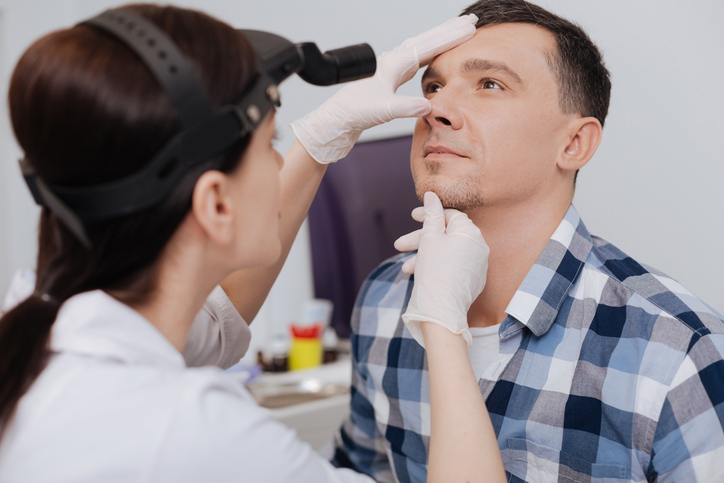
An ear, nose, and throat doctor (also known as an ENT or otolaryngologist) treats a wide range of medical problems every day, including many common diseases and conditions such as sinus infections, ear infections, and tonsillitis. An otolaryngologist’s expertise also covers a variety of rarer health issues, several of which could lead to serious complications. Three of these issues include nasal valve collapse, thyroid cancer, and cerebrospinal fluid (CSF) leaks.

A nasal valve collapse typically occurs as a result of trauma or as a complication of surgery. It can occur in the internal valve, located between the skin and respiratory epithelium, or the external valve, which is comprised of the columella, nasal floor, and nasal rim. The purpose of these valves is primarily to restrict airflow, so when a collapse occurs, the flow of oxygen through your nasal passages may be either severely restricted or entirely blocked. An ENT typically treats a nasal valve collapse through surgery.

An ENT can also diagnose and treat thyroid cancer. Approximately 43,800 people develop this form of cancer each year, with about 2,230 people dying of the disease annually. Thyroid cancer may present through symptoms such as swallowing difficulty, a lump in the neck, and changes in your voice. An ENT can diagnose thyroid cancer through a biopsy and will treat most forms of this disease through surgical removal.

If you experience symptoms such as watery drainage from the nose, back of the throat, or ear, an ENT may diagnose you with a CSF leak through a CT or MRI scan. A CSF leak may allow bacteria to reach the brain or spinal cord, leading to the development of conditions such as meningitis. Most leaks around the ears and sinuses may be repaired through minimally invasive procedures, though certain cases may require a craniotomy.

If you’re experiencing symptoms of any of these conditions, you can schedule an appointment with an ear, nose, and throat specialist at Jamaica Hospital Medical Center’s Ambulatory Care Center by calling (718) 206-7001.

All content of this newsletter is intended for general information purposes only and is not intended or implied to be a substitute for professional medical advice, diagnosis or treatment. Please consult a medical professional before adopting any of the suggestions on this page. You must never disregard professional medical advice or delay seeking medical treatment based upon any content of this newsletter. PROMPTLY CONSULT YOUR PHYSICIAN OR CALL 911 IF YOU BELIEVE YOU HAVE A MEDICAL EMERGENCY.

Sudden Infant Death Syndrome Awareness Month

Sudden Infant Death Syndrome (SIDS) is the leading cause of sudden unexpected infant death, typically affecting babies between one month and one year of age. The cause of SIDS is unknown, but it occurs most frequently in children aged between one and four months, typically while they’re sleeping.

It can be difficult to properly diagnose SIDS as a cause of death in many cases due to the fact that it’s often only determined once other potential causes of death have been ruled out. Although its frequency has drastically decreased in recent years, it still remains a serious threat to newborn children.

Most SIDS deaths occur in boys during the fall, winter, and early spring seasons. Babies that are most often affected are also premature or underweight, have a sibling that died due to SIDS, live in a household with people who smoke, and often sleep on their stomach or side on a sleeping surface that’s too soft. Many of these babies may also overheat during sleep.

Additionally, certain risk factors are linked to a child’s mother, including childbirth at under 20 years of age, smoking while pregnant, and receiving minimal prenatal care.

The best way to prevent SIDS is to eliminate as many of these risk factors as possible. You can:

  • Make sure the baby sleeps on their back
  • Remove soft surfaces, such as fluffy blankets and toys, from sleeping areas
  • Prevent smoking in the presence of the baby and the household in general
  • Breastfeed your baby or provide the closest possible alternative, such as donated milk or formula

If your baby becomes unresponsive during sleep, please dial 9-1-1 to get emergency medical assistance immediately.

All content of this newsletter is intended for general information purposes only and is not intended or implied to be a substitute for professional medical advice, diagnosis or treatment. Please consult a medical professional before adopting any of the suggestions on this page. You must never disregard professional medical advice or delay seeking medical treatment based upon any content of this newsletter. PROMPTLY CONSULT YOUR PHYSICIAN OR CALL 911 IF YOU BELIEVE YOU HAVE A MEDICAL EMERGENCY.

Lupus vs. Multiple Sclerosis: What’s the Difference?

Lupus is a chronic autoimmune condition that affects over 200,000 people in the United States, approximately 90% of whom are women. Due to the rare nature of this disease, it is sometimes misdiagnosed in its early stages. One condition it’s often mistaken for is multiple sclerosis (MS), a more common autoimmune condition affecting over one million Americans.

Lupus is primarily associated with chronic joint pain, skin rashes, fevers, and hair loss, as well as neurological issues such as headaches, seizures, strokes, and personality changes. While these symptoms are less common in people with MS, certain issues typically associated with this condition, such as numbness, blurred vision, weakness, and balancing difficulties, can also present with other common lupus symptoms.

Both lupus and MS tend to cause periodic flare-ups of symptoms such as fatigue and pain. Additionally, both conditions can affect the nervous system and lead to a variety of neurological problems. Certain symptoms, however, are more indicative of one disease than the other, and it’s important to look out for them to ensure that your doctor has the information necessary to make an accurate diagnosis.

Many people with lupus experience a rash on their cheeks and nose that can act as a telltale sign of the disease. Knowing whether a person’s numbness, weakness, or other neurological problems are associated with seizures or strokes can also help to determine whether lupus or MS is the more likely cause.

Several diagnostic procedures are also available to confirm the cause of symptoms. An MRI scan of the brain and spinal cord may be used to diagnose either lupus or MS. If this scan doesn’t provide enough information, your doctor may perform a lumbar puncture to check for MS antigens. For lupus, several blood tests and the AVISE Connective Tissue Disease test can check for antibody measures and other signs of the disease.

If you begin to experience symptoms of either of these conditions, it’s important to speak to a doctor as soon as possible. To schedule an appointment with a neurologist at Jamaica Hospital Medical Center’s Ambulatory Care Center, please call (718) 206-7001.

All content of this newsletter is intended for general information purposes only and is not intended or implied to be a substitute for professional medical advice, diagnosis or treatment. Please consult a medical professional before adopting any of the suggestions on this page. You must never disregard professional medical advice or delay seeking medical treatment based upon any content of this newsletter. PROMPTLY CONSULT YOUR PHYSICIAN OR CALL 911 IF YOU BELIEVE YOU HAVE A MEDICAL EMERGENCY.

What is Sundowning?

If a friend or loved one is displaying symptoms of confusion that occur or worsen in the late afternoon and evening, they may be experiencing sundowning, also known as sundown syndrome.

Sundowning is typically characterized by problems with memory, thinking, reasoning, and mood regulation which present themselves through behaviors such as pacing, wandering, or closely following someone, in addition to more dramatic outbursts of yelling, crying, or violence. A person experiencing sundowning may suffer from paranoia, delusions, or insomnia, as well. Although these symptoms usually occur in the latter half of the day, they can also appear during the morning.

Over 20% of people diagnosed with Alzheimer’s and other forms of dementia suffer from sundown syndrome. The exact causes of sundowning are unknown, but physical discomfort, infections, sleep cycle disruptions, overstimulation, and low lighting can all worsen its symptoms.

Managing triggers is the best way to prevent or decrease the severity of sundowning episodes. Light therapy, music therapy, and familiar environments can also help. Additionally, antidepressant, anti-anxiety, or antipsychotic medications may provide relief in some cases. For people whose sundowning symptoms are linked to sleep-related triggers, melatonin can be used to help restore a normal sleep cycle.

It’s important to get a loved one suffering from sundown syndrome to a doctor as soon as possible and to advocate for them throughout the treatment process to ensure that any issues they can’t communicate on their own are identified promptly. Schedule an appointment at Jamaica Hospital Medical Center’s Ambulatory Care Center now by calling (718) 206-7001.

All content of this newsletter is intended for general information purposes only and is not intended or implied to be a substitute for professional medical advice, diagnosis or treatment. Please consult a medical professional before adopting any of the suggestions on this page. You must never disregard professional medical advice or delay seeking medical treatment based upon any content of this newsletter. PROMPTLY CONSULT YOUR PHYSICIAN OR CALL 911 IF YOU BELIEVE YOU HAVE A MEDICAL EMERGENCY.

National School Backpack Awareness Day

As students begin a new school year, Jamaica Hospital Medical Center is taking the opportunity to inform our community about backpack usage, potential medical issues that it can cause, and ways to prevent these issues for National School Backpack Awareness Day.

Most students use backpacks to carry the books and supplies they need for school each day, often hauling loads weighing as much as 20% of their body weight. When students frequently carry this kind of weight, the muscles and joints in their back, neck, and shoulders can become strained or injured due to continuous stress. This can also lead to posture problems, causing misalignment in the musculoskeletal system, interfering with proper joint movement and function, and wearing away the spine.

Your child’s choice of backpack can substantially help to avoid these problems. Look for a backpack that:

  • Fits your child properly
  • Features two wide, padded shoulder straps and a waist strap
  • Has a padded back
  • Is lightweight

These features are most helpful when utilized properly. All straps on a backpack should be tightened to keep the load as close to a student’s back as possible, reducing the stress it places on their muscles. Additionally, keep the heaviest items low and toward the center of the backpack, removing any items that aren’t necessary for the day. Lastly, be sure your child is lifting the weight of the backpack from their knees, not their back.

If your child is experiencing frequent or chronic back pain, you can schedule an appointment with a doctor at Jamaica Hospital’s Ambulatory Care Center to diagnose and treat the problem by calling (718) 206-7001.

All content of this newsletter is intended for general information purposes only and is not intended or implied to be a substitute for professional medical advice, diagnosis or treatment. Please consult a medical professional before adopting any of the suggestions on this page. You must never disregard professional medical advice or delay seeking medical treatment based upon any content of this newsletter. PROMPTLY CONSULT YOUR PHYSICIAN OR CALL 911 IF YOU BELIEVE YOU HAVE A MEDICAL EMERGENCY.

What Is Anemia?

Anemia is the most common blood condition in the United States and affects over two billion people globally. More women suffer from iron deficiency anemia than men. Anemia reduces the number of healthy red blood cells available to carry oxygen throughout your body, leaving you feeling tired and weak.

The symptoms of anemia can range from mild and temporary to chronic and severe, potentially causing life-threatening complications such as heart failure. Severe symptoms may be more likely for people over the age of 65.

The severity of anemia mainly depends on its cause, which can include factors such as:

  • Deficiency of iron, folate, or vitamin B-12
  • Acute or chronic inflammatory diseases
  • Radiation and chemotherapy
  • Infections and autoimmune diseases
  • Exposure to toxic chemicals
  • Bone marrow disease
  • Blood disease
  • Genetics

Not all forms of anemia are preventable, particularly if it’s inherited genetically or the result of a condition with unclear causes. Increasing your intake of foods rich in iron, folate, and vitamins B-12 and C can help prevent certain forms of anemia or manage anemic symptoms.

Additionally, you may be able to prevent anemia associated with other conditions by managing the risk factors of those conditions. This may include reducing your intake of alcohol or avoiding exposure to toxic substances as much as possible.

A hematologist can provide treatment to help relieve anemia symptoms through intravenous infusions, red blood cell transfusions, bone marrow transplants, erythropoietin injections, or surgery to stop internal bleeding that may cause the condition.

If you’re looking for a diagnosis or anemia treatment, you can schedule an appointment with a hematologist at Jamaica Hospital Medical Center by calling (718) 206-7001.

All content of this newsletter is intended for general information purposes only and is not intended or implied to be a substitute for professional medical advice, diagnosis or treatment. Please consult a medical professional before adopting any of the suggestions on this page. You must never disregard professional medical advice or delay seeking medical treatment based upon any content of this newsletter. PROMPTLY CONSULT YOUR PHYSICIAN OR CALL 911 IF YOU BELIEVE YOU HAVE A MEDICAL EMERGENCY.

Head Lice Prevention Month

Since 1985, healthcare organizations have informed communities about head lice symptoms, diagnosis, and prevention for National Pediculosis Prevention Month, also known as Head Lice Prevention Month.

Although reliable data isn’t available on this condition, pediculosis (head lice infestation) is fairly common. According to the Centers for Disease Control and Prevention, approximately six to 12 million infestations affect children between the ages of three to 11 each year. Adults can also develop infestations through contact with both children and other adults.

Head lice typically spread through contact with the hair of an infested person, though it can also occur when people share clothes or lay on furniture after an infested person has recently used them. Lice typically remain on a person’s scalp; however, in rare instances, they may move to the eyelashes or eyebrows.

Signs of pediculosis include the feeling of something moving through the hair, itching, the development of sores on the scalp, and difficulty sleeping due to the increased activity of head lice in the dark. A diagnosis is generally made when live head lice are found on the scalp.

You can prevent the spread of head lice by teaching your child to avoid sharing clothes or supplies, using furniture recently used by an infested person, or coming into head-to-head contact with friends or classmates. It’s also helpful to encourage them to regularly comb their hair. You can keep yourself free of head lice by following these recommendations, as well.

If an infestation has already developed, lice removal kits are a non-chemical solution for combing lice out of an infested person’s hair. Several over-the-counter and prescription lice removal shampoos, creams, lotions, and drugs are also available.

If you or your child need a diagnosis or treatment for head lice, schedule an appointment at Jamaica Hospital Medical Center’s Ambulatory Care Center at (718) 206-7001.

All content of this newsletter is intended for general information purposes only and is not intended or implied to be a substitute for professional medical advice, diagnosis or treatment. Please consult a medical professional before adopting any of the suggestions on this page. You must never disregard professional medical advice or delay seeking medical treatment based upon any content of this newsletter. PROMPTLY CONSULT YOUR PHYSICIAN OR CALL 911 IF YOU BELIEVE YOU HAVE A MEDICAL EMERGENCY.

Sickle Cell Awareness Month

Over 100,000 Americans suffer from sickle cell disease. According to the National Heart, Lung, and Blood Institute, Black and Hispanic-American babies are most often born with the disease. Additionally, one in every 13 Black babies is born with sickle cell trait (HbAS), which generally doesn’t cause symptoms of sickle cell disease, but may lead to health issues in response to physical stresses such as dehydration or strenuous physical exercise.

A person with sickle cell disease has abnormal hemoglobin, causing their red blood cells to become hard and sticky. These cells form into a shape resembling a sickle and have a short life cycle, leading to a constant shortage of red blood cells and symptoms that include pain, infections, strokes, and acute chest syndrome.

There are also several different forms of sickle cell disease. Common types include:

  • Sickle cell anemia (HbSS), which causes standard sickle cell disease symptoms as well as potential issues such as delayed puberty and vision problems
  • HbSC, a typically mild form of sickle cell disease
  • HbS beta thalassemia, in which a child inherits the genes for both sickle cell disease and beta thalassemia, another cause of abnormal hemoglobin

Rare forms of sickle cell disease include:

  • HbSD, in which a child inherits the sickle cell “S” gene and a “D” gene
  • HbSE, in which a child inherits the “S” and “E” genes
  • HbSO, in which a child inherits the “S” and “O” genes

Sickle cell disease can be diagnosed through a blood test shortly after a baby’s birth or through a sample of the amniotic fluid surrounding a baby in the womb. A blood test can also be used to diagnose an adult with sickle cell disease.

People with sickle cell disease can manage their symptoms by staying hydrated, regulating their body temperature, and avoiding spaces with low oxygen levels. Practicing good hand hygiene can also help.

If you need help managing symptoms of sickle cell disease or sickle cell trait, schedule an appointment with a hematologist at Jamaica Hospital Medical Center’s Department of Internal Medicine at (718) 206-7001.

All content of this newsletter is intended for general information purposes only and is not intended or implied to be a substitute for professional medical advice, diagnosis or treatment. Please consult a medical professional before adopting any of the suggestions on this page. You must never disregard professional medical advice or delay seeking medical treatment based upon any content of this newsletter. PROMPTLY CONSULT YOUR PHYSICIAN OR CALL 911 IF YOU BELIEVE YOU HAVE A MEDICAL EMERGENCY.