
 Oily skin is a common skin type that occurs when the body’s sebaceous (oil) glands produce excess sebum, making skin look shiny.
Other characteristics of oily skin include pores that appear open or enlarged, especially on the T-zone (forehead, nose, and chin), greasy-feeling skin, a tendency toward breakouts, and a thicker dermis layer compared with other skin types.
Although oily skin can lead to breakouts and other cosmetic problems, having oily skin does have a few advantages:
- Oil helps keep the skin hydrated and prevents excessive dryness
- Oily skin tends to look more supple because it retains water better than dry skin
- Fine lines and wrinkles may become noticeable later when compared to dry skin
- The skin barrier can be more resilient against environmental stressors.
Oily skin can be caused by several factors, including:
- Hormonal changes
- Genetics
- Using products that are not suitable for your skin
- Overwashing skin
- Environmental factors such as climate and weather (hot and humid environments may increase skin oiliness)
- Age (teenagers and young adults tend to produce more oil than older adults)
- Stress
The American Academy of Dermatology says the key to managing oily skin is balancing the skin’s natural moisture without stripping it. The goal is to keep your skin barrier healthy while reducing excess sebum. This balance can be achieved by following a daily routine that may include:
- Gently washing your skin twice a day with a mild foaming face wash or cleanser. It is recommended that you avoid using oil-based or alcohol-based cleansers
- Using a lightweight, oil-free, non-comedogenic moisturizer
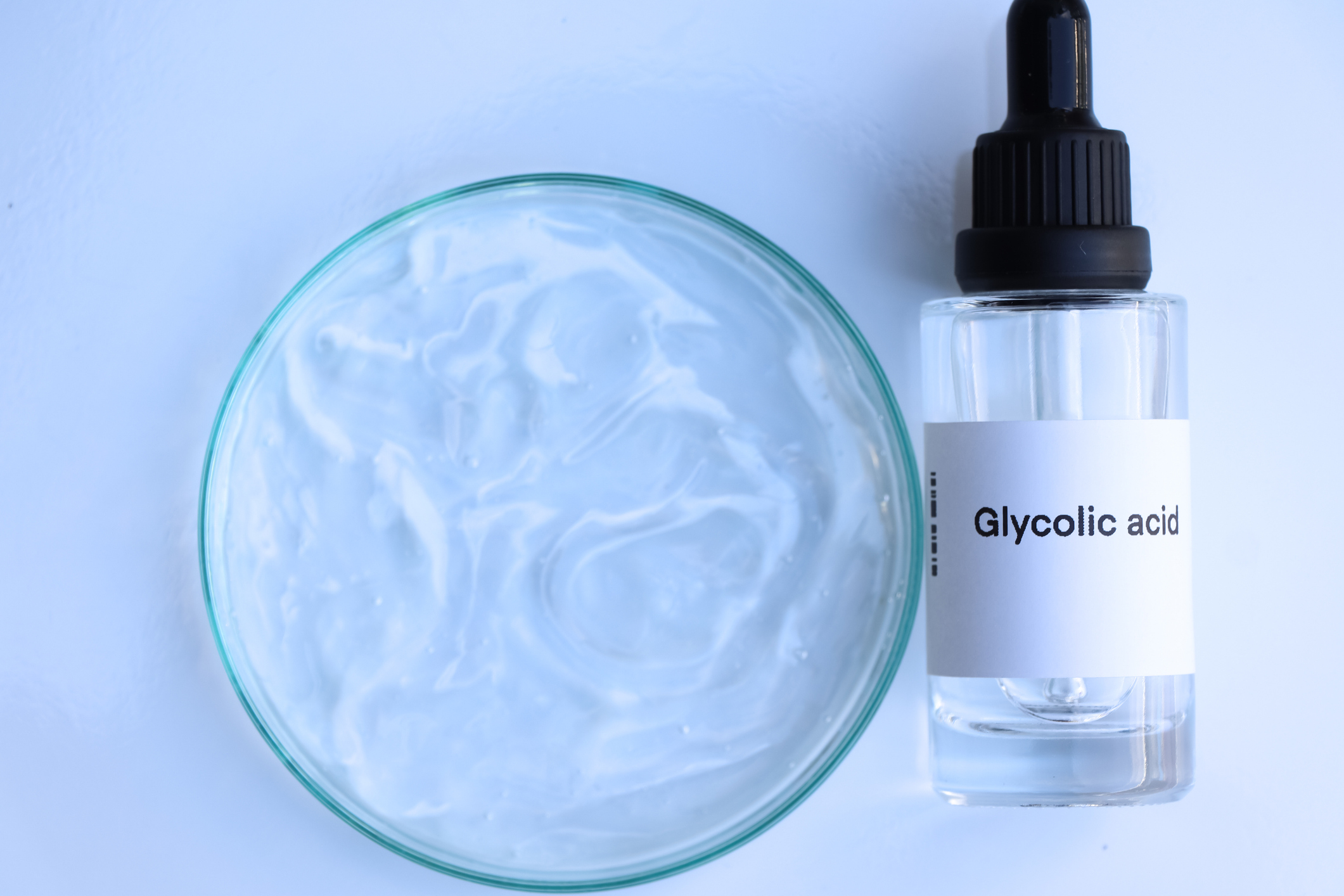
- Using products containing ingredients that help regulate oil such as niacinamide, salicylic acid, glycolic acid, lactic acid, or retinoids
- Using oil-free, water-based makeup
- Wearing sunscreen
Dermatologists recommend sticking to a consistent and simple routine. They may also emphasize good skin hygiene, such as not sleeping in your makeup, avoiding touching your face, and not picking pimples.
If oily skin persists, suddenly worsens, or is accompanied by significant acne, consult a dermatologist to identify underlying causes and recommend a personalized treatment plan. Treatment may involve topical prescriptions, hormonal medications, or in-office procedures such as chemical peels or laser and light-based treatments.
To schedule an appointment with a dermatologist at Jamaica Hospital Medical Center, please call 718-206-7001.
 Follow
All content of this newsletter is intended for general information purposes only and is not intended or implied to be a substitute for professional medical advice, diagnosis or treatment. Please consult a medical professional before adopting any of the suggestions on this page. You must never disregard professional medical advice or delay seeking medical treatment based upon any content of this newsletter. PROMPTLY CONSULT YOUR PHYSICIAN OR CALL 911 IF YOU BELIEVE YOU HAVE A MEDICAL EMERGENCY.