
How Does Negative News Affect Your Mental Health?

Current events in the news have been very tense, stressful, and depressing. The constant barrage of negative news on local and cable news stations, as well as social media, feels never-ending.  

Watching or reading the news can have a negative impact on our mental health.  

When we watch news footage that upsets us, our body’s “fight or flight” response is activated. Adrenaline and the stress hormone cortisol are released, causing us to experience symptoms similar to those we feel when we are in danger, such as a rapid heart rate, shallow breathing, and an upset stomach, among others. 

Negative news can increase symptoms of depression and anxiety. According to Mental Health America (MHA), one study found that people showed an increase in symptoms after only 14 minutes of news consumption. The symptoms worsen when people feel they have no ability to improve the situations they are learning about on the news.  

As these symptoms worsen, they can cause a person to doomscroll. Doomscrolling is when a person actively seeks saddening or negative material to read or scroll through on social media or news media outlets. Doomscrolling can also greatly impact your mental health as it reinforces negative thoughts and a negative mindset, and can also cause feelings of: 

  • Apprehension 
  • Sadness and anger 
  • Uncertainty about the future 

Doomscrolling has many potential effects, including: 

  • May worsen mental health issues 
  • May lead to insomnia 

Doomscrolling can be attributed to someone relying on social media for their news, which can drive addictive behavior. In 2020, the Pew Research Center found that about 53% of U.S. adults said they “often” or “sometimes” get their news from social media. Among the social media sites where they get their news from, 36% of Americans regularly get their news from Facebook, 23% from YouTube, and 15% from Twitter/X.  

Regularly getting your news can be detrimental as clickbait headlines, mis- and disinformation, and social media algorithms are designed to keep you coming back for more, making it difficult to stop returning to apps for your news.  

People are more likely to be negatively affected by the news when it is personally relevant to them and when they share an identity with the people involved in the news story. This is the case for members of the BIPOC and LGBTQIA+ communities because they are more often targets of violence and hate crimes. 

With all the negative news, there are many ways to support ourselves and each other during these times, such as: 

  • Identifying your triggers by taking time to think about the topics that cause symptoms of anxiety and depression, so you can limit your consumption of media with triggering content 
  • Reading the news instead of watching news videos. Studies done by the American Psychological Association (APA) show that this can be less triggering due to written news articles containing less disturbing imagery 
  • Limiting your time watching or reading the news. Although doomscrolling may help you feel more informed, it ultimately does more harm than good. Aim for no more than 30 minutes a day if possible 
  • Engaging in an enjoyable activity after taking in the news to help you decompress 
  • Getting involved with a group that is working on the issues you are passionate about can help you feel empowered to make a change instead of feeling helpless about the world around you 
  • Joining a supportive community of people who share a common identity, such as an affinity group, can help foster resilience and create solidarity during these difficult times of prejudice or injustice 
  • Being conscious of where your news sources come from, as some can be more based on opinions than facts. Make sure the information you’re getting is accurate and provides diverse perspectives 
  • Focusing more on what brings you joy and happiness, such as engaging in social activities, spiritual practices, physical movement, mindfulness and gratitude practices, creative hobbies, journaling, or spending time with a pet 

Today’s 24-hour news cycle can seem difficult to stay clear of. If you need the assistance and support of a mental health professional at Jamaica Hospital Medical Center, please call 718-206-5575 to schedule an appointment. 

All content of this newsletter is intended for general information purposes only and is not intended or implied to be a substitute for professional medical advice, diagnosis or treatment. Please consult a medical professional before adopting any of the suggestions on this page. You must never disregard professional medical advice or delay seeking medical treatment based upon any content of this newsletter. PROMPTLY CONSULT YOUR PHYSICIAN OR CALL 911 IF YOU BELIEVE YOU HAVE A MEDICAL EMERGENCY.

High Functioning Depression

Depression is a mental health disorder characterized by a persistent feeling of sadness, hopelessness, or a loss of interest in things once enjoyed.

Depression affects approximately eight percent of adults living in the United States each year.  Several of whom may experience debilitating symptoms that can affect their ability to keep up with the demands of day-to-day life.

While the symptoms of depression can present significant challenges for some individuals—affecting their work, relationships, and social lives—others may appear to cope successfully with their symptoms. The term “high-functioning depression” describes people who live with depression and seem to manage well on the outside, even though they are struggling with symptoms internally.

It’s important to note that high-functioning depression is not an official clinical diagnosis. Instead, the term emphasizes the experience of living with depression while still functioning or meeting the demands of everyday life.

The symptoms of high-functioning depression are generally similar to those of major depressive disorder; however, the intensity and frequency may vary, with symptoms sometimes considered mild or moderate. These symptoms can include:

  • Feelings of hopelessness
  • Persistent sadness
  • Irritability
  • Loss of interest or pleasure
  • Difficulty concentrating
  • Trouble sleeping
  • Fatigue
  • Changes in appetite

Although the intensity or frequency of symptoms in individuals who seem high-functioning may not be debilitating, they should not be overlooked. It is crucial to seek help. There is no shame in reaching out to a mental health professional and building a support system.

Treatment for depression may include a combination of psychotherapy or talk therapy, medications, brain stimulation therapies, complementary medicine, or lifestyle modifications.

To schedule an appointment with a mental health provider at Jamaica Hospital Medical Center, please call 718-206-5575.


All content of this newsletter is intended for general information purposes only and is not intended or implied to be a substitute for professional medical advice, diagnosis or treatment. Please consult a medical professional before adopting any of the suggestions on this page. You must never disregard professional medical advice or delay seeking medical treatment based upon any content of this newsletter. PROMPTLY CONSULT YOUR PHYSICIAN OR CALL 911 IF YOU BELIEVE YOU HAVE A MEDICAL EMERGENCY.

Why Do We Eat When We Are Stressed?

Stress can impact our health in various ways, including our eating behaviors. It can influence our appetite, how much we eat, and the types of food we choose. Studies show that stressful events activate systems associated with metabolism, cognition, and reward.

When a person is stressed or overwhelmed, their body produces cortisol, the hormone that creates the body’s fight-or-flight response to help protect itself. When a person has elevated cortisol levels for a prolonged period of time, such as during repeated and constant stressors, this can lead to fat storage, weight gain, and increased consumption of foods that are energy-dense and high in sugar and fat. These types of foods are “comfort” foods that can seem like they are counteracting stress; however, they may contribute to a person’s stress-induced craving for those foods.

There are several ways to manage stress eating, including:

  • Practicing mindful eating
  • Finding healthier options for your sweet or savory cravings
  • Watching your portion sizes
  • Meditating
  • Exercising
  • Finding sources of social support

If you need the assistance and support of a mental health professional at Jamaica Hospital Medical Center, please call 718-206-5575 to schedule an appointment.


All content of this newsletter is intended for general information purposes only and is not intended or implied to be a substitute for professional medical advice, diagnosis or treatment. Please consult a medical professional before adopting any of the suggestions on this page. You must never disregard professional medical advice or delay seeking medical treatment based upon any content of this newsletter. PROMPTLY CONSULT YOUR PHYSICIAN OR CALL 911 IF YOU BELIEVE YOU HAVE A MEDICAL EMERGENCY.


National Depression Screening Day

National Depression Screening Day was created to bring light to the need for depression awareness and the need for accessible and affordable mental health screenings.

Depression is one of the most common mental illnesses. Clinical depression affects men and women of all ages, races, and socioeconomic groups. Several different factors can often come into play with depression that can include a mix of environmental, genetic, psychological, biological, and biochemical components.

Not everyone experiences depression in the same way, however, it can affect anyone at any time. It is important to take the step to seek out professional help and be screened if you or someone you care about feels they may be depressed.

There are several reasons why it is important to screen for depression including:

  • Clinical depression is a serious medical illness
  • Clinical depression can lead to suicide
  • Sometimes people with depression mistakenly believe that the symptoms of depression are a “normal part of life”
  • Depression can co-occur and complicate other medical conditions
  • Screenings are often the first step in getting help

People suffering from depression often experience some of these key symptoms:

  • A persistent sad, anxious, or “empty” mood
  • Sleeping too little, early morning awakening, or sleeping too much
  • Reduced appetite and weight loss, or increased appetite and weight gain
  • Loss of interest or pleasure in activities once enjoyed
  • Restlessness or irritability
  • Difficulty concentrating, remembering, or making decisions
  • Fatigue or loss of energy
  • Thoughts of death or suicide

Screenings are not a professional diagnosis. Screenings point out the presence or absence of depressive symptoms and provide a referral for further evaluation if needed. You should see your doctor or a qualified mental health professional if you experience five or more of these symptoms for longer than two weeks or if the symptoms are severe enough to interfere with your daily routine.

Only about a third (35.3%) of those suffering from severe depression seek treatment from a mental health professional. Not receiving the assistance needed can lead to adverse health outcomes and affect a person’s quality of life. If you need the assistance and support of a mental health professional at Jamaica Hospital Medical Center, please call 718-206-5575, to schedule an appointment.


All content of this newsletter is intended for general information purposes only and is not intended or implied to be a substitute for professional medical advice, diagnosis or treatment. Please consult a medical professional before adopting any of the suggestions on this page. You must never disregard professional medical advice or delay seeking medical treatment based upon any content of this newsletter. PROMPTLY CONSULT YOUR PHYSICIAN OR CALL 911 IF YOU BELIEVE YOU HAVE A MEDICAL EMERGENCY.

How Bipolar Disorder Can Affect Your Sleep

Getting the appropriate amount of sleep, along with maintaining a nutritious diet and exercising regularly are considered the three most important aspects to living a healthy lifestyle. For those living with bipolar disorder however, getting the right amount of sleep is both very important and a major challenge.

Bipolar disorder, also referred to as manic depression, is a mental health condition that causes extreme mood swings that include emotional highs (mania or hypomania) and lows (depression). While experiencing the manic or hypomanic phase of the illness, those with bipolar disorder can go on little or no sleep for lengthy periods of time.  Conversely, during the depression or low phase, individuals may require excessive amounts of sleep (up to 14 hours per day).

Bipolar disorder can affect sleep in many ways, including:

  • Insomnia – Insomnia includes not only difficulty falling asleep, but problems staying asleep or getting too little sleep.
  • Hypersomnia – A condition marked by over-sleeping, which is sometimes even more common than insomnia during periods of depression in bipolar disorder.
  • Delayed sleep phase syndrome – Delayed sleep phase syndrome is a circadian rhythm disturbance. It can be associated with depression.
  • Irregular sleep-wake schedule – When people with bipolar disorder have a lack of a sleep routine, the irregular cycle can greatly interfere with appropriate treatment of the disorder.
  • Nightmares, vivid dreams and night terrors – These may also affect people with bipolar disorder.

Disrupted sleep can aggravate a mood disorder so it’s important to address some of the issues that can affect sleep.  There are several ways a person with bipolar disorder can attempt to get regular sleep. These methods are known as sleep hygiene and can include:

  • Creating a schedule – Establishing a regular time to go to sleep and to wake up can be beneficial as it can reduce the changes in mood that accompany bipolar disorder.
  • Optimizing your bedroom – Try making the bedroom as comfortable as possible. This can include having the right kind of bedding and pillows as well as eliminating light, noise, and other distractions.
  • Limiting activities – The bedroom is a place reserved for sleeping. Try to limit other activities, such as watching TV or working on your laptop, in the bedroom.
  • Diet and exercise – Avoiding alcohol and caffeine use before bedtime as well as eating large meals can help improve sleep. It’s also a good idea to keep a few hours between exercise and bedtime.
  • Take time to relax – If you can, wind down before bedtime. Consider a warm bath, some pleasure reading, or meditating before turning off the lights.

Your doctor may also suggest light therapy, certain medications or sleep aides to help you improve your sleep patterns. To make an appointment with a mental health professional at Jamaica Hospital Medical Center’s outpatient Mental Health Center, please call 718-206-5575.

All content of this newsletter is intended for general information purposes only and is not intended or implied to be a substitute for professional medical advice, diagnosis or treatment. Please consult a medical professional before adopting any of the suggestions on this page. You must never disregard professional medical advice or delay seeking medical treatment based upon any content of this newsletter. PROMPTLY CONSULT YOUR PHYSICIAN OR CALL 911 IF YOU BELIEVE YOU HAVE A MEDICAL EMERGENCY.

How COVID-19 Can Affect Your Mental Health

Many people who were diagnosed with COVID-19 over the past year and a half have reported a variety of long-term symptoms.  The conditions that have received the most attention focus on either the physical effects of the virus, such as shortness of breath or fatigue or cognitive deficits, such as confusion or memory loss. For some, however, there are other lingering symptoms that can affect their mental health.

Recent research has concluded that nearly one person in five diagnosed with COVID-19 now also suffers some form of a mental health disorder. This can include:

  • Anxiety
  • Depression
  • Insomnia

Other patients may experience Post Traumatic Stress Disorder (PTSD).  Patients experiencing PTSD typically have spent time in a hospital, more specifically in an intensive care unit, or were on a ventilator.

While it is difficult to determine is if these mental health symptoms emerge in patients as a result of neurological reaction to the virus or are due to the stresses of contracting the virus, it is important to raise awareness of the issue and provide resources to get these individuals the necessary help.

Jamaica Hospital Medical Center’s Post-COVID Care Center, located in our MediSys Hollis Tudors Center at 2001-16 Hollis Avenue, offers comprehensive range of services for those living with lingering effects of the virus, mental health services delivered by highly qualified psychiatrists. To make an appointment, please call 718-736-8204.

All content of this newsletter is intended for general information purposes only and is not intended or implied to be a substitute for professional medical advice, diagnosis or treatment. Please consult a medical professional before adopting any of the suggestions on this page. You must never disregard professional medical advice or delay seeking medical treatment based upon any content of this newsletter. PROMPTLY CONSULT YOUR PHYSICIAN OR CALL 911 IF YOU BELIEVE YOU HAVE A MEDICAL EMERGENCY.
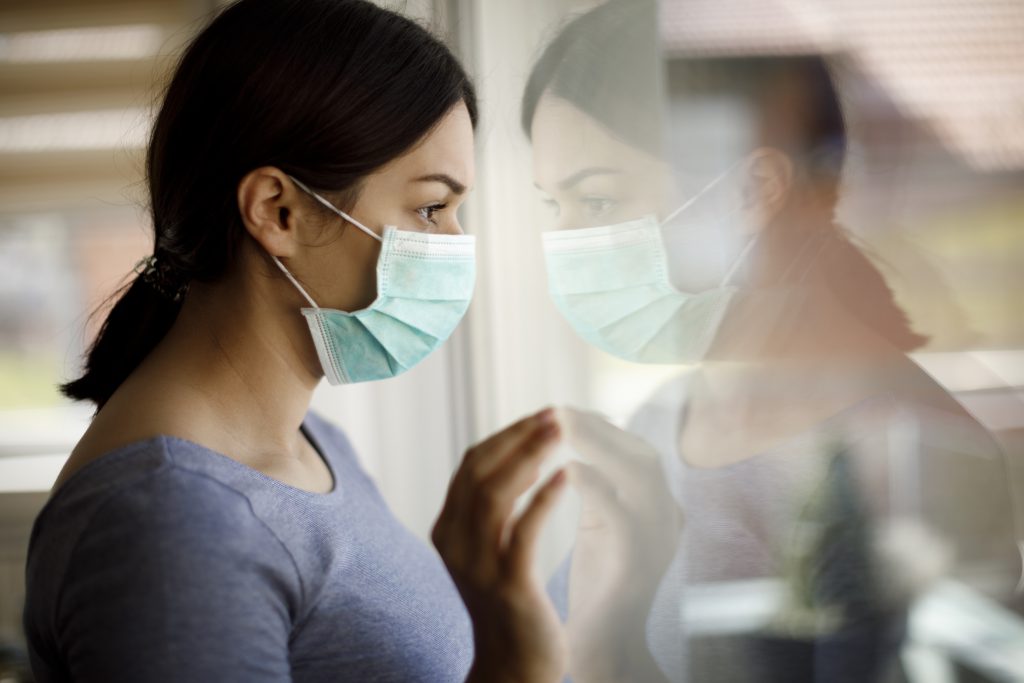
Information About Depression

Depression is a mood disorder that makes you feel constant sadness or lack of interest in life.  It can affect how a person feels, thinks and behaves. It can lead to a variety of emotional and physical problems. Those living with depression have trouble doing normal day-to-day activities, and sometimes may feel as if life isn’t worth living.

While everyone experiences feelings of sadness at some point in their life, those with clinical depression have prolonged periods of feeling helpless, hopeless, and worthless. These feelings are not always tied to a specific incident and can last for many days to weeks. Depression can occur in children, adolescents and adults. Although someone can experience depression only once in their life, most who suffer with depression experience recurring episodes.

Some of the symptoms of depression include:

  • Feelings of sadness, tearfulness, emptiness or hopelessness
  • Angry outbursts, irritability or frustration, even over small matters
  • Loss of interest or pleasure in most or all normal activities, such as sex, hobbies or sports
  • Sleep disturbances, including insomnia or sleeping too much
  • Tiredness and lack of energy, so even small tasks take extra effort
  • Reduced appetite and weight loss or increased cravings for food and weight gain
  • Anxiety, agitation or restlessness
  • Slowed thinking, speaking or body movements
  • Feelings of worthlessness or guilt, fixating on past failures or self-blame
  • Trouble thinking, concentrating, making decisions and remembering things
  • Frequent or recurrent thoughts of death, suicidal thoughts, suicide attempts or suicide
  • Unexplained physical problems, such as back pain or headaches

For many people with depression, symptoms usually are severe enough to cause noticeable problems in day-to-day activities, such as work, school, social activities or relationships with others. Some people may feel generally miserable or unhappy without really knowing why.

There is no known singular cause for depression. Instead, health professionals point to a combination of contributing factors including a person’s brain structure and chemistry. Hormone and genetics are also believed to play a role.

Help is available for those with depression. A mental health professional can conduct an evaluation and outline a course of treatment based on the patient’s individual needs. Treatment may include:

  • Medications – These can include a combination of antidepressants, mood stabilizers, antipsychotic, anti-anxiety or stimulant medications
  • Psychotherapy – Talking to a mental health professional on a regular basis about your depression and other issues can help treat the symptoms.
  • Electroconvulsive therapy – This brain stimulation therapy passes electric currents through your brain to help your neurotransmitters work better.
  • Transcranial magnetic stimulation – This treatment uses a coil to send magnetic pulses through your brain to help stimulate nerve cells that regulate mood.

Some with depression may experience thoughts of hurting themselves or others. If someone you know is depressed and you think they may hurt themselves or attempt suicide, call 911immediately.

All content of this newsletter is intended for general information purposes only and is not intended or implied to be a substitute for professional medical advice, diagnosis or treatment. Please consult a medical professional before adopting any of the suggestions on this page. You must never disregard professional medical advice or delay seeking medical treatment based upon any content of this newsletter. PROMPTLY CONSULT YOUR PHYSICIAN OR CALL 911 IF YOU BELIEVE YOU HAVE A MEDICAL EMERGENCY.

Seasonal Affective Disorder

Seasonal Affective Disorder (SAD) is a type of depression experienced by people during the beginning of the fall months through winter. 

Seasonal Affective Disorder

The exact cause of Seasonal Affective Disorder is unknown; however, according to the American Psychiatric Association, “SAD has been linked to a biochemical imbalance in the brain prompted by shorter daylight hours and less sunlight in winter.” Decreased levels of sunlight have been found to disrupt melatonin (a hormone that regulates our sleep-wake cycle) and serotonin (a chemical that regulates mood) levels in the body.

Those affected by the disorder may find that they have sleep issues, difficulty concentrating, and increased cravings for unhealthy foods that can contribute to weight gain and low energy, as well as other symptoms associated with depression such as feelings of hopelessness or thoughts about suicide.

Treatment for SAD may include phototherapy, medications and psychotherapy. Your doctor may also recommend lifestyle changes such as increasing your exposure to natural light.  This can be achieved by doing more outdoor activities such as walking, jogging and hiking.  Increasing physical activity is also strongly encouraged as this has been found time and time again, to reduce levels of stress and anxiety which improve symptoms of SAD. In addition to improving your mood, physical activity can help to control or lose weight.  

Paying attention to your eating habits is very important. Those with SAD are at an increased risk for emotional eating and making poor dietary choices. Eating a healthy, well-balanced diet can help you to manage your weight and sustain energy. Avoiding alcohol is highly recommended. Alcohol acts as a depressant, which in excess can worsen depressive symptoms

Practicing meditation or yoga  as well as receiving acupuncture or massage therapy have been found to decrease anxiety and stress levels, improving mental and physical health overall. It is also important to surround yourself with friends and family, this allows for less alone time and strong social support.

If the symptoms of SAD persist, consider cognitive psychotherapy and or SSRI (selective serotonin reuptake inhibitors) treatment to relieve depressive symptoms and address underlying difficulties.

If you are struggling with SAD, you do not need to feel alone. It is estimated that 10-20% of Americans suffer from SAD. It is important to seek help if you are experiencing issues at work or school, substance abuse or other signs of mental health disorders, especially suicidal thoughts.

To speak with or see a Family Medicine doctor about Seasonal Affective Disorder, please call  718- 206-6942

Marwa Eldik M.D.

All content of this newsletter is intended for general information purposes only and is not intended or implied to be a substitute for professional medical advice, diagnosis or treatment. Please consult a medical professional before adopting any of the suggestions on this page. You must never disregard professional medical advice or delay seeking medical treatment based upon any content of this newsletter. PROMPTLY CONSULT YOUR PHYSICIAN OR CALL 911 IF YOU BELIEVE YOU HAVE A MEDICAL EMERGENCY.

Perinatal Generalized Anxiety Disorder

Awaiting the arrival of your child or becoming a mother should be a time of great hope and happy anticipation, but for some, it can bring a wave of depression and anxiety. If you are experiencing depression and anxiety that occurred during or within one year after your pregnancy, you may have Perinatal Generalized Anxiety Disorder (GAD).

GAD is usually prevalent in those who have a history of depression, anxiety or substance abuse, a family history of mental illness, lack of a good support system, issues with a previous pregnancy or schedule and hormonal changes.

Some common signs of GAD are:

  • Feeling sad, depressed, and/or crying a lot
  • Diminished interest in becoming a mother
  • Feeling worthless or guilty, especially about not being a good mother
  • Strong anxiety, tension, and/or fear either about your future child or other things
  • Sleep problems
  • Thoughts of wanting to be dead or wanting to kill yourself
  • Having low energy
  • Loss of or increase in appetite or weight
  • Trouble focusing, remembering things, or making decisions
  • Feeling restless or irritable
  • Having headaches, chest pains, heart palpitations, numbness, or hyperventilation

Often times the new mom may experience disbelief, embarrassment, shame or guilt with GAD before seeking treatment to manage the disorder.  Successful management of GAD can be done through medication and/or therapy.

If you are expecting a baby or have just become a mom and are feeling any of the symptoms listed above, you can make an appointment at Jamaica Hospital Medical Center’s Department of Mental Health for a screening.

To make an appointment, please call 718-206-7001.

All content of this newsletter is intended for general information purposes only and is not intended or implied to be a substitute for professional medical advice, diagnosis or treatment. Please consult a medical professional before adopting any of the suggestions on this page. You must never disregard professional medical advice or delay seeking medical treatment based upon any content of this newsletter. PROMPTLY CONSULT YOUR PHYSICIAN OR CALL 911 IF YOU BELIEVE YOU HAVE A MEDICAL EMERGENCY.

Make Your Mental Health a Priority This New Year

Tis’ the season for New Year Resolutions!  We are all talking about shedding some holiday pounds, keeping ourselves more organized or just living our best lives in 2019.  While striving towards those goals, why not included your mental health in this years resolutions?

Did you know that mental illness affects millions of Americans, yet not surprisingly, many of those who need help do not receive it. There are many reasons why – it could be due to limited availability of services, or a strong distrust of others, or those who are mentally ill might have such a sense of hopelessness that they do not seek care.

While all of these are factors as to why someone doesn’t seek support, perhaps the biggest single reason is a sense of fear and shame associated with admitting help is needed. This sense of shame is very common and it is only reinforced by society, which has attached stigmas to mental illness. The beliefs the public has about mental illness leads those who need help to avoid it so they are not labeled as “crazy” and have their condition negatively affect their personal relationships and career goals.

Getting society to overcome the stigmas associated with mental illness is the key to having more individuals come forward, but unfortunately negative attitudes and beliefs toward people who have a mental health condition are common. These stigmas can lead to obvious and direct discrimination, such as someone making a negative remark about mental illness or it may be unintentional or subtle, such as someone avoiding an individual because they assume they could be unstable, violent or dangerous due to mental illness.

Those with mental illness should never be ashamed of their condition and here are some reasons why:

  • According to the World Health Organization, one out of four people will experience mental health problems at some point in their lives.
  • Shame is pretty much guaranteed to make things worse. Feelings of shame are proven to have detrimental effects on our mental and physical health
  • Mental illness is no one’s fault. No one asks to have a mental illness and it is definitely not a choice we make.
  • We’re not ashamed when our bodies get sick, so why should we be ashamed when our minds aren’t in top form.
  • There is no normal – our minds are complex things and no single brain is the same
  • Our mental health doesn’t define us. Don’t let your mental illness become who you are, it is just one aspect of you.

It’s time to speak out against the stigmas associated with mental illness and reframe the way we see it. Getting help is not a sign of weakness. It is a sign of strength.

To make an appointment at Jamaica Hospital’s Outpatient Mental Health Center, please call 718-206-7001.

All content of this newsletter is intended for general information purposes only and is not intended or implied to be a substitute for professional medical advice, diagnosis or treatment. Please consult a medical professional before adopting any of the suggestions on this page. You must never disregard professional medical advice or delay seeking medical treatment based upon any content of this newsletter. PROMPTLY CONSULT YOUR PHYSICIAN OR CALL 911 IF YOU BELIEVE YOU HAVE A MEDICAL EMERGENCY.