January is National Birth Defects Prevention Month.

January is National Birth Defects Prevention Month. Jamaica Hospital would like to join the national effort to increase awareness about birth defects and what can cause them.

While not all birth defects are preventable, there are certain healthy behaviors that can be practiced to increase your chances of having a healthy baby.

The Centers for Disease Control and Prevention (CDC) recommends the following tips for preventing birth defects:

  • Take 400 micrograms of folic acid every day. Folic acid is important because it can help prevent some major birth defects of the baby’s brain and spine. Most vitamins contain the recommended amount of folic acid, but women should check the label to be sure it contains 100% of the daily value (DV) of folic acid.
  • Speak with your healthcare provider before you begin or stop taking any medicine. If you are planning to become pregnant, discuss your current medicines with a healthcare provider, such as your doctor or pharmacist. Creating a treatment plan for your health condition before you are pregnant can help keep you and your developing baby healthy.
  • Remain up to date with all vaccines, including your flu shot. Vaccines help protect you and your developing baby against serious diseases. Get a flu shot and whooping cough vaccine (also called Tdap) during each pregnancy to help protect yourself and your baby.
  • Attempt to reach a healthy weight before getting pregnant. Obesity increases the risk for several serious birth defects and other pregnancy complications. If you are overweight (or underweight), speak with your healthcare provider about ways to maintain a healthy weight before you become pregnant.
  • Avoid harmful substances, such as alcohol, tobacco, and other drugs during pregnancy. Smoking during pregnancy can harm the developing baby and can cause certain birth defects. Alcohol can also cause problems for a developing baby throughout pregnancy. Using certain drugs during pregnancy can cause health problems for a woman and her developing baby.

By following these recommended tips, you will be doing what is best for you and your baby.

Speak to your doctor about other ways to increase your chances of having a healthy baby. To make an appointment at Jamaica Hospital’s Women’s Health Center, please call 718- 291-3276.

All content of this newsletter is intended for general information purposes only and is not intended or implied to be a substitute for professional medical advice, diagnosis or treatment. Please consult a medical professional before adopting any of the suggestions on this page. You must never disregard professional medical advice or delay seeking medical treatment based upon any content of this newsletter. PROMPTLY CONSULT YOUR PHYSICIAN OR CALL 911 IF YOU BELIEVE YOU HAVE A MEDICAL EMERGENCY.

Is The “Stress Hormone” Cortisol Causing You To Gain Weight?

Obesity is one of the biggest health problems in the world.  It can be a contributing factor in other diseases, such as diabetes, cardiovascular disease, cancer, stroke, and dementia. Overeating is often cited as the only reason people are obese. In discussions about weight gain and obesity, many people seem to think that it is purely a function of willpower.

Since what we weigh is, normally, attributed to what we eat we must ask the question:

Is over-eating the only reason a person becomes overweight?

Human behavior is driven by various biological factors like genetics, hormones, stress and neural circuits.  Eating behavior, just like sleeping behavior, is driven by biological processes. Therefore, saying that behavior is a function of willpower is way too simplistic.

Studies have shown that when we are stressed or during tension filled times our body increases its production of the “stress hormone” Cortisol. The increase in Cortisol may be the culprit causing you to overeat.

According to increased levels of the stress hormone  cortisol causes higher insulin levels which then cause your blood sugar to drop making you crave sugary, fatty foods. The end result of these actions can be an increase in appetite.

Here are some additional factors thought to be the leading causes of weight gain, obesity and metabolic disease that have nothing to do with willpower:

  • Genetics – Obesity has a strong genetic component. Offspring’s of obese parents are much more likely to become obese than offspring’s of lean parents.
  • Insulin – Insulin is a very important hormone that regulates energy storage, among other things. One of the functions of insulin is to tell fat cells to store fat and to hold on to the fat they already carry.  When insulin levels elevate, energy is selectively stored in fat cells instead of being available for use.
  • Medications – Certain medications can cause weight gain as a side effect. Some examples include diabetes medication, antidepressants and antipsychotics. These medications don’t cause a “willpower deficiency,” they alter the function of the body and brain, making it selectively store fat instead of burning it.
  • Leptin –This hormone is produced by the fat cells and is supposed to send signals to the hypothalamus (the part of our brain that controls food intake) that we are full and need to stop eating. The problem for some is their leptin isn’t working as it should because the brain becomes resistant to it.  This is called leptin resistance and is believed to be a leading factor in the pathogenesis of obesity.
  • Thyroid Disease – Thyroid hormone regulates our metabolism. Too little hormone slows the metabolism and often causes weight gain.
  • Cushing syndromeOccurs when your body is exposed to high levels of the hormone cortisol for a long time. Cushing syndrome, sometimes called hypercortisolism, may be caused by the use of oral corticosteroid medication. The condition can also occur when your body makes too much cortisol on its own.

A doctor can determine if any of these conditions or treatments is responsible for your obesity.  If you would like to see a physician, please contact the Jamaica Hospital Medical Center’s Ambulatory Care Center to schedule an appointment. 718-206-7001.


All content of this newsletter is intended for general information purposes only and is not intended or implied to be a substitute for professional medical advice, diagnosis or treatment. Please consult a medical professional before adopting any of the suggestions on this page. You must never disregard professional medical advice or delay seeking medical treatment based upon any content of this newsletter. PROMPTLY CONSULT YOUR PHYSICIAN OR CALL 911 IF YOU BELIEVE YOU HAVE A MEDICAL EMERGENCY.

Is Having An Annual Physical Exam Important ?

It’s the beginning of a new year which is a perfect time to make a promise to take bettercare of yourself.  What better way to do this than by scheduling an appointment for a regular medical check-up. Even if you feel fine, it is a good idea to see your medical doctor to ensure that you don’t have any underlying health issues. The American Medical Association is now recommending that physical exams be performed once every five years for people between 18 and 40 years of age and every three years after the age of 40, as long as there are no chronic illnesses that require  more frequent check-ups.  After the age of 55, an annual exam is probably a good idea.

There are many reasons that having a physical exam is something that everyone should make time to do.  These include:

• Prevention of illnesses
• Monitoring the risk of chronic disease
• Identify illnesses that don’t have symptoms
• Monitoring your weight, blood pressure, heart rate, and basic body chemistry
• Adjusting your lifestyle to best suit your rage
• Keeping an ongoing relationship with your physician

If you would like to schedule an appointment with a physician at Jamaica Hospital Medical Center, please call 718-206-7001.

All content of this newsletter is intended for general information purposes only and is not intended or implied to be a substitute for professional medical advice, diagnosis or treatment. Please consult a medical professional before adopting any of the suggestions on this page. You must never disregard professional medical advice or delay seeking medical treatment based upon any content of this newsletter. PROMPTLY CONSULT YOUR PHYSICIAN OR CALL 911 IF YOU BELIEVE YOU HAVE A MEDICAL EMERGENCY.

Make Your Mental Health a Priority This New Year

Tis’ the season for New Year Resolutions!  We are all talking about shedding some holiday pounds, keeping ourselves more organized or just living our best lives in 2019.  While striving towards those goals, why not included your mental health in this years resolutions?

Did you know that mental illness affects millions of Americans, yet not surprisingly, many of those who need help do not receive it. There are many reasons why – it could be due to limited availability of services, or a strong distrust of others, or those who are mentally ill might have such a sense of hopelessness that they do not seek care.

While all of these are factors as to why someone doesn’t seek support, perhaps the biggest single reason is a sense of fear and shame associated with admitting help is needed. This sense of shame is very common and it is only reinforced by society, which has attached stigmas to mental illness. The beliefs the public has about mental illness leads those who need help to avoid it so they are not labeled as “crazy” and have their condition negatively affect their personal relationships and career goals.

Getting society to overcome the stigmas associated with mental illness is the key to having more individuals come forward, but unfortunately negative attitudes and beliefs toward people who have a mental health condition are common. These stigmas can lead to obvious and direct discrimination, such as someone making a negative remark about mental illness or it may be unintentional or subtle, such as someone avoiding an individual because they assume they could be unstable, violent or dangerous due to mental illness.

Those with mental illness should never be ashamed of their condition and here are some reasons why:

  • According to the World Health Organization, one out of four people will experience mental health problems at some point in their lives.
  • Shame is pretty much guaranteed to make things worse. Feelings of shame are proven to have detrimental effects on our mental and physical health
  • Mental illness is no one’s fault. No one asks to have a mental illness and it is definitely not a choice we make.
  • We’re not ashamed when our bodies get sick, so why should we be ashamed when our minds aren’t in top form.
  • There is no normal – our minds are complex things and no single brain is the same
  • Our mental health doesn’t define us. Don’t let your mental illness become who you are, it is just one aspect of you.

It’s time to speak out against the stigmas associated with mental illness and reframe the way we see it. Getting help is not a sign of weakness. It is a sign of strength.

To make an appointment at Jamaica Hospital’s Outpatient Mental Health Center, please call 718-206-7001.

All content of this newsletter is intended for general information purposes only and is not intended or implied to be a substitute for professional medical advice, diagnosis or treatment. Please consult a medical professional before adopting any of the suggestions on this page. You must never disregard professional medical advice or delay seeking medical treatment based upon any content of this newsletter. PROMPTLY CONSULT YOUR PHYSICIAN OR CALL 911 IF YOU BELIEVE YOU HAVE A MEDICAL EMERGENCY.

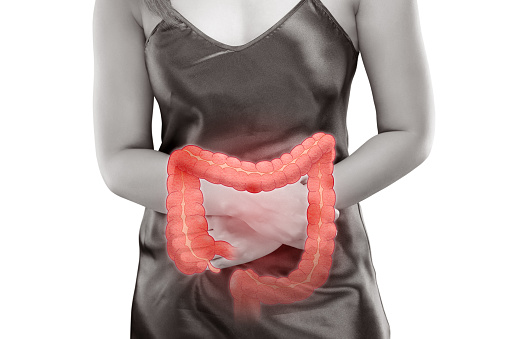
What is Ulcerative Colitis?

Ulcerative colitis (UC) is a chronic bowel disease that affects the large intestine, or colon. People with UC experience inflammation of the colon, which is typically marked by swelling and irritation that eventually leads to the development of ulcers (open sores) that produce blood, pus, and mucus. There is currently no cure for UC so those with the disease usually have symptom flare-ups off and on for life.

Ulcerative colitis occurs when the immune mistakenly identifies food, good gut bacteria, and the cells that line your colon as intruders. When this happens, the white blood cells that usually protect us, attack the lining of our colon instead, which causes inflammation and ulcers.

While doctors don’t know definitively what causes UC, some believe that both genetics and environmental factors may play a role in the development of the disease for some. While other factors such as food and stress don’t cause UC, they can trigger a flare-up of symptoms.

The main symptom of u ulcerative colitis is bloody diarrhea. Other problems may include:

  • Crampy belly pain
  • Sudden urges to empty your colon right away
  • Lack of appetite
  • Weight loss
  • Feeling tired
  • Fever
  • Dehydration
  • Feeling like you haven’t completely emptied your colon after you use the bathroom
  • Not being able to hold your stools in

Your doctor will use different tests to determine if you have UC or another type of gut disease. Tests typically include stool and blood samples, x-rays, or a flexible sigmoidoscopy or colonoscopy where tubes containing cameras are used to view the inside of the colon and take a biopsy of its lining.

If UC is confirmed, your doctor will work with you to address your symptoms and prevent future flare-ups. This may include altering your diet and prescribing certain medications to reduce inflammation and stop your immune system from attacking your colon. In severe cases, a surgical procedure to remove your colon (colectomy) may be required.

If you are experiencing symptoms of colitis, you should schedule an appointment with your doctor. If you do not have one, Jamaica Hospital has qualified physicians that can diagnose and help you manage this condition. To make an appointment, please call 718-206-7001.

All content of this newsletter is intended for general information purposes only and is not intended or implied to be a substitute for professional medical advice, diagnosis or treatment. Please consult a medical professional before adopting any of the suggestions on this page. You must never disregard professional medical advice or delay seeking medical treatment based upon any content of this newsletter. PROMPTLY CONSULT YOUR PHYSICIAN OR CALL 911 IF YOU BELIEVE YOU HAVE A MEDICAL EMERGENCY.
What Will Your New Year’s Resolution Be For 2019 ?

Some popular resolutions that people be make for 2019 are to:

• Lose weight
• Get organized
• Spend less
• Quit smoking
• Fall in love

The percentage of people who make New Year’s resolutions is about 45% of the population. People in their twenties tend to be more successful at maintaining their resolutions as compared to people over the age of 50. By the end of the first month 65% of the people are still doing a good job of keeping to their resolution, however by the end of six months that number drops to around 44%.

All content of this newsletter is intended for general information purposes only and is not intended or implied to be a substitute for professional medical advice, diagnosis or treatment. Please consult a medical professional before adopting any of the suggestions on this page. You must never disregard professional medical advice or delay seeking medical treatment based upon any content of this newsletter. PROMPTLY CONSULT YOUR PHYSICIAN OR CALL 911 IF YOU BELIEVE YOU HAVE A MEDICAL EMERGENCY.

Treating Asthma When You Have a Cold

Colds make us feel miserable and coughing fits tend to bring attention to us at times when we want it least. For most catching a cold is a nuisance but for others with chronic respiratory conditions such as asthma, colds can be very serious.  Colds are one of the most common causes for flare ups in asthmatics.  The mildest of cold symptoms can easily lead to wheezing, shortness of breath or trigger asthma attacks.

Taking preventative measures to avoid catching a cold is one of the best recommendations that asthmatics can follow. Some of these precautions include: frequently washing or sanitizing hands, staying away from individuals who have colds and avoiding contact to the eyes and nose.

Even though prevention is highly recommended, during the cold season avoiding a cold is sometimes easier said than done. If you do contract the cold virus there are several things you can do to help control your asthma:

  1. If you are sick stay home and take care of yourself. Staying home can help you avoid environmental factors that could worsen your condition.
  2. Monitor your air flow by frequently using a peak flow meter. If there is a drop in peak flow rates contact your physician to discuss adjustments to medication.
  3. Keep track of changes in your condition and developing asthma symptoms such as wheezing, tightness of the chest or coughing.
  4. Take medication as advised by your doctor.

Following these recommendations can help you manage symptoms and reduce the risk of a serious attack.  If your condition continues to get worse after several days, make an appointment to see your doctor as soon as possible.

If you’d like to make an appointment with a doctor at the Jamaica Hospital Medical Center Ambulatory Care Center, call 718-206-7001 to schedule an appointment.

All content of this newsletter is intended for general information purposes only and is not intended or implied to be a substitute for professional medical advice, diagnosis or treatment. Please consult a medical professional before adopting any of the suggestions on this page. You must never disregard professional medical advice or delay seeking medical treatment based upon any content of this newsletter. PROMPTLY CONSULT YOUR PHYSICIAN OR CALL 911 IF YOU BELIEVE YOU HAVE A MEDICAL EMERGENCY.

HEALTHY OATMEAL RASIN COOKIES

It’s Holiday Baking Season! Let’s start this season off right with a healthy choice.

Oatmeal Raisin Cookie

INGREDIENTS

  • 1 1/3 cups of quick cooking oats or rolled oats
  • 1/3 cup of all purpose flour
  • pinch of salt
  • 1/4 teaspoon of baking powder
  • 1/4 teaspoon of baking soda
  • 1 teaspoon of ground cinnamon
  • 1 teaspoon of vanilla
  • 6 tablespoons of room temperature unsalted butter ( margarine may be substituted)
  • 3/4 cup of light brown sugar
  • 1 egg
  • 3/4 cup of dark raisins
  • 1/3 cup of flax seeds

INSTRUCTIONS

  1. Preheat the oven to 350 degrees and line a baking sheet with parchment paper.
  2. Using a hand mixer, beat the butter and brown sugar until fluffed up ( 1-2 minutes) and add the egg, cinnamon and vanilla and beat for another 30 seconds until smooth.
  3. In a separate bowl, mix the oats, raisins, flax seeds and flour with baking powder and baking soda and pinch of salt.
  4. Then using a rubber spatula, fold the oat mixture into the egg mixture. The dough will be a little crumbly, that’s ok.
  5. Using a standard tablespoon measuring spoon or a small ice cream scoop or oiled hands, pick up golf ball sizes of the dough and place them on the cookie sheet about 1/2 inches apart ( these cookies don’t spread too much).
  6. Bake the cookies ( middle rack) for 12-14 minutes depending on the size of your cookies. Take them out while the centre is still soft but the edges have set ( if you like a chewy cookie) or let them bake an extra 2 minutes until the centres are set too if you like a crunchier cookie.
  7. Cool on the baking sheet for 2 minutes before attempting to remove them.
  8. Now enjoy!
  9. To freeze the dough: wrap it in wax or parchment paper and freeze it as a log or pre-measure it into golf ball sizes. When ready to bake slice the dough ( if it’s a log) or bake the gold ball frozen doughs at the same temperature for an extra 2 minutes longer.

For this an other delicious cookie recipes visit –

All content of this newsletter is intended for general information purposes only and is not intended or implied to be a substitute for professional medical advice, diagnosis or treatment. Please consult a medical professional before adopting any of the suggestions on this page. You must never disregard professional medical advice or delay seeking medical treatment based upon any content of this newsletter. PROMPTLY CONSULT YOUR PHYSICIAN OR CALL 911 IF YOU BELIEVE YOU HAVE A MEDICAL EMERGENCY.

Mistakes That Can Affect Your Blood Pressure Reading

Measuring your blood pressure at home is a very important part of properly managing hypertension.  Therefore taking accurate measurements is crucial.

To ensure accuracy, there are several things you should and should not do while measuring, as they can affect your reading.  Here are a few:

  • Always use the bathroom before measuring- Having a full bladder can add points to your reading.
  • Remain quiet- Talking while checking your blood pressure can cause deviations in measurements.
  • While seated make sure your back is supported and both your feet are placed flat on the ground-Measuring blood pressure in a posture where your back or feet are not supported can affect readings.
  • Keep your arm leveled with your heart- If your arm is not on the same level as your heart while getting a reading, you run the risk of getting measurements that are higher than your actual blood pressure level. Always make certain your arm is supported, you can rest it on a chair arm, table or desk to receive the best positioning.
  • Do not place the blood pressure cuff over clothing – Studies show that doing so can have an impact on systolic blood pressure. Your cuff should be placed on your bare arm during measurements.
  • Do not eat or drink anything 30 minutes before taking your blood pressure- Consuming food or drinking beverages within that time can result in a reading that may be inaccurate and high.

Improperly measuring your blood pressure can have serious consequences.  According to the Centers for Disease Control and Prevention (CDC), “A reading that underestimates your blood pressure might give you a false sense of security about your health. But a reading that overestimates your blood pressure might lead to treatment you don’t really need.”

In addition to following best practices for an accurate blood pressure reading, it is important that you keep track of your numbers. You can use a notebook, app or chart to do so.  If you are concerned about changes in your blood pressure readings, contact your doctor right away.

To speak with a doctor, or schedule an appointment at Jamaica Hospital Medical Center, please call 718-206-7001.

All content of this newsletter is intended for general information purposes only and is not intended or implied to be a substitute for professional medical advice, diagnosis or treatment. Please consult a medical professional before adopting any of the suggestions on this page. You must never disregard professional medical advice or delay seeking medical treatment based upon any content of this newsletter. PROMPTLY CONSULT YOUR PHYSICIAN OR CALL 911 IF YOU BELIEVE YOU HAVE A MEDICAL EMERGENCY.

Home Remedy for an Upset Tummy…

The Chinese have used ginger to treat nausea and digestive issues for over 2,000 years.  While research has debated the extent of its effectiveness as a natural remedy, it’s thought that active components, such as gingerol, directly affect the digestive and central nervous systems.

Most doctors and herbal medicine practitioners agree that using fresh ginger in teas and water or natural ginger candies will help relieve nausea, especially during pregnancy.  Some studies suggest it is an effective treatment for post-operative and chemotherapy-related nausea, as well.

Ginger also has anti-inflammatory properties that may help boost immunity. Bottom line, there are no disadvantages to ingesting a little ginger to help ease nausea and digestive issues.

All content of this newsletter is intended for general information purposes only and is not intended or implied to be a substitute for professional medical advice, diagnosis or treatment. Please consult a medical professional before adopting any of the suggestions on this page. You must never disregard professional medical advice or delay seeking medical treatment based upon any content of this newsletter. PROMPTLY CONSULT YOUR PHYSICIAN OR CALL 911 IF YOU BELIEVE YOU HAVE A MEDICAL EMERGENCY.