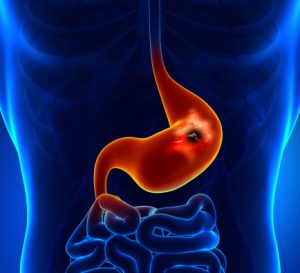
The Chinese have used ginger to treat nausea and digestive issues for over 2,000 years. While research has debated the extent of its effectiveness as a natural remedy, it’s thought that active components, such as gingerol, directly affect the digestive and central nervous systems.
Most doctors and herbal medicine practitioners agree that using fresh ginger in teas and water or natural ginger candies will help relieve nausea, especially during pregnancy. Some studies suggest it is an effective treatment for post-operative and chemotherapy-related nausea, as well.
Ginger also has anti-inflammatory properties that may help boost immunity. Bottom line, there are no disadvantages to ingesting a little ginger to help ease nausea and digestive issues.
All content of this newsletter is intended for general information purposes only and is not intended or implied to be a substitute for professional medical advice, diagnosis or treatment. Please consult a medical professional before adopting any of the suggestions on this page. You must never disregard professional medical advice or delay seeking medical treatment based upon any content of this newsletter. PROMPTLY CONSULT YOUR PHYSICIAN OR CALL 911 IF YOU BELIEVE YOU HAVE A MEDICAL EMERGENCY.
Do you or someone you know have asthma? If so, you may want to know what treatment options are available and how they can help to manage the condition.
First, you need to understand what asthma is as well as its symptoms. Asthma is a chronic disease that when it is not controlled can make it difficult to breathe. When an asthma attack happens, you may experience coughing, wheezing, chest tightness, or breathlessness. A person may find it difficult to breathe as a result of the narrowing of the airways caused by swelling, mucus production, and the tightening of the muscles around the airways.
Although many people have asthma, it can mean very different things from person to person. You may experience mild or moderate symptoms daily or weekly. Your doctor will consider these factors when deciding which treatment options are most suitable for your care.
The goal of asthma treatment is to control the disease and to prevent symptoms from interfering with your day-to-day activities. Your doctor determines control of your asthma by the following:
How often you experience daytime and nighttime symptoms.
How often you use your rescue inhaler.
How often you have to go to the doctor for treatment of your symptoms.
How much your symptoms interfere with your daily life.
Individuals with poor control of their asthma are usually put on controller medications to manage their condition. Controller medications are to be taken every day to prevent symptoms from occurring and to decrease the severity of symptoms when they do occur.
Controller medications should be used long-term, whether you feel bad or good on a daily basis, as prescribed. Consistency is very important when taking these medications. Another form of treatment your doctor may prescribe is prescribing a rescue medication. These are to be used on a short-term basis to help you feel better quickly when experiencing coughing, shortness of breath, or wheezing. Here are a few examples of each type of medication.
Check out American Lung Association’s guide on how to use your inhaler:
When taken as directed, these medications can significantly decrease the burden of asthma on your daily life. Do not hesitate to go to a doctor if home medications are not providing relief.
In addition to taking your medication, it is important to know your asthma triggers and be able to identify symptoms early.
Talk to your doctor about your Asthma Action Plan and ways to better take control of your asthma. To schedule an appointment with the Family Medicine Department at Jamaica Hospital Medical Center, please call, 718-206-6942
All content of this newsletter is intended for general information purposes only and is not intended or implied to be a substitute for professional medical advice, diagnosis or treatment. Please consult a medical professional before adopting any of the suggestions on this page. You must never disregard professional medical advice or delay seeking medical treatment based upon any content of this newsletter. PROMPTLY CONSULT YOUR PHYSICIAN OR CALL 911 IF YOU BELIEVE YOU HAVE A MEDICAL EMERGENCY.
During the holiday season, many of us struggle to complete an extensive list of tasks in what often feels like very little time. We run rampant decorating our homes, attending social gatherings, shopping for loved ones, volunteering, traveling or cooking. These activities are often added to our already busy schedules, which can make us feel overwhelmed.
Contrary to what we may think, these activities which should make us feel happy can actually increase our stress levels.
Although there are various factors such as unrealistic expectations or financial strain that contribute to holiday stress, finding ways to avoid stressors or minimize their effects is very important. If stress is not managed well, it can have a significantly negative impact on our health.
Dr. Madhu Rajanna; Director of the Mental Health Clinic and Assistant Director of the Psychiatry Residency program at Jamaica Hospital Medical Center offers five tips to help you cope with holiday stress and maintain good mental health:
Set realistic goals– Unrealistic goals often equal added pressure and expectations that cannot be met. If these goals are not met, they can lead to negative feelings such as inadequacy or hopelessness.
Know when to take a moment for yourself (Take a break) – We are often pulled in multiple directions during this time of the year. Know when to take a breather to decompress and clear your mind.
Communicate- The added pressures of the holidays are clearly overwhelming and one of the ways that people sometimes deal with this is to isolate themselves. This is not recommended; instead, reach out to loved ones or a trained mental health professional to communicate how you feel.
Do not neglect healthy habits– Taking good care of your health can help combat holiday stress. Moderating your food intake, fitting in a few minutes of exercise and getting adequate amounts of sleep can be profoundly beneficial for your health. Additionally, maintaining a healthy daily routine can help take your mind off holiday demands.
Ask for help- We live in a time where multitasking has become the norm but if you begin to feel overwhelmed, ask for help. Soliciting the help of friends or family can alleviate some of the holiday pressure. The holidays can also trigger depression; if you are experiencing symptoms of depression ask for help from loved ones or seek the assistance of a mental health professional.
Dr. Madhu Rajanna- Director of the Mental Health Clinic and Assistant Director of the Psychiatry Residency program
The holiday season can be overwhelming; however, by applying Dr. Rajanna’s helpful tips you can take the steps needed to minimize stress and make this time of year more enjoyable. If you find that you continue to experience elevated levels of stress or symptoms of depression, it is recommended that you seek the help of mental health professional immediately.
To schedule an appointment with the Mental Health Clinic at Jamaica Hospital Medical Center, please call 718-206-5575.
All content of this newsletter is intended for general information purposes only and is not intended or implied to be a substitute for professional medical advice, diagnosis or treatment. Please consult a medical professional before adopting any of the suggestions on this page. You must never disregard professional medical advice or delay seeking medical treatment based upon any content of this newsletter. PROMPTLY CONSULT YOUR PHYSICIAN OR CALL 911 IF YOU BELIEVE YOU HAVE A MEDICAL EMERGENCY.
Decorating your home for the holidays is always so much fun, but did you know that each year an estimated 250 house fires nationwide are caused by faulty holiday lights? Here are some tips for keeping your home safe this year:
• Before stringing holiday lights always check the sockets to ensure they are not broken or cracked.
• Never use indoor lights for outdoors use.
• Turn off the indoor tree lights before going to bed or whenever you leave the house.
• Do not connect more than three sets of lights to each extension cord.
• Make sure that your lights have safety labels and are made by reputable companies.
• Do not use candles on or near a tree.
• Place your tree and gift-wrapped presents away from sources of heat such as fireplaces.
• Make sure that your tree is secured firmly to its base so that it can’t tip over.
• Artificial trees should be fire resistant.
• Always keep a fire extinguisher handy and accessible in case of emergency.
Benny Quiles, Director of Safety
Benny Quiles, Director of Safety at Jamaica Hospital says “a small Christmas tree fire can spread and grow large very quickly. Use flame-retardant decorations. make sure your smoke detectors have working batteries and never block fire exits.”
Don’t ruin your holiday by being careless. A little common sense and taking some precautions will ensure a joyous holiday for you and your family.
All content of this newsletter is intended for general information purposes only and is not intended or implied to be a substitute for professional medical advice, diagnosis or treatment. Please consult a medical professional before adopting any of the suggestions on this page. You must never disregard professional medical advice or delay seeking medical treatment based upon any content of this newsletter. PROMPTLY CONSULT YOUR PHYSICIAN OR CALL 911 IF YOU BELIEVE YOU HAVE A MEDICAL EMERGENCY.
It’s Holiday Baking Season! Let’s start this season off right with a healthy choice.
Oatmeal Raisin Cookie
INGREDIENTS
1 1/3cupsof quick cooking oats or rolled oats
1/3cupof all purpose flour
pinch of salt
1/4teaspoonof baking powder
1/4teaspoonof baking soda
1teaspoonof ground cinnamon
1teaspoonof vanilla
6tablespoonsof room temperature unsalted butter( margarine may be substituted)
3/4cupof light brown sugar
1egg
3/4cupof dark raisins
1/3cupof flax seeds
Instructions
Preheat the oven to 350 degrees and line a baking sheet with parchment paper.
Using a hand mixer, beat the butter and brown sugar until fluffed up ( 1-2 minutes) and add the egg, cinnamon and vanilla and beat for another 30 seconds until smooth.
In a separate bowl, mix the oats, raisins, flax seeds and flour with baking powder and baking soda and pinch of salt.
Then using a rubber spatula, fold the oat mixture into the egg mixture. The dough will be a little crumbly, that’s ok.
Using a standard tablespoon measuring spoon or a small ice cream scoop or oiled hands, pick up golf ball sizes of the dough and place them on the cookie sheet about 1/2 inches apart ( these cookies don’t spread too much).
Bake the cookies ( middle rack) for 12-14 minutes depending on the size of your cookies. Take them out while the centre is still soft but the edges have set ( if you like a chewy cookie) or let them bake an extra 2 minutes until the centres are set too if you like a crunchier cookie.
Cool on the baking sheet for 2 minutes before attempting to remove them.
Now enjoy!
To freeze the dough: wrap it in wax or parchment paper and freeze it as a log or pre-measure it into golf ball sizes. When ready to bake slice the dough ( if it’s a log) or bake the gold ball frozen doughs at the same temperature for an extra 2 minutes longer.
For this an other delicious cookie recipes visit – www,twopurplefigs.com
All content of this newsletter is intended for general information purposes only and is not intended or implied to be a substitute for professional medical advice, diagnosis or treatment. Please consult a medical professional before adopting any of the suggestions on this page. You must never disregard professional medical advice or delay seeking medical treatment based upon any content of this newsletter. PROMPTLY CONSULT YOUR PHYSICIAN OR CALL 911 IF YOU BELIEVE YOU HAVE A MEDICAL EMERGENCY.
Now that the colder weather has arrived, we all are reminded to cover our heads to stay warm. One of the reasons we do this is because of the age-old theory that we lose approximately half of our body heat through our heads, but is this bit of advice really true?
The origin of this belief comes most likely from an old U.S. Army Field Manual from the 1950’s based on arctic survival research. The problem with the study is that while the research was performed on subjects wearing cold weather gear, they were not wearing hats. Naturally, in circumstances like this, body heat will escape from whatever area is exposed – in this case, the subjects uncovered heads.
Since our heads represents only 10% of our body’s total surface area, it would have to lose about 40 times as much heat per square inch as other parts of the body for this theory to be true.
Another factor in why this myth is thought to be true by many has to do with how our blood vessels are composed. We tend to feel colder in places where blood vessels are densely packed, like the head, and less where aren’t such as the legs.
Even though there is no factual basis to the concept of losing excess body heat through our heads, most will agree that if you want to stay warm this winter, you should cover your entire body to prevent heat from escaping…including your head.
All content of this newsletter is intended for general information purposes only and is not intended or implied to be a substitute for professional medical advice, diagnosis or treatment. Please consult a medical professional before adopting any of the suggestions on this page. You must never disregard professional medical advice or delay seeking medical treatment based upon any content of this newsletter. PROMPTLY CONSULT YOUR PHYSICIAN OR CALL 911 IF YOU BELIEVE YOU HAVE A MEDICAL EMERGENCY.
This month we would like to introduce you to Raina Daswani, a Respiratory Therapist who works primarily on the pediatric inpatient unit and also the Neonatal Intensive Care Unit. She has been with Jamaica Hospital for almost five years and feels like it has become her second home.
Raina is a Queens native, having grown up in Forest Hills and graduating from Forest Hills High School. After high school she went on to study at both Queens College and the Borough of Manhattan Community College where she earned her degree in Respiratory Therapy.
Raina is very proud of the work that she is doing at the hospital. She enjoys the diversity of the illnesses that she treats and the people she meets every day. Her colleagues at Jamaica Hospital feel like a second family to her. Everyone is very supportive of one another and that makes coming to work every day very enjoyable. She says team work is very important especially when working at a hospital and people at Jamaica work well together. Raina feels very fortunate to have chosen the right career for her and likes that she gets to do something every day that she really feels good about.
Raina currently lives on Long Island, is married and she has a Maltese, named Simba. In her free time she enjoys reading, going to movies and to shows on Broadway. When she goes on vacation, she enjoys travelling to Europe. Raina looks forward to coming to work every day and we look forward to having her work with us for a long time.
All content of this newsletter is intended for general information purposes only and is not intended or implied to be a substitute for professional medical advice, diagnosis or treatment. Please consult a medical professional before adopting any of the suggestions on this page. You must never disregard professional medical advice or delay seeking medical treatment based upon any content of this newsletter. PROMPTLY CONSULT YOUR PHYSICIAN OR CALL 911 IF YOU BELIEVE YOU HAVE A MEDICAL EMERGENCY.
Life is busy. Often times, we tend to neglect our home, office space, or car and allow items to pile up. Things once considered a ‘project’ no longer continue to be a ‘work in progress’. It becomes a part of your everyday life and clutters your space. Did you know that clutter can lead to a stressful lifestyle? Take a moment to “de-clutter”- your mental, and physical, health may depend on it.
Clutter is an excessive visual and physical stimulation. A study conducted by neuroscientists at the Princeton University Neuroscience Institute observed people’s task performance in an organized versus disorganized environment. The results of the study exhibited that physical clutter in your surroundings competes for your attention, resulting in decreased performance and increased stress.
Stress can reveal itself in various ways demonstrating physical, emotional, behavioral and even cognitive symptoms. These symptoms can include being moody and frustrated, feeling overwhelmed, inability to focus, forgetfulness, and even procrastination. Long term health effects of stress can affect your mental health creating depression and anxiety. Physical stress can suppress the immune system causing fatigue and high blood pressure.
What can you do to “de-clutter”? Some helpful suggestions are:
Create a three pile system – place items that are cluttering your space into three categories: keep trash or donate. Try using this system once a month or even once a week- this can enhance mental clarity; this is a good idea for home and work.
Clear your desk before going home – make sure to file away certain items in a designated area, shred documents you no longer need, and create a ‘To-Do’ list to remind you of the things you need to tackle the following day.
Set an alarm – setting an alarm reminds you to carve out a designated time to clear out a specific area, either in your home or office or car. It can make all the difference to avoid wasting your precious time out with your family and friends.
A little time spent organizing can go a long way in providing some peace of mind, creating clarity and focus on the more important things in your life and career.
All content of this newsletter is intended for general information purposes only and is not intended or implied to be a substitute for professional medical advice, diagnosis or treatment. Please consult a medical professional before adopting any of the suggestions on this page. You must never disregard professional medical advice or delay seeking medical treatment based upon any content of this newsletter. PROMPTLY CONSULT YOUR PHYSICIAN OR CALL 911 IF YOU BELIEVE YOU HAVE A MEDICAL EMERGENCY.
Perhaps there is no other day of the year associated with eating more than Thanksgiving. With so much attention being paid to food consumption, it is fitting that this week we also raise awareness about a health condition that affects the digestive system.
November 19-25, 2017 has been designated Gastroesophageal Reflux Disease (or GERD) Awareness Week. GERD, is a very common disorder that occurs when stomach acid or bile flows into the food pipe and irritates the lining.
After it is swallowed, food travels down the esophagus where it stimulates cells in the stomach to produce acid and pepsin (an enzyme), which aid the digestion process. A band of muscle at the lower part of the esophagus, called the lower esophageal sphincter (LES), acts as a barrier to prevent the back-flow. Gastroesophageal reflux occurs when the LES is weak or relaxes inappropriately, allowing the stomach’s contents to flow up into the esophagus.
Chronic heartburn is the most frequently reported symptom of GERD. Acid regurgitation (refluxed acid into the mouth) is another common symptom. Other symptoms can include belching, difficulty or pain when swallowing, or waterbrash (sudden excess of saliva). GERD may also lead to chronic sore throat, laryngitis, throat clearing, chronic cough, and other oral complaints such as inflammation of the gums and erosion of the enamel of the teeth.
Dietary and lifestyle choices can contribute to GERD. Certain foods and beverages, including chocolate, peppermint, fried or fatty foods, coffee, or alcohol may trigger reflux. Studies show that smoking can relax the LES and contribute to this condition. People who are obese are more prone to developing GERD symptoms.
Doctors recommend lifestyle and dietary changes for most people needing treatment for GERD. Along with lifestyle and diet changes, your doctor may also recommend over-the-counter remedies, or, in serious cases, prescribe medications designed to reduce acid in the stomach.
To speak to a doctor about treating your GERD, please call Jamaica Hospital’s Ambulatory Care Center at 718-206-7001.
All content of this newsletter is intended for general information purposes only and is not intended or implied to be a substitute for professional medical advice, diagnosis or treatment. Please consult a medical professional before adopting any of the suggestions on this page. You must never disregard professional medical advice or delay seeking medical treatment based upon any content of this newsletter. PROMPTLY CONSULT YOUR PHYSICIAN OR CALL 911 IF YOU BELIEVE YOU HAVE A MEDICAL EMERGENCY.
High blood pressure or hypertension is considered “the silent killer.” There are several reasons why it is referred to as such.
Most people with high blood pressure actually feel normal; however, if the disease goes undetected and is left untreated, it can lead to heart attack or stroke. In the United States today, heart attack and stroke are leading causes of death.
It is important to get your family, friends, and even yourself checked. You can visit your doctor or check at home.
It can be easy to measure blood pressure at home- here’s how:
Purchase an automatic, cuff-style, upper-arm monitor. Automatic machines usually cost from $20-$40, and are available at many pharmacies or online.
Get ready to measure! Do not smoke, drink any caffeinated drinks, or exercise 30 minutes prior to measuring.
Sit with your back supported, feet flat on the floor, and legs uncrossed.
Place the cuff onto your arm. This arm should be resting at the level of your heart or just below the chest. The cuff should be above the elbow.
Push the button to begin measurement. Relax, breathe, and do not talk during measurement.
Blood pressures are measured as two numbers: a top number (systolic) and a bottom number (diastolic). Write down both numbers, the time of day you measured, and the date(“141/88, 7:00 PM, 11/13/2017” )
Repeat measurement after 1 minute. Write this number down also. Keep a blood pressure diary with all your measurements.
According to the recently updated high blood pressure guidelines of the American College of Cardiology (ACC), a blood pressure less than 120/80 is normal. Numbers above this measurement are considered elevated and are cause for concern. The ACC has provided the following categories to further define blood pressure measurements and levels:
Elevated: Systolic between 120-129 and diastolic less than 80
Stage 1: Systolic between 130-139 or diastolic between 80-89
Stage 2: Systolic at least 140 or diastolic at least 90 mm Hg
Hypertensive crisis: Systolic over 180 and/or diastolic over 120
If your results are greater than 130 for the top number or greater than 80 for the bottom number, it is highly recommended that you see your doctor to receive a comprehensive medical examination.
If your blood pressure exceeds 180/120, the American College of Cardiology advises that you seek medical attention immediately, as this is critical.
Checking your blood pressure is important for heart health. There are also lifestyle changes that you can apply to your daily life to help you manage blood pressure levels and your health. Lifestyle changes can include maintaining a healthy weight by eating a well- balanced diet, exercising regularly, reducing sodium intake, limiting the amount of alcohol you consume and quitting smoking.
To schedule an appointment with the Family Medicine Department at Jamaica Hospital Medical Center, please call, 718-206-6942.
All content of this newsletter is intended for general information purposes only and is not intended or implied to be a substitute for professional medical advice, diagnosis or treatment. Please consult a medical professional before adopting any of the suggestions on this page. You must never disregard professional medical advice or delay seeking medical treatment based upon any content of this newsletter. PROMPTLY CONSULT YOUR PHYSICIAN OR CALL 911 IF YOU BELIEVE YOU HAVE A MEDICAL EMERGENCY.