
To Juice or Not to Juice? That is the Question.

Juicing or juice cleanses are growing in popularity as more people are using this practice as a way to lose weight or improve their health.  Juice bars are becoming a common fixture in shopping malls as the demand for freshly-made and all-natural juices increase.  There are a few advantages that can be achieved by juicing.

Some advantages of juicing include:

  • Juicing may be an easier way for some to obtain the daily fruits and vegetables that are essential in maintaining a healthy diet. Many people find it more convenient and less time consuming to drink fruits and vegetables instead of eating them.
  • Juicing can help in promoting weight loss- if it is done correctly and the body is not deprived of vital nutrients and fibers.

There also disadvantages associated with all-juice diets. The disadvantages that are associated with all-juice diets include:

  • An all-juice diet for a prolonged period of time is not recommended as studies have shown that LDL cholesterol levels may increase. Depriving the body of whole foods that are rich in nutrients could also weaken its ability to fight infections and function properly.
  • Juicing can prove dangerous for individuals with chronic health conditions such as diabetes and kidney disease. High levels of fructose, which is the sugar found in fruits can elevate blood sugar levels.  Excessive juicing can cause high levels of potassium and minerals to build up in the blood- this can become hazardous if one has kidney disease.
  • Juicing may not be the healthiest or most effective way to lose weight as your body may think it is starving and lower its metabolic rate. If your body is being deprived of the daily recommended caloric intake it could begin to burn muscle tissue instead of fat to provide energy, causing the loss of muscle mass.

If you choose to juice, consult your physician, especially if you have chronic health conditions and juice in moderation. Juicing can be beneficial if it is done properly and is supplemented with nutrient-rich whole foods. It is recommended that a glass of juice can be used to substitute one meal for example breakfast or lunch for the day. Most healthcare practitioners caution that juicing should not surpass the duration of a few days.

All content of this newsletter is intended for general information purposes only and is not intended or implied to be a substitute for professional medical advice, diagnosis or treatment. Please consult a medical professional before adopting any of the suggestions on this page. You must never disregard professional medical advice or delay seeking medical treatment based upon any content of this newsletter. PROMPTLY CONSULT YOUR PHYSICIAN OR CALL 911 IF YOU BELIEVE YOU HAVE A MEDICAL EMERGENCY.

Cervical Cancer

Cervical cancer is a cancer that involves the lower part of the uterus (womb), which is known as the cervix. This can involve a microscopic lesion, that cannot be seen with the naked eye; or it can involve a larger area that is visible while performing a pelvic exam or during colposcopy.Signs and symptoms can include bleeding after sexual intercourse, irregular vaginal bleeding, bleeding after menopause, abnormal vaginal discharge, and/or pain.

Risk factors for cervical cancer include: infection with certain types of human papilloma virus, and having diseases that lead to lower immunity (such as HIV). Smoking is also a risk factor.

A vaccine is available that can prevent infection with some of the high risk and low risk types of HPV. The Centers for Disease Control and Prevention recommends routine vaccination for boys and girls ages 11 or 12. Vaccination is also recommended for women 13 years through 26, and men ages 13 through 21. Routine screening with a pap smear or going for an annual gynecologic exam can help with the detection of early signs and symptoms of the disease, or the detection of pre-cancerous changes of the cervix. Practicing safe sex and smoking cessation are also some methods to reduce your risk.

Cervical cancer is diagnosed with a biopsy of the cervix.  Prior to having a biopsy, there are abnormal results that can be encountered on a pap smear, that would require further testing or exams (such as colposcopy). There are also two types of procedures that can be performed if there is an abnormality detected with colposcopy and with biopsies, called a Loop Electrosurgical Excision Procedure (LEEP) or a Cone biopsy of the cervix. These procedures can be diagnostic as well as therapeutic.
Treatment options for cervical cancer include surgery, radiation, chemotherapy or a combination of these methods. If you would like to schedule an appointment with a physician in the Women’s Health Center, please call 718-291-3276.

All content of this newsletter is intended for general information purposes only and is not intended or implied to be a substitute for professional medical advice, diagnosis or treatment. Please consult a medical professional before adopting any of the suggestions on this page. You must never disregard professional medical advice or delay seeking medical treatment based upon any content of this newsletter. PROMPTLY CONSULT YOUR PHYSICIAN OR CALL 911 IF YOU BELIEVE YOU HAVE A MEDICAL EMERGENCY.
I Need a Nap

An office protocol, that normally would have been grounds for termination, is now being considered for its many benefits. Several companies are now acknowledging the health benefits of a short nap during the workday, which include increased alertness, enhanced brainpower, and fewer sick days.
It is recommended that adults sleep for at least eight hours every night, however, research has shown that most individuals suffer from broken sleep and fail to get a good night’s rest. For these individuals, a short nap can help. A quick 15 to 20 minute power nap can provide the boost needed to effectively complete your workday.

There are several progressive companies, such as British Airways, Nike, Pizza Hut and Google, who are now seeking to reap these benefits. These companies have created designated nap rooms or “renewal rooms” for their employees, allowed their employees to bring a nap mat for the office, or simply encouraged their employees to sleep at their desk.

Some employers are now encouraging napping for the wellness of their employees. People who take daily 30-minute naps are 37 percent less likely to die from heart disease than those who don’t nap, according to a study published in the Archives of Internal Medicine in 2007. Naps can also boost the immune system—theoretically leading to fewer sick days—and propel employees into their most alert, energetic, and creative states, say nap advocates. Believers in this protocol feel that a well-rested employee is a pleasant employee, noting that if you’re sleep deprived, you’re going to be moody.

Napping Further Explained
Naps can be broken down into four categories:

  • Planned napping, also known as preemptive napping, involves taking a nap before you get sleepy. It is a good thing to do if you know you’re going to have a late night.
  • Emergency napping is exactly as it sounds— taking a nap when you’re so sleepy that you can’t properly engage in your current activity.
  • Habitual napping is the practice of taking a nap at the same time every day.
  • Appetitive napping is the act of napping strictly for enjoyment.

As noted, napping increases alertness, learning capacity, memory and performance— and we have known this now for several decades. Naps can also reduce stress, as well as lower blood pressure, which is important for our overall health. So, with the research and results on “power napping,” it is safe to say that a well-rested employee is a more productive employee.

All content of this newsletter is intended for general information purposes only and is not intended or implied to be a substitute for professional medical advice, diagnosis or treatment. Please consult a medical professional before adopting any of the suggestions on this page. You must never disregard professional medical advice or delay seeking medical treatment based upon any content of this newsletter. PROMPTLY CONSULT YOUR PHYSICIAN OR CALL 911 IF YOU BELIEVE YOU HAVE A MEDICAL EMERGENCY.
Is Your New Years Resolution to #StressLess ?

For many, each New Year their resolution is to lessen the stress that seems to have become a way of life.

There is a reason we all strive to lessen the stress in our daily lives. When you are stressed the body releases hormones such as cortisol and adrenaline- which causes the fight or flight reaction. This can speed up the normal function of several organs, including the heart.  The fight or flight reaction is appropriate when we face immediate threats but can be damaging if prolonged; as our bodies are only designed to deal with the effects of stress for short intervals.

Extended periods of stress can take its toll on our health in many ways. Long-term stress is known to negatively affect several systems of the body, including:

  • The Nervous System– High levels of cortisol and adrenaline can impair the nervous system, which regulates heart rates, the excretion of waste, breathing rates and the dilation and constriction of blood vessels.
  • The Immune System– Chronic stress can weaken the immune system, which increases the risk of infections, infectious diseases, skin problems such as eczema and can slow down wound healing rates.
  • The Digestive System– Excessive levels of stress can stimulate the muscles of the intestines and cause diarrhea or constipation. It can also lead to indigestion or nausea and increase the risk of ulcers or irritable bowel syndrome.
  • The Endocrine System– Stress hormones can cause the liver to increase blood sugar levels. This is particularly dangerous for diabetics.

Some helpful techniques that can assist you in managing your daily stress are:

  • Meditation – is helpful to the brain’s neural pathways, making you more resilient to stress
  • Breathing Deeply – triggers our parasympathetic nervous system, neutralizes stress and elicits a calming feeling
  • Exercise – all forms of exercise can ease depression and anxiety by helping the brain releasing feel-good chemicals giving your body a chance to practice dealing with stress
  • Eating Healthy – choosing a diet rich in vegetables, fruits, and fiber may reduce the chance that stress can boost the body’s natural defense system

It is important to reduce excessive and prolonged periods of stress. A healthy lifestyle that helps manage stress often requires changing your mindset. But, if you are willing to make the changes that will improve your health, the impact can be far-reaching.

All content of this newsletter is intended for general information purposes only and is not intended or implied to be a substitute for professional medical advice, diagnosis or treatment. Please consult a medical professional before adopting any of the suggestions on this page. You must never disregard professional medical advice or delay seeking medical treatment based upon any content of this newsletter. PROMPTLY CONSULT YOUR PHYSICIAN OR CALL 911 IF YOU BELIEVE YOU HAVE A MEDICAL EMERGENCY.

Visiting the Mall Can Improve Your Health!

We all know that regular physical activity is important to our overall health, especially for seniors.

Did you know walking is a great way for older adults to remain active?

Seniors who commit to taking a brisk walk each day may be at a lower risk of:

  • Heart Disease
  • Stroke
  • Type 2 diabetes
  • Breast and colon cancers
  • Depression
  • Anxiety
  • Insomnia

With the onset of colder months upon us, how can older adults continue their walking routine and remain active?

The Centers for Disease Control and Prevention (CDC) suggests that in the colder months, you can utilize indoor malls for your brisk walk.  Malls can be pedestrian friendly, they are climate-controlled, are well lit, have benches for resting, fountains for hydrating, restrooms, as well as security guards and cameras for safety.

For more information on mall walking programs and for other walking resources visit the CDC’s Mall Walking: A program Resource Guide at –

So get yourself a comfortable pair of walking shoes, hit the mall and improve your health!

All content of this newsletter is intended for general information purposes only and is not intended or implied to be a substitute for professional medical advice, diagnosis or treatment. Please consult a medical professional before adopting any of the suggestions on this page. You must never disregard professional medical advice or delay seeking medical treatment based upon any content of this newsletter. PROMPTLY CONSULT YOUR PHYSICIAN OR CALL 911 IF YOU BELIEVE YOU HAVE A MEDICAL EMERGENCY.
Obesity: Lifestyle or Genetics?

“How does she eat so much and not gain any weight?”

It’s a question that has left many puzzled and quite frustrated. The conversation about weight, however, is a longstanding one. Today, especially, weight gain and weight loss remain relevant discussions, as the United States faces an obesity epidemic.

Though several health initiatives to help fight obesity have been implemented over the past few years, it is important to first understand what factors contribute to obesity. According to a National Institutes of Health funded study conducted by UCLA, not only does behavior and environment affect obesity, but genetic factors can also play a significant role in causing obesity.

How our genes actually influence obesity varies. As explained by the Centers for Disease Control and Prevention (CDC), genes give the body instruction for responding to changes in its environment. Some research has linked genes to metabolism, pointing out that genetics affects how one’s body responds to high-fat diets. Genes can either cause an increased tendency to store fat or a diminished capacity to use dietary fats as fuel. Other research has suggested that genes influence behaviors, such as overeating and being sedentary.

The conversation about obesity can now change since research has shown that body weight is hereditary and that genetic disposition affects weight. In all efforts to fight obesity, living environments where high calorie foods are prevalent and physical activity is limited should be looked at more closely.

We understand that the road to healthier choices isn’t easy to travel, especially alone. Here at Jamaica Hospital Medical Center our outpatient registered Dietitians assist patients to grow their knowledge about nutrition, wellness and healthy eating. To schedule an appointment the outpatient nutrition services department can be reached directly at .

All content of this newsletter is intended for general information purposes only and is not intended or implied to be a substitute for professional medical advice, diagnosis or treatment. Please consult a medical professional before adopting any of the suggestions on this page. You must never disregard professional medical advice or delay seeking medical treatment based upon any content of this newsletter. PROMPTLY CONSULT YOUR PHYSICIAN OR CALL 911 IF YOU BELIEVE YOU HAVE A MEDICAL EMERGENCY.

Could You Be Pregnant? 10 Signs You May Be

A common question many women ask after missing their period is, “could I be pregnant?”  There are early symptoms that you could look out for that may indicate pregnancy. These signs may show up a week or two after you have missed your period and can include:


  1. Mood swings
  2. Food aversions
  3. Frequent urination
  4. Spotting and cramping
  5. Constipation
  6. Changes in breasts that may involve swelling or tenderness
  7. Fatigue
  8. Headaches
  9. Back pain
  10. Darkening of nipples

Every woman’s body is unique; therefore, some may experience multiple symptoms or none at all during the early stages of their pregnancies.  If you believe you could be pregnant, it is advised that you see your doctor to confirm the pregnancy.   Once your pregnancy is confirmed, your doctor will discuss a prenatal care plan that is best for you and your baby’s health.

Prenatal care is vital because it improves the chances of a healthy pregnancy.  Women who do not receive prenatal care are three times more likely to have low birthweight babies and are more at risk of having complications caused by pregnancy.

To speak with a doctor about your pregnancy or prenatal care, please schedule an appointment with an OB/GYN at Jamaica Hospital Medical Center by calling 718-206-7001.

All content of this newsletter is intended for general information purposes only and is not intended or implied to be a substitute for professional medical advice, diagnosis or treatment. Please consult a medical professional before adopting any of the suggestions on this page. You must never disregard professional medical advice or delay seeking medical treatment based upon any content of this newsletter. PROMPTLY CONSULT YOUR PHYSICIAN OR CALL 911 IF YOU BELIEVE YOU HAVE A MEDICAL EMERGENCY.

Ovarian Cancer Awareness Month

Ovarian cancer is one of the most serious cancers affecting women. This type of cancer usually affects women who are in their fifties and sixties, and who typically have a family history of the disease.

Symptoms of ovarian cancer are:

• Bloating
• Nausea, indigestion, gas, and constipation
• Abdominal and pelvic pain
• Fatigue
• Backaches
• Frequent Urination with urgency

When a physician suspects ovarian cancer, they will perform certain tests to confirm the diagnosis. The exam may include a blood test for the CA-125 genetic marker, an examination of the abdomen to see if there is tenderness, a pelvic exam, an ultrasound, and a biopsy.

There are four main stages of ovarian cancer:

. Stage I – completely confined to one or both ovaries.
. Stage II – Found in one or both ovaries with spread to other pelvic organs (bladder, colon, rectum, uterus).
. Stage III – Cancer is found in one or both ovaries and has spread to the lining of the abdomen and/or the lymph nodes.
. Stage IV – The most advanced stage of the disease with spread to additional organs such as the liver and lungs.

Treatment options for ovarian cancer include chemotherapy, surgical removal of the affected organ(s), hormone therapy, and radiation. The type of treatment will be determined by the type of ovarian cancer, the age of the patient, and the stage of the disease.

Remember that early detection is important and just may save your life. All women should see their OB/GYN once a year for a pelvic exam. If you would like to make an appointment at Jamaica Hospital Medical Center’s Women’s Health Center, please call 718-291-3276.

All content of this newsletter is intended for general information purposes only and is not intended or implied to be a substitute for professional medical advice, diagnosis or treatment. Please consult a medical professional before adopting any of the suggestions on this page. You must never disregard professional medical advice or delay seeking medical treatment based upon any content of this newsletter. PROMPTLY CONSULT YOUR PHYSICIAN OR CALL 911 IF YOU BELIEVE YOU HAVE A MEDICAL EMERGENCY.
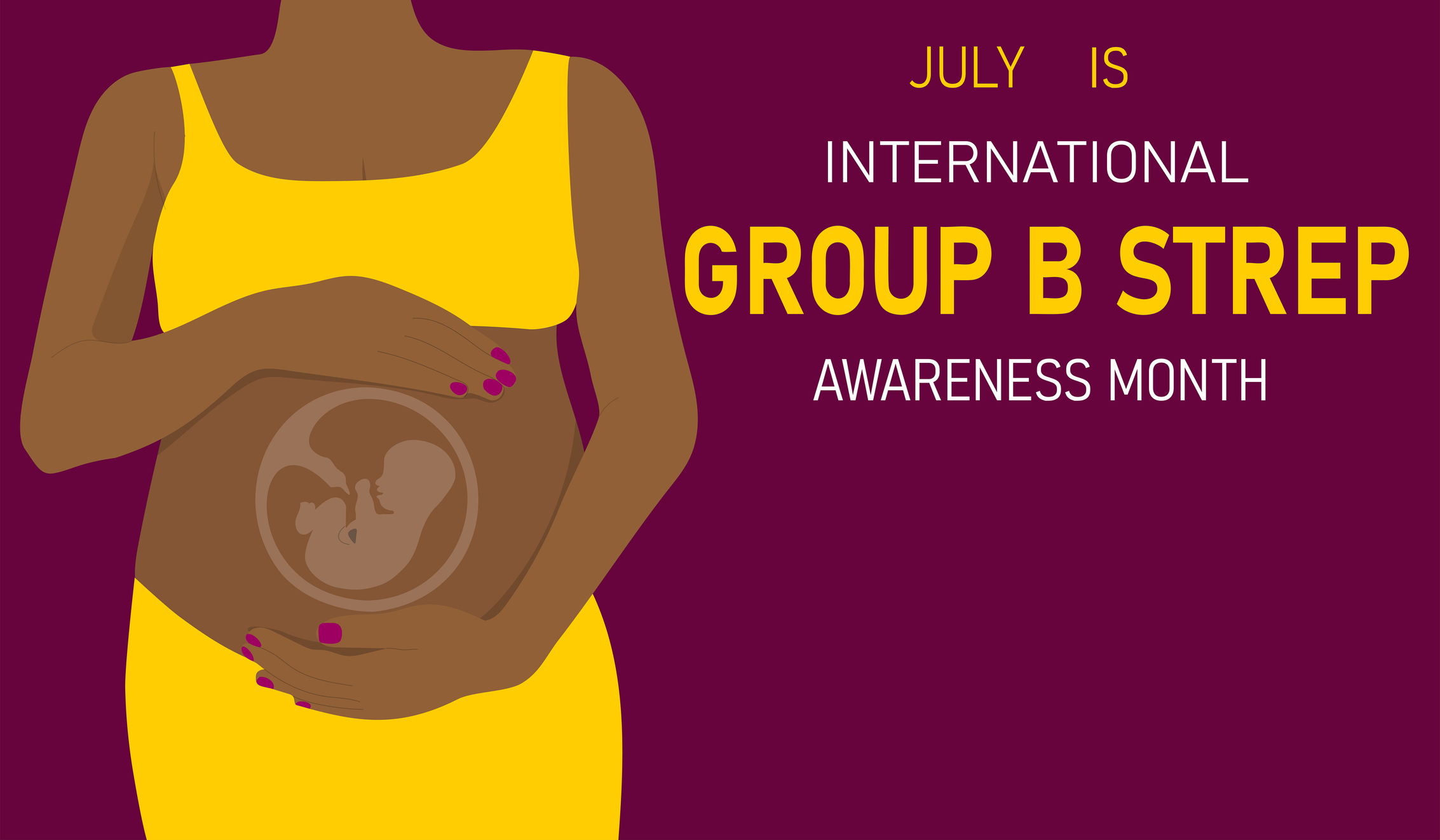
Choosing the Right Form of Birth Control

Family planning services provide comprehensive educational, medical, and social support to individuals who wish to control the number of children in a family, and the interval between births.

A big part of family planning involves a decision to use some form of birth control. It is estimated that half of the women in the United States of reproductive age (13-44) are in need of some form of birth control; that is, they are sexually active and able to become pregnant, but not trying to. For these women and their partners, there may be several reasons why they do not wish to become pregnant including their current marital status, career goals, or financial situation.

Determining the proper form of birth control that best suits your lifestyle is an important decision. There are various forms of birth control available and not all methods satisfy everyone’s needs. Some of the types of birth control include:

Intrauterine Device (IUD) – A small t-shaped device that is placed in your uterus and is very effective. These devices last for a number of years, are easy to use, and can be removed at any time.

Birth Control Implant – The implant (Nexplanon) is a small rod, about the size of a matchstick that is inserted into your upper arm just under the skin.

Birth Control Shot – A shot that keeps you from getting pregnant, Depo-Provera or “Depo” for short is effective for three months.

Birth Control Vaginal Ring – The ring (NuvaRing) is a small, bendable ring that you insert into the vagina. It can be left in for three weeks and taken out during the fourth week.

Birth Control Patch – The patch is a thin piece of plastic that looks like a bandage and sticks to the skin. Put on the patch once a week.

Birth Control Pill – An oral form of contraception that is taken daily. It should be taken at the same time every day to enhance effectiveness.

Condom – A popular method, the male condom is placed over the penis before sex to prevent sperm from reaching the vagina and helps protect from most STIs (Sexually Transmitted Infections)

Internal (Female) Condom – The female condom is inserted into the vagina before sex to prevent sperm from reaching the vagina and helps protect from most STIs (Sexually Transmitted Infections).

Diaphragm– A diaphragm is a shallow, dome-shaped cup made of silicone that is inserted into the vagina before sex.

Cervical Cap – A silicone cup that is inserted in the vagina to cover the cervix and prevent sperm from reaching the uterus.

Sponge – The sponge is a round piece of plastic foam that is inserted into the vagina prior to sex.

Spermicide – Spermicides include a variety of creams, films, foams, gels and suppositories that are inserted deep in the vagina and contain chemicals to stop sperm from moving.

Sterilization (Tubal Ligation) – A surgical procedure that closes or blocks the fallopian tubes so you can’t get pregnant.

Fertility Awareness  – By carefully tracking your menstrual cycle you can determine the days you can get pregnant. This is not the most effective form of birth control. Talk to your provider for more information on other methods.

Jamaica Hospital’s Contraception and Family Planning Department can offer information on each birth control option. Together, our staff can work with you to determine the best method of family planning to suit your specific needs. To make an appointment, please call 718-291-3276.


All content of this newsletter is intended for general information purposes only and is not intended or implied to be a substitute for professional medical advice, diagnosis or treatment. Please consult a medical professional before adopting any of the suggestions on this page. You must never disregard professional medical advice or delay seeking medical treatment based upon any content of this newsletter. PROMPTLY CONSULT YOUR PHYSICIAN OR CALL 911 IF YOU BELIEVE YOU HAVE A MEDICAL EMERGENCY.

TALK YOURSELF POSITIVE

With all the running around we do and the stress we deal with each and every day, try to take a moment to center your mind and bring wellness to your entire being.  Try reciting these and other positive affirmations to help start your day in a positive way.

All content of this newsletter is intended for general information purposes only and is not intended or implied to be a substitute for professional medical advice, diagnosis or treatment. Please consult a medical professional before adopting any of the suggestions on this page. You must never disregard professional medical advice or delay seeking medical treatment based upon any content of this newsletter. PROMPTLY CONSULT YOUR PHYSICIAN OR CALL 911 IF YOU BELIEVE YOU HAVE A MEDICAL EMERGENCY.