Jamaica Hospital Receives America’s 250 Best Hospitals Award For Fourth Consecutive Year

Jamaica Hospital Medical Center is proud to announce that it is one of America’s 250 Best Hospitals for 2023, according to new research released by Healthgrades, the leading marketplace connecting doctors and patients. This achievement puts Jamaica Hospital in the top 5% of hospitals nationwide for overall clinical performance across the most common conditions and procedures. This is the fourth consecutive year Jamaica Hospital Medical Center is among America’s Best.

Healthgrades evaluated patient mortality and complication rates for 31 of the most common conditions and procedures at nearly 4,500 hospitals across the country to identify the top-performing hospitals.

Being named one of America’s 250 Best Hospitals is an achievement that speaks to  Jamaica Hospital’s commitment to providing its patients and community with high-quality healthcare. The distinction of being one of America’s Best is among several achievements earned by the hospital for clinical excellence and high performance in a wide range of services.  Jamaica Hospital received four 2023 U.S. News & World Report High Performing Hospitals awards in recognition of the treatment and care provided to patients diagnosed with heart failure, COPD, diabetes, and stroke.  Healthgrades also ranked Jamaica Hospital among the top five hospitals in New York for surgical care in 2023.

“We’re proud to recognize Jamaica Hospital Medical Center as one of America’s 250 Best Hospitals for 2023,” said Brad Bowman MD, Chief Medical Officer and Head of Data Science at Healthgrades. “As one of America’s 250 Best Hospitals, Jamaica Hospital Medical Center consistently delivers better-than-expected outcomes for the patients in their community and is setting a high national standard for clinical excellence.”

All content of this newsletter is intended for general information purposes only and is not intended or implied to be a substitute for professional medical advice, diagnosis or treatment. Please consult a medical professional before adopting any of the suggestions on this page. You must never disregard professional medical advice or delay seeking medical treatment based upon any content of this newsletter. PROMPTLY CONSULT YOUR PHYSICIAN OR CALL 911 IF YOU BELIEVE YOU HAVE A MEDICAL EMERGENCY.


How to Avoid Winter Injuries

The winter months can be a very nice time of year to spend outdoors enjoying many different types of sports and cold weather activities. However, it is important to remember that cold weather activities can pose certain risks. Here are some of the most common winter activities that can cause injuries and ways to avoid these mishaps:

Walking on slippery surfaces – the most common injuries are slips and falls which can lead to broken bones, sprained muscles and back injuries. Ways to avoid these injuries include:

  • Taking short steps
  • Walking slowly
  • Bending knees slightly when walking
  • Holding on to a railing when possible
  • Keeping your hands at your sides

Shoveling snow – when not done properly can lead to injuries of the back, neck, ankles, knees, wrists. and shoulders. Ways to avoid these injuries includes:

  • Warming up your muscles before starting to shovel by stretching
  • Bending at the knees
  • Keeping your back straight
  • Pushing snow instead of lifting when possible
  • Taking frequent breaks

Frostbite – this can occur if you are outdoors for prolonged periods without proper clothing for protection. Signs of frostbite are numbness and change in skin color. Ways to avoid frostbite include:

  • Wearing gloves, hats, heavy socks
  • Dressing in layers
  • Avoiding going outdoors when wet

Participating in winter sports – activities such as ice skating, sledding, skiing, snowboarding, ice hockey and snowmobiling look like fun and they can be when practiced safely. However, accidents can occur when proper precautions are not taken. Some of these precautions include:

  • Making sure the ice on a pond or a lake is thick enough for the chosen activity
  • Wearing a helmet is important to avoid head injuries
  • Making sure there is someone supervising children or inexperienced adults
  • Avoiding courses with obstacles especially when skiing, sledding, snowmobiling, and ice skating
  • Taking lessons first if you have never participated in an activity
  • Wearing proper safety gear especially on knees and elbows in case of a fall

It is important to never participate in any winter sporting activity alone, especially where the risks of injury are high.

Outdoor winter activities often look easier than they actually are. Taking precautions, will help to keep you safe from serious injuries.

All content of this newsletter is intended for general information purposes only and is not intended or implied to be a substitute for professional medical advice, diagnosis or treatment. Please consult a medical professional before adopting any of the suggestions on this page. You must never disregard professional medical advice or delay seeking medical treatment based upon any content of this newsletter. PROMPTLY CONSULT YOUR PHYSICIAN OR CALL 911 IF YOU BELIEVE YOU HAVE A MEDICAL EMERGENCY.

National Cancer Prevention Month

Approximately one in three people will be diagnosed with cancer at some point within their lifetime. It is partially for this reason that cancer the second leading cause of death among Americans, accounting for over 600,000 estimated deaths throughout the United States. Nearly half of these deaths are the result of preventable lifestyle factors or a failure to diagnose the disease early.

As there are many different types of cancer, there is no singular way to prevent it; additionally, there is no way to completely eliminate your risk of developing the disease. However, targeting the lifestyle factors that most frequently contribute to the incidence of cancer in general can help you protect your health and remain as cancer-free as possible.

To reduce the risk of cancer, you should:

Avoid smoking: According to the Centers for Disease Control and Prevention, smoking and exposure to second-hand smoke causes as many as 90% of lung cancer deaths in the United States. For people who don’t smoke but are frequently exposed to second-hand smoke, the risk of cancer may increase by up to 30%.

Avoid UV light: Exposure to ultra-violet radiation is the most common cause of melanoma, the deadliest form of skin cancer. This exposure most frequently occurs due to excessive time in the sun, particularly for people who are not wearing protective sunscreen with a sun protective factor (SPF) of 30 or higher.

Adopt a healthy diet and exercise routine: Obesity is linked to a wide range of chronic health problems, including at least 13 forms of cancer. A moderate diet that includes plenty of fruits, vegetables, whole grains, nuts, healthy proteins, and a limited amount of meat, paired with an exercise routine that includes a moderate amount of aerobic, strength, core, balance, and flexibility exercises, is ideal for maintaining your physical health and fitness.

Limit alcohol consumption: Your alcohol consumption, even at low levels, is directly correlated with your risk for several different types of cancer. Limiting the amount of alcohol you drink can help reduce your risk, but it is ideal to avoid it entirely, if possible.

Visit your doctor regularly: Typical annual check-ups such as a physical exam from your primary care physician or a skin exam from a dermatologist can help identify signs of cancer that may warrant further testing or a diagnosis. Many forms of cancer are also easiest to treat in their early stages, making regular screenings from cancer specialists helpful for reducing your risk of death.

Expert diagnostic testing and treatment for cancer is available in Queens through Jamaica Hospital Medical Center and Memorial Sloan Kettering Cancer Center’s joint Oncology program. Our state-of-the-art technology and innovative treatment approaches, coupled with services such as our patient navigation program to help guide you through the entire process, can give you the best possible chance at achieving remission and living cancer-free.

To learn more about our oncology services or to schedule an appointment, please call (718) 206-6742.

All content of this newsletter is intended for general information purposes only and is not intended or implied to be a substitute for professional medical advice, diagnosis or treatment. Please consult a medical professional before adopting any of the suggestions on this page. You must never disregard professional medical advice or delay seeking medical treatment based upon any content of this newsletter. PROMPTLY CONSULT YOUR PHYSICIAN OR CALL 911 IF YOU BELIEVE YOU HAVE A MEDICAL EMERGENCY.

Everything You Need to Know About the Different Types of Sugar

Sugar is a type of carbohydrate that is composed of molecules of carbon, hydrogen and oxygen. When carbohydrates are broken down through digestion they become a source of energy for the body..

There are two types of carbohydrates, known as either simple carbohydrates or complex carbohydrates. Simple carbohydrates are made of either one molecule of sugar or two molecules of sugar. Complex carbohydrates are made up of three or more sugar molecules.

The simplest type of sugar is called a monosaccharide or simple sugar. Examples of this type of sugar are:

Glucose – comes from plants and the body uses it for energy.
Fructose – comes from honey, fruits and some root vegetables and can only be broken down by the liver.
Galactose – mainly found in peas and is structurally a variant of glucose.

Another type of simple sugar is a disaccharide which are formed when two monosaccharides are joined together. Examples of this type of sugar are:

Sucrose – comes from the combination of glucose and fructose and is found in sugar beets, often called           table sugar.
Lactose – found in dairy products and is a combination of glucose and galactose.
Maltose – is composed of two molecules of glucose and found in some grains.

Some sugars are found in food naturally while other sugars are added to food when they are processed to add color and flavor. Regardless of sugar’s source, the body will metabolize it the same way. Sugar that is found naturally in fruit usually is in small enough quantities that it isn’t harmful. Added sugars are processed and do not provide any benefits to our health.

Consuming too much sugar can have detrimental effects on the body. This includes obesity, dental cavities, and diabetes. It is important to limit the amount of any type of sugar that is consumed on a daily basis in order to avoid these negative effects.

All content of this newsletter is intended for general information purposes only and is not intended or implied to be a substitute for professional medical advice, diagnosis or treatment. Please consult a medical professional before adopting any of the suggestions on this page. You must never disregard professional medical advice or delay seeking medical treatment based upon any content of this newsletter. PROMPTLY CONSULT YOUR PHYSICIAN OR CALL 911 IF YOU BELIEVE YOU HAVE A MEDICAL EMERGENCY.
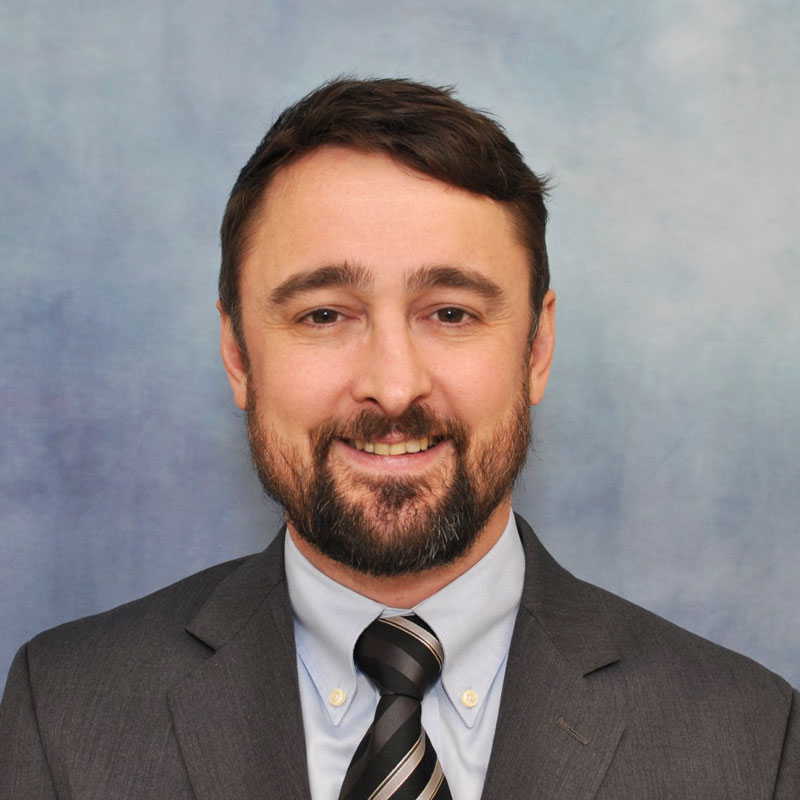
Employee Spotlight Shines on Mukid Khan

This month, we are proud to shine our Employee Spotlight on Mukid Khan, Epic Systems Analyst  and Registered Respiratory Therapist . Today is a little more special for this recognition because it is also Mukid’s birthday.

Mukid has been with Jamaica Hospital Medical Center for 10 years. He began his career with us as a Registered Respiratory Therapist;  he still continues to fill this role on a per diem basis. His full time position now is as an Epic Systems Analyst.

Mukid grew up in Queens. He lived in Astoria until the age of 16 then moved to Jamaica. He now resides in Forest Hills. He attended P.S. 85 in Astoria, Middle College High School in Long Island City and went on to get his B.S. in Respiratory Care at SUNY Stony Brook. A few years later, Mukid went on to graduate school at SUNY Downstate Health Sciences University where he obtained his M.S. in Medical Informatics.

In his free time, he enjoys listening to thought-provoking podcasts, watching indie films with ambiguous endings, experiencing art shows, and live musical events. Mukid likes to travel to new places. The most memorable places he has visited are the temples and shrines of Kyoto, Japan and the Corn Islands of Nicaragua. He enjoys eating various types of food, his favorites being Nicaraguense, Bangladeshi, and Japanese.  Mukid likes music that is melodic especially house and rock. His hobbies include photography, hiking, gaming, experimenting with new recipes, and also mixing music. His favorite annual holiday-time movie is the Lord of Rings Trilogy.

The priorities in his life are his wife and best friend Cristina, family, friends and his cat Kuma.  Also important to him are the pursuit of knowledge, understanding and justice.

We look forward to Mukid continuing to work with us for many more years.

All content of this newsletter is intended for general information purposes only and is not intended or implied to be a substitute for professional medical advice, diagnosis or treatment. Please consult a medical professional before adopting any of the suggestions on this page. You must never disregard professional medical advice or delay seeking medical treatment based upon any content of this newsletter. PROMPTLY CONSULT YOUR PHYSICIAN OR CALL 911 IF YOU BELIEVE YOU HAVE A MEDICAL EMERGENCY.

5 Essential Clothing Items for Preventing Frostbite

Winter in New York City can be very cold due to windy weather and temperatures that often reach below freezing. If you are not adequately prepared, you face a greater risk of suffering from frostbite, which occurs when the skin and deeper layers of tissue freeze.

Frostbite can introduce a variety of long-term complications such as long-term numbness in the affected area, changes in skin color, loss of nails, arthritis, and gangrene, which can lead to an amputation. It’s most likely to occur when a part of your body is insufficiently protected against cold weather, but factors such as alcohol usage, smoking, and a history of previous frostbite incidents can increase your risk.

One of the most important steps you can take to prevent frostbite is to stock your wardrobe with clothing that provides adequate protection against the cold. Make sure you have each of the following items:

An insulated, windproof hat that covers your ears: Your ears are at a greater risk of experiencing frostbite than other parts of your body, making it important to wear a hat that covers them and adequately protects them against cold temperatures and wind.

An adequately-insulated jacket: Some of the best jackets for protecting against cold weather are waterproof and feature down insulation with a fill power between 500 and 900, with the higher end of this range indicating superior quality. Other materials that offer good insulation include wool, silk, and fur. Types of jackets you may want to look for include puffer jackets and parkas.

Mittens: Your hands are typically better protected against the cold by mittens rather than gloves. As with your jacket, look for materials such as wool or silk to ensure your mittens can adequately retain heat.

Boots: Whether the weather conditions you walk in are snowy, rainy, or dry, winter boots can provide better protection against both cold wind and water than other types of footwear such as sneakers. As with other clothing items, look for boots that are waterproof, windproof, and insulated.

Moisture-wicking shirts and socks: Even in very cold weather, you can potentially work up a sweat, leaving you vulnerable to cold wind. Choose moisture-wicking shirts, socks, and other under-layers of clothing, as these will move the sweat you produce to their outer layers.

If you develop frostbite this winter, visit a doctor as soon as possible. You can schedule an appointment at Jamaica Hospital Medical Center’s Ambulatory Care Center by calling (718) 206-7001.

All content of this newsletter is intended for general information purposes only and is not intended or implied to be a substitute for professional medical advice, diagnosis or treatment. Please consult a medical professional before adopting any of the suggestions on this page. You must never disregard professional medical advice or delay seeking medical treatment based upon any content of this newsletter. PROMPTLY CONSULT YOUR PHYSICIAN OR CALL 911 IF YOU BELIEVE YOU HAVE A MEDICAL EMERGENCY.

Tips for Keeping Your New Year’s Resolution

Many people feel that the beginning of the New Year is the perfect time to get a “fresh start” on goals they would like to accomplish. While we may start off with good intentions, many people don’t follow through on their resolutions for more than a week or two. It may take time for a new habit or goal to become part of a daily routine, and those wanting immediate results may lose patience.

Here are some helpful suggestions for keeping your New Year’s resolutions this year:

  • Set goals that are realistic
  • Plan your goals in advance
  • Write down a plan on how you will achieve your goals
  • Tell others who you can trust to help you with your plan
  • Give yourself a reward when you reach certain levels of these goals
  • Keep track of your progress by writing it down
  • Don’t give up if the first attempt fails, try again.

Be patient with yourself. Changing a habit or starting a new routine can take time to get used to. If you don’t succeed with the first attempt, think about what went wrong and try to modify that behavior. You can always try again.

All content of this newsletter is intended for general information purposes only and is not intended or implied to be a substitute for professional medical advice, diagnosis or treatment. Please consult a medical professional before adopting any of the suggestions on this page. You must never disregard professional medical advice or delay seeking medical treatment based upon any content of this newsletter. PROMPTLY CONSULT YOUR PHYSICIAN OR CALL 911 IF YOU BELIEVE YOU HAVE A MEDICAL EMERGENCY.
Make Your Smile a Priority in 2023

We have all made New Year’s resolutions at some point in our lives. Many of these annual vows revolve around improving our health.  Typical resolutions may include losing weight, quitting smoking, or beginning an exercise routine, but what about our oral health? The New Year is also a good time to commit ourselves to better dental care.

Make 2023 the year you look to improve your smile. Some ways to help you meet this goal include:

  • Practice Good Oral Hygiene– Daily brushing and flossing is a simple way to improve oral health. For successful bacterial plaque removal, it is important to brush at least twice a day and floss at least once per day to remove bacterial plaque and food that has accumulated throughout the day. Daily brushing and flossing help to prevent gingivitis (gum disease), tooth decay and halitosis (bad breath). The daily use of antimicrobial and fluoride mouth rinses also helps to improve your oral health.
  • Watch What You Eat and Drink– An essential part of achieving your dental health resolutions is making healthier food and beverage choices, especially for snacks. Frequent consumption of food and beverages containing carbohydrates and acids contributes to tooth decay.
  • Quit Smoking– Quitting cigarette smoking and smokeless tobacco use is important for improving your oral and overall health. There is no better time than the present to make a resolution to stop tobacco use. Consider free online tools, smoking cessation groups, progress-tracking apps and support from friends and family to assist you with tobacco cessation.
  • Use Whitening Products– There are several over-the-counter smile-improving products that you can use to whiten your teeth when you brush and floss. In recent years, tooth whitening has acquired enormous popularity because it can enhance the appearance of teeth by removing deep (intrinsic) or surface (extrinsic) stains.
  • Receive Regular Check-Ups– A resolution to make routine visits to the dentist may help prevent oral disease or reveal an existing disease in its early stage. Dental visits should take place every six months to allow your dentist and dental hygienists to monitor the condition of your oral cavity and develop an appropriate treatment plan to meet your wants and needs.

Some however might need to make more than a few lifestyle changes to address their dental needs. For those, a dentist or orthodontist can help. Make this the year you stop putting off having dental work done. An orthodontist can correct an overbite or straighten crooked teeth and a dentist can address your need for crowns, implants, or fillings to preserve your tooth structure.

To make an appointment at Jamaica Hospital Medical Center’s Dental Center, please call 718-206-6980

All content of this newsletter is intended for general information purposes only and is not intended or implied to be a substitute for professional medical advice, diagnosis or treatment. Please consult a medical professional before adopting any of the suggestions on this page. You must never disregard professional medical advice or delay seeking medical treatment based upon any content of this newsletter. PROMPTLY CONSULT YOUR PHYSICIAN OR CALL 911 IF YOU BELIEVE YOU HAVE A MEDICAL EMERGENCY.
A Healthy Holiday Eggplant Ricotta Bites Recipe

It is the holiday season, a time of year when people tend to do eat special treats. Whether you are having company at your home or will be visiting others in theirs, this recipe from the Food Network for eggplant ricotta bites  will definitely put a smile on people’s faces.

https://www.foodnetwork.com/recipes/food-network-kitchen/eggplant-ricotta-bites-recipe-1973666

All content of this newsletter is intended for general information purposes only and is not intended or implied to be a substitute for professional medical advice, diagnosis or treatment. Please consult a medical professional before adopting any of the suggestions on this page. You must never disregard professional medical advice or delay seeking medical treatment based upon any content of this newsletter. PROMPTLY CONSULT YOUR PHYSICIAN OR CALL 911 IF YOU BELIEVE YOU HAVE A MEDICAL EMERGENCY.

What is a Blood Clot ?

A blood clot is the body’s way of preventing excess bleeding when a blood vessel is damaged. Clots are made up of cells in the blood called platelets combined with proteins found in the plasma. However, under normal circumstances the clot will dissolve naturally after the blood vessel heals. A blood clot can become dangerous when it forms without an injury to a blood vessel, and if it fails to dissolve naturally.

Blood clots can form in either the arteries or veins. When they form in veins, blood flow back to the heart is restricted. This can cause swelling and pain in the area where the clot has formed. When a blood clot forms in an artery, it will deprive vital organs of oxygen needed to function properly. In some cases this can lead to a heart attack or a stroke.

Risk factors for developing a clot include:

  • Smoking
  • Taking oral contraceptives
  • Trauma
  • Obesity
  • Diabetes
  • High blood pressure
  • Prolonged inactivity
  • Pregnancy
  • Family history
  • History of cancer
  • Age 65 or older
  • Bone fracture

The symptoms of a blood clot vary depending on the part of the body that is affected. Symptoms can include weakness in arms, legs, face, dizziness, shortness of breath, sharp chest pain, sweating, nausea, blurry vison and coughing up blood.

Treatment of a blood clot is dependent on where the clot is located. Some clots can be treated with blood thinners while others may require surgical intervention.

If you are experiencing any of the signs and symptoms of a blood clot, it is important that you seek immediate medical attention. You should call your physician or call 9-1-1 and go to the nearest emergency room to be evaluated.

All content of this newsletter is intended for general information purposes only and is not intended or implied to be a substitute for professional medical advice, diagnosis or treatment. Please consult a medical professional before adopting any of the suggestions on this page. You must never disregard professional medical advice or delay seeking medical treatment based upon any content of this newsletter. PROMPTLY CONSULT YOUR PHYSICIAN OR CALL 911 IF YOU BELIEVE YOU HAVE A MEDICAL EMERGENCY.