Three Essential Back to School Tips

Although your child may be exposed to several health risks as the new school year begins, you can help them stay healthy by following these tips:

Getting your child vaccinated: Ensuring that your child receives their recommended immunizations is a simple, effective way to keep them from getting sick. In fact, many schools require students to receive their immunizations in order to attend classes.

Hand-washing and sanitization: Hand-washing and sanitizing alone go a long way toward staying in school; according to the Centers for Disease Control, hand-washing can reduce the risk of respiratory illness by up to 21%. Following and promoting sanitary practices at home may make it easier for them to continue these practices while at school.

Creating a mentally healthy environment: Physical illness isn’t the only health risk your child may face in class. Stress, bullying, or even issues like undiagnosed ADD or ADHD can negatively impact their mental health and their ability to stay focused on their studies. Staying aware of the causes of mental health issues, creating a supportive environment at home, encouraging your child to maintain healthy routines, and helping them learn effective coping mechanisms can make it easier for them to maintain a healthy state of mind throughout the school year.

Visit Jamaica Hospital Medical Center’s Ambulatory Care Center to get your child the medical help they need to stay engaged with their studies. You can also visit our Psychiatry Department for help addressing mental health challenges that arise before, during, or after the school year.

All content of this newsletter is intended for general information purposes only and is not intended or implied to be a substitute for professional medical advice, diagnosis or treatment. Please consult a medical professional before adopting any of the suggestions on this page. You must never disregard professional medical advice or delay seeking medical treatment based upon any content of this newsletter. PROMPTLY CONSULT YOUR PHYSICIAN OR CALL 911 IF YOU BELIEVE YOU HAVE A MEDICAL EMERGENCY.

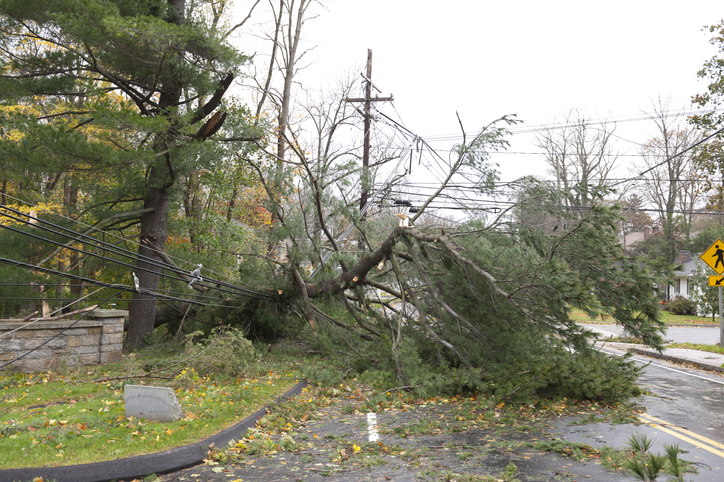
Are You Prepared for Hurricane Season ?

While we typically associate the summer with delightful temperatures, this time of year can also bring dangerous weather conditions, namely hurricanes.

With a long history of providing relief to places previously devastated by hurricanes, including sending personnel to assist the victims of Hurricanes Katrina and Maria, Jamaica Hospital Medical Center is experienced and knowledgeable about how to properly prepare for such an event. Our hospital would like to share the following safety tips with our community:

  • In case of a need to evacuate, know where the nearest evacuation route is located
  • Keep a supply of non-perishable food that doesn’t require refrigeration or cooking
  • In an easy to locate area of your home keep flashlights, extra batteries, extra cash, a first aid kit, basic tools, charged cell phones and chargers, and a battery operated radio
  • Make sure you have a seven day supply of prescription medications
  • Have a three day supply of drinking water, one gallon per day per person.
  • Fill a bathtub with water to use to flush toilets
  • Make sure that all of your important documents are kept in a place that is high above ground level. Always keep a copy of these documents with you if there is a need to evacuate
  • Give everyone in your household a list of people they should contact in case of an emergency
  • Have a plan to protect your pets and have extra food for them
  • Prepare to put outdoor furniture away or at least firmly secured

By being prepared and following these tips, you can help keep your home and your loved ones safe from disaster.

For more information, please visit https://www.ready.gov/hurricanes and www.fema.gov

All content of this newsletter is intended for general information purposes only and is not intended or implied to be a substitute for professional medical advice, diagnosis or treatment. Please consult a medical professional before adopting any of the suggestions on this page. You must never disregard professional medical advice or delay seeking medical treatment based upon any content of this newsletter. PROMPTLY CONSULT YOUR PHYSICIAN OR CALL 911 IF YOU BELIEVE YOU HAVE A MEDICAL EMERGENCY.

The Risk of Dehydration During Warm Weather Months

Dehydration is a condition, seen at any time of the year but more often during the warmer months,  whereby the body doesn’t have enough water and therefore is unable to function properly. The severity of dehydration, mild, moderate or severe indicates how much water is missing from the body. Severe dehydration can lead to the body going into shock. The people who are most susceptible to dehydration are people who work outdoors in warm weather, and also athletes, the elderly, and people who live in high altitudes.

The body loses water in various ways. These include:

  • Sweating
  • Urinating
  • Breathing,
  • Crying
  • Pooping

We can lose an even greater amount of water when we have a fever, diarrhea, vomiting, sweating heavily while exercising strenuously, frequently urinating due to diabetes or when taking certain medications that cause us to deplete the water in our bodies.

What are the symptoms of dehydration? Depending on the severity, in adults they can include:

  • Headaches
  • Dizziness
  • Weakness
  • Muscle cramps
  • Low blood pressure
  • Dark urine
  • Dry skin
  • Rapid heartbeat
  • Rapid breathing
  • Sleepiness

In young children symptoms of dehydration can also include having a dry diaper for several hours, crying without tears, sunken eyes, irritability, and a dry mouth and tongue.

The recommended amount of water taken in every day for an adult woman is 92 fluid ounces and for an adult man it is 124 fluid ounces. More water may be necessary if exercising strenuously or spending time in a very warm environment for an extended period of time. It is recommended that people who are dehydrated avoid caffeinated beverages, sugary drinks, and drinks containing alcohol.

If a person is suspected of being dehydrated, medical exams can help to diagnose it. This will include a thorough history, blood pressure, heart rate, blood test, and urine exams. A simple way to rehydrate some people is to have them drink more water during the day, and in some cases a sports drink that contains electrolytes. A young child may be given called Pedialyte. In more severe cases it may be necessary to give fluids intravenously.

If you have symptoms of dehydration, consult with a physician immediately. A severe case of dehydration can lead to complications, and potentially death. For less severe cases., you can schedule an appointment with a physician at Jamaica Hospital Medical Center by calling 718-206-7001.

All content of this newsletter is intended for general information purposes only and is not intended or implied to be a substitute for professional medical advice, diagnosis or treatment. Please consult a medical professional before adopting any of the suggestions on this page. You must never disregard professional medical advice or delay seeking medical treatment based upon any content of this newsletter. PROMPTLY CONSULT YOUR PHYSICIAN OR CALL 911 IF YOU BELIEVE YOU HAVE A MEDICAL EMERGENCY.

Anger Management in Children

Children, just as adults, can exhibit different ways of expressing their anger or frustration. The difference is that adults typically have better ways of coping with and understanding these emotions.  Children, on the other hand lack the maturity to understand why they feel the way that they do.

It is not unusual for a child to experience moments of stress which can lead to anger. Children will tend to respond to these situations by “acting out “. This can be displayed by crying uncontrollably, screaming, clenching their fists, hitting or being difficult to console.

These are a variety of events that can lead a child to displaying their frustration, including:

  • A new person, such as a baby, coming into the home
  • Parents fighting all the time
  • Starting a new school
  • Moving to a new home
  • Having a difficult time in school
  • Being bullied
  • Experiencing a trauma such as the loss of a loved one

What are some of the ways to help a child cope with their anger? Here are a few suggestions:

Children have to understand that there are certain rules and limits that they must live by. Setting a good example as an adult as to what constitutes good behavior is very important. It is also important to be consistent when setting boundaries. Rules can’t change from one situation to another and from one adult to another when dealing with a child.

Additional recommendations include:

  • Rewarding good behavior.
  • Keeping calm, getting angry at the already angry child can make things worse
  • Trying to speak to the child away from others so that they aren’t being embarrassed in front of others
  • Be reassuring to the child, tell them everything will be okay.
  • If the child is old enough, allowing them to verbalize why they feel the way they do.

Some activities that a child can do to relieve stress and lessen anger include having them:

  • Pop bubble wrap
  • Squish playdough
  • Scribble on a piece of paper than crumple it up
  • Do exercises
  • Rip a piece of paper

Most children will respond well to an adult who wants to help them learn how to cope with their anger. However there are some situations where professional intervention may be necessary. Speak to your pediatrician if you think your child is becoming angry too frequently or is overreacting. If you would like to make an appointment with a pediatrician at Jamaica Hospital Medical Center, please call 718-206-7001.

All content of this newsletter is intended for general information purposes only and is not intended or implied to be a substitute for professional medical advice, diagnosis or treatment. Please consult a medical professional before adopting any of the suggestions on this page. You must never disregard professional medical advice or delay seeking medical treatment based upon any content of this newsletter. PROMPTLY CONSULT YOUR PHYSICIAN OR CALL 911 IF YOU BELIEVE YOU HAVE A MEDICAL EMERGENCY.

Childhood Asthma

Did you know that asthma is the most common chronic childhood disease? It is more commonly found in children who live in inner cities and more prevalent in African Americans than Caucasians, and in males more often than females.

Asthma often runs in families. Children who have brothers or sisters or parents with asthma often will have the disease themselves.

Additional risk factors for childhood asthma include:
• Allergies – environmental or food
• Frequent respiratory infections
• Being in an environment with second hand smoke
• Living in an inner city versus in a suburban area
• African American
• Low birth weight baby

Signs and symptoms include:
• Rapid breathing
• Dark circles under the eyes
• Shortness of breath
• Wheezing
• Feeling tired or weak
• Chest pain on exertion

If you would like to have your child evaluated for asthma, please contact the Ambulatory Care Center at Jamaica Hospital Medical Center at 718-206-7001 for an appointment.

All content of this newsletter is intended for general information purposes only and is not intended or implied to be a substitute for professional medical advice, diagnosis or treatment. Please consult a medical professional before adopting any of the suggestions on this page. You must never disregard professional medical advice or delay seeking medical treatment based upon any content of this newsletter. PROMPTLY CONSULT YOUR PHYSICIAN OR CALL 911 IF YOU BELIEVE YOU HAVE A MEDICAL EMERGENCY.

Employee Spotlight Shines on Cesar Florez

This month, we are proud to shine our Employee Spotlight on Cesar Florez, Switchboard Manager.

Cesar will celebrate his 16th year of working at the hospital in September of this year. He is a native of Columbia, and moved to the Flushing area of Queens when he was 11 years old and currently resides in Springfield Gardens, Queens. Cesar attended IS 25, Queens Vocational High School and is a graduate of Bayside High School. He obtained his Associate degree at Queensborough Community College and his Bachelors from York College.

Cesar has one son who is 28 years old. While he doesn’t own a pet, he fosters dogs, that he considers to be little angels. In his free time he enjoys exploring different areas in his own city, as well as going to concerts. He listens to Pop music and also enjoys jazz, salsa, and blues.  He likes to read and to learn new languages. His favorite sport is soccer, both to play and to watch. Cesar enjoys dining out and his top choices are Columbian, Italian and seafood.

Cesar has travelled many times back to his native Columbia, and has also been to countries in Central America, and has also been to Mexico. In the near future he hopes to visit Europe. He enjoys spending time with family and friends whenever he has the opportunity.

Cesar considers himself to be a very positive person. He believes in always being an optimist. He strives to make a difference in the world any way he can. Even if it is only on a small level, he feels it is important to do things that will make people’s lives better.

Cesar likes working at Jamaica Hospital because of the diversity of the people, and the ability to grow both professionally and personally. He also enjoys the great people that he is fortunate to work with on a daily basis. We look forward to Cesar continuing to work with us for many more years in the future.

All content of this newsletter is intended for general information purposes only and is not intended or implied to be a substitute for professional medical advice, diagnosis or treatment. Please consult a medical professional before adopting any of the suggestions on this page. You must never disregard professional medical advice or delay seeking medical treatment based upon any content of this newsletter. PROMPTLY CONSULT YOUR PHYSICIAN OR CALL 911 IF YOU BELIEVE YOU HAVE A MEDICAL EMERGENCY.

A Memorial Day Weekend Recipe – Crunchy Lemonade Drumsticks

Memorial Day Weekend calls for an easy to prepare, crunchy lemonade drumstick for all to enjoy. Here is a recipe from the Food Network that we recommend.

https://www.foodnetwork.com/recipes/food-network-kitchen/crunchy-lemonade-drumsticks-recipe-1973148

All content of this newsletter is intended for general information purposes only and is not intended or implied to be a substitute for professional medical advice, diagnosis or treatment. Please consult a medical professional before adopting any of the suggestions on this page. You must never disregard professional medical advice or delay seeking medical treatment based upon any content of this newsletter. PROMPTLY CONSULT YOUR PHYSICIAN OR CALL 911 IF YOU BELIEVE YOU HAVE A MEDICAL EMERGENCY.

May is Celiac Disease Awareness Month

The month of May has been designated as National Celiac Disease Awareness Month. Celiac Disease affects one in 133 people in the United States. It is estimated that only 5% percent of the people who are affected are aware that they have it.

According to the Celiac Disease Foundation, celiac disease is defined as “a genetic autoimmune disorder where the ingestion of gluten leads to damage in the small intestine.” If left untreated, celiac disease can cause long-term health conditions such as gall bladder malfunction, infertility or miscarriage, pancreatic insufficiency, early onset osteoporosis or osteopenia as well as vitamin and mineral deficiencies.

Symptoms of celiac disease include:

  • Diarrhea
  • Fatigue
  • Headaches
  • Dermatitis
  • Bloating
  • Anxiety
  • Constipation
  • Depression
  • Delayed growth in children

Diagnosing celiac disease is performed through a blood test. If the results of the blood test come back positive, an endoscopy will be performed to give a definitive diagnosis.

In addition to having a better understanding of celiac disease, educating yourself about the changes to expect in your lifestyle will prove helpful. Some of the changes include:

  • Discarding any food that contains gluten. This means sticking to a strict diet that excludes barley, farina, oats, rye, and other known to have gluten.
  • Excluding certain items from your diet may deprive you of some nutrients. Therefore, it is recommended that you speak to your doctor about which vitamins and dietary supplements you should take.
  • Evaluating the ingredients in medications, some may have small amounts of gluten.
  • Taking care of your body by exercising and implementing more fruits and vegetables into your diet.
  • Following up with your physician or dietician as recommended. This is important as it will help to monitor your nutritional intake and check for deficiencies.

If you are experiencing symptoms of celiac disease and would like to schedule an appointment with a physician at Jamaica Hospital Medical Center, please call 718-206-7001.

All content of this newsletter is intended for general information purposes only and is not intended or implied to be a substitute for professional medical advice, diagnosis or treatment. Please consult a medical professional before adopting any of the suggestions on this page. You must never disregard professional medical advice or delay seeking medical treatment based upon any content of this newsletter. PROMPTLY CONSULT YOUR PHYSICIAN OR CALL 911 IF YOU BELIEVE YOU HAVE A MEDICAL EMERGENCY.

Employee Spotlight Shines on Karen Clemente, PA

This month, we are proud to shine our Employee Spotlight on Karen Clemente, Physician Assistant in the Jamaica Hospital Medical Center Emergency Department. She has been a member of our team for 12 years.

Karen was born in the Philippines and moved to Queens, New York at a very early age. She attended PS 115 and is a graduate of St. John’s University. She is still residing in Queens. In her free time, she enjoys taking road trips and one of her favorite places to visit is Maine. Karen also enjoys going on Fall hikes in national parks.

Karen likes different types of food, the spicier the better. She loves music of all types and feels that there is always a genre that fits every mood. Karen enjoys spending her free time with family and friends.

Working at Jamaica Hospital has been a wonderful experience for Karen. The staff works well together and there are many positive aspects to working in the Emergency Department. We look forward to having Karen continuing to work with us for many more years.

All content of this newsletter is intended for general information purposes only and is not intended or implied to be a substitute for professional medical advice, diagnosis or treatment. Please consult a medical professional before adopting any of the suggestions on this page. You must never disregard professional medical advice or delay seeking medical treatment based upon any content of this newsletter. PROMPTLY CONSULT YOUR PHYSICIAN OR CALL 911 IF YOU BELIEVE YOU HAVE A MEDICAL EMERGENCY.

Employee Spotlight Shines on Ida Ogrenaj, RMA

This month, we are proud to shine our employee spotlight on Ida Ogrenaj, Registered Medical Assistant in the TJH Medical suite at Jamaica Hospital Medical Center.  She has been working at our hospital for the past seven years.

Ida  grew up in Albania where she attended elementary school, high school and college where she graduated with a degree as a teacher. She moved to the United States in 2010, settling in Middle Village where she still lives. She followed her passion for helping people by obtaining her Medical Assistant degree from the  Bramson ORT school in Forest Hills.

Ida has an eight year old daughter, Alessia who she is very proud of. In her free time she enjoys spending time with her family and friends. One of her favorite sports is volleyball.  She enjoys travelling and some of the countries she has visited are Greece, Italy, and Turkey. Most recently, she had the opportunity to visit a few states within the United States.

Ida enjoys many different types of cuisine,  Mediterranean, Italian, and Spanish are her favorites. She likes various types of music and her favorite singer is Celine Dion.  In her free time Ida enjoys photography, cooking and decorating. The things that are most important to her are family, friendships, peace, health and love.

Ida feels that working at Jamaica Hospital in the TJH Medical suite is a wonderful experience. She likes it because it is a great working, teaching, and learning environment. The staff is very friendly and she enjoys the diversity of the people she works with. Ida values the interactions with patients every day. She has a passion for helping people to stay healthy and looks forward to working at TJH Medical for many years in the future.

All content of this newsletter is intended for general information purposes only and is not intended or implied to be a substitute for professional medical advice, diagnosis or treatment. Please consult a medical professional before adopting any of the suggestions on this page. You must never disregard professional medical advice or delay seeking medical treatment based upon any content of this newsletter. PROMPTLY CONSULT YOUR PHYSICIAN OR CALL 911 IF YOU BELIEVE YOU HAVE A MEDICAL EMERGENCY.