A Springtime Recipe for Fettuccine Alfreddo and Vegetables

A beautiful, spring evening calls for a light, easy to prepare, fettuccine alfredo and spring vegetable dish to enjoy. Here is a recipe from the Food Network that we recommend.

https://www.foodnetwork.com/recipes/food-network-kitchen/spring-vegetable-fettuccine-alfredo-3577686

All content of this newsletter is intended for general information purposes only and is not intended or implied to be a substitute for professional medical advice, diagnosis or treatment. Please consult a medical professional before adopting any of the suggestions on this page. You must never disregard professional medical advice or delay seeking medical treatment based upon any content of this newsletter. PROMPTLY CONSULT YOUR PHYSICIAN OR CALL 911 IF YOU BELIEVE YOU HAVE A MEDICAL EMERGENCY.

Losing Winter Weight

During the winter months we tend to gain weight because we are usually less active and also because of excess holiday eating. Now that spring has arrived we can go outdoors and increase physical activity.

In addition to exercising, there are a few adjustments that can be made to our diets and lifestyle that can help us lose winter weight.

Some tips for losing weight include:

  • Eating high fiber foods
  • Sleeping at least 6 hours every night
  • Taking probiotics
  • Avoiding drinking alcoholic beverages
  • Avoiding sugary drinks
  • Eating more fish
  • Practicing portion control
  • Avoiding late night snacking
  • Taking walks during daylight hours to increase Vitamin D production
  • Drinking water instead of snacks
  • Practicing portion control

Before starting any type of diet, it is best to consult your physician first to discuss  what they recommend is  best for you. If you would like to schedule an appointment with a physician at Jamaica Hospital Medical Center, please call 718-206-7001.

All content of this newsletter is intended for general information purposes only and is not intended or implied to be a substitute for professional medical advice, diagnosis or treatment. Please consult a medical professional before adopting any of the suggestions on this page. You must never disregard professional medical advice or delay seeking medical treatment based upon any content of this newsletter. PROMPTLY CONSULT YOUR PHYSICIAN OR CALL 911 IF YOU BELIEVE YOU HAVE A MEDICAL EMERGENCY.

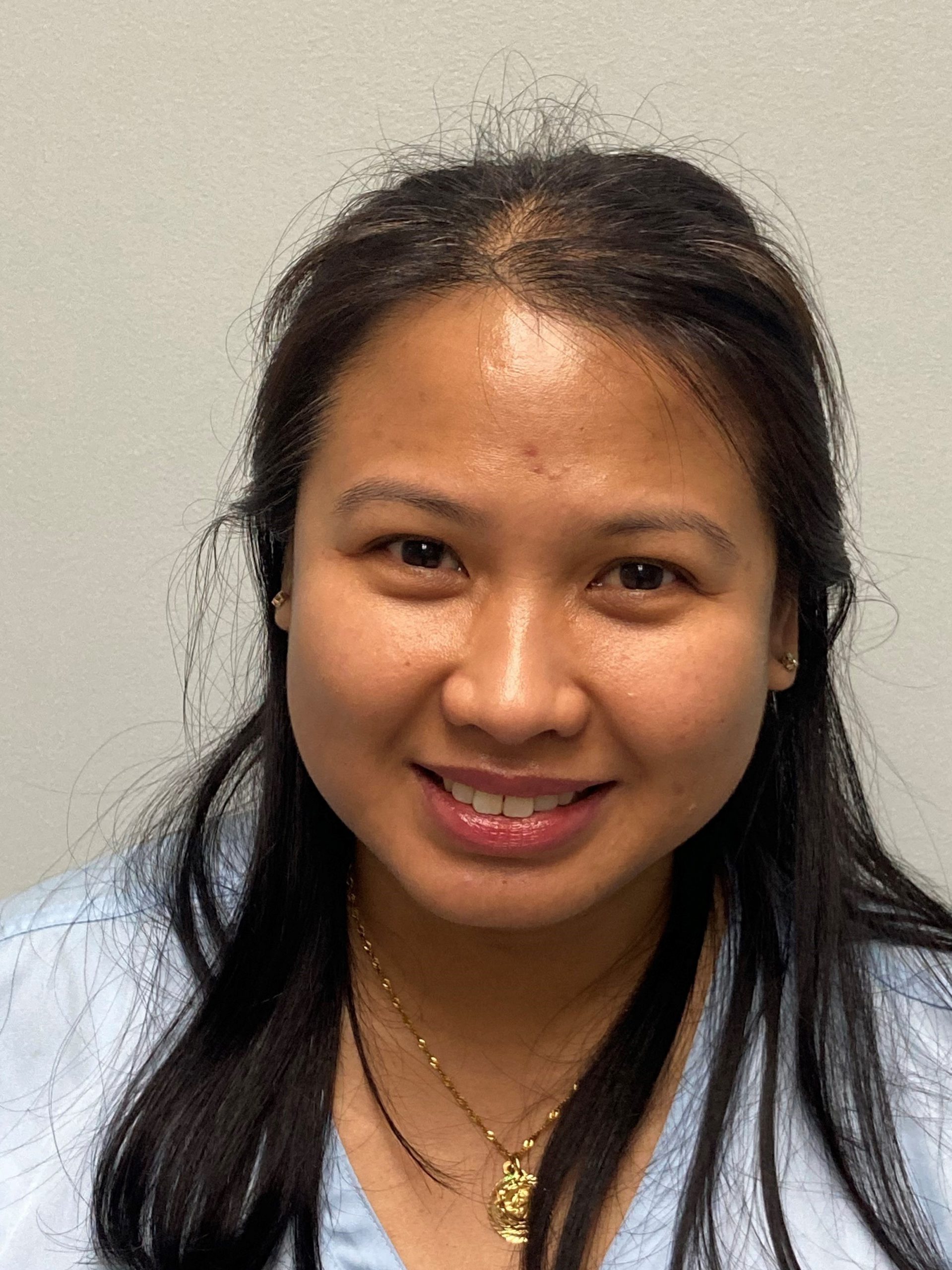
Employee Spotlight Shines On Eulanda Corales, DNP, RN, CCRN

This month, we are proud to shine our Employee Spotlight on Eulanda Corales, DNP, RN, CCRN, Clinical Nurse Manager for the NICU and Pediatric unit.

Eulanda has been at Jamaica Hospital Medical Center for 36 years. She grew up in the Philippines where she attended elementary school, high school and obtained her RN degree. She moved to  Queens in 1986 and has since obtained her Master’s degree in Nursing Administration at Adelphi University and her Doctorate degree from Chamberlain University. Eulanda now resides on Long Island.

Eulanda has two daughters who are both nurses and that she is very proud of.  Her older daughter is a NICU nurse and her younger daughter is a Pediatric Cardiothoracic ICU nurse. She also has a granddaughter who is one year and nine months old. Her granddaughter brings her much joy and she loves spending time with her. Her granddaughter’s favorite thing to do is to dance and sing, especially to Michael Buble’s version of the song “Sway” and “Save the Last Dance for Me”.

In her free time, Eulanda enjoys reading and online window shopping. She likes many types of sports, especially archery, volleyball, rock climbing, jet skiing, parasailing, standup paddling, and body paddling. Eulanda enjoys travelling and has been to many places of interest that include all of the Hawaiian Islands, California, many cities in Mexico, the Bahamas, Virginia Beach, Bahrain, Kuwait and Saudi Arabia.  She likes to go “Glamping” which is glamorous camping whenever she can. Eulanda also practices Neurobics which is aerobics for the brain.

Eulanda likes all types of food, especially, Indian, Mexican and Italian. While she enjoys many types of music, at the moment her favorite musician is the Croatian cellist Hauser. Her hobbies include photography, collecting stamps and coins from all over the world, and she also collects pens and beautiful rocks that she gives as gifts to her daughters at Christmas.

Eulanda enjoys working at Jamaica Hospital because everyone works well together as a team. She enjoys the diversity of the patients as well as the staff. She has learned many life lessons from the diversity of the people she has had the pleasure to meet over the years.  We are very happy to have Eulanda as a member of our team and look forward to her continuing to work at the hospital for many more years.

All content of this newsletter is intended for general information purposes only and is not intended or implied to be a substitute for professional medical advice, diagnosis or treatment. Please consult a medical professional before adopting any of the suggestions on this page. You must never disregard professional medical advice or delay seeking medical treatment based upon any content of this newsletter. PROMPTLY CONSULT YOUR PHYSICIAN OR CALL 911 IF YOU BELIEVE YOU HAVE A MEDICAL EMERGENCY.

Stomach Flu

Gastroenteritis, or the stomach flu, is a very contagious bug that is common in our region beginning in the fall and winter months.

The stomach flu attacks your intestines causing the following symptoms:

Watery, non-bloody diarrhea
Abdominal cramps and pain
Nausea, vomiting or both
Occasional muscle aches, headache, and low-grade fever

Gastroenteritis is typically spread through the sharing of food or drink with someone who is infected or sharing other items with them such as utensils or towels. Children can also spread the illness by placing their hands in their mouths after touching contaminated items or surfaces.

Symptoms usually appear within one to three days after exposure and can range from mild to severe. Typically symptoms last only a day or two, but in some cases, they may persist for up to ten days.

The main complication from viral gastroenteritis is dehydration — a severe loss of water and essential salts and minerals. If you’re healthy and drink enough to replace fluids you lose from vomiting and diarrhea, dehydration shouldn’t be a problem. However, infants, older adults and people with suppressed immune systems may become severely dehydrated when they lose more fluids than they can replace. Hospitalization might be needed so that lost fluids can be replaced intravenously. Dehydration can be fatal, but rarely.

To avoid catching the stomach flu, it is recommended that individuals wash their hands thoroughly, use separate items around the home, disinfect all potentially infected items and surfaces, and keep your distance from those who are infected.

If you do contract gastroenteritis, follow these tips:

1) Let your stomach settle. Stop eating solid foods for a few hours.
2) Try sucking on ice chips or taking small sips of water. You might also try drinking clear liquids or broths or non-caffeinated sports drinks. Drink plenty of liquid every day, taking small, frequent sips. 
3) Ease back into eating. Gradually begin to eat bland, easy-to-digest foods, such as ginger ale crackers, toast, gelatin, bananas, rice and chicken. Stop eating if your nausea returns.
4)  Avoid certain foods and substances until you feel better. These include dairy products, caffeine, alcohol, nicotine, and fatty or highly seasoned foods.
5)  Get plenty of rest. The illness and dehydration may have made you weak and tired.

For babies and young children, seek medical care if vomiting is frequent, there hasn’t been a wet diaper in 6 hours, has bloody stools, if diarrhea is severe, cries without tears, and if they are unusually drowsy, sleepy or unresponsive.

See a doctor if you become dehydrated (characterized by excessive thirst, dry mouth, dark yellow or no urine, severe weakness, change in mental status or dizziness), if symptoms persist for over 24 hours, if you are vomiting blood or have blood in your stool, or if you have a temperature of 104 degrees or above.

While most people will recover from a stomach virus after 24 – 48 hours, in some severe cases it may be necessary to go to the nearest emergency room. If you would like to schedule an appointment with a physician at Jamaica Hospital Medical Center, please call 718-206-7001.

All content of this newsletter is intended for general information purposes only and is not intended or implied to be a substitute for professional medical advice, diagnosis or treatment. Please consult a medical professional before adopting any of the suggestions on this page. You must never disregard professional medical advice or delay seeking medical treatment based upon any content of this newsletter. PROMPTLY CONSULT YOUR PHYSICIAN OR CALL 911 IF YOU BELIEVE YOU HAVE A MEDICAL EMERGENCY.

March is National Kidney Month

March is National Kidney Month and the National Kidney Foundation is urging all Americans to give their kidneys a well-deserved checkup.

The kidneys are two fist-sized organs, located just below the rib cage,  in your lower back. The left kidney is on the left side of the spine and the right kidney is on the right side of the spine.  Blood flows through the kidneys many times a day. They maintain overall health by serving the following functions:

  • Filtering waste out of 200 liters of blood each day
  • Regulating of the body’s salt, potassium and acid content
  • Removing toxins from the body.
  • Balancing the body’s fluids
  • Releasing hormones that regulate blood pressure
  • Producing an active form of vitamin D that promotes strong, healthy bones
  • Controlling the production of red blood cells


According to the U.S. Centers for Disease and Control, some quick facts on Kidney Disease are:

  • Kidney disease is the 9thleading cause of death in the country.
  • More than 26 million Americans have kidney disease, and most don’t know it.
  • There are over 95,000 people waiting for kidney transplants.
  • Currently, more than 590,000 people have kidney failure in the U.S. today.
  • Risk factors for kidney disease are hypertension, diabetes, family history, and age over 60.

Symptoms of kidney disease include:

  • Swelling of the face, hands, abdomen, ankles, and feet
  • Blood in the urine
  • Puffy eyes
  • Painful urination
  • Increased thirst
  • Fatigue

Often times, kidney failure can be prevented or delayed through early detection and proper treatment of underlying disease such as diabetes and high blood pressure which can slow additional damage to the kidneys.

If you are 18 years or older with diabetes, high blood pressure, cardiovascular disease or a family history of kidney disease, you should schedule an appointment with your doctor and ask that you be screened for kidney disease.

If you would like to make an appointment to have your kidney’s checked, you can call Jamaica Hospital Medical Center’s Ambulatory Care Center at 718-206-7001 for an appointment.

All content of this newsletter is intended for general information purposes only and is not intended or implied to be a substitute for professional medical advice, diagnosis or treatment. Please consult a medical professional before adopting any of the suggestions on this page. You must never disregard professional medical advice or delay seeking medical treatment based upon any content of this newsletter. PROMPTLY CONSULT YOUR PHYSICIAN OR CALL 911 IF YOU BELIEVE YOU HAVE A MEDICAL EMERGENCY.

Employee Spotlight Shines on Melissa Nolan, EMT, and Emergency Management Planner

This month, we are proud to shine our Employee Spotlight on Melissa Nolan, EMT, and  Emergency Management Planner.

Melissa has been with Jamaica Hospital Medical Center for five years. She grew up in the Riverdale section of the Bronx and still resides there. Melissa attended elementary school at St. Margaret of Cortona, high school at Saint Vincent Ferrer, and received her Bachelors of Liberal Arts and Sciences in Communication and Media Management from SUNY New Paltz. Melissa received her EMT certification from Montefiore Hospital –  Wakefield campus.

In her free time, Melissa enjoys spending time with her family and friends. She likes to go with them to sporting events, concerts, and Broadway shows. She also enjoys travelling with her family. One of her most memorable vacations was a Mediterranean cruise around Italy, France, and Greece. She is now planning to take a trip to Nashville.

Melissa likes different types of food, especially Italian, Greek, Spanish and Portuguese. She enjoys all types of music, and listens to everything from Elvis and the Rat Pack to the Beatles, Motown, Michael Jackson, Elton John, Miley Cyrus and Lizzo. Her favorite sports teams are the Dallas Cowboys and the New York Yankees. Being of Italian, Portuguese, Brazilian and Irish descent, she roots for their national teams during the Soccer World Cup but her favorite is the Brazilian team.

She enjoys working at Jamaica Hospital because she feels that her mind is challenged at least once a day and with that comes the opportunity to learn and expand her knowledge. Melissa likes being part of the Emergency Management Department because it plays such an important role in helping to keep the hospital functioning well, especially during times of crisis. 

Melissa’s priorities in life include  making sure that her family is well cared for. She also believes it is important to lend a helping hand to others so that they can achieve their goals.

We are fortunate to have Melissa as a part of our team and look forward to her continuing to work with us for many more years in the future.

All content of this newsletter is intended for general information purposes only and is not intended or implied to be a substitute for professional medical advice, diagnosis or treatment. Please consult a medical professional before adopting any of the suggestions on this page. You must never disregard professional medical advice or delay seeking medical treatment based upon any content of this newsletter. PROMPTLY CONSULT YOUR PHYSICIAN OR CALL 911 IF YOU BELIEVE YOU HAVE A MEDICAL EMERGENCY.

National Organ Day

.

On any given day, an average of 20 people die in the United States while waiting for a life saving organ transplant. There are currently over 120,000 people in the United States who are awaiting an organ donation that could potentially save their lives.
These are the five most common donations that are desperately needed to save lives:

• Organs
• Tissue
• Marrow
• Platelets
• Blood


Jamaica Hospital Medical Center supports organ donation. To find out how you can register to become an organ donor, go to www.liveonny.org for more information.

All content of this newsletter is intended for general information purposes only and is not intended or implied to be a substitute for professional medical advice, diagnosis or treatment. Please consult a medical professional before adopting any of the suggestions on this page. You must never disregard professional medical advice or delay seeking medical treatment based upon any content of this newsletter. PROMPTLY CONSULT YOUR PHYSICIAN OR CALL 911 IF YOU BELIEVE YOU HAVE A MEDICAL EMERGENCY.

How to Avoid Winter Injuries

The winter months can be a very nice time of year to spend outdoors enjoying many different types of sports and cold weather activities. However, it is important to remember that cold weather activities can pose certain risks. Here are some of the most common winter activities that can cause injuries and ways to avoid these mishaps:

Walking on slippery surfaces – the most common injuries are slips and falls which can lead to broken bones, sprained muscles and back injuries. Ways to avoid these injuries include:

  • Taking short steps
  • Walking slowly
  • Bending knees slightly when walking
  • Holding on to a railing when possible
  • Keeping your hands at your sides

Shoveling snow – when not done properly can lead to injuries of the back, neck, ankles, knees, wrists. and shoulders. Ways to avoid these injuries includes:

  • Warming up your muscles before starting to shovel by stretching
  • Bending at the knees
  • Keeping your back straight
  • Pushing snow instead of lifting when possible
  • Taking frequent breaks

Frostbite – this can occur if you are outdoors for prolonged periods without proper clothing for protection. Signs of frostbite are numbness and change in skin color. Ways to avoid frostbite include:

  • Wearing gloves, hats, heavy socks
  • Dressing in layers
  • Avoiding going outdoors when wet

Participating in winter sports – activities such as ice skating, sledding, skiing, snowboarding, ice hockey and snowmobiling look like fun and they can be when practiced safely. However, accidents can occur when proper precautions are not taken. Some of these precautions include:

  • Making sure the ice on a pond or a lake is thick enough for the chosen activity
  • Wearing a helmet is important to avoid head injuries
  • Making sure there is someone supervising children or inexperienced adults
  • Avoiding courses with obstacles especially when skiing, sledding, snowmobiling, and ice skating
  • Taking lessons first if you have never participated in an activity
  • Wearing proper safety gear especially on knees and elbows in case of a fall

It is important to never participate in any winter sporting activity alone, especially where the risks of injury are high.

Outdoor winter activities often look easier than they actually are. Taking precautions, will help to keep you safe from serious injuries.

All content of this newsletter is intended for general information purposes only and is not intended or implied to be a substitute for professional medical advice, diagnosis or treatment. Please consult a medical professional before adopting any of the suggestions on this page. You must never disregard professional medical advice or delay seeking medical treatment based upon any content of this newsletter. PROMPTLY CONSULT YOUR PHYSICIAN OR CALL 911 IF YOU BELIEVE YOU HAVE A MEDICAL EMERGENCY.

Everything You Need to Know About the Different Types of Sugar

Sugar is a type of carbohydrate that is composed of molecules of carbon, hydrogen and oxygen. When carbohydrates are broken down through digestion they become a source of energy for the body..

There are two types of carbohydrates, known as either simple carbohydrates or complex carbohydrates. Simple carbohydrates are made of either one molecule of sugar or two molecules of sugar. Complex carbohydrates are made up of three or more sugar molecules.

The simplest type of sugar is called a monosaccharide or simple sugar. Examples of this type of sugar are:

Glucose – comes from plants and the body uses it for energy.
Fructose – comes from honey, fruits and some root vegetables and can only be broken down by the liver.
Galactose – mainly found in peas and is structurally a variant of glucose.

Another type of simple sugar is a disaccharide which are formed when two monosaccharides are joined together. Examples of this type of sugar are:

Sucrose – comes from the combination of glucose and fructose and is found in sugar beets, often called           table sugar.
Lactose – found in dairy products and is a combination of glucose and galactose.
Maltose – is composed of two molecules of glucose and found in some grains.

Some sugars are found in food naturally while other sugars are added to food when they are processed to add color and flavor. Regardless of sugar’s source, the body will metabolize it the same way. Sugar that is found naturally in fruit usually is in small enough quantities that it isn’t harmful. Added sugars are processed and do not provide any benefits to our health.

Consuming too much sugar can have detrimental effects on the body. This includes obesity, dental cavities, and diabetes. It is important to limit the amount of any type of sugar that is consumed on a daily basis in order to avoid these negative effects.

All content of this newsletter is intended for general information purposes only and is not intended or implied to be a substitute for professional medical advice, diagnosis or treatment. Please consult a medical professional before adopting any of the suggestions on this page. You must never disregard professional medical advice or delay seeking medical treatment based upon any content of this newsletter. PROMPTLY CONSULT YOUR PHYSICIAN OR CALL 911 IF YOU BELIEVE YOU HAVE A MEDICAL EMERGENCY.

Employee Spotlight Shines on Mukid Khan

This month, we are proud to shine our Employee Spotlight on Mukid Khan, Epic Systems Analyst  and Registered Respiratory Therapist . Today is a little more special for this recognition because it is also Mukid’s birthday.

Mukid has been with Jamaica Hospital Medical Center for 10 years. He began his career with us as a Registered Respiratory Therapist;  he still continues to fill this role on a per diem basis. His full time position now is as an Epic Systems Analyst.

Mukid grew up in Queens. He lived in Astoria until the age of 16 then moved to Jamaica. He now resides in Forest Hills. He attended P.S. 85 in Astoria, Middle College High School in Long Island City and went on to get his B.S. in Respiratory Care at SUNY Stony Brook. A few years later, Mukid went on to graduate school at SUNY Downstate Health Sciences University where he obtained his M.S. in Medical Informatics.

In his free time, he enjoys listening to thought-provoking podcasts, watching indie films with ambiguous endings, experiencing art shows, and live musical events. Mukid likes to travel to new places. The most memorable places he has visited are the temples and shrines of Kyoto, Japan and the Corn Islands of Nicaragua. He enjoys eating various types of food, his favorites being Nicaraguense, Bangladeshi, and Japanese.  Mukid likes music that is melodic especially house and rock. His hobbies include photography, hiking, gaming, experimenting with new recipes, and also mixing music. His favorite annual holiday-time movie is the Lord of Rings Trilogy.

The priorities in his life are his wife and best friend Cristina, family, friends and his cat Kuma.  Also important to him are the pursuit of knowledge, understanding and justice.

We look forward to Mukid continuing to work with us for many more years.

All content of this newsletter is intended for general information purposes only and is not intended or implied to be a substitute for professional medical advice, diagnosis or treatment. Please consult a medical professional before adopting any of the suggestions on this page. You must never disregard professional medical advice or delay seeking medical treatment based upon any content of this newsletter. PROMPTLY CONSULT YOUR PHYSICIAN OR CALL 911 IF YOU BELIEVE YOU HAVE A MEDICAL EMERGENCY.