How Is Sleep Apnea Diagnosed?

Sleep apnea is a common and potentially serious breathing disorder that causes breathing to stop and restart several times during sleep. These involuntary breathing pauses are called apneic events.

Sleep apnea happens when there is a blockage of the airway or when the brain fails to regulate breathing. This can prevent your body from getting adequate oxygen and lead to various health problems, including:

  • High blood pressure
  • Increased risk of heart attack, arrhythmia, and other cardiovascular problems
  • Increased risk of diabetes
  • Sleep deprivation

Common symptoms of sleep apnea include:

  • Loud snoring
  • Gasping or choking for air during sleep
  • Restless sleep
  • Breathing pauses
  • Daytime fatigue
  • Trouble staying asleep
  • Hypersomnia (excessive daytime sleepiness)
  • Dry mouth

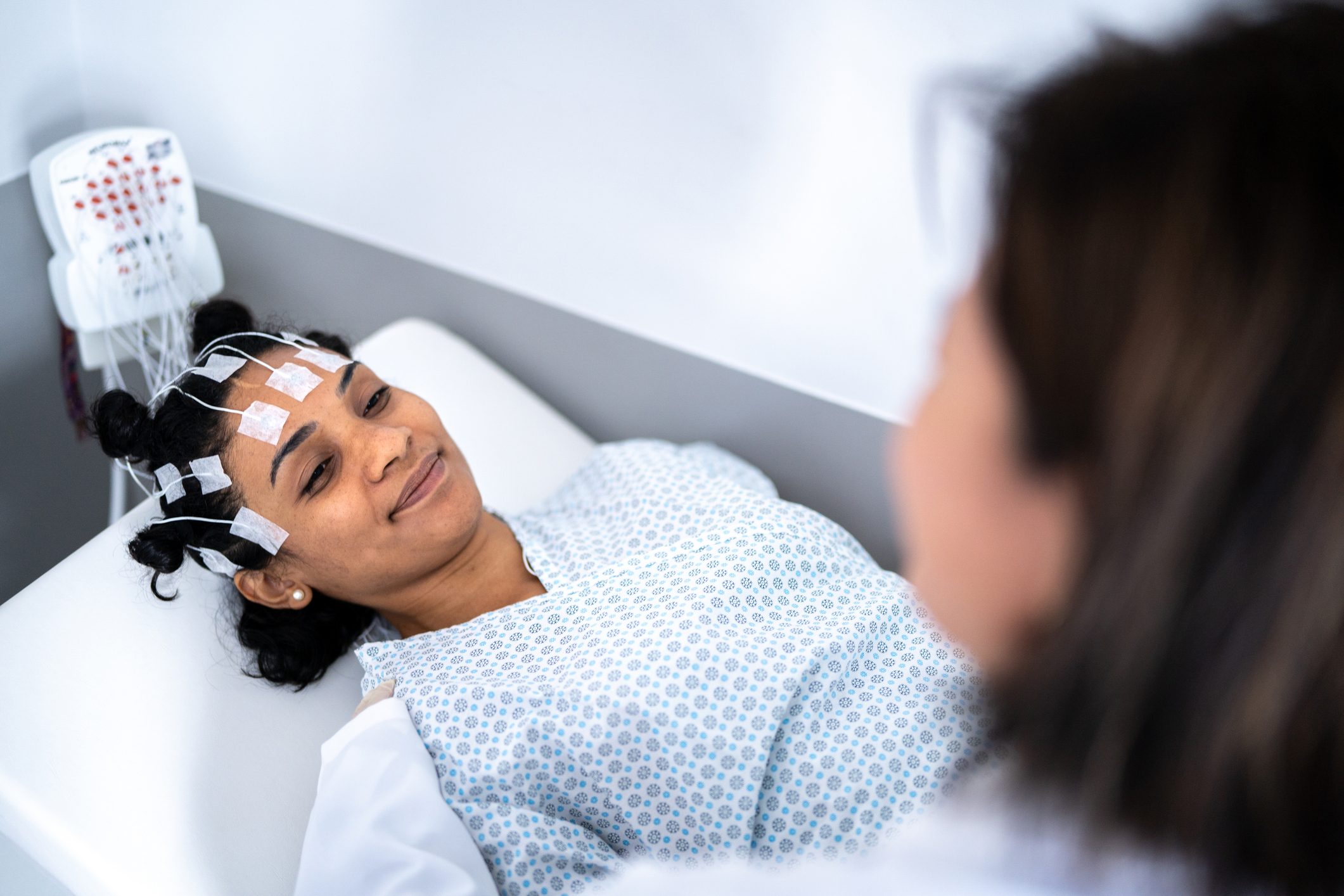
Sleep apnea is diagnosed by a healthcare professional who may ask you about your symptoms, medical history, and sleep history. They may refer you to a sleep specialist or a sleep center to undergo testing. The most common tests for sleep apnea are:

  • Polysomnogram, an overnight sleep study conducted in a sleep lab. Here you will be hooked up to equipment that monitors your heart rate, breathing, arm and leg movements, and other functions
  • Home sleep apnea test, which is the at-home version of the sleep study. Key metrics and functions are measured with a portable device. Home sleep apnea tests may sometimes miss certain metrics. Therefore, your healthcare provider may still recommend a polysomnogram.

Once diagnosed with sleep apnea, your healthcare provider will recommend treatment based on the severity of your symptoms, general health, and age. Treatment may include lifestyle modifications, oxygen, devices such as a CPAP machine, dental appliances, orofacial therapy, or surgery.

Jamaica Hospital Medical Center’s Department of Sleep Medicine utilizes state-of-the-art technology to diagnose sleep disorders. Several testing options are available at our sleep lab in Queens. We also offer home sleep studies to diagnose obstructive sleep apnea and several treatment devices and therapies, including Inspire Therapy.  To schedule an appointment with a sleep specialist, please call 718-206-5916.

All content of this newsletter is intended for general information purposes only and is not intended or implied to be a substitute for professional medical advice, diagnosis or treatment. Please consult a medical professional before adopting any of the suggestions on this page. You must never disregard professional medical advice or delay seeking medical treatment based upon any content of this newsletter. PROMPTLY CONSULT YOUR PHYSICIAN OR CALL 911 IF YOU BELIEVE YOU HAVE A MEDICAL EMERGENCY.

Muscle Spasms

Muscle spasms or muscle cramps are painful contractions and tightening of the muscles. Muscle spasms occur when the muscles involuntarily and forcibly contract and cannot relax.  

Muscle spasms are normal and very common, and can involve part of, or all of, a muscle or several muscles in a group. These spasms can occur anywhere in the body. The most common types of muscle spasms include: 

  • Back spasms 
  • Leg cramps and charley horses 
  • Neck spasms 
  • Arm spasms 
  • Abdomen spasms 
  • Ribcage spasms 
  • Chest spasms 

Muscle spasms can occur in anyone at any time, including while walking, sitting, exercising, or sleeping. Some individuals are more susceptible to muscle spasms than others and experience them regularly with any type of exertion. People most likely to get muscle spasms include: 

  • Athletes 
  • Pregnant women 
  • Infants 
  • People who are obese 
  • People over the age of 65 

Most of the time, muscle spasms aren’t something to worry about. However, muscle cramps can indicate an underlying neurological condition that affects the brain. Involuntary muscle movements resulting from a neurological condition are called dystonia.  

Muscle spasms range from mild to severe. Mild muscle spasms feel like the muscle is jumping around on its own and can be seen twitching. Severe muscle spasms feel like the entire muscle stiffens into a tight ball. If the cramping is painful, it may cause lingering discomfort in that area for a couple of days.  

If muscle spasms result from a neurological condition, they may cause symptoms such as: 

  • Paralysis 
  • Muscle pain 
  • Muscle weakness 
  • Coordination issues 
  • Numbness 
  • Difficulty sleeping 
  • Vision issues  

Experts aren’t sure why some people get muscle spasms more than others. However, possible causes can include: 

  • Dehydration 
  • Muscle fatigue 
  • Exercising in extreme heat, which causes heat cramps 
  • Not enough stretching 
  • Electrolyte imbalance 
  • Stress 
  • Too much high-intensity exercise 

A healthcare provider can diagnose muscle spasm by reviewing a person’s health history and medications, as well as asking questions that include: 

  • How bad is the pain? 
  • How long do the cramps last? 
  • When do muscle spasms usually happen? 
  • What do the muscle spasms feel like? 
  • When did the muscle spasms start? 

There is no pill or injection used to treat and relieve muscle spasms. However, some things can be done to try and stop muscle cramps, including: 

  • Massage the affected areas with your hands or a massage roller 
  • Stretch the affected area 
  • Stand up and walk around 
  • Apply heat or ice 
  • Take over-the-counter (OTC) pain relievers such as ibuprofen or acetaminophen 

Muscle spasms can happen at any time, and because they are so predictable, they can be difficult to prevent. Unfortunately, there are risk factors that can’t be avoided, such as your age. However, there are things you can do to reduce your risk, including: 

  • Stretching your muscles regularly  
  • Performing flexibility exercises 
  • Drinking a lot of water 
  • Wearing shoes that fit properly 
  • Avoiding exercising in extreme heat 
  • Working toward better overall fitness 
  • Staying at a weight that is healthy for you 
  • Avoiding medications that may cause muscle spasms as a side effect 
  • Stretching your muscles before going to sleep 
  • Using pillows to keep your toes pointed upward if you sleep on your back or letting your feet hang over the end of the bed if you sleep on your chest, to prevent leg cramps 

If you are experiencing muscle spasms, you can schedule an appointment at Jamaica Hospital Medical Center’s Ambulatory Care Center. Please call (718) 206-7001. 


All content of this newsletter is intended for general information purposes only and is not intended or implied to be a substitute for professional medical advice, diagnosis or treatment. Please consult a medical professional before adopting any of the suggestions on this page. You must never disregard professional medical advice or delay seeking medical treatment based upon any content of this newsletter. PROMPTLY CONSULT YOUR PHYSICIAN OR CALL 911 IF YOU BELIEVE YOU HAVE A MEDICAL EMERGENCY.
Kidney Stones

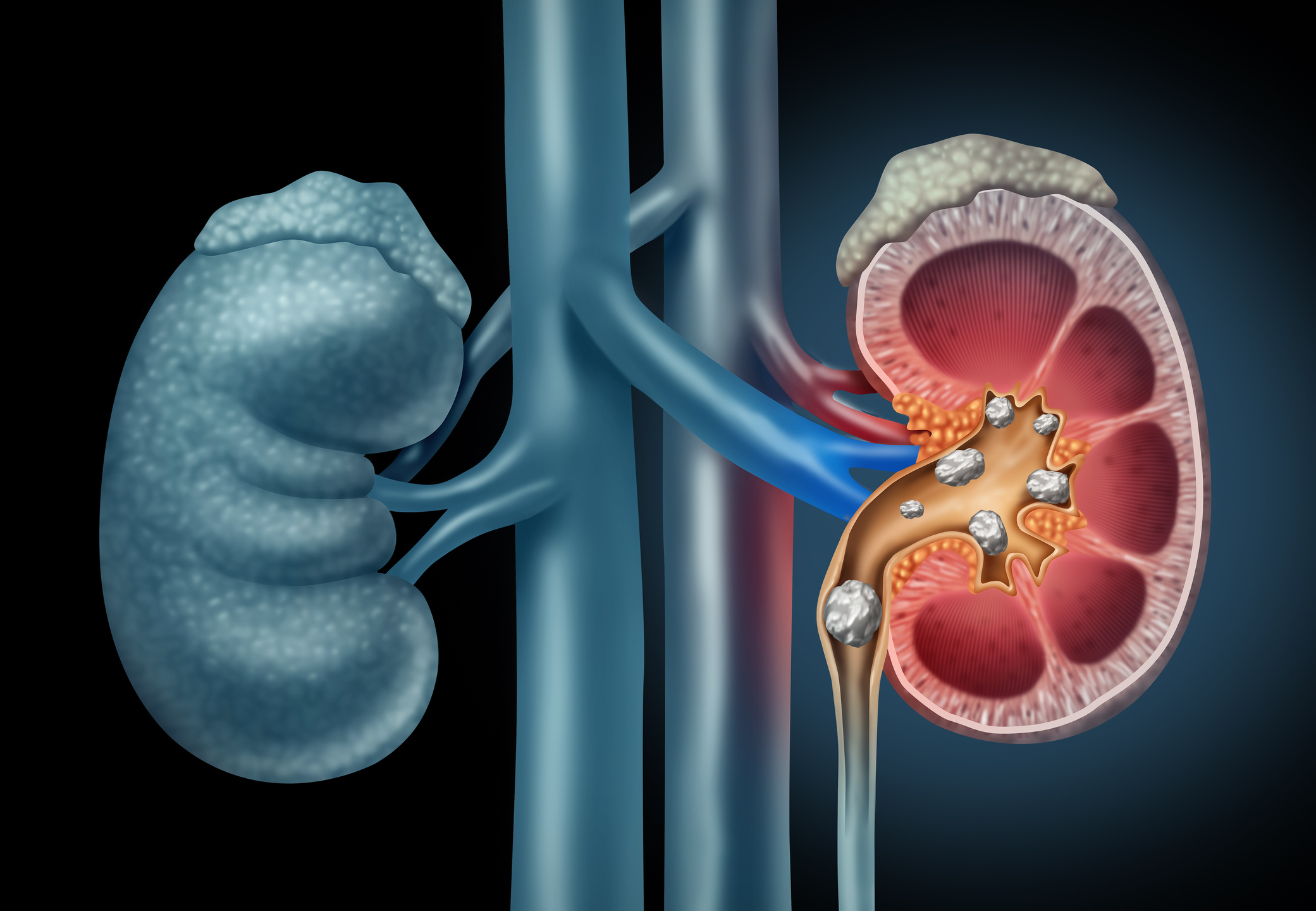
Kidney stones are solid masses or clusters of crystals that form from substances such as minerals, acids, and salts in the kidneys. These stones can be as small as a grain of sand, or in rare cases, larger than a golf ball. 

Kidney stones occur when there is little liquid and too many of the minerals, acids, and other substances, such as calcium, sodium, oxalate, and uric acid, in the urine, causing them to stick together and form crystals or stones. Kidney stones can form over months or years.  

There are four types of kidney stones, and they are named after the kind of crystal that they are made from. They include: 

  • Calcium-oxalate and calcium phosphate stones are the most common types of kidney stones 
  • Uric acid stones 
  • Struvite stones  
  • Cystine stones  

Depending on the size of kidney stones, a person may not even realize that they have them. Smaller-sized stones can pass through the urinary tract in the urine without symptoms. However, larger-sized kidney stones can get trapped in the ureter, the tube that drains urine from the kidney down to the bladder, causing pee to back up and limit the kidney’s ability to filter waste from the body, which can also cause bleeding.  

Kidney stones can take as long as three weeks to pass on their own. Sometimes, small stones can cause extreme pain as they go through the urinary tract and out of the body. If a kidney stone can’t pass on its own, a healthcare provider will need to break it up and remove it.  

Kidney stones are common. About one in 10 people will get a kidney stone during their lifetime. They are most common in men who are in their 30s and 40s and among non-Hispanic white people.  

The most common symptom of kidney stones is pain in the lower back, belly, or side, which might feel like it extends from the groin to the side. This pain can be dull, or it can be sharp and severe, and comes in waves. Other symptoms of kidney stones include: 

  • Bloody urine 
  • Pain when urinating 
  • The inability to urinate 
  • Feeling the urge to urinate a lot 
  • Cloudy or foul-smelling urine 
  • Nausea and vomiting 
  • Fever or chills 

Several risk factors can cause someone to develop kidney stones, including: 

  • Not drinking enough fluids 
  • Eating foods high in sodium or sugars 
  • Eating meat and other protein-rich foods 
  • Having a family history of kidney stones 
  • Having a blockage in the urinary tract  
  • Taking vitamin C supplements 
  • Having had stomach or intestine surgery, including gastric bypass surgery 
  • Taking certain medications, such as diuretics, calcium-based antacids, and some antiseizure medications 
  • Having certain medical conditions, such as: 
  • Cystic fibrosis 
  • Diabetes 
  • Gout 
  • High blood pressure 
  • High levels of calcium in the urine 
  • Inflammatory bowel disease (IBD) 
  • Kidney cysts 
  • Obesity 
  • Osteoporosis 
  • Parathyroid disease 
  • Primary hyperoxaluria 
  • Hemiplegia or paraplegia, which are types of paralysis 

Kidney stones can cause many complications, including: 

  • Chronic kidney disease (CKD)  
  • A blockage that backs up urine into the kidney, causing it to swell 
  • Acute kidney injury 
  • Kidney infection 
  • Frequent urinary tract infections (UTIs) 

A healthcare provider can diagnose kidney stones by performing urine, imaging, and blood tests.  

To treat a small kidney stone, a healthcare provider will have the person monitor their symptoms until the stone passes in their urine. They may also prescribe medications to keep them comfortable and help the stone pass on its own. Larger kidney stones need treatment depending on their size, location, whether they are causing infections or symptoms, and other factors.  

Medications to treat kidney stones help relax the ureter to help pass the stone more easily, help manage any nausea and vomiting, and help manage pain.  

Procedures to remove large kidney stones include: 

  • Shockwave lithotripsy 
  • Ureteroscopy 
  • Percutaneous nephrolithotomy 
  • Laparoscopic surgery 

It is important to note that the things we eat and drink impact our risk for kidney stones. Talk to your healthcare provider or a dietitian about ways to reduce your risk of developing kidney stones. They may recommend: 

  • Drinking plenty of water 
  • Limiting consumption of foods high in sugar and sodium 
  • Limiting consumption of animal proteins 
  • Maintaining a weight that is healthy for you 
  • Eating foods that are good sources of calcium 
  • Limiting consumption of foods high in oxalates 
  • Prescription medications 

If you are experiencing symptoms of kidney stones, and would like more information about receiving treatment from a urologist at Jamaica Hospital Medical Center. To make an appointment, please call 718-206-7001.   

All content of this newsletter is intended for general information purposes only and is not intended or implied to be a substitute for professional medical advice, diagnosis or treatment. Please consult a medical professional before adopting any of the suggestions on this page. You must never disregard professional medical advice or delay seeking medical treatment based upon any content of this newsletter. PROMPTLY CONSULT YOUR PHYSICIAN OR CALL 911 IF YOU BELIEVE YOU HAVE A MEDICAL EMERGENCY.

Reactive Arthritis

Reactive arthritis is a condition that occurs when the immune system reacts to an infection somewhere in the body and causes joint pain and inflammation. This infection usually starts in the digestive system, genitals, or urinary tract. Reactive arthritis usually affects the knees, ankles, and feet, but it can also cause inflammation in the eyes, skin, and urethra. Reactive arthritis is considered a form of a group of inflammatory diseases that mainly affect the spine, joints, and places where tendons and ligaments attach to bones called spondyloarthritis (SpA). 

Although reactive arthritis isn’t contagious, the bacteria that cause it can spread through sex or food. Several types of bacteria can trigger reactive arthritis, including: 

  • Chlamydia trachomatis 
  • Clostridium difficile (C. Difficile) 
  • Escherichia coli (E. Coli) 
  • Campylobacter 
  • Salmonella 
  • Shigella 
  • Yersinia  

While only a small number of people who are exposed to these bacteria develop reactive arthritis, certain factors increase the risk of developing the condition, including: 

  • Infection  
  • Age 
  • Sex assigned at birth 
  • Genetics  

The symptoms of reactive arthritis usually start one to four weeks after a triggering infection. Common symptoms include: 

  • Pain and stiffness 
  • Urinary issues 
  • Swollen toes or fingers 
  • Eye inflammation 
  • Inflammation of tendons and ligaments where they attach to bone 
  • Skin issues 
  • Lower back pain 

Reactive arthritis isn’t common and usually happens for a short period of time. For most people who experience this condition, symptoms can come and go, usually disappearing within a year.  

A healthcare provider can diagnose reactive arthritis with a physical exam, as they check the eyes and joints for inflammation, warmth, and tenderness, as well as the skin for rashes. They may also order blood tests, joint fluid tests, and imaging tests to help diagnose the condition. 

The main goals of treatment for reactive arthritis are to relieve symptoms and treat any infection that may still be present. Since reactive arthritis can affect different parts of the body, there may need to be multiple doctors or healthcare providers involved in treating this condition. Treatments for reactive arthritis can include: 

  • Medicines such as nonsteroidal anti-inflammatory drugs (NSAIDs), steroids, and rheumatoid arthritis medicines 
  • Physical therapy exercises that strengthen the muscles around the affected joints, improve flexibility, and prevent stiffness 

Although genetics is a risk factor for developing reactive arthritis, that risk can be lowered by reducing exposure to bacteria that cause infections by: 

  • Practicing food safety 
  • Preventing sexually transmitted infections 

If you are experiencing any symptoms of reactive arthritis, you can schedule an appointment with a rheumatologist at Jamaica Hospital Medical Center’s Ambulatory Care Center. Please call (718) 206-7001. 

All content of this newsletter is intended for general information purposes only and is not intended or implied to be a substitute for professional medical advice, diagnosis or treatment. Please consult a medical professional before adopting any of the suggestions on this page. You must never disregard professional medical advice or delay seeking medical treatment based upon any content of this newsletter. PROMPTLY CONSULT YOUR PHYSICIAN OR CALL 911 IF YOU BELIEVE YOU HAVE A MEDICAL EMERGENCY.

Herniated Disc

A herniated disc occurs when one of the discs in the spine tears or ruptures, allowing the jelly-like substance, or nucleus, in the disc to leak and irritate surrounding nerves.

A herniated disc can affect any part of the spine; however, this problem is most likely to occur in the lower spine. Herniated discs in the lumbar spine (the lower back) typically result in symptoms that affect the legs, feet, lower back, or buttocks. A common cause of lower back pain is a herniated disc. This pain is often described as sharp and radiating.  In addition to lower back pain, a herniated disc can also cause leg pain, or sciatica.

A herniated disc in the cervical spine (the neck) may lead to neck pain, pain between the shoulder blades, or pain in the arms, hands, or fingers.  Herniation in the neck or lower spine may also result in numbness, tingling, or muscle weakness, and in some instances bladder problems.

Herniated discs can be caused by age-related weakening or wear and tear of the discs; this is called disc degeneration. Other causes include:

  • Sudden or traumatic injuries
  • Repeated minor injuries
  • Repeated bending, strain, or twisting
  • Improper lifting of heavy objects
  • Poor posture
  • Obesity or excess body weight

Some people are at risk of getting a herniated disc more than others. Risk factors include:

  • Living a sedentary life
  • Being overweight
  • Smoking
  • Working in a career that requires frequent heavy lifting
  • Having a previously herniated disc
  • Having close blood relatives with spinal disc problems
  • Having a connective tissue disorder
  • Being seated for long periods

Most herniated discs heal on their own; however, in some instances, they may not. Symptoms of a herniated disc can worsen over time if left untreated, leading to complications such as bladder or bowel dysfunction, significant tingling, numbness, or weakness.  It is advisable that you see a doctor if you are experiencing these complications.

Your physician may perform a thorough physical examination and order neurological examinations, imaging tests, or nerve tests to help diagnose a herniated disc. Once diagnosed, treatment may involve medications, physical therapy, spinal injections, or surgery.

To schedule an appointment with a doctor at Jamaica Hospital Medical Center, please call 718- 206-7001.


All content of this newsletter is intended for general information purposes only and is not intended or implied to be a substitute for professional medical advice, diagnosis or treatment. Please consult a medical professional before adopting any of the suggestions on this page. You must never disregard professional medical advice or delay seeking medical treatment based upon any content of this newsletter. PROMPTLY CONSULT YOUR PHYSICIAN OR CALL 911 IF YOU BELIEVE YOU HAVE A MEDICAL EMERGENCY.