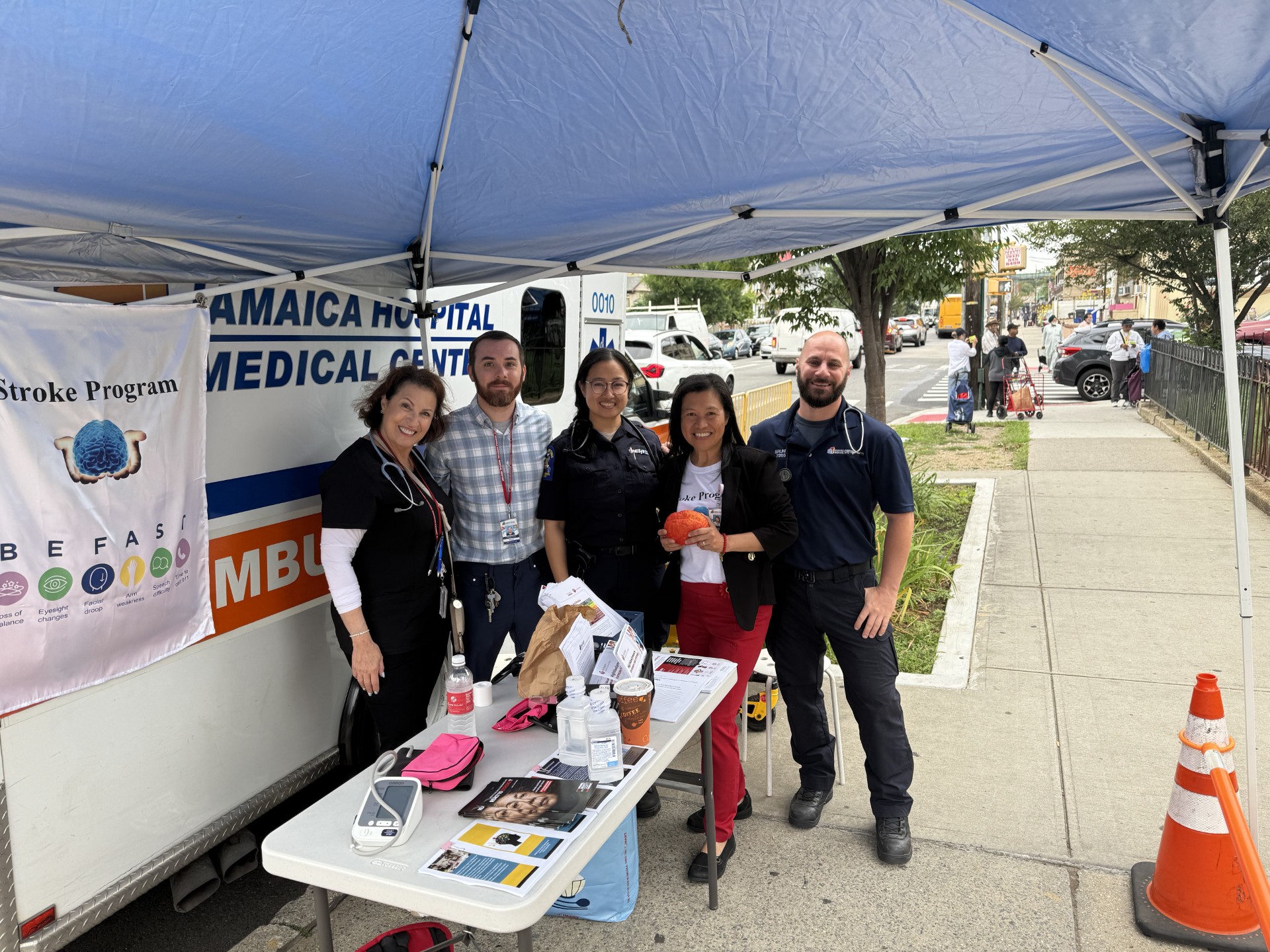
Building a Healthier Community: Stroke Awareness and Prevention in Action

At the MediSys Health Network (Jamaica Hospital Medical Center and Flushing Hospital Medical Center), our mission extends beyond hospital walls and into the heart of our community. Every year, our stroke outreach team has proudly partnered with local organizations to bring life-saving education and preventive health services to our neighbors.

Through events like Jamaica Jams, community gatherings at the Riverfund Pantry, and collaborations with community boards and faith-based organizations, we’ve connected with hundreds of residents—many of whom are at risk for high blood pressure and stroke. These partnerships allow us to meet people where they are, providing accessible, culturally sensitive education and care.
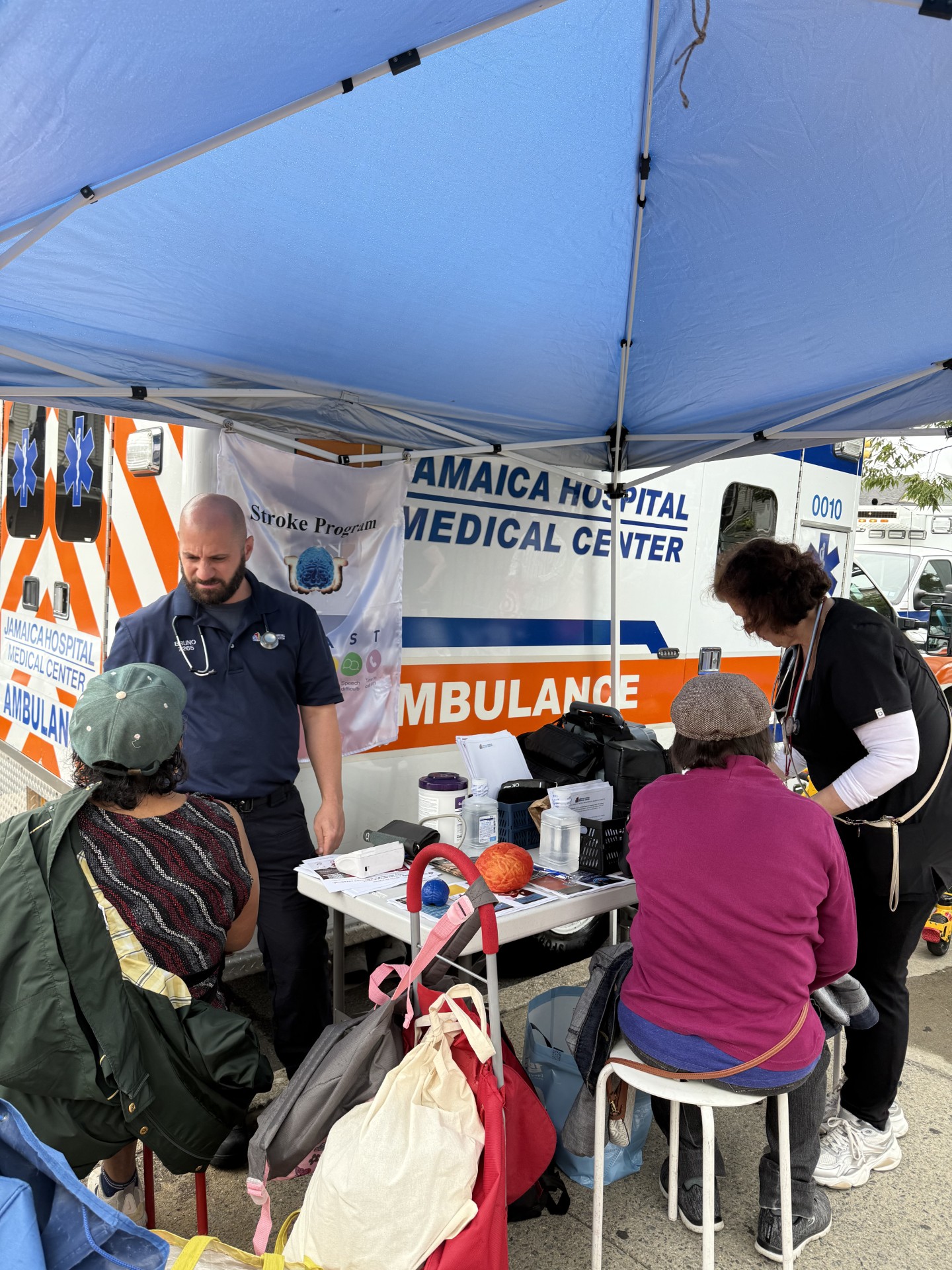
Blood Pressure Screening & Awareness

High blood pressure remains one of the most significant risk factors for stroke. At each event, our team offered free blood pressure screenings, identifying individuals with undiagnosed or uncontrolled hypertension. These screenings are vital steps in preventing stroke before it happens.

Teaching Health for Everyday Living

Beyond screening, our outreach emphasizes stroke awareness—helping people recognize the signs of stroke using the BE FAST tool, understand when to call 911, and learn strategies for prevention. We also focus on practical health education:

  • Tips for maintaining a heart-healthy diet
  • Encouraging physical activity in daily routines
  • Reducing smoking and alcohol use
  • Promoting regular check-ups with healthcare providers

Community Partnerships Make the Difference

The success of these initiatives reflects the strength of our partnerships. Whether in food pantry lines, at local festivals, or in faith-based settings, our outreach efforts demonstrate how healthcare and community organizations can work hand-in-hand to improve public health.

  Looking Ahead

Our stroke team is committed to continuing these efforts, expanding to more neighborhoods, and building stronger bridges with community leaders. Together, we can raise awareness, reduce risk, and help our community rise stronger against stroke.

All content of this newsletter is intended for general information purposes only and is not intended or implied to be a substitute for professional medical advice, diagnosis or treatment. Please consult a medical professional before adopting any of the suggestions on this page. You must never disregard professional medical advice or delay seeking medical treatment based upon any content of this newsletter. PROMPTLY CONSULT YOUR PHYSICIAN OR CALL 911 IF YOU BELIEVE YOU HAVE A MEDICAL EMERGENCY.
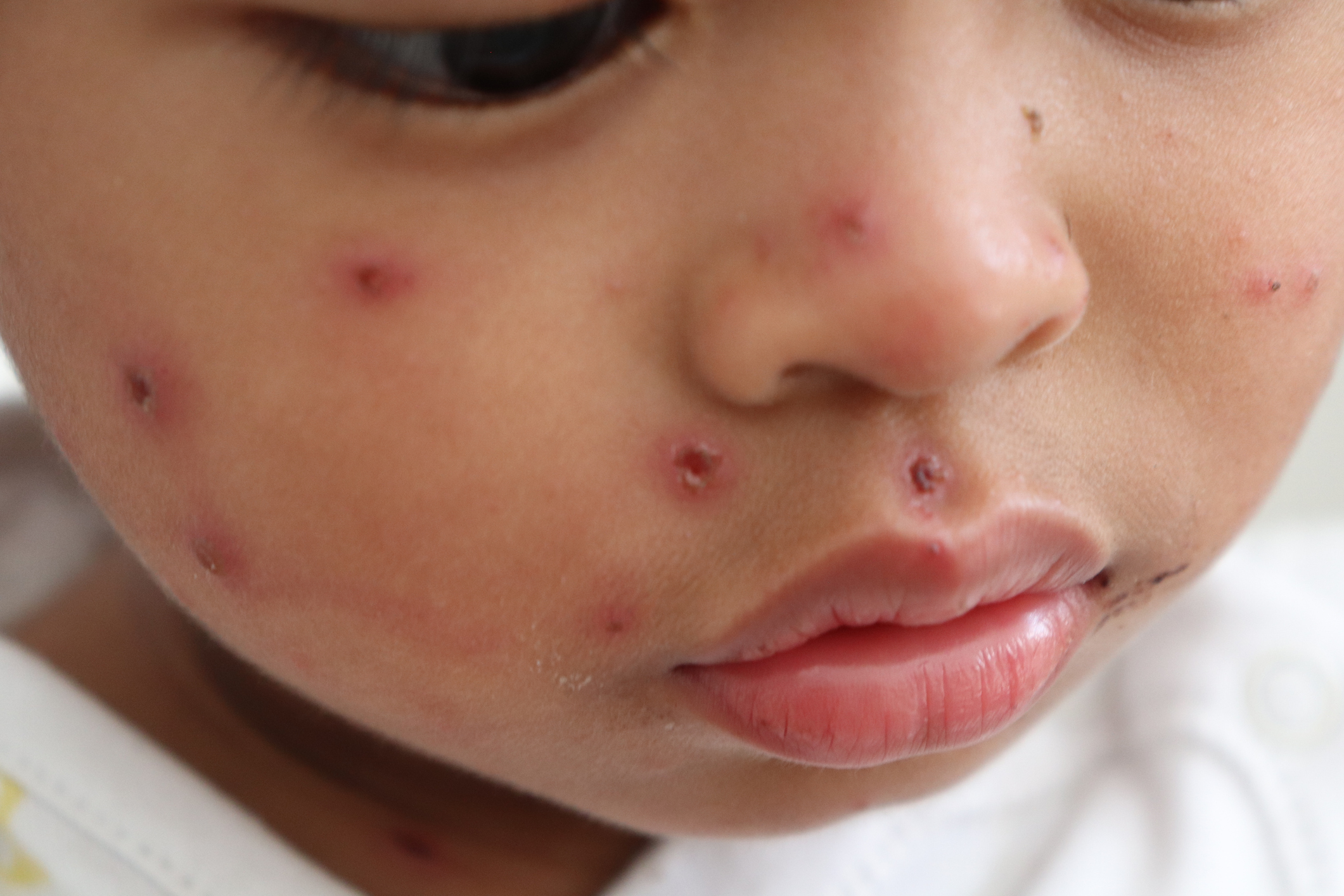

Measles

Measles is a highly contagious disease caused by the measles virus. It can affect anyone, but it is most common in children.

Some risk factors for measles include:

  • Being unvaccinated
  • Traveling internationally
  • Having a Vitamin A deficiency

Measles infects the respiratory tract and then spreads throughout the body. Signs and symptoms of measles appear around 10 to 14 days after exposure to the virus, including:

  • Fever
  • Dry cough
  • Runny nose
  • Sore throat
  • Inflamed eyes
  • Koplik’s spots (tiny white spots with bluish-white centers on a red background, which form on the inner lining of the cheek)
  • A skin rash made up of large, flat blotches that often flow into one another

The infection occurs in stages that span over two to three weeks. These stages include:

  • Infection and incubation- the measles virus spreads in the body for 10 to 14 days after infection. During that time, there are no signs or symptoms.
  • Nonspecific signs and symptoms- measles typically begins with a mild to moderate fever, a persistent cough, a runny nose, inflamed eyes, and a sore throat. This mild illness can last two to three days.
  • Acute illness and rash- a rash that can consist of small red spots, with some that may be slightly raised. Spots and bumps in tight clusters give the skin a splotchy red appearance. The face is usually the first place it appears. The rash spreads down the arms, chest, and back, then over the thighs, lower legs, and feet over the next few days. At the same time, the fever rises to temperatures as high as 104 to 105.8.
  • Recovery- the measles rash can last for about seven days. The rash fades gradually from the face and lastly the thighs and feet. As other symptoms go away, coughing and the darkening or peeling of the skin where the rash was, last about 10 days.

A person with measles can spread the virus to others for about eight days. Starting four days before the rash appears and ending when the rash has been present for four days.

When an infected person coughs, sneezes, or talks, infectious droplets spray into the air where others can breathe them in. Infectious droplets can stay in the air for about an hour and on a surface for several hours.

Many complications can arise from measles, including:

  • Diarrhea and vomiting
  • Ear infection
  • Bronchitis, laryngitis, or croup
  • Pneumonia
  • Encephalitis
  • Pregnancy problems

The U.S. Centers for Disease Control and Prevention (CDC) recommends that children and adults receive the measles vaccine to prevent infection.

Your healthcare provider can usually diagnose measles based on the disease’s characteristic rash and the Koplik’s spot on the inner lining of the cheek. Your healthcare provider may ask whether you or your child received measles vaccines, whether you traveled outside of the U.S. recently, and if you had contact with anyone who has a rash or fever.

The rash can be confused with many other illnesses. However, a blood test can be done to confirm whether the rash is measles. A test using a throat swab or urine sample can also be used.

There is no specific treatment for a measles infection once it occurs. Treatment can include providing comfort measures to relieve symptoms, such as rest and treating or preventing complications.

Some measures can be taken to protect individuals who don’t have immunity to measles after they have been exposed to the virus, including:

  • Post-exposure vaccination
  • Immune serum globulin
  • Medications
    • Fever reducers
    • Antibiotics
    • Vitamin A

If you become sick with severe symptoms, particularly after potential exposure to the measles virus, you must receive treatment from a doctor as soon as possible. You can schedule an appointment with a doctor at Jamaica Hospital Medical Center’s Ambulatory Care Center. Please call (718) 206-7001.

All content of this newsletter is intended for general information purposes only and is not intended or implied to be a substitute for professional medical advice, diagnosis or treatment. Please consult a medical professional before adopting any of the suggestions on this page. You must never disregard professional medical advice or delay seeking medical treatment based upon any content of this newsletter. PROMPTLY CONSULT YOUR PHYSICIAN OR CALL 911 IF YOU BELIEVE YOU HAVE A MEDICAL EMERGENCY.

Tooth Sensitivity

Tooth sensitivity occurs when tooth enamel wears down and exposes the inner layer of your teeth, called dentin, making hot, cold, sweet, or sour foods painful. This can also point to an issue such as gum disease, cavities, or a cracked tooth.

Dentin has tiny tubules that lead to the center of the tooth, where the nerve lives. These tubules allow temperature and sugar to reach the nerve, causing pain.

There are many reasons why your teeth may feel sensitive, including:

  • Acidic foods, such as citrus fruits, tomatoes, pickles, and tea, can wear down the outer layer of your teeth
  • Brushing too hard: using too much pressure or a hard toothbrush can wear down enamel and make gums pull back
  • Cracked teeth: a crack or chip can let bacteria in and irritate your tooth
  • Gum disease: swollen or infected gums can expose tooth roots
  • Gum recession: thin or damaged gums may pull back and reveal the sensitive root surface
  • Mouthwash use: some have acids that make sensitivity worse
  • Plaque buildup: too much plaque near the roots can trigger pain
  • Recent dental procedures, such as fillings, cleanings, or other treatments, can cause short-term sensitivity
  • Teeth grinding: clenching or grinding your teeth wears down enamel and can expose dentin
  • Teeth whitening products can increase sensitivity

Sometimes tooth sensitivity goes away on its own, especially after a dental visit. However, if your teeth hurt when they touch something hot, cold, sour, or sweet, talk to your dentist. They will check to see what is causing the problem and suggest the best solution. Common treatments for tooth sensitivity include:

  • Dental bonding: covers exposed roots
  • Dentin sealant: blocks pain signals
  • Fluoride varnish: strengthens enamel and reduces discomfort

Do not ignore the pain. Getting care early can help prevent more serious problems. If sensitive teeth go untreated, you could end up with:

  • An infected tooth
  • Cavities
  • Gum disease
  • Long-term or worsening pain

Sometimes, you can stop sensitivity before it starts. Some ways you can protect your teeth include:

  • Brushing and flossing gently every day
  • Limiting acidic foods like citrus and pickles
  • Seeing your dentist regularly for cleanings and checkups
  • Trying desensitizing toothpaste to reduce pain
  • Using fluoride products to strengthen teeth
  • Using a soft-bristle toothbrush to avoid further damage
  • Wearing a mouth guard if you grind your teeth

If you are experiencing tooth sensitivity and would like to receive a check-up, you can make an appointment with one of our board-certified dentists at Jamaica Hospital Medical Center’s Dental Center by calling 718-206-6980.

All content of this newsletter is intended for general information purposes only and is not intended or implied to be a substitute for professional medical advice, diagnosis or treatment. Please consult a medical professional before adopting any of the suggestions on this page. You must never disregard professional medical advice or delay seeking medical treatment based upon any content of this newsletter. PROMPTLY CONSULT YOUR PHYSICIAN OR CALL 911 IF YOU BELIEVE YOU HAVE A MEDICAL EMERGENCY.
Nasal Polyps

Nasal polyps are small, painless, non-cancerous growths that form in the lining of the nose or sinuses. Polyps vary in size, ranging from small teardrops to large grapes.

Polyps may not cause symptoms when they are small; however, as they grow larger, they can lead to health problems, including:

  • Difficulty breathing through the nose
  • Facial pain
  • Runny nose
  • Postnasal drip
  • Itching around the eyes
  • Loss of smell or decreased sense of smell
  • Headaches
  • Loss of taste
  • Nasal congestion
  • Snoring
  • Sinus pressure
  • Nose bleeds

Larger polyps can lead to complications such as sleep apnea, frequent asthma attacks, or recurrent sinus infections.

The causes of nasal polyps are unknown, but it is believed that long-term inflammation or irritation plays a role.

While anyone can develop polyps, they are more common in people who:

  • Have asthma
  • Have chronic sinus infections
  • Have cystic fibrosis
  • Are hypersensitive to certain nonsteroidal anti-inflammatory drugs (NSAIDs)
  • Have chronic rhinitis

You should see your doctor if you are experiencing persistent symptoms associated with nasal polyps. To diagnose this condition, your doctor may perform a physical examination. Your doctor may also order tests such as a nasal endoscopy, CT scan, MRI, allergy test, or blood test.

Treatment for nasal polyps can include medications such as nasal steroids, oral steroids, or biologic medications.  If medications are not effective, you may require surgery to remove the polyps.

To make an appointment with an ENT doctor at Jamaica Hospital Medical Center, please call 718-206-7110.

All content of this newsletter is intended for general information purposes only and is not intended or implied to be a substitute for professional medical advice, diagnosis or treatment. Please consult a medical professional before adopting any of the suggestions on this page. You must never disregard professional medical advice or delay seeking medical treatment based upon any content of this newsletter. PROMPTLY CONSULT YOUR PHYSICIAN OR CALL 911 IF YOU BELIEVE YOU HAVE A MEDICAL EMERGENCY.

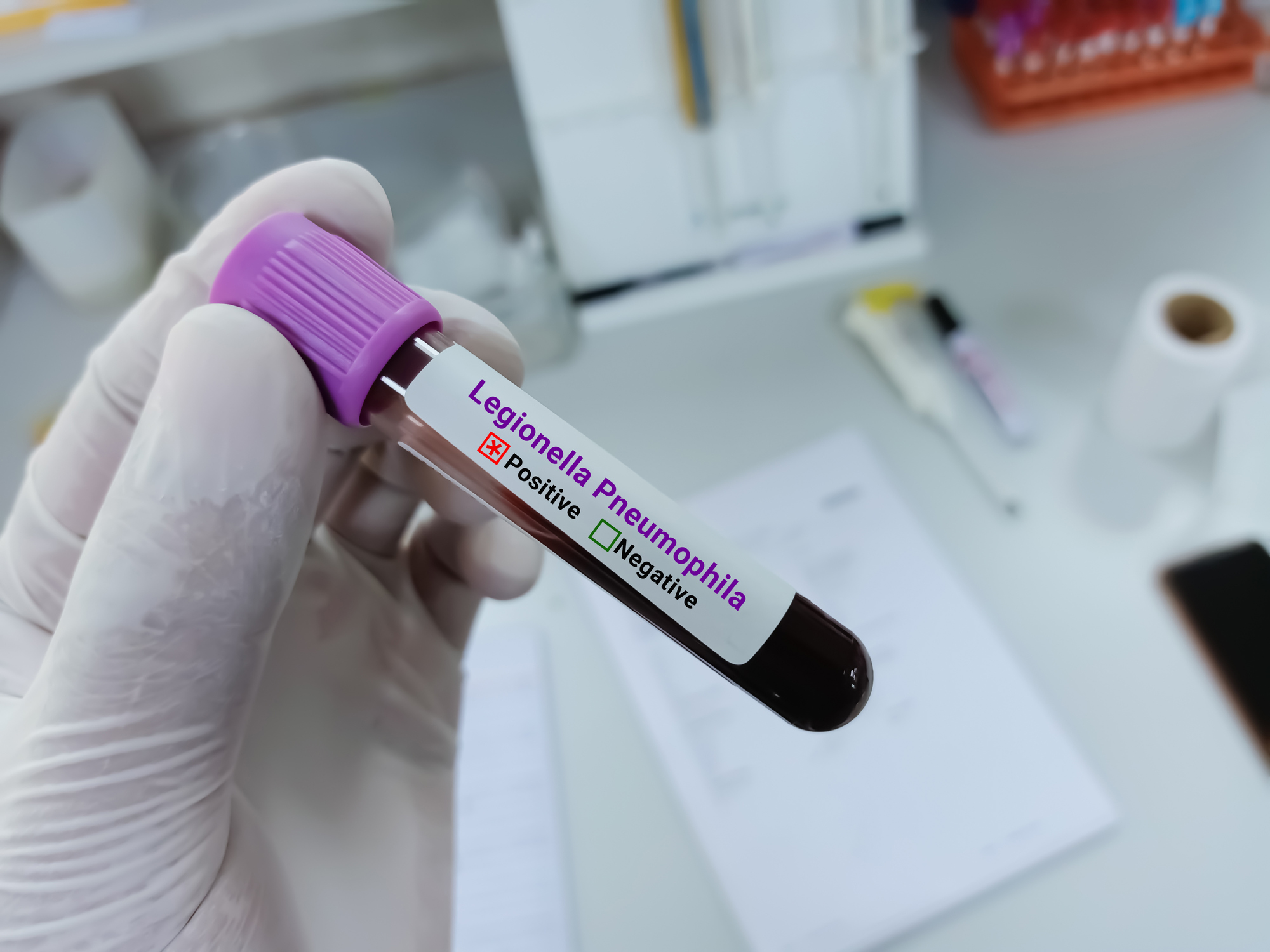
Legionnaires’ Disease

Legionnaires’ disease is a serious, life-threatening type of pneumonia that is caused by breathing in mist or getting water in your lungs that has been contaminated with Legionella bacteria.

You can also get Legionnaires’ disease from:

  • Hot tubs
  • Shower heads
  • Faucets
  • Humidifiers
  • Decorative water features
  • Heating and cooling systems, usually only in large buildings
  • Intubation during surgery
  • Dirt

Legionnaires’ disease is not contagious. Most people don’t get Legionnaires’ disease, even if they have been around Legionella bacteria. But some people are more likely to get sick with a Legionella infection than others. You can have an increased risk of getting Legionnaires’ disease if you:

  • Are older than 50 years old
  • Smoke or used to smoke cigarettes
  • Have a weakened immune system caused by certain medical conditions, such as HIV, diabetes, cancer, and kidney or liver disease, and medications that can compromise your immune system
  • Have a long-term respiratory illness, such as chronic obstructive pulmonary disease (COPD) or emphysema
  • Live in a long-term care facility
  • Have stayed in a hospital recently
  • Have had surgery requiring anesthesia recently
  • Have received an organ transplant recently

Legionnaires’ disease causes pneumonia-like symptoms that start two to 14 days after exposure to Legionella. It can also cause neurological and gastrointestinal symptoms.

Symptoms of Legionnaires’ disease include:

  • Fever (often over 104⁰F/40⁰C)
  • A dry cough
  • Shortness of breath
  • Diarrhea
  • Muscle aches
  • Headache
  • Nausea
  • Confusion
  • Coughing up blood
  • Abdominal pain

The most common ways to diagnose Legionnaires’ disease are with urine and sputum tests. A healthcare provider may use imaging tests, such as an X-ray or CT scan, to get pictures of the inside of your chest. They will also perform a physical exam and ask you about your health and travel history.

Other tests used to diagnose Legionnaires’ disease can include:

  • Blood tests
  • Bronchoscopy
  • Thoracentesis

The treatment for Legionnaires’ disease is antibiotics, either intravenously or in pill form. If you are having trouble breathing, a healthcare provider may give you treatments to help you get enough oxygen. You will probably have to stay in the hospital while you are being treated.

You can reduce your risk at home by making sure shower heads, faucets, hot tubs, and humidifiers are properly cleaned.

If you are experiencing any symptoms of Legionnaires’ disease, you can schedule an appointment with a doctor at Jamaica Hospital Medical Center’s Ambulatory Care Center. Please call (718) 206-7001.

All content of this newsletter is intended for general information purposes only and is not intended or implied to be a substitute for professional medical advice, diagnosis or treatment. Please consult a medical professional before adopting any of the suggestions on this page. You must never disregard professional medical advice or delay seeking medical treatment based upon any content of this newsletter. PROMPTLY CONSULT YOUR PHYSICIAN OR CALL 911 IF YOU BELIEVE YOU HAVE A MEDICAL EMERGENCY.