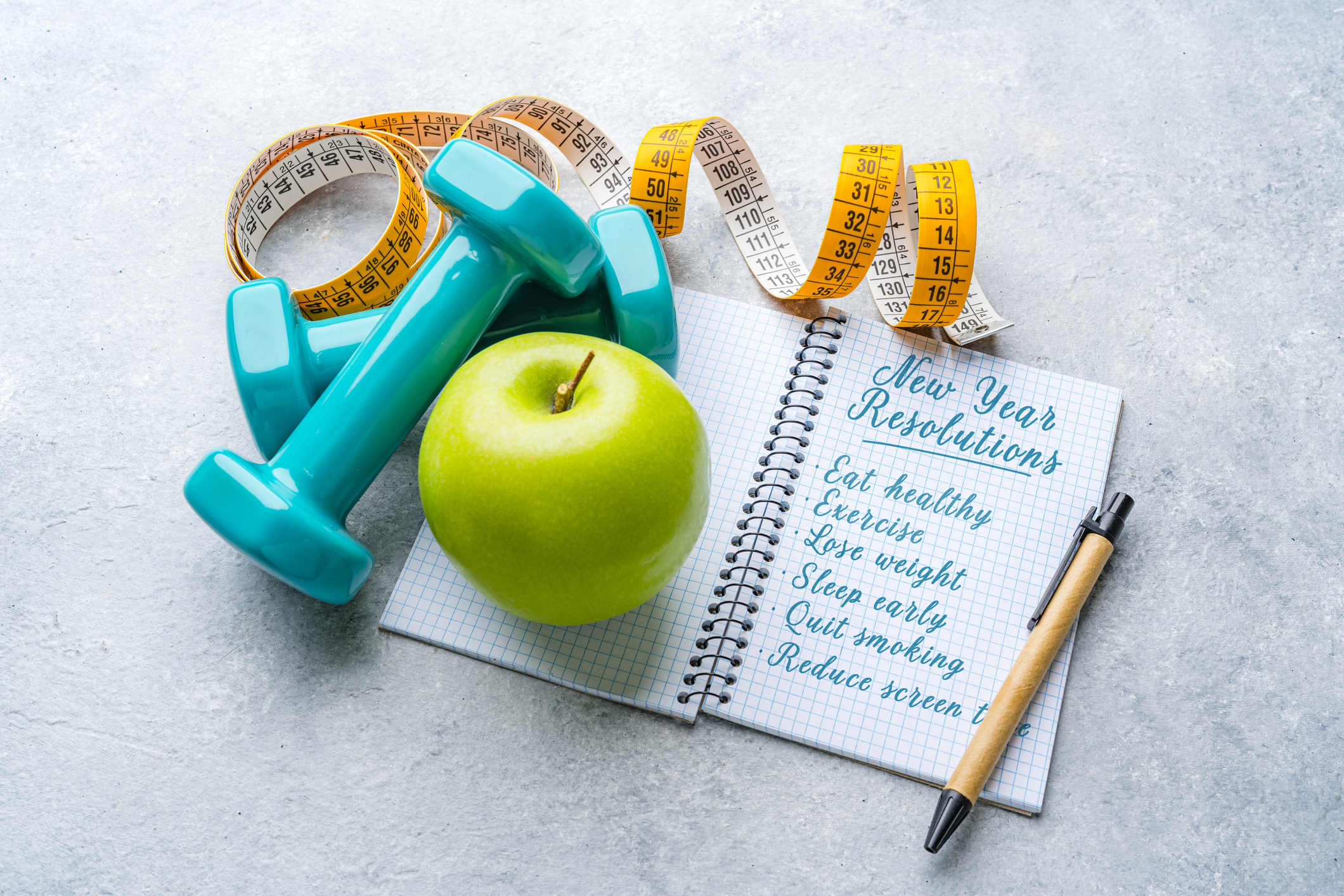
Making Your Mental Health a Priority for the New Year

Anxiety and depression are mental health issues that many people face daily. As we begin a new year, it is important to identify any mental health issues you are experiencing, the potential causes of those issues, and what you can do to improve them.

Some steps you can take to make positive changes for your mental health include:

  • Improving your physical health – your mental and physical health are closely connected as they can impact each other. Exercising regularly, eating a balanced diet, and getting a good night’s sleep can greatly improve your mood, outlook, ability to focus, and cope more effectively when mental health challenges arise.
  • Recognizing the positive things in your life – if you begin to have negative emotions or thoughts, it is important to recognize and be grateful for the positive things you have in your life.
  • Developing healthy and effective coping mechanisms – coping mechanisms are an important tool for those who experience mental health issues. They allow you to adjust how you process things that distress you, making them easier to deal with. Some healthy coping mechanisms include:
    • Finding ways to resolve what is causing the distress
    • Looking at the problem(s) from a different point of view
    • Talking to someone in your support system

You can make positive, effective changes to improve your mental health this year with the help of a psychiatrist at Jamaica Hospital Medical Center’s Mental Health Clinic. To schedule an appointment, please call (718) 206-5575.

All content of this newsletter is intended for general information purposes only and is not intended or implied to be a substitute for professional medical advice, diagnosis or treatment. Please consult a medical professional before adopting any of the suggestions on this page. You must never disregard professional medical advice or delay seeking medical treatment based upon any content of this newsletter. PROMPTLY CONSULT YOUR PHYSICIAN OR CALL 911 IF YOU BELIEVE YOU HAVE A MEDICAL EMERGENCY.

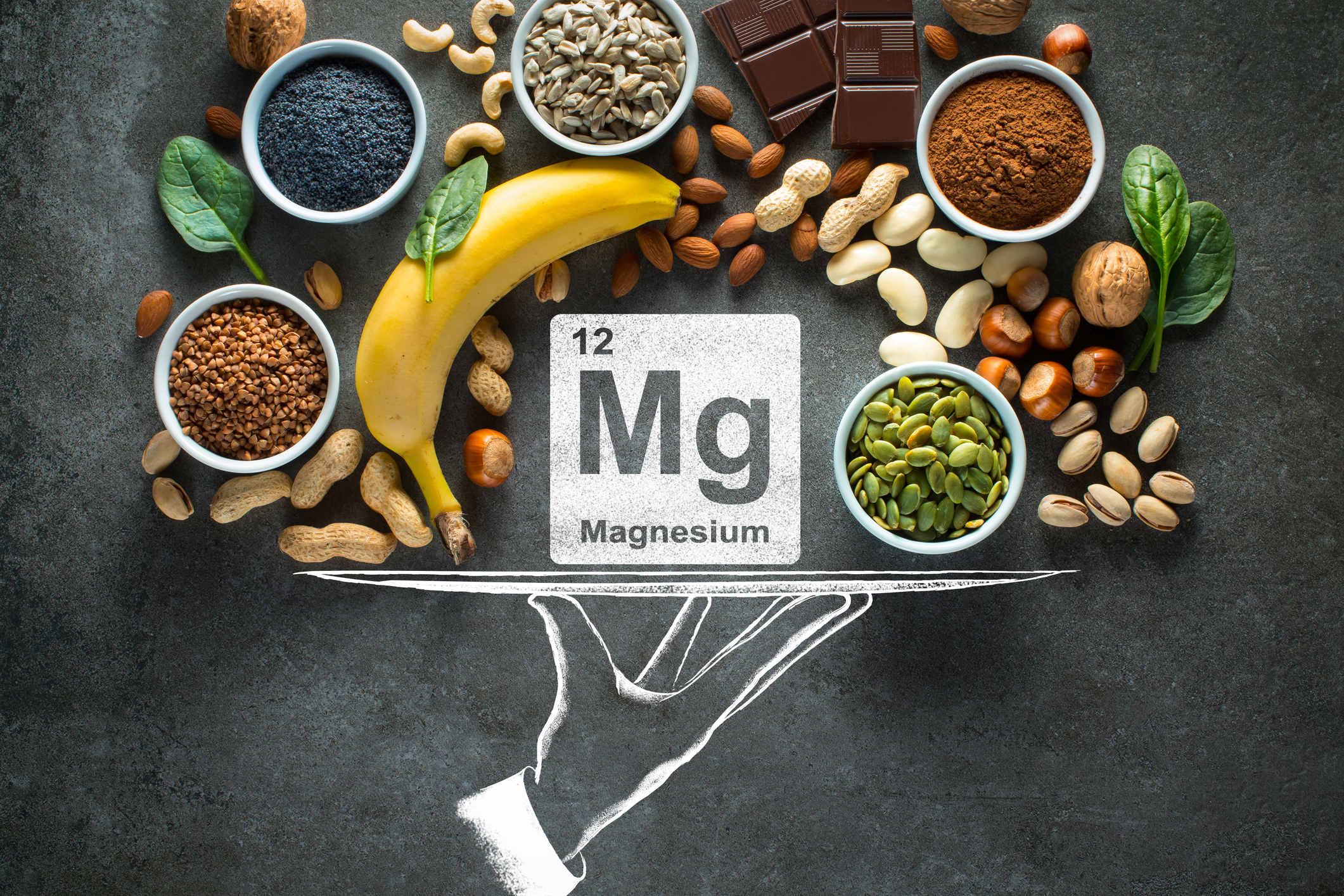
15 Foods to Add to Your Diet to Boost Your Brain Health

The brain is the command center of the body. It processes information and sends messages controlling everything your body does from thoughts and emotions to memory and motor skills.

As we age, the brain experiences physiological changes that affect memory, focus, and word recall. Fortunately, we can combat some of these changes with our diet, which plays a major role in keeping our minds sharp and maintaining our mental function.

Brain foods are foods that can benefit brain health. They contain various nutrients that keep the brain functioning well. They include:

  • Omega-3 fatty acids
  • B vitamins
  • Vitamin E
  • Vitamin C
  • Vitamin K
  • Selenium
  • Iron
  • Choline

Eating a diet rich in these nutrients can help fight off common brain-related conditions and symptoms often associated with age. These nutrients may help with:

  • Brain development
  • Proper signaling of neurotransmitters
  • Processing and understanding new information
  • Memory
  • Protein balance
  • Reducing the risk of brain-related conditions linked to inflammation, such as depression and dementia

Here are 15 foods to add to your diet that are rich in essential nutrients:

  1. Eggs
  2. Fatty fish
  3. Berries such as blueberries, raspberries, and strawberries
  4. Broccoli
  5. Mushrooms
  6. Walnuts
  7. Turmeric
  8. Coffee
  9. Leafy greens
  10. Green tea
  11. Dark chocolate
  12. Fermented dairy
  13. Avocados
  14. Certain fruit juices such as pomegranate, grape, and cherry juice
  15. Whole grains

Remember, no food on its own will magically transform your brain. However, eating brain foods regularly can keep your brain sharp and maintain your cognitive ability as you age. Maintaining an overall healthy eating pattern is important to reap the health benefits of these nutrient-rich foods.


All content of this newsletter is intended for general information purposes only and is not intended or implied to be a substitute for professional medical advice, diagnosis or treatment. Please consult a medical professional before adopting any of the suggestions on this page. You must never disregard professional medical advice or delay seeking medical treatment based upon any content of this newsletter. PROMPTLY CONSULT YOUR PHYSICIAN OR CALL 911 IF YOU BELIEVE YOU HAVE A MEDICAL EMERGENCY.
Mental Health and Holiday Stress

The holidays can be a stressful time for many, with all the shopping, gatherings, and family time, they can add extra pressure to our already busy lives. For people dealing with mental health conditions like depression or anxiety, the holidays can be even harder.

A 2023 survey by the American Psychological Association found that 89% of U.S. adults feel stressed during the holiday season, with 41% reporting higher stress levels compared to other times of the year. This stress can lead to physical illness, depression, anxiety, and substance misuse. The reasons given include:

  • Lack of time
  • Financial pressure
  • Gift giving
  • Family gatherings

To make matters worse, the National Alliance on Mental Illness noted that 64% of individuals living with a mental illness felt that their conditions worsened around the holidays.

There are several ways to cope with holiday stress including:

  • Practicing mindfulness and meditation
  • Taking a break when needed
  • Getting fresh air and sunlight
  • Seeking therapy and staying in therapy
  • Maintaining healthy habits
  • Respecting differences
  • Saying no
  • Sharing feelings
  • Being realistic with yourself and others
  • Reaching out to friends and family

If you need the assistance and support of a mental health professional at Jamaica Hospital Medical Center, please call 718-206-5575, to schedule an appointment.


All content of this newsletter is intended for general information purposes only and is not intended or implied to be a substitute for professional medical advice, diagnosis or treatment. Please consult a medical professional before adopting any of the suggestions on this page. You must never disregard professional medical advice or delay seeking medical treatment based upon any content of this newsletter. PROMPTLY CONSULT YOUR PHYSICIAN OR CALL 911 IF YOU BELIEVE YOU HAVE A MEDICAL EMERGENCY.
Doomscrolling

Doomscrolling is when a person actively seeks out saddening or negative material to read or scroll through on social media or news media outlets.

Gaining prevalence in 2020, the idea behind doomscrolling is attempting to get access to all the information you need to keep yourself protected from what is dangerous around you. Unfortunately, you can become unable to tear yourself away from all the horrible headlines.

According to research, people with a high level of neuroticism (a general tendency toward negative emotions) may be more likely to engage in doomscrolling. Neuroticism is one of the big five personality traits, along with openness, conscientiousness, extraversion, and agreeableness.

Dr. Richard Mollica, a professor of psychiatry at Harvard Medical School says that women and people with a history of trauma are the two most vulnerable groups when it comes to doomscrolling.

Doomscrolling can reinforce negative thoughts and a negative mindset, something that can greatly impact your mental health. Research has linked consuming negative news to an increase in depression and anxiety and can also cause them to experience feelings of:

  • Apprehension
  • Sadness and anger
  • Uncertainty about the future

Some potential effects of doomscrolling include:

  • May worsen mental health issues
  • May lead to insomnia
  • Can contribute to “crazymaking” or “gaslighting”, a form of abuse that makes you feel off-balance mentally or emotionally by making you believe you’re crazy.

Here are some tips to help you stop doomscrolling:

  • Avoid catastrophizing by not letting your mind jump straight to the worst-case scenario.
  • Think about how you feel after doomscrolling
  • Keep your phone off your nightstand
  • Switch your phone to grayscale
  • Limit your screen time
  • Opt out of notifications
  • Don’t bring your phone to the dinner table
  • Focus on the now
  • Seek out positive news
  • Practice gratitude
  • Move your body
  • Disconnect
  • Ask for help

Embrace mindfulness and practice checking your phone consciously, not compulsively. If you need the assistance and support of a mental health professional at Jamaica Hospital Medical Center, please call 718-206-5575, to schedule an appointment.

All content of this newsletter is intended for general information purposes only and is not intended or implied to be a substitute for professional medical advice, diagnosis or treatment. Please consult a medical professional before adopting any of the suggestions on this page. You must never disregard professional medical advice or delay seeking medical treatment based upon any content of this newsletter. PROMPTLY CONSULT YOUR PHYSICIAN OR CALL 911 IF YOU BELIEVE YOU HAVE A MEDICAL EMERGENCY.

National Depression Screening Day

National Depression Screening Day was created to bring light to the need for depression awareness and the need for accessible and affordable mental health screenings.

Depression is one of the most common mental illnesses. Clinical depression affects men and women of all ages, races, and socioeconomic groups. Several different factors can often come into play with depression that can include a mix of environmental, genetic, psychological, biological, and biochemical components.

Not everyone experiences depression in the same way, however, it can affect anyone at any time. It is important to take the step to seek out professional help and be screened if you or someone you care about feels they may be depressed.

There are several reasons why it is important to screen for depression including:

  • Clinical depression is a serious medical illness
  • Clinical depression can lead to suicide
  • Sometimes people with depression mistakenly believe that the symptoms of depression are a “normal part of life”
  • Depression can co-occur and complicate other medical conditions
  • Screenings are often the first step in getting help

People suffering from depression often experience some of these key symptoms:

  • A persistent sad, anxious, or “empty” mood
  • Sleeping too little, early morning awakening, or sleeping too much
  • Reduced appetite and weight loss, or increased appetite and weight gain
  • Loss of interest or pleasure in activities once enjoyed
  • Restlessness or irritability
  • Difficulty concentrating, remembering, or making decisions
  • Fatigue or loss of energy
  • Thoughts of death or suicide

Screenings are not a professional diagnosis. Screenings point out the presence or absence of depressive symptoms and provide a referral for further evaluation if needed. You should see your doctor or a qualified mental health professional if you experience five or more of these symptoms for longer than two weeks or if the symptoms are severe enough to interfere with your daily routine.

Only about a third (35.3%) of those suffering from severe depression seek treatment from a mental health professional. Not receiving the assistance needed can lead to adverse health outcomes and affect a person’s quality of life. If you need the assistance and support of a mental health professional at Jamaica Hospital Medical Center, please call 718-206-5575, to schedule an appointment.


All content of this newsletter is intended for general information purposes only and is not intended or implied to be a substitute for professional medical advice, diagnosis or treatment. Please consult a medical professional before adopting any of the suggestions on this page. You must never disregard professional medical advice or delay seeking medical treatment based upon any content of this newsletter. PROMPTLY CONSULT YOUR PHYSICIAN OR CALL 911 IF YOU BELIEVE YOU HAVE A MEDICAL EMERGENCY.

National Bullying Prevention Month

October is National Bullying Prevention Month. It is a time to acknowledge that bullying has devastating effects on children and families.

There are many forms of bullying. It can be verbal, physical, through social exclusion, or digital sources like email, texts, or social media. Unlike mutual teasing or fighting, bullying occurs when one person or group of people is perceived as being more powerful than another and takes advantage of that power through repeated physical assaults, threats of harm, intimidation, or by purposely excluding a person from a valued social group.

Being bullied can severely affect a person’s self-image, social interactions, and school performance, leading to mental health problems such as depression, anxiety, and substance abuse. It can lead to suicidal thoughts and behaviors as well.

There are many steps you can take to prevent bullying, including:

  • Addressing bullying at school- educators and teachers can create a safe and supportive learning environment and a classroom culture of positivity, inclusivity, and respect.
  • Talking about bullying at home- parents and caregivers can talk with their children about their school and digital life, and the many roles children can play in bullying.
  • Supporting your community- mentors can model kindness, inclusivity, and respect.
  • Raising awareness- share information about bullying prevention, its impact, and resources for support on social media to educate your community.
  • Support anti-bullying organizations- contribute to or volunteer with organizations dedicated to bullying prevention and support for victims.
  • Organize anti-bullying events- plan or participate in events, workshops, and seminars in your community that focus on bullying prevention and promote empathy.
  • Engage in school programs- encourage schools to implement anti-bullying programs and provide resources for students, teachers, and parents.
  • Be an upstander- teach children and teenagers the importance of standing up for others and reporting bullying incidents when they occur.

Participating in bullying prevention allows you to join the fight against bullying and create a more inclusive and empathetic society.

All content of this newsletter is intended for general information purposes only and is not intended or implied to be a substitute for professional medical advice, diagnosis or treatment. Please consult a medical professional before adopting any of the suggestions on this page. You must never disregard professional medical advice or delay seeking medical treatment based upon any content of this newsletter. PROMPTLY CONSULT YOUR PHYSICIAN OR CALL 911 IF YOU BELIEVE YOU HAVE A MEDICAL EMERGENCY.

Social Anxiety

Social anxiety disorder is a medical condition that causes intense fear of being judged or watched by others in social situations.

Social anxiety disorder typically begins in the early to mid-teens, though it can sometimes start in younger children or adults.

Like many other mental health conditions, social anxiety disorder likely arises from a complex interaction of biological and environmental factors, which may include:

  • Inherited traits
  • Brain structure
  • Environment

Several factors increase the risk of developing social anxiety disorder, including:

  • Family history
  • Negative experiences
  • Temperament
  • New social or work demands
  • Having an appearance or condition that draws attention to them

There are many signs and symptoms of social anxiety disorder, including:

  • Emotional and behavioral symptoms
    • Fear of situations in which you may be judged negatively
    • Worry about embarrassing or humiliating yourself
    • Intense fear of interacting or talking with strangers
    • Fear that others will notice that you look anxious
    • Fear of physical symptoms that may cause you embarrassment, such as blushing, sweating, trembling, or having a shaky voice
    • Avoidance of doing things or speaking to people out of fear of embarrassment
    • Avoidance of situations where you might be the center of attention
    • Intense fear or anxiety during social situations
    • Analysis of your performance and identification of flaws in your interactions after a social situation
    • Expectation of the worst possible consequences from a negative experience during a social situation
  • Physical and physiological symptoms
    • Blushing
    • Fast heartbeat
    • Trembling
    • Sweating
    • Upset stomach or nausea
    • Trouble catching your breath
    • Dizziness or lightheadedness
    • Feeling that your mind has gone blank
    • Muscle tension

People living with social anxiety may avoid social situations such as:

  • Interacting with unfamiliar people or strangers
  • Attending parties or social gatherings
  • Going to work or school
  • Starting conversations
  • Making eye contact
  • Dating
  • Eating in front of others
  • Using a public restroom
  • Taking or making phone calls
  • Performing in front of people

The symptoms of social anxiety disorder can change over time. They may flare up if you’re facing many changes, stresses, or demands in your life.

Although avoiding situations that produce anxiety may make you feel better in the short term, your anxiety is likely to continue over the long term if you don’t get treatment. Therefore, you should speak to your doctor about the symptoms you are experiencing. Your healthcare provider will want to determine whether other conditions may be causing your anxiety or if you have a social anxiety disorder along with another physical or mental health disorder. They may determine a diagnosis based on the following:

  • A physical exam to help assess whether any medical condition or medication may trigger symptoms of anxiety
  • A discussion of your symptoms, how often they occur, and in what situations
  • A review of a list of situations to see if they make you anxious
  • Self-report questionnaires about symptoms of social anxiety
  • Criteria listed in the Diagnostic and Statistical Manual of Mental Disorders (DSM-5) published by the American Psychiatric Association

Treatment depends on how much social anxiety disorder affects your ability to function in daily life. Treatments can include:

  • Psychotherapy (the most common treatment)
    • Cognitive behavioral therapy (CBT) is the most effective type of psychotherapy for anxiety
  • Medications
    • Antidepressants
    • Anti-anxiety medications
    • Beta-blockers

If you or someone you know has a social anxiety disorder, you can call or schedule an appointment with a mental health provider at Jamaica Hospital Medical Center, please call 718-206-5575.

All content of this newsletter is intended for general information purposes only and is not intended or implied to be a substitute for professional medical advice, diagnosis or treatment. Please consult a medical professional before adopting any of the suggestions on this page. You must never disregard professional medical advice or delay seeking medical treatment based upon any content of this newsletter. PROMPTLY CONSULT YOUR PHYSICIAN OR CALL 911 IF YOU BELIEVE YOU HAVE A MEDICAL EMERGENCY.

How to Increase Your Stamina

Stamina is the ability to sustain prolonged physical or mental effort.

Physical stamina is the ability to put in the maximum amount of effort during a physical activity, over some time while maintaining optimal performance.

Low stamina can negatively impact a person’s overall quality of life. Low physical stamina is associated with:

  • Poor athletic performance
  • Fatigue
  • Weight gain
  • Decreased sex drive
  • Erectile dysfunction
  • Difficulty sleeping

High physical stamina can lead to:

  • Increased energy levels
  • Improved cardiovascular health
  • Better sleep
  • Higher sex drive
  • Improved athletic performance

An effective way to build up physical stamina is by doing aerobic exercises and high-intensity interval training (HIIT).

Mental stamina, sometimes called mental toughness, is the ability to handle life’s stresses, perform well under pressure, and maintain focus despite distractions.

Mental stamina has multiple components that can be referred to as the four C’s of mental toughness including:

  • Control: feeling like you are in control of your life, circumstances, and emotions.
  • Commitment: sticking with your goals even when it gets difficult.
  • Challenge: viewing potential threats to your success as opportunities instead.
  • Confidence: believing in yourself and your ability to succeed.

Low mental stamina is associated with:

  • Difficulty with daily tasks
  • Depression
  • Increased stress levels
  • Decreased attention span
  • Irritability

High mental stamina can lead to:

  • Increased attention span
  • Improved ability to focus on a task
  • Decreased stress levels
  • Increase in productivity

There are several ways to build mental stamina, including:

  • Setting “S.M.A.R.T.” goals- increase mental stamina by setting specific, measurable, action-oriented, realistic, and time-efficient goals.
  • Find your motivation- focus on “why” you are working on a particular task to help motivate you to keep going.
  • Seek outside support- find people who will support you as you pursue your goals, such as a coach or other people who are pursuing similar goals.
  • Be positive- maintain a positive attitude about your progress and visualize yourself achieving your goal.
  • Stay focused- mental stamina depends on your ability to pay attention to a task for an extended amount of time.
  • Be aware of your environment- remove potential distractions from your environment when working on tasks to help build mental stamina.
  • Practice stress management techniques- reducing stress can improve mental stamina. Techniques such as mindfulness, stress therapy, and diaphragmatic breathing can be helpful.

Remember stamina can be built up, whether it’s physical or mental.

If you are experiencing any medical problems while exercising, you can schedule an appointment with a neurologist at Jamaica Hospital Medical Center’s Ambulatory Care Center, please call (718) 206-7001.

All content of this newsletter is intended for general information purposes only and is not intended or implied to be a substitute for professional medical advice, diagnosis or treatment. Please consult a medical professional before adopting any of the suggestions on this page. You must never disregard professional medical advice or delay seeking medical treatment based upon any content of this newsletter. PROMPTLY CONSULT YOUR PHYSICIAN OR CALL 911 IF YOU BELIEVE YOU HAVE A MEDICAL EMERGENCY.
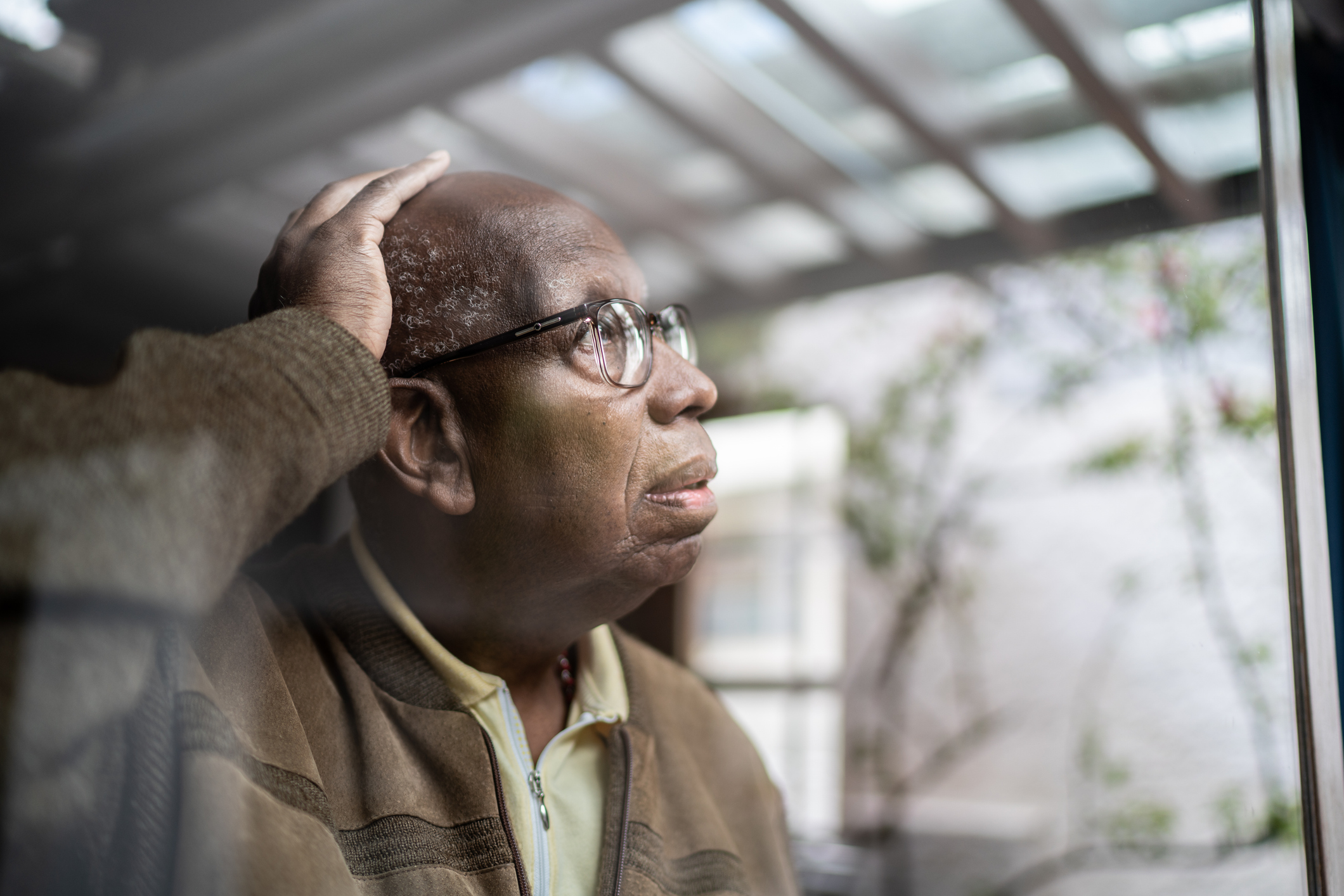
How Being Outdoors Benefits Mental Health

Nature provides us with many healing properties including natural light from the sun, green spaces such as parks, and blue spaces such as bodies of water; all of which have been proven to have positive effects on our mental health.

Spending time regularly in nature can promote good mental health by helping our minds to relax and rejuvenate. Furthermore, research shows that regular exposure to nature has been linked to a host of other mental health benefits. Here are a few:

  • Improved cognitive function
  • Improved focus
  • Improved memory
  • Increased creativity
  • Decreased stress
  • Decreased anxiety symptoms
  • Decreased feelings of loneliness
  • Reduced depression symptoms

We must connect regularly with nature to reap its benefits. We can nurture our connection by partaking in activities such as hiking, going to the beach, or camping.

For those who are unable to plan getaways or excursions, getting access to nature does not always need to include extensive planning or activities. We can also enjoy nature in urban or small spaces, and in a few minutes each day by:

  • Going to a park
  • Tending to a plant or garden at home
  • Spending time in our backyards
  • Looking outside our windows at trees and plants
  • Placing a plant in our workspaces
  • Sitting by a pond
  • Listening to nature sounds, such as raindrops or the ocean

Maintaining good mental health is crucial for our overall well-being. This can be accomplished by incorporating time in nature into our daily routines, and, most importantly, seeking the care and support we need when we experience symptoms of a mental health condition.

If you need the assistance and support of a mental health professional at Jamaica Hospital Medical Center, please call 718-206-5575, to schedule an appointment.


All content of this newsletter is intended for general information purposes only and is not intended or implied to be a substitute for professional medical advice, diagnosis or treatment. Please consult a medical professional before adopting any of the suggestions on this page. You must never disregard professional medical advice or delay seeking medical treatment based upon any content of this newsletter. PROMPTLY CONSULT YOUR PHYSICIAN OR CALL 911 IF YOU BELIEVE YOU HAVE A MEDICAL EMERGENCY.

Mental Health Therapy for Trauma Survivors

An older man experiencing receiving trauma support from a therapist.Trauma can have a significant negative impact on your mental health. If you’ve been a victim of a serious injury, abuse, or a catastrophic event in your personal life, you face a higher likelihood of developing conditions such as post-traumatic stress disorder (PTSD), which can create new challenges in various aspects of your daily life. To reduce this risk or learn to overcome conditions such as PTSD, it’s important to seek help from a qualified mental health professional.

Psychiatrists and other mental healthcare providers can use a variety of techniques to help you learn to process your trauma in a healthy way. One of the most effective tools available for providing this care is cognitive behavioral therapy (CBT), which focuses on:

  • Finding unhealthy and unhelpful patterns in your thoughts, feelings, and behaviors
  • Identifying how these patterns contribute to any challenges you experience in your daily life
  • Changing these patterns to help you overcome the challenges you face

Therapists may also use other variations of CBT during your treatment, depending on what particular mental health problems you experience in connection with your trauma. These alternatives include:

  • Cognitive processing therapy, which focuses on challenging and changing beliefs you’ve developed because of your trauma
  • Cognitive therapy, which focuses on helping you evaluate or remember your trauma in a way that is less disruptive or more helpful for your ability to function
  • Prolonged exposure, which helps you learn to approach trauma-related thoughts, feelings, or situations that you may be avoiding

Other treatment approaches, including medication and other forms of psychotherapy, may also be available for people who have experienced trauma, depending on the nature of their symptoms and responsiveness to standard treatment.

You can find compassionate, effective therapeutic treatment or support for trauma-related mental health conditions at Jamaica Hospital Medical Center’s Department of Psychiatry, as well as our new Trauma Survivors support program. To learn more or to schedule an appointment, please call (718) 206-5575.

All content of this newsletter is intended for general information purposes only and is not intended or implied to be a substitute for professional medical advice, diagnosis or treatment. Please consult a medical professional before adopting any of the suggestions on this page. You must never disregard professional medical advice or delay seeking medical treatment based upon any content of this newsletter. PROMPTLY CONSULT YOUR PHYSICIAN OR CALL 911 IF YOU BELIEVE YOU HAVE A MEDICAL EMERGENCY.