Jamaica Hospital Offers Dental Sedation To Help Patients With “Dental Anxiety”

It is estimated that 10% – 20% of Americans avoid going to the dentist due to anxiety or fear. The source of “dental anxiety” may be due to a previous traumatic event or it could be fear of pain or injections. Regardless of the reason, this delay in care can often lead to further complications including increased tooth decay which can lead to tooth loss. 
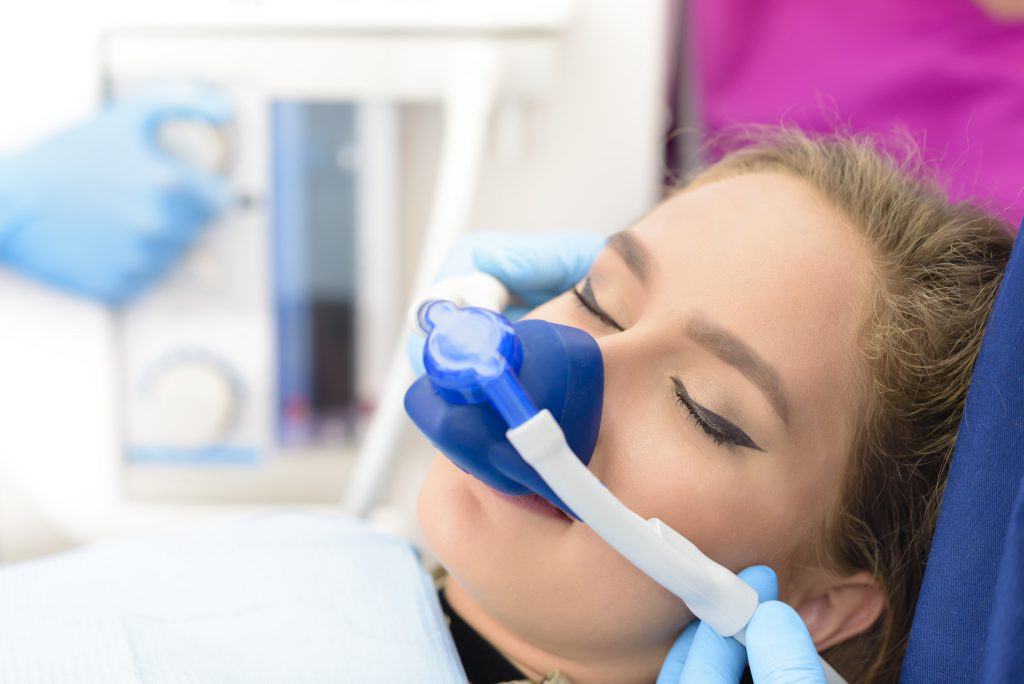
For those with anxiety caused by going to the dentist Jamaica Hospital Medical Center offers mild to moderate dental sedation for a variety of procedures including tooth extractions.  The service is offered to most adult and pediatric patients. 

Patients who are interested in receiving dental sedation first need to schedule a pre-operative consultation. During the consultation providers will determine if sedation is appropriate.  A customized anesthesia plan will be made for each patient. While sedation is safe for most, patients with a history of asthma, certain cardio-vascular disease or who are obese may not be eligible.

On the day of the appointment, the team will review the procedure and anesthesia plan with the patient and family. The IV anesthesia is administered by a trained oral surgeon and dental hygienist. After the injection, the patient will enter a “twilight” or light state of sedation.  The patient’s heart, blood pressure and a pulse are monitored during the entire procedure to ensure patient safety. Most procedures last between 30-45 minutes. At the conclusion of the procedure, patients are released to a previously identified escort over 18 years of age.

Jamaica Hospital’s Department of Dentistry has been offering this safe service since July of 2019.  The hospital’s team of qualified oral surgeons and dental anesthesiologists have a great deal of experience with dental sedation, performing approximately 20 procedures for children and adults every month.

Patients at Jamaica Hospital’s Dental Center are very appreciative for this service as it has helped them overcome their fear of going to the dentist.

If you would like to learn more about dental sedation service at Jamaica Hospital, please call 718-206-6980 to schedule an initial consultation.

All content of this newsletter is intended for general information purposes only and is not intended or implied to be a substitute for professional medical advice, diagnosis or treatment. Please consult a medical professional before adopting any of the suggestions on this page. You must never disregard professional medical advice or delay seeking medical treatment based upon any content of this newsletter. PROMPTLY CONSULT YOUR PHYSICIAN OR CALL 911 IF YOU BELIEVE YOU HAVE A MEDICAL EMERGENCY.

Information About Depression

Depression is a mood disorder that makes you feel constant sadness or lack of interest in life.  It can affect how a person feels, thinks and behaves. It can lead to a variety of emotional and physical problems. Those living with depression have trouble doing normal day-to-day activities, and sometimes may feel as if life isn’t worth living.

While everyone experiences feelings of sadness at some point in their life, those with clinical depression have prolonged periods of feeling helpless, hopeless, and worthless. These feelings are not always tied to a specific incident and can last for many days to weeks. Depression can occur in children, adolescents and adults. Although someone can experience depression only once in their life, most who suffer with depression experience recurring episodes.

Some of the symptoms of depression include:

  • Feelings of sadness, tearfulness, emptiness or hopelessness
  • Angry outbursts, irritability or frustration, even over small matters
  • Loss of interest or pleasure in most or all normal activities, such as sex, hobbies or sports
  • Sleep disturbances, including insomnia or sleeping too much
  • Tiredness and lack of energy, so even small tasks take extra effort
  • Reduced appetite and weight loss or increased cravings for food and weight gain
  • Anxiety, agitation or restlessness
  • Slowed thinking, speaking or body movements
  • Feelings of worthlessness or guilt, fixating on past failures or self-blame
  • Trouble thinking, concentrating, making decisions and remembering things
  • Frequent or recurrent thoughts of death, suicidal thoughts, suicide attempts or suicide
  • Unexplained physical problems, such as back pain or headaches

For many people with depression, symptoms usually are severe enough to cause noticeable problems in day-to-day activities, such as work, school, social activities or relationships with others. Some people may feel generally miserable or unhappy without really knowing why.

There is no known singular cause for depression. Instead, health professionals point to a combination of contributing factors including a person’s brain structure and chemistry. Hormone and genetics are also believed to play a role.

Help is available for those with depression. A mental health professional can conduct an evaluation and outline a course of treatment based on the patient’s individual needs. Treatment may include:

  • Medications – These can include a combination of antidepressants, mood stabilizers, antipsychotic, anti-anxiety or stimulant medications
  • Psychotherapy – Talking to a mental health professional on a regular basis about your depression and other issues can help treat the symptoms.
  • Electroconvulsive therapy – This brain stimulation therapy passes electric currents through your brain to help your neurotransmitters work better.
  • Transcranial magnetic stimulation – This treatment uses a coil to send magnetic pulses through your brain to help stimulate nerve cells that regulate mood.

Some with depression may experience thoughts of hurting themselves or others. If someone you know is depressed and you think they may hurt themselves or attempt suicide, call 911immediately.

All content of this newsletter is intended for general information purposes only and is not intended or implied to be a substitute for professional medical advice, diagnosis or treatment. Please consult a medical professional before adopting any of the suggestions on this page. You must never disregard professional medical advice or delay seeking medical treatment based upon any content of this newsletter. PROMPTLY CONSULT YOUR PHYSICIAN OR CALL 911 IF YOU BELIEVE YOU HAVE A MEDICAL EMERGENCY.

The Facts About Ear Infections

An ear infection is an infection of the middle ear, the air-filled space behind the eardrum. Children are most likely to develop ear infections, but adults can get them too.

Ear infections are commonly associated with colds or the flu because the middle ear is connected to the upper respiratory tract by a tiny channel known as the Eustachian tube. Germs that are growing in the nose or sinus cavities can climb up the Eustachian tube and enter the middle ear to start growing.

The most common symptoms associated with ear infections in children include:

  • Ear pain, especially when lying down
  • Tugging or pulling at an ear
  • Trouble sleeping
  • Crying more than usual
  • Trouble hearing or responding to sounds
  • Loss of balance
  • Fever of 100 F (38 C) or higher
  • Drainage of fluid from the ear

Ear pain, difficulty hearing and drainage of fluid from the ear are the most common symptoms in adults.

While anyone can develop an ear infection, there are multiple factors that can increase your chances of developing one, including:

  • Age – Children between the ages of 6 months and 2 years are more susceptible to ear infections because of the size and shape of their Eustachian tubes and because their immune systems are still developing.
  • Group child care – Children cared for in group settings are more likely to get colds and ear infections than are children who stay home.
  • Bottle feeding – Babies who drink from a bottle, especially while lying down, tend to have more ear infections than do babies who are breast-fed.
  • Seasonal factors. Ear infections are most common during the fall and winter. People with seasonal allergies may have a greater risk of ear infections when pollen counts are high.
  • Poor air quality. Exposure to tobacco smoke or high levels of air pollution can increase the risk of ear infections.

Because ear infections often clear up on their own, treatment may begin with managing pain and monitoring symptoms. When they don’t however, antibiotics can be used to clear the infection. Some people are prone to having multiple ear infections. This can cause hearing problems and other serious complications.

It is important to see your doctor when:

  • The patient is less than six months old
  • Symptoms last more than a day
  • Pain is severe
  • There is a discharge of fluid

Most ear infections don’t cause long-term complications, but if someone develops them repeatedly, they can lead to complications including impaired hearing, speech or development delays and spread of infection to nearby tissue.

The best ways to reduce the risk of developing an ear infection include practicing good hand hygiene and social distancing to avoid contracting the common cold, the flu or other viruses and bacterial infections that can lead to them. Other tips include breast-feeding your baby and avoiding secondhand smoke.

All content of this newsletter is intended for general information purposes only and is not intended or implied to be a substitute for professional medical advice, diagnosis or treatment. Please consult a medical professional before adopting any of the suggestions on this page. You must never disregard professional medical advice or delay seeking medical treatment based upon any content of this newsletter. PROMPTLY CONSULT YOUR PHYSICIAN OR CALL 911 IF YOU BELIEVE YOU HAVE A MEDICAL EMERGENCY.

Important Information About Hypertension

According to the American Heart Association, hypertension is the medical term for high blood pressure.  It is defined an adult as blood pressure that is greater than or equal to 140 mm systolic and 90 mm diastolic. Hypertension directly increases the risk of coronary heart disease and stroke.

When the heart beats, it generates a force exerted against artery walls, known as blood pressure. Blood pressure is measured by testing the force needed to stop blood from flowing through the arteries, away from the heart. When a blood pressure test is performed, a test result will yield two numbers. The first number is known as the systolic number. It measures the pressure when the heart beats. The second number, known as the diastolic number, measures the pressure between heart beats, when the heart is at rest. A normal blood pressure for a healthy adult is 120/80.

Hypertension, also known as high blood pressure, is a serious condition that affects approximately one quarter of all Americans. Hypertension is commonly known as the “silent killer” because of the lack of any noticeable symptoms.  If not treated, hypertension can lead to many more serious conditions that can ultimately prove fatal.

Diagnosing and treating hypertension is very important because it can lead to a number of other diseases, such as heart disease, stroke, and kidney failure.

Everyone is susceptible to developing hypertension, but some groups are at greater risk than others. Those most at risk are:

                • People with a history of hypertension in their family

  • Overweight people

                • African Americans

                • Elderly people

You are also at a higher risk to develop hypertension if you:

                • Smoke

                • Drink alcohol frequently

                • Are pregnant or on birth control pills

                • On a high-salt diet

                • Are an inactive person

If you have hypertension, there are ways of controlling your condition. The following lifestyle changes can be added to reduce your risk:

  • Exercise Regularly – Aerobic exercise for 15 to 45 minutes, three to four times a week, every week is recommended by doctors. Swimming, walking, jogging, riding a bike, and dancing are all excellent forms of aerobic exercise.
  • Eat healthy – Avoid foods with high salt and high fat content. Doctors suggest eating more fruit, vegetables, chicken, fish, pasta, and low-fat dairy products.           
  • Control Alcohol – Limit alcohol consumption. 
  • Stop Smoking – If you are serious about controlling hypertension, you must stop smoking.

In some more serious cases, doctors will prescribe medication to help control hypertension. The best prevention is to see a doctor and have a blood pressure check-up at least once a year.

Before beginning a diet or exercise program, consult your physician.

All content of this newsletter is intended for general information purposes only and is not intended or implied to be a substitute for professional medical advice, diagnosis or treatment. Please consult a medical professional before adopting any of the suggestions on this page. You must never disregard professional medical advice or delay seeking medical treatment based upon any content of this newsletter. PROMPTLY CONSULT YOUR PHYSICIAN OR CALL 911 IF YOU BELIEVE YOU HAVE A MEDICAL EMERGENCY.
Learn The Facts About Diabetes

Diabetes is a treatable, but not curable, disease in which the body either develops a resistance to insulin or cannot successfully use all the foods it takes in because of a defect in the production of insulin. Insulin is a hormone created in the pancreas, an organ found near the stomach. It acts as a key to allowing glucose into our cells. Glucose is created during digestion and is needed as a fuel for the body to perform many activities.

Scientists are not certain why diabetes affects some people and not others, but there is strong evidence that heredity, diet, activity level, and ethnicity play an important role.

Diabetes is the leading cause of blindness, kidney disease, nerve damage, and non-traumatic amputations, and the fourth leading cause of death in the United States. It is essential to be under the regular care of a physician when diagnosed with the disease, as diabetics have an increased risk of heart disease and stroke and are also prone to infection and slow-healing wounds.

What Are The Risk Factors For Diabetes?

  • You are at risk of developing diabetes if you:
  • Are overweight
  • Are over the age of 45
  • Have poor dietary habits
  • Do not exercise regularly
  • Are a woman who has experienced gestational diabetes
  • Are a woman who has delivered a baby weighing more than nine pounds at birth
  • Are of African American decent
  • Are of Hispanic decent
  • Have a family history of diabetes

What Are The Types Of Diabetes?

Type I
Type I is also called insulin dependent diabetes because the body does not produce insulin in sufficient quantities, if at all. In this form of diabetes, people are required to take insulin every day by injection. It is seen mostly in children and young adults, though not exclusively. It affects 10% of the diabetic population.

Type II
This more common form of the disease affects the greatest number of people.  Almost 90% of people with diabetes have this type. Type II has also been called the non-insulin dependent form of the disease because it can often, though not always, be managed without taking insulin. Many people do well with oral medications, strict diets, exercise, and close monitoring by a physician.

Gestational Diabetes
This form of the disease can develop during pregnancy. It will often go away after the pregnancy is completed. It is believed to be caused by the hormonal changes that take place during pregnancy. It is a risk factor for developing the disease later in life.

 Some common symptoms of diabetes include:

  • Frequent urination
  • Constant thirst
  • Dramatic weight loss
  • Constant hunger
  • Tingling or numbness in the feet or hands   
  • Blurred vision
  • Frequent feeling of fatigue

It is important to discuss any symptoms with your physician as soon as they are noticed. The above lists some warning signs and they all need not be present. Further testing is necessary to make an accurate diagnosis.

Diabetes isn’t necessarily painful, and that is why it is often not diagnosed until major symptoms develop.

Depending on the type of diabetes and its severity, treatment plans will vary and must be tailored to the individual’s specific needs. Medications include daily injections of insulin and/or oral agents, strict diet, regular glucose monitoring, an exercise plan, and regular medical examinations.

All content of this newsletter is intended for general information purposes only and is not intended or implied to be a substitute for professional medical advice, diagnosis or treatment. Please consult a medical professional before adopting any of the suggestions on this page. You must never disregard professional medical advice or delay seeking medical treatment based upon any content of this newsletter. PROMPTLY CONSULT YOUR PHYSICIAN OR CALL 911 IF YOU BELIEVE YOU HAVE A MEDICAL EMERGENCY.

Learn More About Cholesterol

Cholesterol is a necessary component of the cells in the body. It is found in large quantities in nerve tissue, the brain, skin, adrenal glands, and liver. Cholesterol is a soft, fat-like substance found in the bloodstream along with the circulating fats called lipids. Cholesterol is not able to dissolve in blood and in order to be transported it must be united with a type of

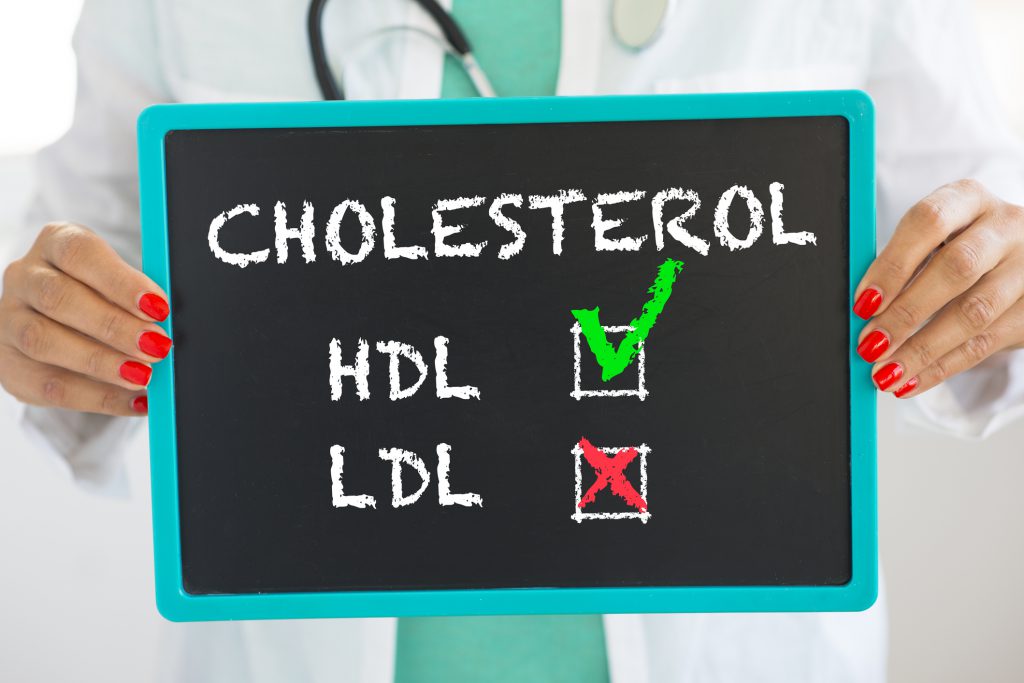
Low Density Lipoprotein (LDL) is known as bad cholesterol when found in large quantities. It contains more cholesterol than protein and helps transport cholesterol to the cells. When the LDL level is high, excess cholesterol will accumulate in the blood vessels and lead to  complications.

High Density Lipoprotein (HDL) is known as good cholesterol because it contains more protein than other cholesterol. This form of lipoprotein helps transport excess cholesterol away from the cells, therefore, it is better to have more HDL’s and fewer LDL’s in the bloodstream.

When there is too much cholesterol circulating in the blood, it leads to a disease called hypercholesterolemia. This elevated level of cholesterol in the blood will eventually lead to the formation of fatty deposits of plaque on the lining of blood vessels. When this happens, blood vessels become narrowed and hardened by these deposits. This condition is called atherosclerosis and it can lead to the formation of blood clots in these now narrowed blood vessels. When blood vessels become narrowed, it makes it difficult for blood to reach parts of the body and can eventually cause serious damage.  It is believed that atherosclerosis causes more deaths due to heart attacks than any other disease.

A diet high in cholesterol can lead to stroke, heart disease, atherosclerosis, and possibly death. Many of the great tasting foods that we eat every day contain high amounts of cholesterol. Foods that are high in cholesterol include red meat, egg yolks, whole milk, cheese, ice cream, butter, fried foods, cake, and cookies. Foods that are prepared with high amounts of saturated fats such as palm or coconut oil also lead to high cholesterol levels.

Foods that are low in cholesterol and high in fiber are a smarter choice. These include fresh leafy vegetables, peas, dried beans, and whole grains. A healthy diet is one that contains less red meat and more fish and poultry. Taking the skin off poultry makes it even healthier to eat.

Other factors that can lead to high cholesterol include smoking, obesity, and a family history of heart disease.

The American Heart Association says that when the level of cholesterol rises above 200 milligrams per deciliter of blood, there is a significant increase in the risk of having a heart attack. High cholesterol can vary from person to person but is generally defined as above 240 mg/dl.

The body has the ability to produce approximately 1,000 milligrams of cholesterol daily from the carbohydrates and fats that we eat. Therefore, it is not necessary to eat foods that are high in cholesterol in order to meet the body’s needs. In fact, the American Heart Association recommends that you limit your daily intake of cholesterol to no more than 300 milligrams per day. The daily diet should contain no more than 30% fat and only a third of this fat should be saturated.

Exercise and a healthy diet are two ways that you can lower your cholesterol. It is important to always consult a physician before starting any diet or exercise plan. Stress management is also very helpful in reducing the risk of heart disease, heart attack, and stroke. In many cases where cholesterol levels are not being controlled, it may be necessary for a physician to prescribe medication to help lower it.

All content of this newsletter is intended for general information purposes only and is not intended or implied to be a substitute for professional medical advice, diagnosis or treatment. Please consult a medical professional before adopting any of the suggestions on this page. You must never disregard professional medical advice or delay seeking medical treatment based upon any content of this newsletter. PROMPTLY CONSULT YOUR PHYSICIAN OR CALL 911 IF YOU BELIEVE YOU HAVE A MEDICAL EMERGENCY.

Information About Breast Cancer

All cancers gets their name from the part of the body where the abnormal cells begin to develop. Breast cancer occurs when cells become abnormal and divide without order in the breast tissue of women, and in rare cases, men.

While it is not known what causes breast cancer, certain risk factors have been linked to the disease. A risk factor is anything that increases a person’s chance of getting a particular type of cancer. Some risk factors can be controlled (e.g., smoking) and others (e.g.,age, family history) cannot be changed. Being a woman is the main risk factor for breast cancer however, other factors such as environmental exposure and diet can also play a part.

The most common sign of breast cancer is a new lump in the breast that is painless, hard, and has irregular edges.

Some other signs or symptoms of breast cancer include:

•              swelling of a part of the breast

•              skin irritation or dimpling of the skin on the breast

•              nipple pain or scaliness of the nipple or breast skin

•              a nipple discharge that is other than breast milk

•              a lump in the underarm area

At this time, there is no known way to prevent breast cancer. However, some preventative measures such as reducing controllable risk factors and implementing early detection methods can increase your survival rate in the event of a cancer diagnoses. Reducing your incidence of risk where possible and following guidelines for self-examination and early detection are the best course of preventative action. Early detection improves the likelihood of successful treatment and saves thousands of lives each year. Each month, it is advised that women perform breast self-exams. Early detection screening exams often find cancers before they start to cause symptoms, while they are small and still confined to the breast. Between the ages of 20 and 39, women should have a clinical breast exam every year if they are in a high-risk group or every three years if they are not. From the age of 40, women should have a mammogram screening every year.

If breast cancer is suspected in a patient, a biopsy of the cells from the breast is performed, removing cells so that they can be examined. Cancer treatment includes surgical procedures such as lumpectomy, mastectomy, and non-surgical therapies such as chemotherapy, radiation therapy, and hormone therapy. If you have been given a cancer diagnosis, don’t be afraid to seek the second opinion of a breast cancer specialist for more information and treatment options.

All content of this newsletter is intended for general information purposes only and is not intended or implied to be a substitute for professional medical advice, diagnosis or treatment. Please consult a medical professional before adopting any of the suggestions on this page. You must never disregard professional medical advice or delay seeking medical treatment based upon any content of this newsletter. PROMPTLY CONSULT YOUR PHYSICIAN OR CALL 911 IF YOU BELIEVE YOU HAVE A MEDICAL EMERGENCY.

What is Arthritis?

Arthritis is a chronic disease that most often affects areas of the body that are in or around joints. A joint is the area where bones meet: an example of this would be the knee. Bones are covered at their ends by a substance known as cartilage, and it is this cartilage that keeps the bones from rubbing directly against one another. The entire joint is enclosed by the synovium, a tissue that produces the synovial fluid that keeps the joint lubricated. Muscles and tendons act to support the joint and also to make it move. When a part of the joint is not working correctly it can cause the joint to change shape or alignment, which can be very painful.

Arthritis is a disease that affects one in every seven people and can occur at any age. . It is a disease that can severely limit the ability to move. It can have a slow onset, or come on quickly.  Once it starts, it usually lasts your entire life. There are many ways that its symptoms can be reduced so that people who have it can remain active.

Arthritis is often characterized by pain, stiffness, swelling, and problems with movement in one or more joints. Any of these symptoms that persist for 10 days or more should be discussed with your doctor. It is important to remember that symptoms may be constant or they may come and go. Symptoms can occur during physical activity or they can occur while at rest.

Because there are so many different types of arthritis, it is important for your doctor to perform a complete history and physical in order to make a correct diagnosis. Often the exam will include a blood test, a urine analysis, a joint fluid specimen, and an x-ray of the involved joints. To help your doctor, you should be able to tell him or her when you first noticed the pain, how long you have had it, when it hurts, where the pain is located, whether you have noticed any swelling, if you had any trauma to the area, and whether there is a family history of this type of problem.

The two main types of arthritis are osteoarthritis and rheumatoid arthritis

Osteoarthritis   This is the most common form of arthritis. It is also called degenerative arthritis. It usually affects weight-bearing joints such as the hips, knees, and back, but it can affect almost any joint. It causes pain and stiffness and is due to degeneration of the bone and cartilage. Men and women are usually affected at the same rate of occurrence.

Rheumatoid Arthritis   This is an inflammatory form of arthritis that is caused by the body’s own immune system acting on the joints. The joint lining is affected first and then spreads to the cartilage and bone. It occurs in women more often than in men, and it affects the same joints on both sides of the body.

Depending on the type of arthritis and its severity, treatment plans will vary and must be customized to the individual’s specific needs. Medications that act on the pain and the swelling include those sold over the counter as well as prescriptions. Exercise programs and physical therapy have helped many people relieve symptoms and increase joint mobility. The use of ice or heat over the joint may help as well. Excess weight can also cause a person’s arthritis to worsen. In all instances it is important to discuss symptoms and all treatment plans with your doctor.

All content of this newsletter is intended for general information purposes only and is not intended or implied to be a substitute for professional medical advice, diagnosis or treatment. Please consult a medical professional before adopting any of the suggestions on this page. You must never disregard professional medical advice or delay seeking medical treatment based upon any content of this newsletter. PROMPTLY CONSULT YOUR PHYSICIAN OR CALL 911 IF YOU BELIEVE YOU HAVE A MEDICAL EMERGENCY.
Learn The Facts About Asthma

Asthma is a disease that affects the airway’s ability to deliver oxygen to the lungs. It causes periodic attacks of wheezing and difficulty breathing. An asthma attack occurs when the airways become inflamed in response to a trigger. Triggers are factors that bring about an asthma attack. There are many types of triggers including:

• Allergens – Such as pollen, mold, animal fur, dust, dust mites, and cockroaches

• Viral Infections – Viral infections of the respiratory tract often act as major triggers, since they irritate the airways, nose, throat, and sinuses

• Irritants – Examples of irritants are perfumes, household cleaners, cooking fumes, painting supplies, coal, chalk, and sudden changes in the weather

• Tobacco Smoke and Wood Smoke – No one should smoke in the home of an asthmatic

• Exercise – It is estimated that 85% of all asthmatics encounter wheezing after exercise

• Sensitivity to Medications – Up to 20% of all adult asthmatics experience an attack as a result of allergic reactions to medications such as aspirin, ibuprofen, and sulfites

During an asthma attack, the walls of the airways become inflamed and the mucous membrane covering the walls becomes swollen with fluid. Sticky mucus fills the remaining space, making it difficult to breathe. Because air cannot flow in and out of the lungs freely, a whistling or wheezing sound may be heard. During severe attacks, wheezing may stop because there is too little air moving to make any noise.

The key to diagnosing asthma is recognition of the recurrent symptoms of cough, shortness of breath, tightness in the chest, or wheezing. If these symptoms are present, a physician will perform a pulmonary function test, also known as a spirometry. The test measures the “peak flow,” which is the speed of air blown out of the lungs. Asthmatics have trouble blowing air out, and therefore have lower peak flow measurements. A normal range for peak flow is based on the person’s age, weight, and sex. Daily measurement of the peak flow at home is essential to effectively manage asthma. Decreases in peak flow will alert the patient of the need for further treatment or an emergency medical visit to the doctor.

To treat asthma, the first step is to avoid the triggers that you are sensitive to whenever possible. Prescription medicines are usually needed to combat asthma. There are two main groups of asthma medicines: bronchodilators, which help stop asthma attacks after they have started and anti-inflammatories, which help prevent attacks from starting.

After a course of treatment is prescribed, it is very important to check regularly with your doctor to make sure that the medicines are helping you.

All content of this newsletter is intended for general information purposes only and is not intended or implied to be a substitute for professional medical advice, diagnosis or treatment. Please consult a medical professional before adopting any of the suggestions on this page. You must never disregard professional medical advice or delay seeking medical treatment based upon any content of this newsletter. PROMPTLY CONSULT YOUR PHYSICIAN OR CALL 911 IF YOU BELIEVE YOU HAVE A MEDICAL EMERGENCY.

Learn The Facts About TMJ Syndrome

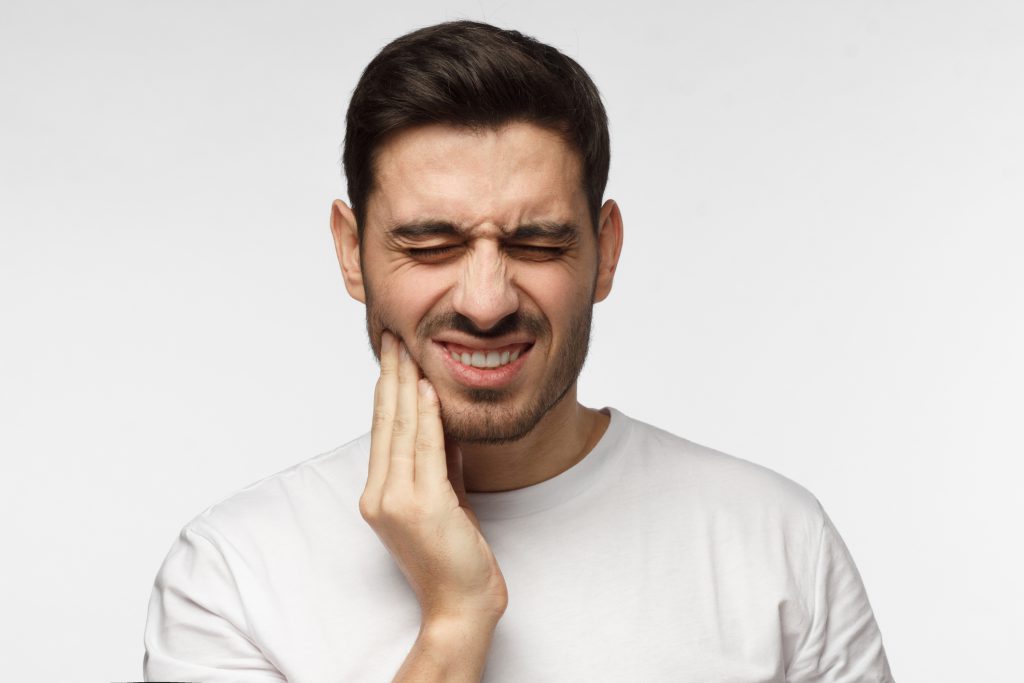
The temporomandibular joint acts like a sliding hinge, connecting your jawbone to your skull. When this joint is injured or damaged, it can lead to a localized pain disorder called temporomandibular joint (TMJ) syndrome.

The main symptom of TMJ syndrome is pain or stiffness in the jaw joint and in the surrounding areas. Other symptoms can include:

  • Difficulty chewing
  • Ear pain or ringing of the ears (tinnitus)
  • Shoulder or neck pain
  • Popping or clicking sound coming from the jaw
  • Headaches or migraines
  • Blurred vision, dizziness or vertigo

The exact cause for developing TMJ syndrome is difficult to determine. There are many factors that can contribute to this condition. In some cases, pain may be the result of a jaw injury or another medical condition such as arthritis. In other cases, it can be caused by correctable action such as poor posture or excessive gum chewing. In many cases, TMJ syndrome is the result of habitually clenching or grinding of the teeth.  Stress and anxiety can also play a role in the onset of the condition.

TMJ syndrome can occur on one side of the jaw or both. It is usually a temporary condition and in most cases symptoms can be relieved with self–care and home remedies. Taking anti-inflammatory medications and applying ice or cold compresses to the jaw are suggested ways to relieve pain. Eating soft foods and avoiding chewing gum while pain is present is also recommended.  Additionally, practicing relaxation techniques and self-massage or stretching techniques have proven effective to reduce pain associated with TMJ syndrome. If these practices are not effective, your dentist can have you fitted for a dental splint or mouth guard to maintain proper alignment of the teeth and prevent grinding. In extreme cases, surgery may be necessary to treat the condition.

If you are experiencing symptoms associated, you can speak to your doctor or dentist about treating the condition.

All content of this newsletter is intended for general information purposes only and is not intended or implied to be a substitute for professional medical advice, diagnosis or treatment. Please consult a medical professional before adopting any of the suggestions on this page. You must never disregard professional medical advice or delay seeking medical treatment based upon any content of this newsletter. PROMPTLY CONSULT YOUR PHYSICIAN OR CALL 911 IF YOU BELIEVE YOU HAVE A MEDICAL EMERGENCY.