Information About Breast Cancer

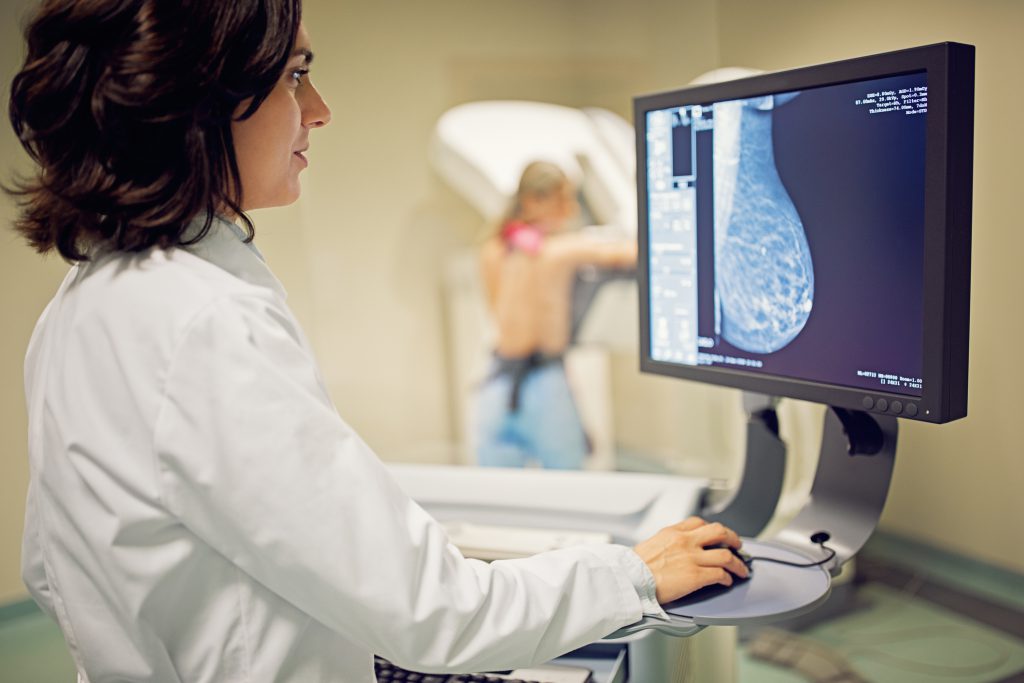
All cancers gets their name from the part of the body where the abnormal cells begin to develop. Breast cancer occurs when cells become abnormal and divide without order in the breast tissue of women, and in rare cases, men.
While it is not known what causes breast cancer, certain risk factors have been linked to the disease. A risk factor is anything that increases a person’s chance of getting a particular type of cancer. Some risk factors can be controlled (e.g., smoking) and others (e.g.,age, family history) cannot be changed. Being a woman is the main risk factor for breast cancer however, other factors such as environmental exposure and diet can also play a part.

The most common sign of breast cancer is a new lump in the breast that is painless, hard, and has irregular edges.

Some other signs or symptoms of breast cancer include:

•              swelling of a part of the breast

•              skin irritation or dimpling of the skin on the breast

•              nipple pain or scaliness of the nipple or breast skin

•              a nipple discharge that is other than breast milk

•              a lump in the underarm area

At this time, there is no known way to prevent breast cancer. However, some preventative measures such as reducing controllable risk factors and implementing early detection methods can increase your survival rate in the event of a cancer diagnoses. Reducing your incidence of risk where possible and following guidelines for self-examination and early detection are the best course of preventative action. Early detection improves the likelihood of successful treatment and saves thousands of lives each year. Each month, it is advised that women perform breast self-exams. Early detection screening exams often find cancers before they start to cause symptoms, while they are small and still confined to the breast. Between the ages of 20 and 39, women should have a clinical breast exam every year if they are in a high-risk group or every three years if they are not. From the age of 40, women should have a mammogram screening every year.

If breast cancer is suspected in a patient, a biopsy of the cells from the breast is performed, removing cells so that they can be examined. Cancer treatment includes surgical procedures such as lumpectomy, mastectomy, and non-surgical therapies such as chemotherapy, radiation therapy, and hormone therapy. If you have been given a cancer diagnosis, don’t be afraid to seek the second opinion of a breast cancer specialist for more information and treatment options.

All content of this newsletter is intended for general information purposes only and is not intended or implied to be a substitute for professional medical advice, diagnosis or treatment. Please consult a medical professional before adopting any of the suggestions on this page. You must never disregard professional medical advice or delay seeking medical treatment based upon any content of this newsletter. PROMPTLY CONSULT YOUR PHYSICIAN OR CALL 911 IF YOU BELIEVE YOU HAVE A MEDICAL EMERGENCY.

What is Arthritis?

Arthritis is a chronic disease that most often affects areas of the body that are in or around joints. A joint is the area where bones meet: an example of this would be the knee. Bones are covered at their ends by a substance known as cartilage, and it is this cartilage that keeps the bones from rubbing directly against one another. The entire joint is enclosed by the synovium, a tissue that produces the synovial fluid that keeps the joint lubricated. Muscles and tendons act to support the joint and also to make it move. When a part of the joint is not working correctly it can cause the joint to change shape or alignment, which can be very painful.

Arthritis is a disease that affects one in every seven people and can occur at any age. . It is a disease that can severely limit the ability to move. It can have a slow onset, or come on quickly.  Once it starts, it usually lasts your entire life. There are many ways that its symptoms can be reduced so that people who have it can remain active.

Arthritis is often characterized by pain, stiffness, swelling, and problems with movement in one or more joints. Any of these symptoms that persist for 10 days or more should be discussed with your doctor. It is important to remember that symptoms may be constant or they may come and go. Symptoms can occur during physical activity or they can occur while at rest.

Because there are so many different types of arthritis, it is important for your doctor to perform a complete history and physical in order to make a correct diagnosis. Often the exam will include a blood test, a urine analysis, a joint fluid specimen, and an x-ray of the involved joints. To help your doctor, you should be able to tell him or her when you first noticed the pain, how long you have had it, when it hurts, where the pain is located, whether you have noticed any swelling, if you had any trauma to the area, and whether there is a family history of this type of problem.

The two main types of arthritis are osteoarthritis and rheumatoid arthritis

Osteoarthritis   This is the most common form of arthritis. It is also called degenerative arthritis. It usually affects weight-bearing joints such as the hips, knees, and back, but it can affect almost any joint. It causes pain and stiffness and is due to degeneration of the bone and cartilage. Men and women are usually affected at the same rate of occurrence.

Rheumatoid Arthritis   This is an inflammatory form of arthritis that is caused by the body’s own immune system acting on the joints. The joint lining is affected first and then spreads to the cartilage and bone. It occurs in women more often than in men, and it affects the same joints on both sides of the body.

Depending on the type of arthritis and its severity, treatment plans will vary and must be customized to the individual’s specific needs. Medications that act on the pain and the swelling include those sold over the counter as well as prescriptions. Exercise programs and physical therapy have helped many people relieve symptoms and increase joint mobility. The use of ice or heat over the joint may help as well. Excess weight can also cause a person’s arthritis to worsen. In all instances it is important to discuss symptoms and all treatment plans with your doctor.

All content of this newsletter is intended for general information purposes only and is not intended or implied to be a substitute for professional medical advice, diagnosis or treatment. Please consult a medical professional before adopting any of the suggestions on this page. You must never disregard professional medical advice or delay seeking medical treatment based upon any content of this newsletter. PROMPTLY CONSULT YOUR PHYSICIAN OR CALL 911 IF YOU BELIEVE YOU HAVE A MEDICAL EMERGENCY.

Learn The Facts About Asthma

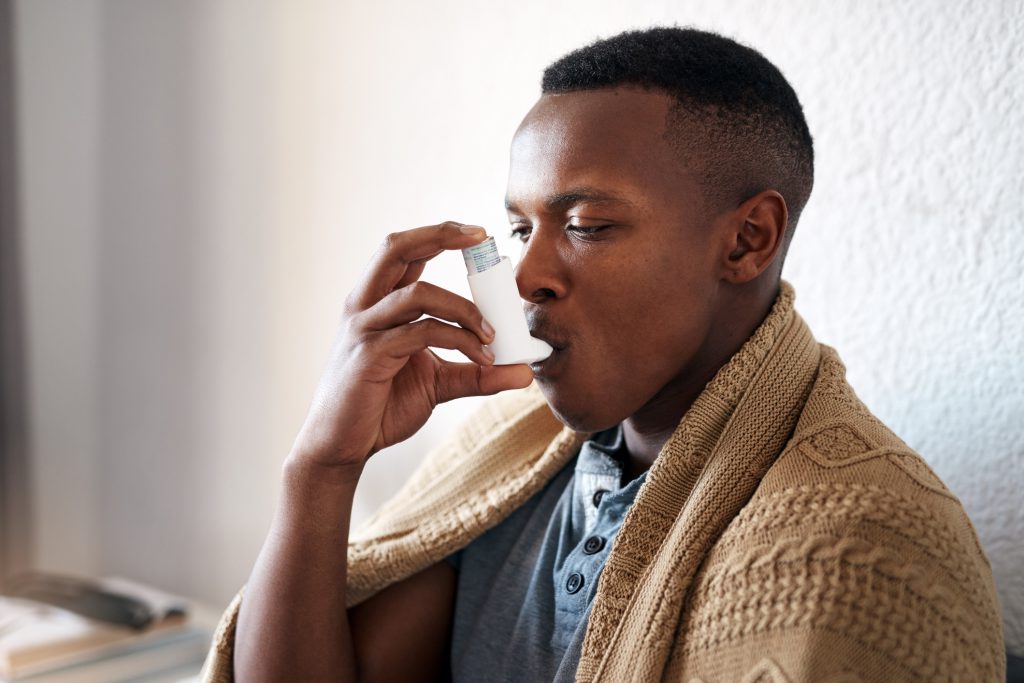
Asthma is a disease that affects the airway’s ability to deliver oxygen to the lungs. It causes periodic attacks of wheezing and difficulty breathing. An asthma attack occurs when the airways become inflamed in response to a trigger. Triggers are factors that bring about an asthma attack. There are many types of triggers including:

• Allergens – Such as pollen, mold, animal fur, dust, dust mites, and cockroaches

• Viral Infections – Viral infections of the respiratory tract often act as major triggers, since they irritate the airways, nose, throat, and sinuses

• Irritants – Examples of irritants are perfumes, household cleaners, cooking fumes, painting supplies, coal, chalk, and sudden changes in the weather

• Tobacco Smoke and Wood Smoke – No one should smoke in the home of an asthmatic

• Exercise – It is estimated that 85% of all asthmatics encounter wheezing after exercise

• Sensitivity to Medications – Up to 20% of all adult asthmatics experience an attack as a result of allergic reactions to medications such as aspirin, ibuprofen, and sulfites

During an asthma attack, the walls of the airways become inflamed and the mucous membrane covering the walls becomes swollen with fluid. Sticky mucus fills the remaining space, making it difficult to breathe. Because air cannot flow in and out of the lungs freely, a whistling or wheezing sound may be heard. During severe attacks, wheezing may stop because there is too little air moving to make any noise.

The key to diagnosing asthma is recognition of the recurrent symptoms of cough, shortness of breath, tightness in the chest, or wheezing. If these symptoms are present, a physician will perform a pulmonary function test, also known as a spirometry. The test measures the “peak flow,” which is the speed of air blown out of the lungs. Asthmatics have trouble blowing air out, and therefore have lower peak flow measurements. A normal range for peak flow is based on the person’s age, weight, and sex. Daily measurement of the peak flow at home is essential to effectively manage asthma. Decreases in peak flow will alert the patient of the need for further treatment or an emergency medical visit to the doctor.

To treat asthma, the first step is to avoid the triggers that you are sensitive to whenever possible. Prescription medicines are usually needed to combat asthma. There are two main groups of asthma medicines: bronchodilators, which help stop asthma attacks after they have started and anti-inflammatories, which help prevent attacks from starting.

After a course of treatment is prescribed, it is very important to check regularly with your doctor to make sure that the medicines are helping you.

All content of this newsletter is intended for general information purposes only and is not intended or implied to be a substitute for professional medical advice, diagnosis or treatment. Please consult a medical professional before adopting any of the suggestions on this page. You must never disregard professional medical advice or delay seeking medical treatment based upon any content of this newsletter. PROMPTLY CONSULT YOUR PHYSICIAN OR CALL 911 IF YOU BELIEVE YOU HAVE A MEDICAL EMERGENCY.

Learn The Facts About TMJ Syndrome

The temporomandibular joint acts like a sliding hinge, connecting your jawbone to your skull. When this joint is injured or damaged, it can lead to a localized pain disorder called temporomandibular joint (TMJ) syndrome.

The main symptom of TMJ syndrome is pain or stiffness in the jaw joint and in the surrounding areas. Other symptoms can include:

  • Difficulty chewing
  • Ear pain or ringing of the ears (tinnitus)
  • Shoulder or neck pain
  • Popping or clicking sound coming from the jaw
  • Headaches or migraines
  • Blurred vision, dizziness or vertigo

The exact cause for developing TMJ syndrome is difficult to determine. There are many factors that can contribute to this condition. In some cases, pain may be the result of a jaw injury or another medical condition such as arthritis. In other cases, it can be caused by correctable action such as poor posture or excessive gum chewing. In many cases, TMJ syndrome is the result of habitually clenching or grinding of the teeth.  Stress and anxiety can also play a role in the onset of the condition.

TMJ syndrome can occur on one side of the jaw or both. It is usually a temporary condition and in most cases symptoms can be relieved with self–care and home remedies. Taking anti-inflammatory medications and applying ice or cold compresses to the jaw are suggested ways to relieve pain. Eating soft foods and avoiding chewing gum while pain is present is also recommended.  Additionally, practicing relaxation techniques and self-massage or stretching techniques have proven effective to reduce pain associated with TMJ syndrome. If these practices are not effective, your dentist can have you fitted for a dental splint or mouth guard to maintain proper alignment of the teeth and prevent grinding. In extreme cases, surgery may be necessary to treat the condition.

If you are experiencing symptoms associated, you can speak to your doctor or dentist about treating the condition.

All content of this newsletter is intended for general information purposes only and is not intended or implied to be a substitute for professional medical advice, diagnosis or treatment. Please consult a medical professional before adopting any of the suggestions on this page. You must never disregard professional medical advice or delay seeking medical treatment based upon any content of this newsletter. PROMPTLY CONSULT YOUR PHYSICIAN OR CALL 911 IF YOU BELIEVE YOU HAVE A MEDICAL EMERGENCY.

What Is Tuberculosis?

Tuberculosis (TB) is an airborne respiratory disease which can spread rapidly when an infected person coughs, sneezes, or speaks. It mainly affects the lungs, but other organs such as the kidneys, spine, or brain are sometimes involved.

TB impacts all ages, races, income levels, and both genders. Most TB cases in the U.S. are brought in from foreign countries, but those at risk include people who live or work with others who have TB, including healthcare workers, the homeless, and those in group settings like nursing homes. Those with impaired immune systems like Intravenous drug users, the elderly, and HIV patients are also at risk. For someone with diabetes, the risk of contracting TB is 2-3x more likely.  However, repeated exposure to the germs is usually necessary before a person will become infected.

TB is diagnosed with a TB skin test. Additional tests to determine if a person has TB disease include X-rays and sputum tests.

Stages of TB are:

Exposure — contact or exposure to another person who is thought to have or does have TB. The exposed person will have a negative skin test, a normal chest X-ray, and no signs or symptoms of the disease.

Latent TB infection – diagnosed TB bacteria infection, but no symptoms of the disease. TB organisms can remain dormant in the body throughout life in 90 percent of people who are infected.  This person would have a positive skin test, but a normal chest X-ray.

TB disease — signs and symptoms of an active infection determined by a positive skin test and a positive chest X-ray.

The symptoms of TB may resemble other lung conditions or medical problems. If you would like to make an appointment for a TB skin test, please contact the Ambulatory Care Center at Jamaica Hospital Hospital Medical Center at 718-206-7001.

All content of this newsletter is intended for general information purposes only and is not intended or implied to be a substitute for professional medical advice, diagnosis or treatment. Please consult a medical professional before adopting any of the suggestions on this page. You must never disregard professional medical advice or delay seeking medical treatment based upon any content of this newsletter. PROMPTLY CONSULT YOUR PHYSICIAN OR CALL 911 IF YOU BELIEVE YOU HAVE A MEDICAL EMERGENCY.

Information About Obesity

One of the most prevalent health conditions in the United States today is obesity. Both children and adults are often classified as being obese and this can have very serious health consequences.

There are numerous reasons that a person may be obese. While lack of exercise and poor eating habits are more commonly given as reasons for being obese, genetics and socio-economic factors may also be involved. Typically obesity is related to consuming more calories every day than are being expended.

Obesity is defined as a condition where a person has excess body fat. One of the ways that obesity is measured is by taking a person’s body mass index (BMI), which is calculated by their body weight in kilograms and dividing it by their height in meters squared. If the result is 30 or greater, that person is considered to be obese.

Being obese can have very serious effects on a person’s overall health. Some of the health conditions associated with obesity are:

• Diabetes
• Hypertension
• High Cholesterol
• Stroke
• Osteoarthritis
• Respiratory difficulty
• Sleep apnea
• Heart disease

There are a few ways that a person can prevent themselves from becoming obese.  Since poor eating habits and behavior may be the cause of the problem, modifying these factors will be helpful. A conservative approach to treating obesity involves:

• Change eating habits
• Improve and increase physical activity
• consult with your physician for recommendations
• consult with a certified dietician

If you would like to speak with a physician at Jamaica Hospital to help you better manage your weight, pleas call 718-206-7001.

All content of this newsletter is intended for general information purposes only and is not intended or implied to be a substitute for professional medical advice, diagnosis or treatment. Please consult a medical professional before adopting any of the suggestions on this page. You must never disregard professional medical advice or delay seeking medical treatment based upon any content of this newsletter. PROMPTLY CONSULT YOUR PHYSICIAN OR CALL 911 IF YOU BELIEVE YOU HAVE A MEDICAL EMERGENCY.

Understanding Ulcers

A stomach ulcer, sometimes referred to as a gastric ulcer, occurs when the acids in the stomach slowly eat away at the lining of the stomach resulting in sores. They can be very painful in some cases, and at other times some people will have no symptoms at all.

There are two main causes of stomach ulcers. One is taking too many pain relievers over a long period of time. This slowly destroys the mucosa lining found in the stomach. The other main cause of a stomach ulcer is caused by a bacteria called Heliobacter pylori ( H. pylori) . This bacteria increases the amount of acid in the stomach which eats away at the stomach lining. Other causes of stomach ulcers are smoking, alcoholic beverages, stress, and spicy food.

Symptoms of a stomach ulcer include:

  • Burping
  • Feeling bloated
  • Nausea
  • Blood in stool
  • Vomiting
  • Heartburn
  • Unexplained weight loss
  • Change in appetite

Having an empty stomach may increase the symptoms.

A stomach ulcer may be accompanied by complications. These can include internal bleeding and infection.

Diagnosing a stomach ulcer is done by taking a thorough medical history and then drawing blood, breathing into a special device, and stool samples.

Treating a stomach ulcer depends on what is causing it. If it is a pain medication issue, then you may have to cut back or reduce the dosage. If it is H. pylori related an antibiotic may be prescribed and then medication to reduce the production of excess stomach acids. Some people get relief by taking antacids or medications that protect the lining of the stomach. Reducing stress may help the symptoms as can eating a healthy diet full of fruits, nuts, and whole grains, eating aged cheese, yogurt, and taking probiotics.

If you are experiencing pain in your abdomen, speak to your physician about possible causes. You can also schedule an appointment with a gastroenterologist at Jamaica Hospital Medical Center by calling 718-206-7001.

All content of this newsletter is intended for general information purposes only and is not intended or implied to be a substitute for professional medical advice, diagnosis or treatment. Please consult a medical professional before adopting any of the suggestions on this page. You must never disregard professional medical advice or delay seeking medical treatment based upon any content of this newsletter. PROMPTLY CONSULT YOUR PHYSICIAN OR CALL 911 IF YOU BELIEVE YOU HAVE A MEDICAL EMERGENCY.

Learning More About Transverse Myelitis

Transverse myelitis has received a great deal of attention recently as it has been mentioned in connection with the COVID-19 vaccine trials. To help our community better understand this condition, Jamaica Hospital is providing you with the following facts.

Transverse myelitis is a rare neurological condition that occurs when both sides of the same section of the spinal cord becomes inflamed, causing damage to the myelin, the fatty substance that covers the nerves. Loss of myelin often leads to spinal cord scarring that blocks nerve impulses and results in physical problems. Transverse myelitis can affect people of any age, but it is most common in children ages 10 to 19 and in adults ages 30 to 39.

The exact cause of transverse myelitis is unknown, but many believe it can develop as a side effect of a number of other conditions, including:

  • Lyme disease
  • Measles
  • Syphilis
  • Viral or bacterial infections

Other potential causes could be the result of spinal injuries, spinal malformations, or vascular diseases like atherosclerosis, all of which can reduce the amount of oxygen in spinal cord tissue.  Transverse myelitis can also be a warning sign of multiple sclerosis.

Some of the symptoms of transverse myelitis include:

  • Back or neck pain
  • Weakness in arms or legs
  • Abnormal feelings in the legs, such as burning, tingling, or pricking
  • Loss of bladder or bowel control
  • Heightened sensitivity to touch

Symptoms can develop over several hours or days, or over a longer period of one to two weeks.

There is no cure for transverse myelitis. Treatment focuses on relieving the inflammation that causes the symptoms. High doses of steroids, which suppress the activity of the immune system, are the most common treatments. Your doctor may also recommend pain-relieving drugs like ibuprofen or acetaminophen and plenty of bed rest.

Recovery from transverse myelitis usually begins from two to 12 weeks after first experiencing symptoms and can take up to two years. Approximately one-third of those with transverse myelitis have full or near-full recovery. Another third have fair recovery, retaining some of their symptoms. The last third recover poorly and experience significant physical disabilities.

Your doctor will likely review your medical history and perform a complete physical examination to confirm a diagnosis. If you are experiencing any symptoms associated with transverse myelitis and would like to make an appointment with a neurologist at Jamaica Hospital, please call 718-206-7001.

All content of this newsletter is intended for general information purposes only and is not intended or implied to be a substitute for professional medical advice, diagnosis or treatment. Please consult a medical professional before adopting any of the suggestions on this page. You must never disregard professional medical advice or delay seeking medical treatment based upon any content of this newsletter. PROMPTLY CONSULT YOUR PHYSICIAN OR CALL 911 IF YOU BELIEVE YOU HAVE A MEDICAL EMERGENCY.

Is it Allergies, the Flu, or COVID?

The fall season presents a convergence of health concerns for many of us.  This time of year marks the beginning of cold and flu season, but for many it is also the time of year when they experience seasonal allergies.

Determining if you have the flu or are suffering from fall allergies could be a difficult task during most years, but  this year to further complicate matters we are living with the very really threat of COVID-19.

While there are some similarities between the flu, COVID and seasonal allergies, it is important to know that each possess distinct differences as well.

Jamaica Hospital is providing our community with the following information on how to distinguish the differences between the coronavirus, the flu and allergies.

  • Allergies are characterized by coughing and sneezing. Allergy sufferers also experience facial pain, nasal drip and itchy eyes, mouth and skin.  Those who have allergies and also have asthma may experience wheezing as well. Those with seasonal allergies generally do not exhibit fatigue, body aches or fever.
  • The flu shares some of the symptoms associated with allergies, such as coughing and sneezing, but unlike allergies, the flu is also accompanied by head and body aches, fatigue and fever.  Unlike allergies, which present more chronic symptoms that can last for weeks or months, those with the flu typically exhibit symptoms for five to seven days.

  • COVID-19 symptoms can be very similar to that of the flu. Some of the most commonly reported symptoms of COVID include: fever and chills, cough, fatigue and muscle or body aches. The most significant difference between COVID and allergies or the flu is shortness of breath, which is a common symptom of the disease.  Other symptoms associated with COVID that are different from allergies or the flu are loss of taste or smell as well as gastrointestinal issues.

Both COVID and the flu are both viruses and mild cases are generally treated similarly with pain and fever medication, such as acetaminophen. Allergies on the other hand are often treated with antihistamines.

If you are a known allergy sufferer you should be aware of when your seasonal allergies typically begin. Additionally, to help minimize the risk of contracting the flu, it is highly recommended that you receive your annual flu shot. If you are experiencing any severe symptoms associated with COVID-19, you should contact your doctor immediately.

All content of this newsletter is intended for general information purposes only and is not intended or implied to be a substitute for professional medical advice, diagnosis or treatment. Please consult a medical professional before adopting any of the suggestions on this page. You must never disregard professional medical advice or delay seeking medical treatment based upon any content of this newsletter. PROMPTLY CONSULT YOUR PHYSICIAN OR CALL 911 IF YOU BELIEVE YOU HAVE A MEDICAL EMERGENCY.

Jamaica Hospital Ranks Well Above National Average On CDC Survey

The benefits of breastfeeding are numerous. Breast milk contains nutrients that are vital to an infant’s growth and development and protects them against many childhood illnesses.

The MediSys Health Network understands the important role we play in providing breastfeeding education and support to our community. We have many programs and initiatives in place that encourage breastfeeding and skilled staff committed to helping new mothers through the breastfeeding process.

The network’s dedication to promoting breastfeeding was recently highlighted when the Centers for Disease Control and Prevention (CDC) released the results of their most recent Maternity Practices in Infant Nutrition and Care (mPINC) survey.

The mPINC survey is released every two years and is intended to highlight strengths and identify improvement opportunities in hospitals’ infant feeding practices. Over 2,000 hospitals across the United States participated in the most survey which contains many newborn feeding practice sub-categories including: rooming-in, feeding education, and discharge support.

Each hospital that participated in the survey received a numeric grade as well as the average national and regional grades of other hospitals and the average grades of similar sized hospitals, (hospitals with between 2,000 -4,999 births per year).

The average national score for hospitals was a 79, the average regional score (northeast) was an 84, and the average score for similar-sized hospitals was an 83. We are pleased to announce that both MediSys hospitals exceeded each of these rating categories with Jamaica Hospital receiving a total score of 93 and Flushing Hospital earning a score of 96. These scores demonstrate of the network’s commitment to providing the highest-quality pre-natal and mother baby care to families. Congratulations to all who helped us achieve this level of success

All content of this newsletter is intended for general information purposes only and is not intended or implied to be a substitute for professional medical advice, diagnosis or treatment. Please consult a medical professional before adopting any of the suggestions on this page. You must never disregard professional medical advice or delay seeking medical treatment based upon any content of this newsletter. PROMPTLY CONSULT YOUR PHYSICIAN OR CALL 911 IF YOU BELIEVE YOU HAVE A MEDICAL EMERGENCY.