
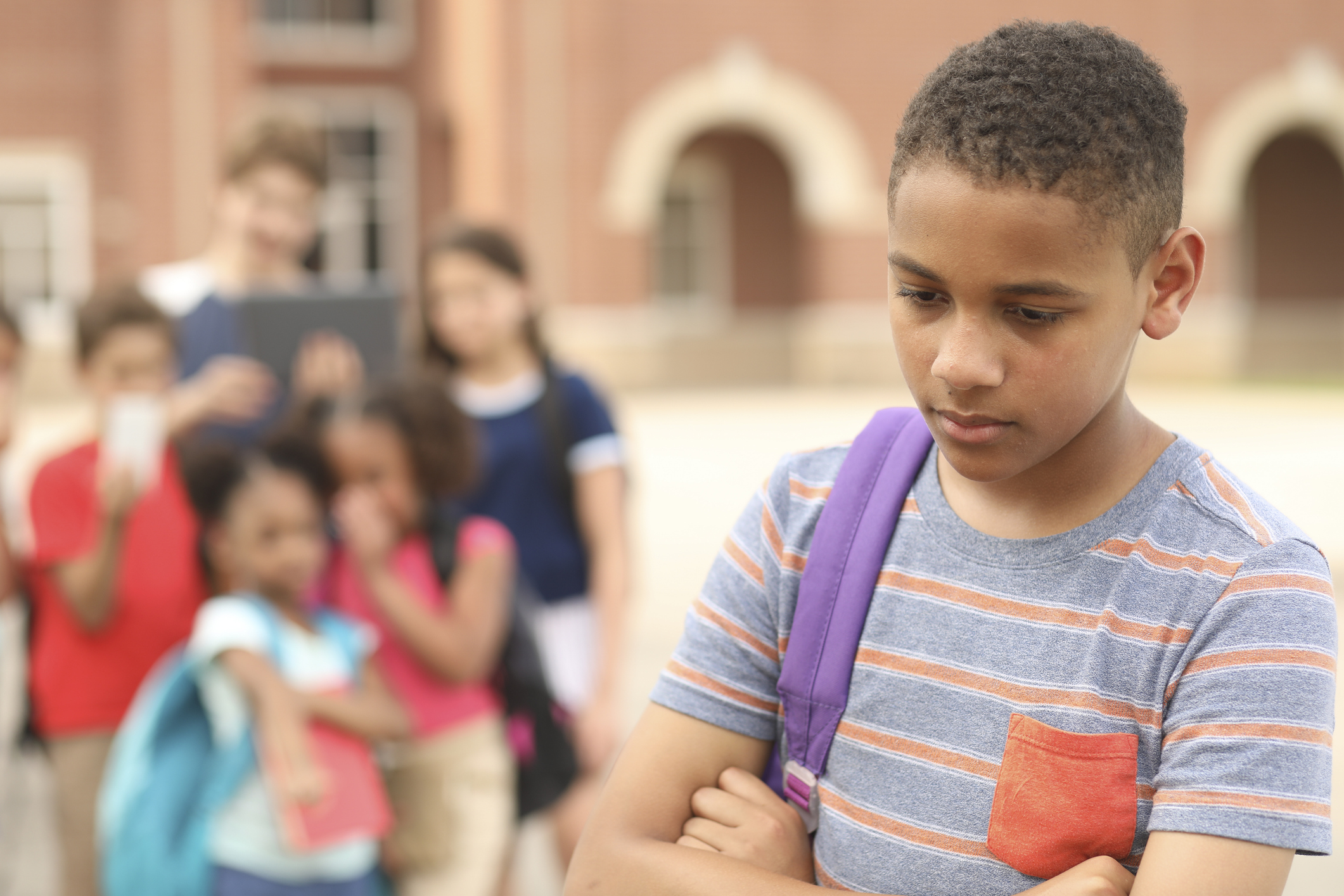
 Many children get teased by siblings or friends at some point in their childhood. Teasing isn’t usually harmful when done in a mutual, friendly, and playful way. When teasing constantly turns hurtful and cruel, it becomes bullying. Unfortunately, bullying is something that children experience at one time or another.
Bullying is when peers intentionally use physical, verbal, or psychological ways to torment someone else, using a real or perceived power imbalance between the bully and the victim.
Bullying affects 75% of kids at some point between kindergarten and 12th grade. Sadly, 10%-20% of kids will be chronically bullied and at risk for poor physical and mental health outcomes, such as physical illnesses, depression and anxiety, aggression, and in extreme cases, suicide. Moreover, they may also face lower graduation rates and less successful career placement.
Chronic bullying has three components:
- A power differential between the child and their aggressor
- Repeated bullying day after day
- Social sanctioning, which regulates another person’s behavior, enforces social standards, and maintains order
There are several reasons why children bully other children. Sometimes they do it because they need a victim, someone who seems to be emotionally or physically weaker, or acts or looks different in some way that makes the bully feel more important, popular, or in control. It may seem like bullies are bigger and stronger; however, that isn’t always the case.
Additionally, children can sometimes bully others because that is the way they have been treated. This behavior has been normalized because they may come from families or other environments where everyone regularly gets angry shouts or calls each other names.
It can be hard to know whether a child is being bullied or not, unless they tell a parent, guardian, or trusted adult, or if they have visible injuries or bruises.
However, there are some warning signs. A parent may notice a child is:
- Not eating, sleeping well, or not doing the things they usually enjoy
- Moodier or more easily upset than usual
- Acting differently or anxious
- Avoiding certain situations, such as going to school or taking the bus
Kids can be reluctant to tell adults about bullying experiences because they feel embarrassed and ashamed that it’s happening, or worried that their parents will be disappointed, upset, or angry with them. They may feel like getting bullied is their own fault, or that if they looked or acted differently, they wouldn’t get bullied. They may also be reluctant to tell someone about the bullying, because they believe that the bullying will get worse due to the fear of their bully finding out they told someone.
If a parent suspects that their child is being bullied and their child is hesitant to open up, it is important to find ways to approach the issue. If a child tells their parents that they are being bullied or if they see it happening to someone else, it is important to listen calmly and offer them comfort and support. Parents should praise their child for doing the right thing by talking about it and reminding them that they aren’t alone, as a lot of people get bullied at some point. They should also explain that it is the bully who is behaving badly, not them, and reassure them that they will figure out what to do about the bullying together.
Parents can help kids learn how to deal with bullying if it happens. Some parents or caregivers may be tempted to tell a child to fight back against their bully; however, it is important to advise them not to respond to bullying by fighting or bullying in return. This can quickly escalate into violence, trouble, and someone getting injured. Instead, advise them that it is best to walk away from the situation, spend time with others, and tell an adult. Some other ways kids can improve the situation and feel better are by:
- Telling an adult
- Talking about it
- Avoiding the bully and using the buddy system
- Holding onto the anger
- Acting brave, walking away, and ignoring the bully
A child’s confidence can be greatly affected by bullying. A parent can help rebuild it by encouraging them to spend time with friends who have a positive influence on them. They can also participate in any sports, clubs, or any other activities that they enjoy that build strength and friendships.
Parents can also provide their child with a sympathetic ear and listen attentively to their tough situations, but they should also encourage them to talk about the good parts of their day, so a line of open communication becomes a habit for everyone. It is important to make sure they know that they are believed and that their parents will do what they can to address the bullying.
If your child needs the assistance and support of a mental health professional at Jamaica Hospital Medical Center, please call 718-206-5575 to schedule an appointment.
 Follow
All content of this newsletter is intended for general information purposes only and is not intended or implied to be a substitute for professional medical advice, diagnosis or treatment. Please consult a medical professional before adopting any of the suggestions on this page. You must never disregard professional medical advice or delay seeking medical treatment based upon any content of this newsletter. PROMPTLY CONSULT YOUR PHYSICIAN OR CALL 911 IF YOU BELIEVE YOU HAVE A MEDICAL EMERGENCY.