Do You Know the Facts About Meningitis?

.

Meningitis

Meningitis is an inflammation of the fluid that covers the brain and spinal cord. It is an extremely serious condition that can result in death. Although anyone can develop meningitis, those most at risk are children under five and adolescents between 15-19 years old.

There are two main kinds of meningitis:

Bacterial meningitis is the more severe form of the disease and requires  treatment in a hospital setting. Viral meningitis is more common, and most people with this form of the illness get better in a couple of weeks. With mild cases, you may only need home treatment, including taking medicine for fever and pain and drinking enough fluids to stay hydrated.

Meningitis isn’t as contagious as viruses, such as those that cause the common cold, but it can spread from person to person via coughing, sneezing, kissing, sexual contact, or contact with infected blood or stool. A mother can also pass the germs that cause meningitis to her baby during birth.

Meningitis can be hard to diagnose because many of the early symptoms match those of the flu. The most common symptoms are fever, vomiting, headaches, stiff neck, sensitivity to light, drowsiness, and muscle pain. Babies may also develop a rash, have a lack of appetite and seem more irritable.

The best way to protect your child from meningitis is to make sure he or she gets all the standard immunizations for children, including shots for measles, chickenpox, and pneumococcal infection. When children reach adolescence, it is recommended that they receive two doses of a meningococcal vaccine to prevent bacterial meningitis.

Jamaica Hospital encourages everyone to know the symptoms of meningitis and speak to their doctor about the meningitis vaccine.

All content of this newsletter is intended for general information purposes only and is not intended or implied to be a substitute for professional medical advice, diagnosis or treatment. Please consult a medical professional before adopting any of the suggestions on this page. You must never disregard professional medical advice or delay seeking medical treatment based upon any content of this newsletter. PROMPTLY CONSULT YOUR PHYSICIAN OR CALL 911 IF YOU BELIEVE YOU HAVE A MEDICAL EMERGENCY.

Do You Know How to Dispose of your Expired Medications?

If you peek inside your medicine cabinet, there is a good chance it contains a few expired or unnecessary prescription medications. It is probably a good idea to discard them, but what is the right way to do so?

Pills Spilling From Bottle

Disposing of these medications, whether they are expired antibiotics, or pain meds that are no longer needed is very important because they can be harmful if taken by someone other than the person they were prescribed for.

While most medicines can be thrown in the household trash, many others have specific disposal instructions to immediately flush them down the sink or toilet when they are no longer needed. Only flush prescription drugs that specifically note to do so as there is evidence that certain medications can harmful to the water supply. If you are uncomfortable flushing or disposing of your meds, another option is participating in local drug “take-back” programs where they can be turned in and properly disposed of.

If no disposal instructions are given on the prescription drug labeling and no take-back program is available in your area, throw the drugs in the household trash using these tips:

• Remove your meds from their original containers and mix them with coffee grounds, dirt or kitty litter. This makes them less appealing to drug seekers.

• Place this mixture in a sealable bag to prevent the drugs from leaking out of the garbage bag.

• Scratch out all identifying information on the prescription label to protect your identity and privacy.

• Do not give your medicine to friends. Doctors prescribe medicines based on your specific symptoms and medical history. Something that works for you could be dangerous for someone else.

• When in doubt about proper disposal, ask your pharmacist.

Check with your local government officials about any up-coming drug take-back events in your community. If you cannot locate one and you have questions, you can call Jamaica Hospital’s on-site retail pharmacy about how to properly dispose of your medications. For more information, please call 718-206-8515.

All content of this newsletter is intended for general information purposes only and is not intended or implied to be a substitute for professional medical advice, diagnosis or treatment. Please consult a medical professional before adopting any of the suggestions on this page. You must never disregard professional medical advice or delay seeking medical treatment based upon any content of this newsletter. PROMPTLY CONSULT YOUR PHYSICIAN OR CALL 911 IF YOU BELIEVE YOU HAVE A MEDICAL EMERGENCY.

Are Allergy Shots an Option for You?

Do you suffer with seasonal allergies and over the counter medications have not helped? Allergy shots may be an option when all other treatment methods have failed.

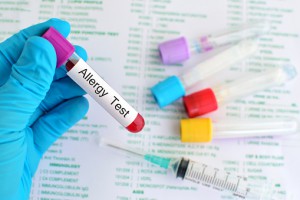
Allergy test

Allergy shots, also known as immunotherapy, are injections given at regular intervals to allergy sufferers over three to five years to stop or reduce the symptoms associated with an allergy attack. Each shot contains a tiny amount of the allergens that trigger an attack; just enough to spark the immune system, but not enough to cause a reaction. Over time, doctors will increase the amount of allergens as your system builds up a tolerance to them and becomes desensitized to their effects.

Allergy shots should be considered if medications to treat your allergies are ineffective, if allergy medications poorly interact with other medications you are taking, if allergy medications cause bothersome side effects, or if you want to reduce the long-term use of allergy medications.

Allergy shots can be used to treat reactions to:

• Seasonal allergens, such as pollens released by trees, grass, and weeds
• Indoor allergens, such as dust mites, pet dander, and mold
• Insect strings from bees, wasps, hornets, or yellow jackets

Unfortunately, allergy shots cannot treat food allergies.

Before you can even consider receiving an allergy shot your doctor must perform a skin test to determine what you are allergic to. During a skin test, a small amount of multiple allergens are scratched into your skin and the area (usually the back) is observed for 15 minutes. Redness or swelling will occur on whatever substances you are allergic to.

Once identified, allergy shots are injected regularly during two different phases of treatment.

• The build-up phase –Typically shots are given one to three times a week over three to six months. During the buildup phase, the allergen dose is gradually increased with each shot.
• The maintenance – This phase generally continues for three to five years or longer with maintenance injections administered approximately once a month.

You will need to remain in the doctor’s office for 30 minutes after each shot, in case you have a reaction, which can include local redness or swelling, sneezing, or nasal congestion. In rare cases, allergy shots can result in low blood pressure or difficulty breathing.

Allergy symptoms won’t stop overnight. They usually improve during the first year of treatment, but the most noticeable improvement often happens during the second year. By the third year, most people are desensitized to the allergens contained in the shots — and no longer have significant allergic reactions to those substances. After a few years of successful treatment, some people don’t have significant allergy problems even after allergy shots are stopped. Other people need ongoing shots to keep symptoms under control.

Speak with your doctor to determine if allergy shots are an option for you. If you do not have a doctor, Jamaica Hospital has an allergy clinic. For more information or to schedule an appointment, please call 718-206-7001.

All content of this newsletter is intended for general information purposes only and is not intended or implied to be a substitute for professional medical advice, diagnosis or treatment. Please consult a medical professional before adopting any of the suggestions on this page. You must never disregard professional medical advice or delay seeking medical treatment based upon any content of this newsletter. PROMPTLY CONSULT YOUR PHYSICIAN OR CALL 911 IF YOU BELIEVE YOU HAVE A MEDICAL EMERGENCY.

March is Hemophilia Awareness Month

In 1986, President Ronald Reagan designated March as Hemophilia Awareness Month to raise awareness for the approximately 20,000 Americans living with the blood disorder.

ThinkstockPhotos-478490890Hemophilia is a general term for a wide range of bleeding disorders where the ability for blood to clot is dramatically reduced. The result is the sufferer bleeds excessively and for a prolonged period of time. When a person who does not have Hemophilia is cut, their vessels constrict and platelets “plug up” the leak by clotting to stop the bleeding. Those with Hemophilia lack certain chromosomes responsible for this function so bleeding continues.

Hemophilia is an inherited disorder that is caused by a defect in genes carried in the X chromosome. When a family member is diagnosed with Hemophilia, it is important that other family members (especially siblings and children) are also tested by performing a coagulation study.

In addition to excessive bleeding, symptoms of Hemophilia include: deep bruises, swelling, joint pain, blood in the urine or stool, and unexplained nosebleeds. Symptoms in newborns include unexplained irritability and excessive bleeding after immunizations.

Treatment for Hemophilia varies, depending on the specific type of the disorder and the severity. For some, clotting factor concentrates can be infused to prevent or treat bleeds. There are also topical products and nasal sprays available. Others may require plasma treatments administered in a hospital setting.

To be tested foe Hemophilia or to learn about treatment, speak to your doctor. To make an appointment at Jamaica Hospital’s Ambulatory Care, please call 718-206-7001.

All content of this newsletter is intended for general information purposes only and is not intended or implied to be a substitute for professional medical advice, diagnosis or treatment. Please consult a medical professional before adopting any of the suggestions on this page. You must never disregard professional medical advice or delay seeking medical treatment based upon any content of this newsletter. PROMPTLY CONSULT YOUR PHYSICIAN OR CALL 911 IF YOU BELIEVE YOU HAVE A MEDICAL EMERGENCY.

Use Caution When Using a Space Heater This Winter

During the cold, winter months, when your home isn’t always as warm as you would like it to be, electric space heaters might seem like a convenient way of raising the temperature inside for you and your family.

ThinkstockPhotos-521707503When used appropriately, space heaters can be a reliable source of supplemental heat for your home or workplace. Unfortunately for many, space heaters are used improperly or as a primary source of heat. When used under these conditions, space heaters can become dangerous. In fact, they are responsible for approximately one-third of all winter house fires and 80 percent of all winter heating fire deaths.

To ensure you are using a space heater the right way, follow these simple safety tips:

• Read the manufacturer’s instructions and warning labels carefully before operating your space heater.
• Make sure your space heater is assembled correctly. Look for cracks in the unit or loose or frayed wire or plugs.
• Only use your space heater as a heating device. Do not attempt to use it to warm bedding, cook food or dry clothing.
• Space heaters must be kept a safe distance away from anything that can burn, including newspapers, magazines, clothing, curtains or rugs.
• Never leave a space heater unattended. Turn it off when you’re leaving a room or going to sleep.
• Be sure to install smoke alarms on every floor of your home and outside all sleeping areas and test them once a month.
• Plug space heaters directly into a wall outlet. Do not use extension cords or power strips, which can overheat and result in a fire. Do not plug other electrical devices into the same outlet as the heater.
• Space heaters should always be positioned on a level surface. Never place heaters on furniture or uneven flooring.

Failure to comply with these recommendations can result in serious injury or even death.

Jamaica Hospital Medical Center urges everyone to be smart when using space heaters this winter season.

All content of this newsletter is intended for general information purposes only and is not intended or implied to be a substitute for professional medical advice, diagnosis or treatment. Please consult a medical professional before adopting any of the suggestions on this page. You must never disregard professional medical advice or delay seeking medical treatment based upon any content of this newsletter. PROMPTLY CONSULT YOUR PHYSICIAN OR CALL 911 IF YOU BELIEVE YOU HAVE A MEDICAL EMERGENCY.

February is National Cancer Prevention Month

February is National Cancer Prevention Month. During this time of month, Jamaica Hospital urges everyone to adopt healthy lifestyle practices to reduce the likelihood of developing cancer.

ThinkstockPhotos-159290583According to the American Institute for Cancer Research (AICR) there are three factors that we have control over that affects our risk of developing this terrible disease. They are: What we eat, how active we are and how much we weigh. The AICR states that the best protection against cancer is to control all three.

Let’s look at them one at a time:

What We Eat
Choosing a diet consisting mostly of plant foods and limiting red meat and avoiding processed food is the best defense. Preparing meals focused around vegetables, fruits, whole grains and beans will help you fortify your body against cancer.

How Active We Are
Being physically active for at least 30 minutes each day. Participating in any number of physical activities can lower your risk for colon cancer and possibly several other cancers as well. To fit time in your schedule, try breaking activities into 10-15 minute sessions.

What We Weigh
It is the third key to help protect against as many as six different types of cancer. The good news is that once you start following the first two guidelines about diet and physical activity, you’ll find it easier to accomplish this one.

Jamaica Hospital joins the American Institute of Cancer Research to bring awareness to how we can reduce our chances of getting cancer by altering our daily lives.

All content of this newsletter is intended for general information purposes only and is not intended or implied to be a substitute for professional medical advice, diagnosis or treatment. Please consult a medical professional before adopting any of the suggestions on this page. You must never disregard professional medical advice or delay seeking medical treatment based upon any content of this newsletter. PROMPTLY CONSULT YOUR PHYSICIAN OR CALL 911 IF YOU BELIEVE YOU HAVE A MEDICAL EMERGENCY.

Does Earwax Serve A Purpose?

Let’s discuss the most fascinating part of the human body. On second thought, let’s talk about earwax instead.

earEarwax is something that most people would rather not talk about because, well, it’s gross. However, earwax also has many important functions.

Made mostly of skin cells that shed in our ears and secretions from glands in the outer ear canal, ear wax poses many benefits. Like eye lashes and nose hairs, earwax acts as a defender from outside invaders such as harmful bacteria that can potentially cause an infection. Earwax also serves as a lubricant for our ears; without it, our ears would become dry and itchy.

Lastly, earwax is self-cleaning. All attempts to rid your ears of earwax are unnecessary and potentially harmful. When you move your jaw, whether by talking or chewing, you are helping push earwax away from the eardrum to the ear opening where it will eventually fall out on its own. Any attempt to use a cotton swab to clean your ear could push wax further into your ear canal and result in hearing loss.

If you suspect that your ears are blocked by excess earwax, speak to your doctor about clearing it out. If you do not have a doctor, Jamaica Hospital’s Ambulatory Care Center has qualified Ear, Nose and Throat (ENT) doctors who can help. To make an appointment, please call 718-206-7001.

All content of this newsletter is intended for general information purposes only and is not intended or implied to be a substitute for professional medical advice, diagnosis or treatment. Please consult a medical professional before adopting any of the suggestions on this page. You must never disregard professional medical advice or delay seeking medical treatment based upon any content of this newsletter. PROMPTLY CONSULT YOUR PHYSICIAN OR CALL 911 IF YOU BELIEVE YOU HAVE A MEDICAL EMERGENCY.

How Do You Know if You Need Gallbladder Surgery?

One of the most common forms of surgery is a Cholecystectomy (koh-luh-sis-TEK-tuh-me), a procedure to remove the gallbladder.  The gallbladder is an organ that sits just below your liver on the upper right side of your abdomen. It collects and stores bile — a digestive fluid produced in your liver.
ThinkstockPhotos-494670812Removal of the gallbladder might be necessary when pain occurs due to complications from gallstones which block the flow of bile or from inflammation in the gallbladder or surrounding area. Below are reasons why a surgeon would recommend a cholecystectomy:


  • Gallstones in the gallbladder (cholelithiasis)
  • Gallstones in the bile duct (choledocholithiasis)
  • Gallbladder inflammation (cholecystitis)
  • Pancreas inflammation (pancreatitis)

Jamaica Hospital surgeons perform this procedure laparoscopically. This minimally invasive surgical option involves the surgeon making small incisions in the abdomen. A tube with a tiny video camera is inserted into your abdomen through one of the incisions. The surgeon watches a video monitor in the operating room as special surgical tools are inserted and the gallbladder is removed. The procedure is done using general anesthesia and patients fully recover in less than a week.

After surgery, bile will flow from the liver through the common bile duct and into the small intestine. Because the gallbladder has been removed, the body is unable to store bile between meals. In most people, this has little or no effect on digestion.

If you suspect you need gallbladder surgery, please see your doctor. If you do not have a doctor, the surgeons at Jamaica Hospital can perform an evaluation and schedule for the procedure if necessary. To make an appointment, please call 718-206-7110.

All content of this newsletter is intended for general information purposes only and is not intended or implied to be a substitute for professional medical advice, diagnosis or treatment. Please consult a medical professional before adopting any of the suggestions on this page. You must never disregard professional medical advice or delay seeking medical treatment based upon any content of this newsletter. PROMPTLY CONSULT YOUR PHYSICIAN OR CALL 911 IF YOU BELIEVE YOU HAVE A MEDICAL EMERGENCY.

Information About Thyroid Disease

The thyroid gland serves many functions. It regulates our rate of metabolism, growth and development, and our body temperature. So when it isn’t working properly it can have a major impact on our health.

ThinkstockPhotos-505568323According to the American Association of Clinical Endocrinologists (AACE), thyroid disease is a more common disorder than diabetes or heart disease. It affects as many as 30 million Americans, more than half of whom remain undiagnosed. To raise awareness about the thyroid gland and symptoms of thyroid disease, January has been designated Thyroid Awareness Month.

The thyroid is a small, butterfly-shaped gland located in the base of the neck.. Although small in size, the gland plays a large role by producing thyroid hormone which influences the function of many of the body’s most important organs, including the heart, brain, liver, kidneys and skin. When the thyroid gland is not producing the right amount of hormone (either too much or too little), problems can start to arise.

Hypothyroidism occurs when the thyroid does not produce enough hormones. This can result in a range of symptoms that include unexplained fatigue, weight gain, depression, forgetfulness, feeling cold, hair loss, or low sex drive. Hyperthyroidism, on the other hand, is a condition when the body produces an abundance of thyroid hormones. Symptoms of hyperthyroidism include rapid heart rate, heat intolerance and unexplained weight loss and anxiety. For both hypothyroidism and hyperthyroidism, medication can be prescribed to regulate hormone levels.

A more serious concern involving the thyroid gland is thyroid cancer, which can develop independent of the above thyroid disease. According to the AACE, about 60,000 cases of thyroid cancer are diagnosed annually in the U.S. In most cases, thyroid cancer has a good prognosis and high survival rates—especially when diagnosed in its early stages.

Through attention raised by Thyroid Awareness Month, more and more primary care physicians are screening for thyroid disease, which has greatly helped those who would have otherwise had their condition go undiagnosed.

Jamaica Hospital is proud to help raise awareness for thyroid disease and encourages everyone experiencing symptoms to ask their doctor to do an evaluation. If you do not have a doctor, call Jamaica Hospital’s Ambulatory Care Center to make an appointment at 718-206-7001.

All content of this newsletter is intended for general information purposes only and is not intended or implied to be a substitute for professional medical advice, diagnosis or treatment. Please consult a medical professional before adopting any of the suggestions on this page. You must never disregard professional medical advice or delay seeking medical treatment based upon any content of this newsletter. PROMPTLY CONSULT YOUR PHYSICIAN OR CALL 911 IF YOU BELIEVE YOU HAVE A MEDICAL EMERGENCY.

Tips for Safe Driving in the Snow and Ice

Severe weather and snow can prove treacherous for drivers during the winter months. Every year there is an average of 500,000 motor vehicles accidents due to snowy and icy weather. Over 150,000 injuries and nearly 2,000 fatalities are reported annually from driving in these conditions. Jamaica Hospital Medical Center’s Trauma Division wants all motorists to have a basic understanding of how to practice proper safety while driving in wintry conditions.

503373275 (1)The best tip to avoid getting into an accident during inclement weather is to avoid driving and stay home. To elude getting caught in a storm, be sure to watch weather reports for both your location as well as your destination in an effort to delay or reschedule unnecessary long trips. If however you must venture out, take the appropriate precautions and make sure you are properly prepared.

Many safety precautions can be made before you even start your car. These tips include:

• Avoid driving while you’re fatigued. Getting the proper amount of rest before taking on winter weather tasks reduces driving risks.
• Always make sure your vehicle is in peak operating condition by having it inspected by a licensed mechanic.
• Never warm up a vehicle in an enclosed area, such as a garage to avoid carbon monoxide poisoning. Also make sure your exhaust pipe isn’t clogged with snow or ice
• Make certain your tires are properly inflated.
• Keep your gas tank at least half full to avoid gas line freeze-up.
• Use your seat belt every time you get into your vehicle.
• Pack the necessary safety items such as cellular telephone, extra blankets, gloves, hats, food, water and any needed medication in your vehicle in case you get stuck for an extended period of time
Once you are in your vehicle and on the road, it is important to be extra cautious and follow these basic instructions for driving in a winter storm:
• Accelerate and decelerate slowly. Applying the gas slowly to accelerate is the best method for regaining traction and avoiding skids. Don’t try to get moving in a hurry. And take time to slow down for a stoplight.
• Drive slowly. Everything takes longer on snow-covered roads. Accelerating, stopping, and turning all take longer on wet surfaces than on dry pavement.
• Do not use cruise control when driving on any slippery surface.
• Know your brakes. Whether you have antilock brakes or not, the best way to stop is threshold breaking. Keep the heel of your foot on the floor and use the ball of your foot to apply firm, steady pressure on the brake pedal.
• Don’t stop if you can avoid it. There’s a big difference in the amount of effort it takes to start moving from a full stop versus how much it takes to get moving while still rolling.
• When going uphill, avoid applying your brakes or attempting to accelerate. Attempting to accelerate after braking places extra pressure on your tires and will cause your wheels to spin in place.

Jamaica Hospital’s Trauma Division treats an increased amount of motorists during winter storms. It is our goal to have you avoid unnecessary accidents by practicing safe driving this winter.

All content of this newsletter is intended for general information purposes only and is not intended or implied to be a substitute for professional medical advice, diagnosis or treatment. Please consult a medical professional before adopting any of the suggestions on this page. You must never disregard professional medical advice or delay seeking medical treatment based upon any content of this newsletter. PROMPTLY CONSULT YOUR PHYSICIAN OR CALL 911 IF YOU BELIEVE YOU HAVE A MEDICAL EMERGENCY.