Kale Salad

With Autumn arriving and our backyard grills safely packed away, we have provided a great kale salad recipe from allrecipies.com to compliment any fall meal choice.

 “If you slice kale thin and toss it with other tasty treats like apple, persimmon, orange, and nuts, the kale mellows out and serves as a perfect foil for other vegetation.” Chef John

 For the entire recipe please follow the link to – 

For this and more delicious recipes visit – http://allrecipes.com/Recipe/Chef-Johns-Raw-Kale-Salad/Detail.aspx?evt19=1

All content of this newsletter is intended for general information purposes only and is not intended or implied to be a substitute for professional medical advice, diagnosis or treatment. Please consult a medical professional before adopting any of the suggestions on this page. You must never disregard professional medical advice or delay seeking medical treatment based upon any content of this newsletter. PROMPTLY CONSULT YOUR PHYSICIAN OR CALL 911 IF YOU BELIEVE YOU HAVE A MEDICAL EMERGENCY.

Reading or Prescription Eyeglasses

If your vision is blurred or you are having issues with your sight, an eye doctor will conduct a regular exam, assessing your overall eye health.  At the end of the exam, it may be suggested that you are in need of glasses.  If you do not have a serious eye condition, the doctor may suggest magnifiers or over the counter (OTC) “readers.”

When making the decision to get glasses, many people wonder if there is difference between prescription lenses and OTC glasses.  The answer is, yes.

Some differences between OTC and prescription glasses are:

  • Over the counter (OTC) readers are best used for age-related presbyopia. Presbyopia is an age-related issue where your eyes become less flexible, making it harder to focus on close objects.
  • OTC readers have the same prescription in each lens. Having the same eyesight in both eyes is extremely rare. Therefore, your vision will not be properly corrected and you may still experience difficulty focusing even when wearing OTC readers.
  • Prescriptions glasses offer more options and benefits, such as quality in materials, accurate vision correction, lens clarity, as well as scratch and glare resistance.  Additionally, unlike OTC readers, prescription glasses can help with astigmatism, myopia or glaucoma.

If you are having difficulty with your vision, you should schedule an appointment to have your eyes examined.  To schedule an appointment with the Jamaica Hospital Medical Center’s Ophthalmology Center call 718-206-5900.

All content of this newsletter is intended for general information purposes only and is not intended or implied to be a substitute for professional medical advice, diagnosis or treatment. Please consult a medical professional before adopting any of the suggestions on this page. You must never disregard professional medical advice or delay seeking medical treatment based upon any content of this newsletter. PROMPTLY CONSULT YOUR PHYSICIAN OR CALL 911 IF YOU BELIEVE YOU HAVE A MEDICAL EMERGENCY.

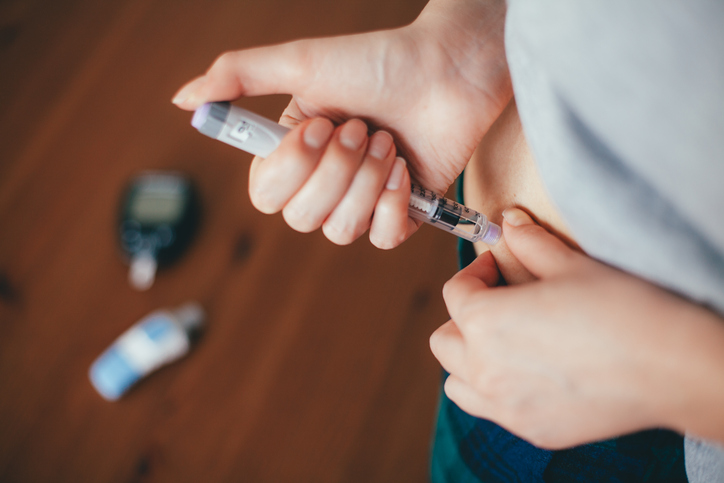
FAQ’S ABOUT INSULIN

Insulin is a proven treatment to control blood glucose levels for people living with type 2 diabetes.

Below is some frequently asked questions (FAQ’s) regarding insulin:

Q.        What is insulin?

A.        Insulin is hormone that would typically be produced by the pancreas.

Q.        Why would I need to take insulin?

A.        When blood glucose levels can no longer be controlled by diet, exercise or oral medication, your doctor may prescribe insulin as a prescription to lower your blood sugar levels. 

Q.        Why is it important to keep my glucose levels as close to normal limits as possible?

A.        High blood sugar levels can obstruct organ function which can lead to kidney failure, heart disease and may eventually cause blindness.

Q.        Does insulin have any side effects?

A.        One of the more common side effects of insulin is low blood sugar or hypoglycemia.  This condition happens when too much insulin is taken causing you to experience anxiety, sweating, dizziness, nausea, confusion and lack of coordination.  Hypoglycemia is remedied by eating or drinking a substance that contains sugar.

Q.        How is insulin administered?

A.        Insulin should be injected into the body’s fatty tissue. Be sure to rotate the injection sites since continual use in the same spot

Q.        How long will I have to take insulin?

A.        If you have type 2 diabetes, caused by a condition such as pregnancy, you may have to take insulin for a short period of time.  If your type 2 diabetes is caused by your pancreas not making enough insulin, you may need to take insulin more regularly in order to remain healthy.

I hope you have found these questions and answers helpful and informative. 

If you have additional questions or concerns regarding your blood sugar levels, diabetes or nutrition, please call the Jamaica Hospital Medical Center’s Ambulatory Care Center at 718-206-7001 to schedule an appointment.

All content of this newsletter is intended for general information purposes only and is not intended or implied to be a substitute for professional medical advice, diagnosis or treatment. Please consult a medical professional before adopting any of the suggestions on this page. You must never disregard professional medical advice or delay seeking medical treatment based upon any content of this newsletter. PROMPTLY CONSULT YOUR PHYSICIAN OR CALL 911 IF YOU BELIEVE YOU HAVE A MEDICAL EMERGENCY.

Swim Safety Tips

The weather is warming up and people will be looking for ways to keep cool. One way that has always been popular during the warm summer months is swimming in a pool. Every year there are countless accidents and also fatalities at or near swimming pools. Many of which  could have been avoided had precautions been taken.

Safety Tips to follow:
• Never leave children unattended near a pool
• Only swim when there is a lifeguard present
• Every pool should have proper drain covers
• Pools should have alarms and proper fencing
• Keep the pool clean
• There should be no diving allowed in pools that are shallow
• Never swim alone
• There should be no horseplay in or near a pool
• Do not swim under the influence of alcohol or drugs
• Do not swim in a thunderstorm
• It is a good idea to give children swimming lessons before the start of the summer
• Children who don’t know how to swim should be given flotation devices to wear

There are many organizations around the country that offer swimming lessons for children and adults of all ages. If you don’t know how to swim, look into getting some lessons before heading out to the pool. You will have a good time and you will also be a lot safer this summer.

All content of this newsletter is intended for general information purposes only and is not intended or implied to be a substitute for professional medical advice, diagnosis or treatment. Please consult a medical professional before adopting any of the suggestions on this page. You must never disregard professional medical advice or delay seeking medical treatment based upon any content of this newsletter. PROMPTLY CONSULT YOUR PHYSICIAN OR CALL 911 IF YOU BELIEVE YOU HAVE A MEDICAL EMERGENCY.

Summertime Allergies

If you are one of the millions of Americans who experience summertime allergies, you may want to control your seasonal symptoms with this allergy sufferer’s survival guide.

Summer allergies occur when your immune system tries to defend your body against substances that are harmless to others causing itchy or watery eyes, sneezing, wheezing, and an itchy, stuffy or runny nose.

About 50 million Americans suffer from year-round allergies to mold, dust, and pets. However, summer allergies are the mostly triggered by trees, pollen, leaves, grasses and ragweed.

There isn’t a cure for allergies, but there are ways you can find relief.  If you symptoms are minor, there are over-the-counter antihistamines or nasal sprays that may help.

The most important thing to remember is that you do not have to suffer unnecessarily.  If over– the-counter remedies aren’t working, then it’s probably a good idea to seek the advice of a doctor.

To schedule an appointment with an Allergist at Jamaica Hospital Medical Center’s Ambulatory Care Center, please call 718-206-7001

All content of this newsletter is intended for general information purposes only and is not intended or implied to be a substitute for professional medical advice, diagnosis or treatment. Please consult a medical professional before adopting any of the suggestions on this page. You must never disregard professional medical advice or delay seeking medical treatment based upon any content of this newsletter. PROMPTLY CONSULT YOUR PHYSICIAN OR CALL 911 IF YOU BELIEVE YOU HAVE A MEDICAL EMERGENCY.

Tips for Exercising at Home

When you’re starting a home workout program it can be hard to figure out what exercises you should perform, particularly if you don’t have the budget for pricey equipment or personal training.
Most experts will tell you that a home training program for fitness should target all your major muscle groups are targeted at least once each week. It is recommended that your program includes 30 to 60 minutes of moderate to vigorous aerobic exercise no more than three to five times a week.”
Most importantly, stretching should be a part of the workout regime. Stretching helps with both strength and flexibility.
Some proven home exercises that won’t break your piggy bank are:
• Squats. Standing upright, feet wider than shoulders apart. With your arms extended forward or your hands on your hips for balance, squat down. Push your knees outward as you descend until your thighs are parallel with the floor. Continue pushing your knees outward as you stand.
• Partial-body push-ups (with knees on the floor).
• Modified jumping jacks. Instead of moving your arms over your head, do these while you press the palms of your hands together at chest level, holding your elbows out to make a straight line.
• Chair crunches. Sit on a chair with your hands under your behind, arms straight, and fingers facing inward toward one another. Contract your pelvis and lower abs, and, keeping your knees bent at a 90-degree angle, lift your feet off the floor and tuck your knees in toward your chest while bending your upper body slightly toward your knees. Do as many as you can until you reach fatigue.
• Chair dips. Place your hands on the side of the chair and wrap your fingers around the edge. Scoot forward until your bottom is on the edge of the chair and your arms are fully extended. Keep your feet about 3 inches apart with your legs extended, so your knees are at approximately a 150 degree angle with your heels grounded. With your elbows pointed back and tucked in tight alongside your body, do 15 to 20 dips, 3 seconds down and 1 second up. Keep your chest up and your shoulders back.
It is important to speak with your Physician before beginning any exercise program, even if it is an at home program.

All content of this newsletter is intended for general information purposes only and is not intended or implied to be a substitute for professional medical advice, diagnosis or treatment. Please consult a medical professional before adopting any of the suggestions on this page. You must never disregard professional medical advice or delay seeking medical treatment based upon any content of this newsletter. PROMPTLY CONSULT YOUR PHYSICIAN OR CALL 911 IF YOU BELIEVE YOU HAVE A MEDICAL EMERGENCY.

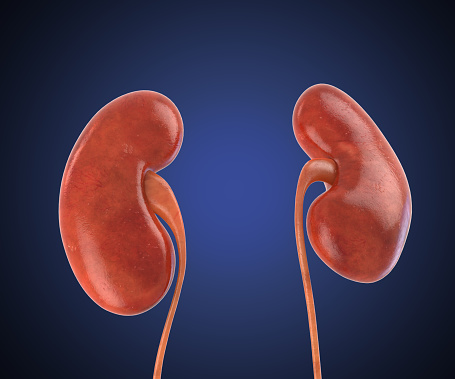
National Kidney Month

March is National Kidney Month and the National Kidney Foundation is urging all Americans to give their kidneys a well-deserved checkup.

The kidneys are two, fist-sized organs in your lower back. They maintain overall health by serving following functions:

  • Filtering waste out of 200 liters of blood each day
  • Regulating of the body’s salt, potassium and acid content
  • Removing toxins from the body.
  • Balancing the body’s fluids
  • Releasing hormones that regulate blood pressure
  • Producing an active form of vitamin D that promotes strong, healthy bones
  • Controlling the production of red blood cells

According to the U.S. Centers for Disease and Control, some quick facts on Kidney Disease are:

  • Kidney disease is the 9th leading cause of death in the country.
  • More than 26 million Americans have kidney disease, and most don’t know it.
  • There are over 95,000 people waiting for kidney transplants.
  • Currently, more than 590,000 people have kidney failure in the U.S. today.

Often times, kidney failure can be prevented or delayed through early detection and proper treatment of underlying disease such as diabetes and high blood pressure which can slow additional damage to the kidneys.

If you are 18 years or older with diabetes, high blood pressure, cardiovascular disease or a family history of kidney disease, you should schedule an appointment with your doctor and ask that you be screened for kidney disease.

If you would like to make an appointment to have your Kidney’s checked, you can call Jamaica Hospital Medical Center’s Ambulatory Care Center at 718-206-7001 for an appointment.

All content of this newsletter is intended for general information purposes only and is not intended or implied to be a substitute for professional medical advice, diagnosis or treatment. Please consult a medical professional before adopting any of the suggestions on this page. You must never disregard professional medical advice or delay seeking medical treatment based upon any content of this newsletter. PROMPTLY CONSULT YOUR PHYSICIAN OR CALL 911 IF YOU BELIEVE YOU HAVE A MEDICAL EMERGENCY.

Strep vs. Sore Throat

We all develop a sore throat from time to time. There are many reasons for this. It might be due to a viral infection, an allergic reaction, or hoarseness from overuse.  In some cases, however, a sore throat can be a symptom of strep throat, which is a bacteria that if left untreated can lead to serious complications.

Strep throat is an infection of the throat and tonsils. You can get the infection from someone who is sick with it or is a carrier of it. Like other infections, it spreads from person to person or by touching objects that are contaminated and then touching your own eyes, mouth or nose. Strep throat is most common in children, but anyone can get it.

In addition to a sore throat some other symptoms of strep throat include:

  • A fever of 101 F or higher
  • Red, swollen tonsils
  • White patches in the throat
  • Tiny red spots on the roof of the mouth
  • Appetite loss
  • Headache
  • Stomach pain, nausea, or vomiting
  • Rash

Your doctor will ask about your symptoms and can administer a test to confirm if you have strep. There are two ways to test:

  • A rapid strep test can identify a case in just a few minutes. The doctor will gently hold down your tongue with a depressor. Then, use a cotton swab to take a little bit of mucous from the back of the throat.
  • A throat culture is performed by rubbing the sample from the throat swab onto a special dish. If you have strep throat, the streptococci bacteria will grow in it. It usually takes about two days to get results from a throat culture.

If you have strep, your doctor will prescribe antibiotics to kill the bacteria that caused the infection. Most treatments last for about ten days. The medicine can make your symptoms go away faster and help prevent complications. It is important to take the full the dose of antibiotics. Stopping the medicine too early can leave some bacteria alive, which can make you sick again.

Other things you can take to treat the symptoms of strep throat include:

  • Ibuprofen or acetaminophen to bring down a fever and ease pain.
  • Throat lozenges or piece of hard candy to soothe a sore throat.
  • Liquids such as tea and broth or something cold such as an ice pop.

The best way to prevent getting strep is to practice good hygiene. Don’t share cups, dishes, forks, or other personal items with someone who’s sick and wash your hands or use an alcohol-based hand sanitizer many times daily.

If untreated, strep can lead to scarlet fever, inflammation of the kidney, and rheumatic fever; a serious inflammatory condition that can affect the heart, joints, nervous system and skin.

Make an appointment with your doctor if you suspect that you or your child has strep throat. If you do not have a doctor, please call Jamaica Hospital’s Ambulatory Care Center at 718-206-7001.

All content of this newsletter is intended for general information purposes only and is not intended or implied to be a substitute for professional medical advice, diagnosis or treatment. Please consult a medical professional before adopting any of the suggestions on this page. You must never disregard professional medical advice or delay seeking medical treatment based upon any content of this newsletter. PROMPTLY CONSULT YOUR PHYSICIAN OR CALL 911 IF YOU BELIEVE YOU HAVE A MEDICAL EMERGENCY.

Signs and Symptoms of Colic

Colic is diagnosed when a healthy baby cries or fusses frequently for a prolonged period of time and cries for more than 3 hours a day. This behavior usually starts a few weeks after birth and is generally worst between 4 and 6 weeks of age

According to the Mayo Clinic symptoms of colic may include the following:

  • Intense crying that may seem more like screaming or an expression of pain
  • Crying for no apparent reason, unlike crying to express hunger or the need for a diaper change
  • Extreme fussiness even after crying has diminished
  • Predictable timing, with episodes often occurring in the evening
  • Facial discoloring, such as reddening of the face or paler skin around the mouth
  • Bodily tension, such as pulled up or stiffened legs, stiffened arms, clenched fists, arched back, or tense abdomen

Since the cause of colic is unknown, it is difficult to treat. However, there are some foods you can avoid, especially when breastfeeding, to help your baby digest better such as cow’s milk, nuts, wheat, soy, eggs and fish. When formula feeding, your baby may experience colic if they have an allergy to milk or lactose intolerance.

Some home remedies you can use to sooth your baby if they are experiencing symptoms of colic are:

  • Lay your baby on his/her back in a dimly lit quiet room.
  • Swaddle your baby snugly in a blanket.
  • Lay your baby across your lap and gently rub his/her back.
  • Put a warm water bottle on your baby’s stomach.
  • Offer your baby a pacifier to suck on.
  • Soak him/her in a warm bath.

If your baby’s colic persists with out relief, you may want to seek the advice of a doctor. If you’d like to make an appointment with a Pediatrician at Jamaica Hospial’s Ambulatory Care Center, please call 718-206-7001.

All content of this newsletter is intended for general information purposes only and is not intended or implied to be a substitute for professional medical advice, diagnosis or treatment. Please consult a medical professional before adopting any of the suggestions on this page. You must never disregard professional medical advice or delay seeking medical treatment based upon any content of this newsletter. PROMPTLY CONSULT YOUR PHYSICIAN OR CALL 911 IF YOU BELIEVE YOU HAVE A MEDICAL EMERGENCY.

Portable Heater Safety Tips

According to the National Fire Protection Association (NFPA), heating equipment, such as portable space heaters, is a leading cause of home fire deaths and half of the home heating equipment fires are reported during the months of December, January, and February.

NFPA suggests these tips for safely operating heating equipment in your home:

  • Keep anything that can burn at least three feet away from heating equipment, like the furnace, fireplace, wood stove, or portable space heater.
  • Have a three-foot “kid-free zone” around open fires and space heaters.
  • Never use your oven to heat your home.
  • Have a qualified professional install stationary space heating equipment, water heaters or central heating equipment according to the local codes and manufacturer’s instructions.
  • Have heating equipment and chimneys cleaned and inspected every year by a qualified professional.
  • Remember to turn portable heaters off when leaving the room or going to bed.
  • Always use the right kind of fuel, specified by the manufacturer, for fuel burning space heaters.

As a way of further making your home safe during the colder months, it is recommended that smoke and carbon monoxide detectors are checked each month. They may need a change of battery to ensure they are working properly.

All content of this newsletter is intended for general information purposes only and is not intended or implied to be a substitute for professional medical advice, diagnosis or treatment. Please consult a medical professional before adopting any of the suggestions on this page. You must never disregard professional medical advice or delay seeking medical treatment based upon any content of this newsletter. PROMPTLY CONSULT YOUR PHYSICIAN OR CALL 911 IF YOU BELIEVE YOU HAVE A MEDICAL EMERGENCY.