Chronic Traumatic Encephalopathy (CTE)

Chronic traumatic encephalopathy (CTE) is a degenerative brain condition that happens after repeated head injuries. CTE usually affects athletes who play contact sports or military personnel.  

CTE causes neurodegeneration, which means it permanently destroys nerve cells in your brain. Over time, this damage can cause changes in your behavior and mental abilities. It has been associated with second impact syndrome, when a second head injury occurs before symptoms of a previous head injury have fully resolved.  

Experts are still trying to understand how repeated head injuries and other factors might contribute to the changes in the brain that result in CTE. Researchers are looking at how the number of head injuries someone experiences and how bad the injuries are may affect the risk of CTE.  

There are no specific symptoms that have been linked to CTE, as it shares symptoms with other brain conditions that cause neurodegeneration. It can affect your: 

  • Cognitive function, which can cause: 
  • Memory loss 
  • Trouble solving problems or making plans 
  • Trouble making a choice or judging what you should do next 
  • Mild cognitive impairment 
  • Mood and personality, which can cause: 
  • Anxiety 
  • Depression 
  • Mood swings, especially acting or feeling more aggressive or impulsive 
  • Personality changes 
  • Thoughts of self-harm, suicide, or suicidal behavior 
  • Motor function, which can cause: 
  • Balance issues 
  • Loss of coordination 
  • Tremors, twitches, or other muscle movements you can’t control 

There is no way to diagnose CTE in a living person. The only way healthcare providers can confirm CTE is by examining samples of a person’s brain with a microscope during their autopsy.  

Even though a healthcare provider may not be able to definitively diagnose CTE while a person is alive, they can still make an educated assumption by building a diagnosis using a few factors, including: 

  • A physical exam 
  • A neurological exam 
  • The symptoms a person is experiencing 
  • A person’s medical history, especially if they have had head injuries 

Experiencing CTE symptoms doesn’t automatically mean a person has it. There are a lot of conditions that can cause similar symptoms. A healthcare provider will use tests to help diagnose or rule out these other issues. Tests include: 

  • Blood tests 
  • CT scan 
  • Lumbar puncture 
  • MRI 
  • PET scan 

There is no treatment for CTE because there is currently no cure for it. Unfortunately, if a person has CTE, their symptoms will continue to get worse. Avoiding head injuries is the only way to lower your risk of developing CTE. Wear the right protective equipment for all activities and sports, especially helmets or protective headwear. 

If you are experiencing any symptoms of CTE, you can schedule an appointment with a doctor at Jamaica Hospital Medical Center’s Ambulatory Care Center by calling (718) 206-7001. If you are experiencing an emergency, call 911. 


All content of this newsletter is intended for general information purposes only and is not intended or implied to be a substitute for professional medical advice, diagnosis or treatment. Please consult a medical professional before adopting any of the suggestions on this page. You must never disregard professional medical advice or delay seeking medical treatment based upon any content of this newsletter. PROMPTLY CONSULT YOUR PHYSICIAN OR CALL 911 IF YOU BELIEVE YOU HAVE A MEDICAL EMERGENCY.
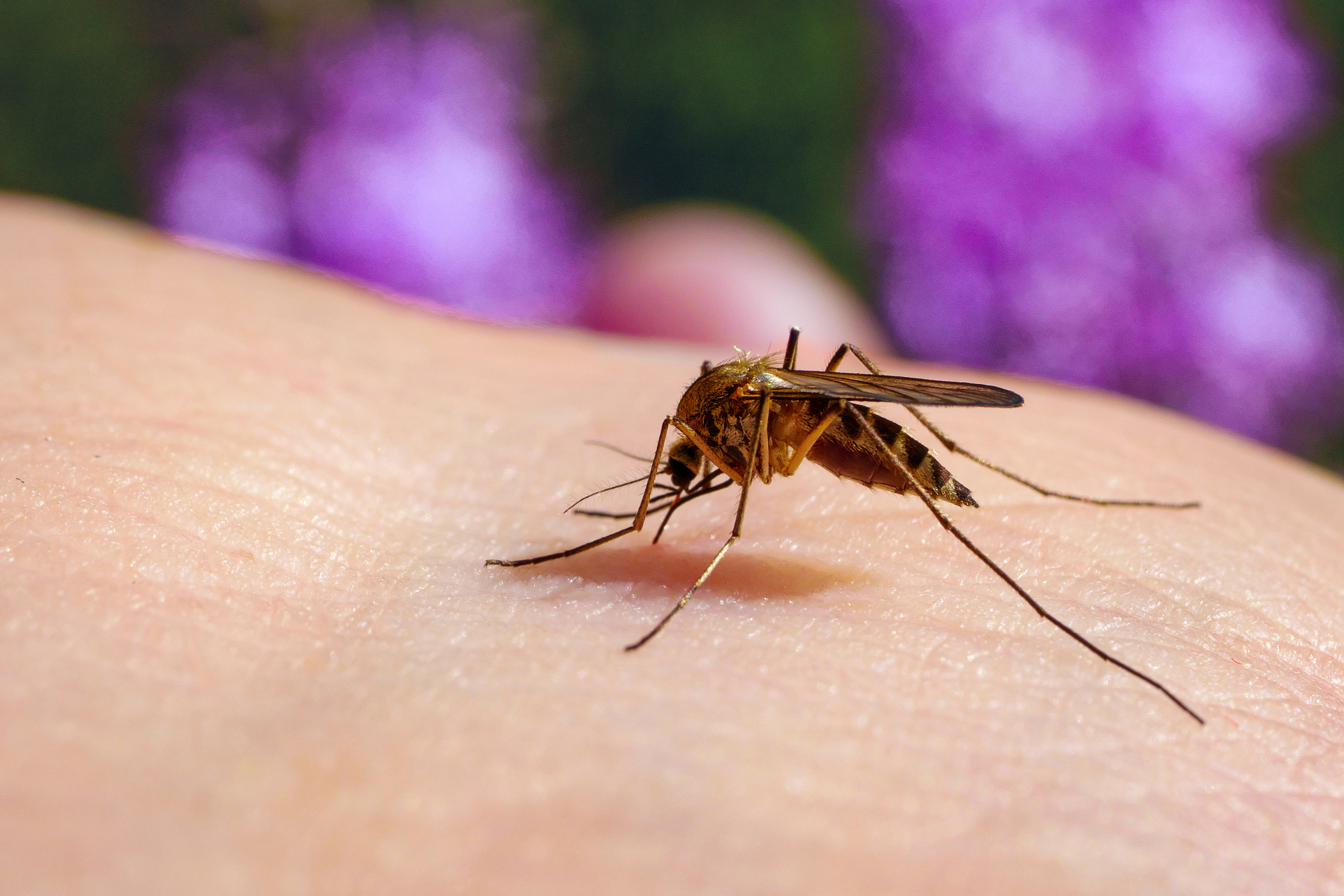
Treating Mosquito Bites

Mosquito bites are common during the summer months. They are itchy bumps that form after a female mosquito has bitten us.

Mosquito bites generally cause mild symptoms, which may include:

  • Itching
  • Redness
  • Small blisters
  • A small amount of swelling

While these symptoms are usually minor, some individuals, particularly those with certain immune disorders, may experience a severe reaction. Symptoms of a severe reaction can include:

  • Swollen lymph nodes
  • Low-grade fever
  • Significant swelling

Severe reactions are more common in children than in adults. Some children may develop Skeeter Syndrome, a localized allergic reaction to the bite, which results in large, swollen, and painful areas. These symptoms can persist for several weeks.

Treating a mosquito bite can be done at home. The Centers for Disease Control and Prevention (CDC) recommends that we:

  • Wash the bite and surrounding area with soap and water.
  • Apply an ice pack for 10 minutes to reduce swelling and itching. Reapply ice pack as needed.
  • Apply a mixture of baking soda and water, which can help reduce the itch response.
    • Mix 1 tablespoon baking soda with just enough water to create a paste.
    • Apply the paste to the mosquito bite.
    • Wait 10 minutes.
    • Wash off the paste.
  • Use an over-the-counter anti-itch or antihistamine cream to help relieve itching. Follow the product label directions.

However, if you are experiencing a persistent fever, difficulty breathing, headaches, body aches, throat swelling, hives, or any other signs of a severe reaction or infection, you must seek medical attention.


All content of this newsletter is intended for general information purposes only and is not intended or implied to be a substitute for professional medical advice, diagnosis or treatment. Please consult a medical professional before adopting any of the suggestions on this page. You must never disregard professional medical advice or delay seeking medical treatment based upon any content of this newsletter. PROMPTLY CONSULT YOUR PHYSICIAN OR CALL 911 IF YOU BELIEVE YOU HAVE A MEDICAL EMERGENCY.

World Lung Cancer Day

August 1st is observed as World Lung Cancer Day. It is a day dedicated to the global initiative of raising awareness about lung cancer, its impact, and the importance of prevention, early detection, and advanced treatments.  

According to the World Health Organization, lung cancer is the leading cause of cancer-related deaths among both men and women, and it is so prevalent that more people die from it than from colon, breast, and liver cancers combined every year.  

World Lung Cancer Day was established in 2012 by the Forum of International Respiratory Societies (FIRS) in collaboration with other health organizations. The day focuses on educating the public about risk factors such as smoking, air pollution, and occupational exposures, while advocating for research and improved access to care. 

World Lung Cancer Day serves as a platform to support those affected by the disease and to emphasize the critical need for collective action in the fight against lung cancer. 

Lung cancer screening helps to identify cancer at an early stage when treatment can be most effective. Early detection through a low-dose computed tomography (LDCT) scan can improve survival rates in individuals with the disease. 

The MediSys Health Network is committed to improving the morbidity and mortality associated with lung cancer. For more information about our program, please contact the Lung Cancer Screening Program at 718-206-LUNG (5864). 

All content of this newsletter is intended for general information purposes only and is not intended or implied to be a substitute for professional medical advice, diagnosis or treatment. Please consult a medical professional before adopting any of the suggestions on this page. You must never disregard professional medical advice or delay seeking medical treatment based upon any content of this newsletter. PROMPTLY CONSULT YOUR PHYSICIAN OR CALL 911 IF YOU BELIEVE YOU HAVE A MEDICAL EMERGENCY.