
Tardive Dyskinesia

Tardive dyskinesia (TD) is a neurological syndrome that involves involuntary movements.  

Researchers don’t know the exact cause of tardive dyskinesia. However, the main theory is that it can develop due to the use of dopamine receptor-blocking medications. This includes short-term and long-term use of medications, though it is more likely to develop after long-term use. It can also occur after the discontinuation of, a change in, or the reduction in medication.  

Tardive dyskinesia can develop due to exposure to the following medications: 

  • Antipsychotic medications 
  • Anti-nausea medications 
  • Certain antidepressants 

Tardive dyskinesia can cause involuntary movements of the: 

  • Facial muscles 
  • Tongue 
  • Neck 
  • Trunk muscles 
  • Limbs 

Facial involuntary movements caused by TD may include: 

  • Lip-smacking or making sucking motions with your mouth 
  • Grimacing or frowning 
  • Sticking the tongue out or against the inside of your cheek 
  • Chewing movements 
  • Puffing of your cheeks 
  • Rapid eye blinking 

Other involuntary movements may include: 

  • Making repetitive finger movements like you’re playing the piano 
  • Thrusting or rocking your pelvis 
  • Walking with a duck-like gait 
  • Inability to remain physically still 

These symptoms can range from mild and barely noticeable to severe. 

A healthcare provider may describe these symptoms as: 

  • Dystonia- which are uncontrollable muscle contractions 
  • Myoclonus- which are brief, sudden muscle movement 
  • Buccolingual stereotypy- which are repetitive movements of your mouth 
  • Tics- which are habitual contractions of your muscles, often in your face 

Certain risk factors can increase the risk of developing tardive dyskinesia, including: 

  • Age: People over the age of 40 are more likely to develop TD. Those who are over the age of 65 are especially at risk due to age-related neurological changes 
  • Sex: Females are more likely to develop TD. Those who are in post-menopause have rates of TD as high as 30% after almost a year of exposure to antipsychotic medications 
  • Race: Studies show that Black Americans are more likely to develop TD than white Americans. And people of Filipino and Asian descent have a lower risk of developing TD than people of Caucasian descent 
  • Bipolar disorder: People with bipolar disorder who take antipsychotic medications are more sensitive to developing TD compared to other people taking the same medications 

To diagnose tardive dyskinesia, a healthcare provider will ask about your symptoms, medical history, and medication history. If you take any medications that are known to cause tardive dyskinesia, your healthcare provider may suspect TD. They may refer you to a neurologist, movement disorder specialist, or psychiatrist.  

Healthcare providers refer to the Diagnostic and Statistical Manual of Mental Disorders (DSM-5) to diagnose tardive dyskinesia. It states that symptoms of TD must last for at least one month after stopping the medication to get a diagnosis of the condition. You must have been on medication for at least three months if you’re younger than 40 or younger, or one month if you’re over 40.  

A healthcare provider may recommend other tests to confirm TD or rule out other conditions with similar symptoms, such as Huntington’s disease, using laboratory tests and imaging tests such as a brain CT scan and/or MRI.  

A healthcare provider will determine what treatment plan is right for you depending on several factors, such as: 

  • How severe your TD symptoms are 
  • How long you have been taking a medication 
  • Your age 
  • What medication you are taking 
  • Associated conditions, such as other neurological disorders 

If you are experiencing symptoms of tardive dyskinesia, you can schedule an appointment with a doctor at Jamaica Hospital Medical Center’s Ambulatory Care Center by calling (718) 206-7001. 

All content of this newsletter is intended for general information purposes only and is not intended or implied to be a substitute for professional medical advice, diagnosis or treatment. Please consult a medical professional before adopting any of the suggestions on this page. You must never disregard professional medical advice or delay seeking medical treatment based upon any content of this newsletter. PROMPTLY CONSULT YOUR PHYSICIAN OR CALL 911 IF YOU BELIEVE YOU HAVE A MEDICAL EMERGENCY.


Normal Pressure Hydrocephalus

Normal pressure cephalus (NPH) is a condition that occurs when cerebrospinal fluid builds up inside the skull and presses on the brain.

Normal pressure hydrocephalus can affect several brain-related abilities, including:

  • Thinking and concentration
  • Memory
  • Movement

There are two forms of normal pressure hydrocephalus, and they happen at equal rates. The two types are:

  • Primary (idiopathic) NPH means that it isn’t happening because of another medical condition, and the cause is unknown. Experts suspect idiopathic NPH can involve one or more age-related issues with how the body makes, circulates, and reabsorbs cerebrospinal fluid. About half the cases of NPH are idiopathic.
  • Secondary NPH happens when another medical condition affects how the body makes, circulates, or reabsorbs cerebrospinal fluid. Some examples of conditions that can cause secondary NPH include:
    • A brain aneurysm
    • Intracranial hemorrhage
    • Brain tumors, including cancer
    • Encephalitis or meningitis
    • Stroke
    • Traumatic brain injuries

Normal pressure hydrocephalus is usually difficult to diagnose because it shares several symptoms with dementia and similar age-related conditions. It is also common for NPH to happen at the same time as age-related conditions. About 30% of people with NPH also have Alzheimer’s or a similar degenerative brain disease.

The symptoms of NPH usually start gradually, and develop and worsen over three to six months. The three main symptoms of NPH are known as Hakim’s triad. Between 50% and 75% of people with NPH show all three symptoms at the same time. Hakim’s triad includes three types of symptoms, which include:

  • Gait issues are the most likely of the three symptoms to occur. About 80% to 95% of people with NPH show this kind of symptom. Some of these symptoms may resemble movement-related symptoms of Parkinson’s disease, however, a key difference is that NPH symptoms typically only affect the legs and feet. If you have NPH, it often causes the following:
    • Trouble lifting your feet
    • Taking shorter and unsteady steps
    • Hesitating or walking uncertainly
  • Urinary incontinence is when you lose control of your bladder, causing you to pee unintentionally. Early on, this can cause a strong urge to pee often that is difficult to control.
  • Cognitive difficulties are the third key symptom of NPH and can appear as or cause any of the following:
    • Mental and physical slowness
    • Memory problems
    • Executive dysfunction
    • Emotional changes

A healthcare provider can diagnose NPH using a combination of methods that include:

  • physical and neurological exams
  • Asking questions about your medical history and symptoms
  • diagnostic imaging, such as an MRI, cisternogram scan, and CT scans
  • Lab tests, such as a spinal tap

Depending on your symptoms, a healthcare provider may recommend other tests to rule out conditions that have symptoms similar to NPH.

NPH is usually a treatable disease. The approach to treatment varies depending on whether it is primary/idiopathic or secondary NPH. Unlike most brain-related conditions, treating NPH rarely involves medications because NPH doesn’t respond to medications.

Primary/idiopathic NPH is usually treatable, with the most common and most effective treatment being surgery to implant a device called a shunt.

Secondary NPH may be curable, only if it happens because of a curable condition. The treatment for secondary NPH varies depending on the underlying cause. A healthcare provider is the best person to tell you about the possible treatments and what they recommend.

If you commonly experience symptoms of normal pressure hydrocephalus or other brain-related conditions, you can receive specialized treatment from a neurologist at Jamaica Hospital Medical Center’s Ambulatory Care Center. To schedule an appointment, please call (718)-206-7001.

All content of this newsletter is intended for general information purposes only and is not intended or implied to be a substitute for professional medical advice, diagnosis or treatment. Please consult a medical professional before adopting any of the suggestions on this page. You must never disregard professional medical advice or delay seeking medical treatment based upon any content of this newsletter. PROMPTLY CONSULT YOUR PHYSICIAN OR CALL 911 IF YOU BELIEVE YOU HAVE A MEDICAL EMERGENCY.

Lupus Awareness Month

May is observed as Lupus Awareness Month, a month used to educate, advocate, and support those affected by lupus.

Lupus is an autoimmune disease that occurs when the body’s immune system attacks its tissues and organs. Inflammation caused by lupus can affect many different body systems, such as the joints, skin, kidneys, blood cells, brain, heart, and lungs.

Healthcare providers sometimes call lupus systemic lupus erythematosus (SLE). It is the most common type of lupus, which means you have lupus throughout your body. Other types of lupus include:

  • Cutaneous lupus erythematosus is lupus that only affects your skin
  • Drug-induced lupus occurs when some medications trigger lupus symptoms as a side effect. It is usually temporary and might go away after you stop taking the medication that caused it
  • Neonatal lupus occurs when babies are sometimes born with lupus. Babies born to biological parents with lupus aren’t certain to have lupus, but they might have an increased risk

No two cases of lupus are exactly alike. Signs and symptoms may come on suddenly or develop slowly, may be mild or severe, and may be temporary or permanent. Most people with lupus have a mild form of the disease characterized by flare-ups, when signs and symptoms may get worse for a while, and then improve or disappear completely for a time.

The signs and symptoms of lupus you experience will depend on which body systems are affected by the disease. The most common signs and symptoms include:

  • Fatigue
  • Fever
  • Joint pain, stiffness, and swelling
  • A butterfly-shaped rash on the face that covers the cheeks and bridge of the nose, or rashes elsewhere on the body
  • Skin lesions that appear or worsen with sun exposure
  • Fingers and toes that turn white or blue when exposed to cold or during stressful periods
  • Shortness of breath
  • Chest pain
  • Dry eyes
  • Headaches, confusion, and memory loss

Lupus likely results from a combination of genetics and environment.

People with an inherited predisposition for lupus may develop the disease when they come into contact with an environmental trigger of the disease. Some potential triggers of lupus include:

  • Sunlight
  • Infections

Diagnosing lupus is difficult because signs and symptoms can vary from person to person and may change over time, overlapping with those of many other disorders.

No one test can diagnose lupus. The combination of blood and urine tests, signs and symptoms, and results of a physical examination can lead to a diagnosis. Blood and urine tests may include:

  • A complete blood count
  • Erythrocyte sedimentation rate
  • Kidney and liver assessment
  • Urinalysis
  • Antinuclear antibody (ANA) test

If your healthcare provider suspects that lupus is affecting your lungs or heart, they may suggest imaging tests that can include:

  • A chest X-ray
  • An echocardiogram

Lupus can harm the kidneys in many ways, and treatments can vary depending on the type of damage it causes. Sometimes, a kidney biopsy is needed to determine the best treatment. A skin biopsy can be performed to confirm a diagnosis of lupus affecting the skin.

A healthcare provider will suggest treatments for lupus that manage your symptoms. The goal is to minimize damage to the organs and how much lupus affects your day-to-day life. Most people with lupus need a combination of medications to help them prevent flare-ups and lessen the severity of symptoms during one. Medications you might need include:

  • Nonsteroidal anti-inflammatory drugs (NSAIDs)
  • Corticosteroids
  • Antimalarial drugs
  • Immunosuppressants
  • Biologics

Simple measures can help prevent lupus flare-ups if they occur, and help you to better cope with the signs and symptoms you experience, including:

  • Seeing your doctor regularly
  • Being sun smart
  • Getting regular exercise
  • Quitting smoking
  • Eating a healthy diet
  • Asking your healthcare provider if you need vitamin D and calcium supplements

For more information about the Lupus Center at the campus of Jamaica Hospital Medical Center or to make an appointment with a lupus doctor, call (718) 206-9888 or the Lupus Hotline at 1-877-33-LUPUS.

All content of this newsletter is intended for general information purposes only and is not intended or implied to be a substitute for professional medical advice, diagnosis or treatment. Please consult a medical professional before adopting any of the suggestions on this page. You must never disregard professional medical advice or delay seeking medical treatment based upon any content of this newsletter. PROMPTLY CONSULT YOUR PHYSICIAN OR CALL 911 IF YOU BELIEVE YOU HAVE A MEDICAL EMERGENCY.
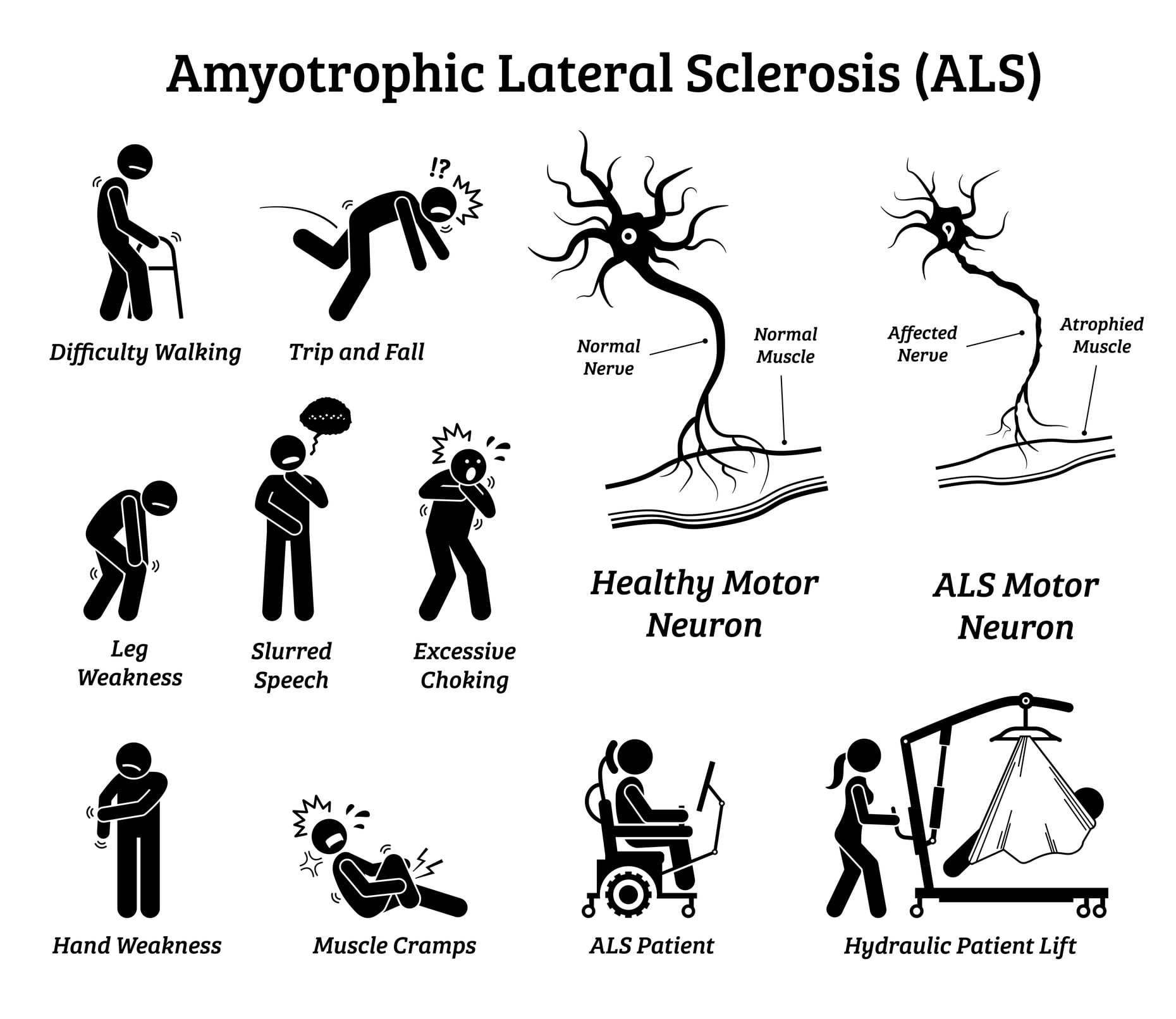
Guillain-Barre Syndrome

Guillain-Barre syndrome is a rare autoimmune condition in which the body’s immune system attacks the peripheral nerves, causing sudden numbness and muscle weakness.

Guillain-Barre syndrome often begins with tingling and weakness starting in the legs and feet and spreads to the upper body and arms. Some people may notice the first symptoms in the arms or face. As the condition progresses, muscle weakness can turn into paralysis. Symptoms of Guillain-Barre syndrome include:

  • A pins and needles feeling in the fingers, toes, ankles, or wrists
  • Weakness in the legs that spreads to the upper body
  • An unsteady walk, or not being able to walk or climb stairs
  • Trouble with facial movements, including speaking, chewing, or swallowing
  • Double vision or inability to move the eyes
  • Severe pain that may feel achy, shooting, or cramp-like, and may be worse at night
  • Trouble with bladder control or bowel function
  • Rapid heart rate
  • Low or high blood pressure
  • Trouble breathing

People with Guillain-Barre syndrome usually experience their most significant weakness within two weeks after symptoms begin.

The symptoms of Guillain-Barre syndrome differ depending on the type, as there are several forms of the condition. The main types are:

  • Acute Inflammatory Demyelinating Polyradiculoneuropathy (AIDP)
  • Miller Fisher syndrome (MFS)
  • Acute motor axonal neuropathy (AMAN) and acute motor-sensory axonal neuropathy (AMSAN)

There is no exact known cause of Guillain-Barre syndrome. It usually appears days or weeks after a respiratory or digestive tract infection. Rarely, a recent surgery or vaccination can trigger it.

In Guillain-Barre syndrome, the immune system attacks the nerves. In AIDP, the myelin sheath protecting the nerves is damaged. The damage prevents nerves from transmitting signals to your brain, causing weakness, numbness, or paralysis. It can be triggered by:

  • Most commonly, an infection with Campylobacter, a type of bacteria often found in undercooked poultry
  • Influenza virus
  • Cytomegalovirus
  • Epstein-Barr virus
  • Zika virus
  • Hepatitis A, B, C, and E
  • HIV
  • Mycoplasma pneumonia
  • Surgery
  • Trauma
  • Hodgkin lymphoma
  • Rarely, influenza vaccinations or childhood vaccinations
  • COVID-19 virus

Healthcare providers can typically diagnose Guillain-Barre syndrome based on symptoms and medical history. They may ask how and when your symptoms started and if you have been sick recently. They will also perform physical and neurological exams to look for signs of muscle weakness and weak or absent deep tendon reflexes.

Unfortunately, many other neurological conditions share similar symptoms to Guillain-Barre syndrome, so a healthcare provider will need to perform other tests to rule out other conditions. These tests can include:

  • Electromyography (EMG) and nerve conduction tests
  • A spinal tap
  • An imaging test

There is no cure for Guillain-Barre syndrome. However, two types of treatment can speed recovery and reduce symptoms. They include:

  • Plasma exchange
  • Immunoglobulin therapy

These treatments are equally effective. Mixing them or using one after the other is no more effective than using either method alone. You are also likely to be given medicine to:

  • Relieve severe pain
  • Prevent blood clots

People with Guillain-Barre syndrome need physical help and therapy before and during recovery. Care may include:

  • Movement of your arms and legs by caregivers before recovery helps keep muscles flexible and strong
  • Physical therapy during recovery helps you cope with fatigue and regain strength and proper movement
  • Training with adaptive devices, such as a wheelchair or braces, to give you mobility and self-care skills

You can receive pain management treatments, such as nerve blocks, at Jamaica Hospital Medical Center. To schedule an appointment with a pain specialist, please call (718) 206-7246.


All content of this newsletter is intended for general information purposes only and is not intended or implied to be a substitute for professional medical advice, diagnosis or treatment. Please consult a medical professional before adopting any of the suggestions on this page. You must never disregard professional medical advice or delay seeking medical treatment based upon any content of this newsletter. PROMPTLY CONSULT YOUR PHYSICIAN OR CALL 911 IF YOU BELIEVE YOU HAVE A MEDICAL EMERGENCY.

Dementia

Dementia is a general term that represents a group of diseases and illnesses that cause the loss of cognitive functioning to the point that it interferes with a person’s daily life and activities.

Cognitive changes they may experience include:

  • Memory loss, usually noticed by someone else
  • Problems communicating or finding words
  • Trouble with visual and spatial abilities, such as getting lost while driving
  • Problems with reasoning or problem-solving
  • Trouble performing complex tasks
  • Trouble with planning and organizing
  • Poor coordination and control of movements
  • Confusion and disorientation

Some people with dementia can’t control their emotions, and they may also have psychological changes, such as:

  • Personality changes
  • Depression
  • Anxiety
  • Agitation
  • Inappropriate behavior
  • Hallucinations

Dementia is caused by damage to your brain, affecting its nerve cells and destroying the brain’s ability to communicate with its various areas. Dementia can also result from blocked blood flow to the brain, depriving it of oxygen and nutrients. Without oxygen and nutrients, brain tissue dies.

Progressive dementias get worse over time. Types of dementias that worsen and aren’t reversible include:

  • Alzheimer’s disease (the most common cause of dementia)
  • Vascular dementia
  • Lewy body dementia
  • Frontotemporal dementia
  • Mixed dementia

Other disorders linked to dementia include:

  • Huntington’s disease
  • Traumatic brain injury (TBI)
  • Creutzfeldt-Jakob disease
  • Parkinson’s disease

Some causes of dementia-like symptoms can be reversed with treatment, including:

  • Infections and immune disorders
  • Metabolic or endocrine problems
  • Low levels of certain nutrients
  • Medication side effects
  • Subdural bleeding
  • Brain tumors
  • Normal-pressure hydrocephalus

Many risk factors can contribute to dementia, including:

  • Age
  • Family history

A healthcare provider must recognize the pattern of loss of skills and function to be able to diagnose the cause of dementia. No single test can diagnose dementia, therefore, a series of tests may be conducted to determine a diagnosis. These tests include:

  • Cognitive and neuropsychological tests
  • Neurological evaluation
  • Brain scans
    • CT or MRI
    • PET scans
  • Laboratory tests
  • Psychiatric evaluation

Most types of dementia can’t be cured, but there are ways to manage your symptoms, including:

  • Medications
  • Therapies

If you are experiencing any of these symptoms, you can schedule an appointment with a doctor at Jamaica Hospital Medical Center’s Ambulatory Care Center by calling (718) 206-7001. If you are experiencing an emergency, call 911.


All content of this newsletter is intended for general information purposes only and is not intended or implied to be a substitute for professional medical advice, diagnosis or treatment. Please consult a medical professional before adopting any of the suggestions on this page. You must never disregard professional medical advice or delay seeking medical treatment based upon any content of this newsletter. PROMPTLY CONSULT YOUR PHYSICIAN OR CALL 911 IF YOU BELIEVE YOU HAVE A MEDICAL EMERGENCY.

MS Awareness Month

March is observed as Multiple Sclerosis (MS) Awareness Month, a month that raises awareness about the disease.

Multiple sclerosis is a disease that causes the breakdown of the protective covering of nerves called myelin. Multiple sclerosis can cause numbness, weakness, trouble walking, vision changes, and other symptoms. This interrupts communication between the brain and the rest of the body. MS eventually causes permanent damage to the nerve fibers.

Launched in 2003, National MS Education and Awareness Month is a nationwide effort by MS Focus: The Multiple Sclerosis Foundation and affiliated groups to raise awareness of multiple sclerosis. The vital goals of this campaign are to promote an understanding of the scope of the disease and to assist those with MS in making educated decisions about their healthcare.

MS Awareness Month benefits those with MS, their families, and communities. It is also an opportunity for family and friends of people with MS to learn more about the disease.

There are several ways to get involved in MS Awareness Month, including:

  • Sign up for an MS walk
  • Attend educational events
  • Share your story
  • Make a donation
  • Wear orange
  • Spread the word on social media

MS affects everyone differently. MS Awareness Month brings awareness to the condition’s many forms.

Getting involved during MS Awareness Month can help raise awareness for this condition and lead to a cure.

All content of this newsletter is intended for general information purposes only and is not intended or implied to be a substitute for professional medical advice, diagnosis or treatment. Please consult a medical professional before adopting any of the suggestions on this page. You must never disregard professional medical advice or delay seeking medical treatment based upon any content of this newsletter. PROMPTLY CONSULT YOUR PHYSICIAN OR CALL 911 IF YOU BELIEVE YOU HAVE A MEDICAL EMERGENCY.
Foot Drop

Foot drop or drop foot, is a general term for difficulty lifting the front part of the foot. It happens when you can’t raise the front part of your foot due to weakness or paralysis of the muscles that lift it.

Foot drop may cause a person to drag their feet on the floor when they walk. To avoid this, a person with foot drop may raise the thigh more than usual when walking as though they were climbing stairs. This way of walking, called steppage gait, causes the foot to slap against the floor with each step, sometimes causing the skin on the top of the foot and toes to feel numb.

Foot drop isn’t a disease. It is more a sign of an underlying neurological, muscular, or anatomical problem. Foot drop has several possible causes, typically due to an issue with your nerves and/or muscles. The most common causes are lumbar radiculopathy and peroneal nerve injury. Other causes include:

  • Brain conditions
  • Motor neuron conditions
  • Peripheral neuropathies
  • Muscle conditions

To diagnose foot drop, a healthcare provider will perform a physical exam, which may show:

  • Loss of muscle control in your lower leg(s) and foot/feet
  • Muscle atrophy in your foot or leg
  • Difficulty lifting your foot and toes

Your healthcare provider may also order any of the following tests to find the underlying cause of foot drop, including:

  • Imaging tests such as X-rays, ultrasound, and/or an MRI to look for compression or damage in your legs, spine, or brain
  • Certain blood tests, such as a blood sugar test to check for diabetes and diabetes-related neuropathy
  • Nerve conduction tests to examine how your nerves are functioning
  • Electromyography to measure the electrical activity in your leg muscles

Foot drop treatment depends on what is causing it. Sometimes foot drop is temporary, but it can be permanent. If the cause is a chronic condition like multiple sclerosis or ALS, foot drop may be permanent. Possible treatments for foot drop include:

  • Physical and occupational therapy to help stretch and strengthen your muscles and help you walk better
  • Braces, splints, or shoe inserts to help support your ankle and foot and keep it in a more natural position

In some cases, people need surgery to relieve pressure on their peroneal nerve or to repair it. If you have chronic foot drop, your healthcare provider may suggest fusing your ankle or foot bones. Or you may have tendon surgery in which a surgeon transfers a tendon from your other leg to the muscle in your affected leg to help it pull your foot up.

If you are experiencing any symptoms of foot drop, you can consult with a neurologist at Jamaica Hospital Medical Center. To schedule an appointment, please call (718) 206-7246.

All content of this newsletter is intended for general information purposes only and is not intended or implied to be a substitute for professional medical advice, diagnosis or treatment. Please consult a medical professional before adopting any of the suggestions on this page. You must never disregard professional medical advice or delay seeking medical treatment based upon any content of this newsletter. PROMPTLY CONSULT YOUR PHYSICIAN OR CALL 911 IF YOU BELIEVE YOU HAVE A MEDICAL EMERGENCY.

Peripheral Neuropathy

Peripheral neuropathy is any condition that involves damage to peripheral nerves outside your brain or spinal cord. These conditions often cause weakness, numbness, and pain, usually in the hands and feet, but can also affect other areas and body functions like digestion and urination.

The peripheral nervous system sends information from the brain and spinal cord to the rest of the body through motor nerves. The peripheral nerves also send sensory information to the central nervous system through sensory nerves.

The nerves in the peripheral nervous system are divided into three categories and have a specific job.

  • Sensory nerves that receive sensation, such as temperature, pain, vibration, or touch, from the skin
  • Motor nerves that control muscle movement
  • Autonomic nerves that control functions such as blood pressure, sweating, heart rate, digestion, and bladder function

Symptoms of peripheral neuropathy depend on the nerve affected and can include:

  • Gradual onset of numbness, prickling, or tingling in your hands and feet. These sensations can spread upward into your arms and legs
  • Sharp, jabbing, throbbing, or burning pain
  • Extreme sensitivity to touch
  • Pain during activities that shouldn’t cause pain, such as pain in your feet when putting weight on them, or when they’re under a blanket
  • Lack of coordination and falling
  • Muscle weakness
  • Feeling as if you’re wearing gloves or socks when you’re not
  • Inability to move if motor nerves are affected
  • Heat intolerance
  • Excessive sweating or not being able to sweat
  • Bowel, bladder, or digestive problems
  • Drops in blood pressure, causing dizziness or lightheadedness

Peripheral neuropathy can happen for many reasons. Some include:

  • Type 2 diabetes
  • Alcohol use disorder
  • Vitamin and nutrient deficiencies
  • Autoimmune and inflammatory conditions
  • Medications and toxins
  • Tumors
  • Genetic conditions
  • Infections
  • Hansen disease (leprosy)
  • Trauma and surgery
  • Vascular disorders
  • Idiopathic neuropathy

A combination of methods are used to diagnose peripheral neuropathy including:

  • Symptoms and medical history
  • Physical and neurological exams
  • Lab, diagnostic, and imaging tests

Treatment of peripheral neuropathy varies depending on its cause. Treatments can include:

  • Medications
  • Surgery
  • Physical therapy
  • Devices and wearable equipment
  • Podiatry and foot care
  • Other pain treatments such as acupuncture, transcutaneous electrical stimulation, injections, or surgery to implant a spinal cord stimulator

Some causes of peripheral neuropathy are preventable. Some preventative or precautionary steps you can take include:

  • Eating a balanced diet
  • Staying physically active and maintaining a healthy weight
  • Wearing safety equipment as needed
  • Managing chronic conditions
  • Avoiding alcohol in excess
  • Avoiding exposure to toxins, poisons, and heavy metals

If you are experiencing symptoms of peripheral neuropathy, you can schedule an appointment with a doctor at Jamaica Hospital Medical Center’s Ambulatory Care Center, please call (718) 206-7001.

All content of this newsletter is intended for general information purposes only and is not intended or implied to be a substitute for professional medical advice, diagnosis or treatment. Please consult a medical professional before adopting any of the suggestions on this page. You must never disregard professional medical advice or delay seeking medical treatment based upon any content of this newsletter. PROMPTLY CONSULT YOUR PHYSICIAN OR CALL 911 IF YOU BELIEVE YOU HAVE A MEDICAL EMERGENCY.

Essential Tremors

Essential tremors are a neurological condition that causes involuntary and rhythmic shaking. It affects any part of the body but mostly occurs in the hands.

Essential tremors are normally not dangerous but can worsen and become severe in some people. It is sometimes confused with Parkinson’s disease.

The symptoms of essential tremors include:

  • They start gradually and are more noticeable on one side of the body.
  • They worsen with movement.
  • They occur in the hands first, affecting one or both hands.
  • They cause a “yes-yes” or “no-no” motion of the head.
  • They may be aggravated by emotional stress, fatigue, caffeine, or extreme temperature changes.

About half the people with essential tremors appear to have an altered gene that causes them. This is called familial tremor. It is unclear what causes essential tremors in people without familial tremors.

There are a couple of known risk factors for essential tremors including:

  • Altered gene
  • Age- Essential tremors, which are more common in people 40 and older.

Complications caused by essential tremors include difficulty:

  • Holding a cup or glass without spilling.
  • Eating without shaking.
  • Putting on makeup or shaving.
  • Talking, if the voice box or tongue is affected.
  • Writing clearly.

There are no medical tests to diagnose essential tremors. It is often a matter of ruling out other conditions that could be causing symptoms. A healthcare provider may do this by reviewing your medical history, family history, and symptoms, and completing a physical examination. Some tests used to do this include:

  • Neurological examination that tests the functionality of your nervous system
    • Tendon reflexes.
    • Muscle strength and tone.
    • Ability to feel certain sensations.
    • Posture and coordination.
    • Way of walking.
  • Laboratory tests- blood and urine may be tested for several factors including:
    • Thyroid disease.
    • Metabolic problems.
    • Medicine side effects.
    • Levels of chemicals that may cause tremors.
  • Performance tests- a healthcare provider may ask you to:
    • Drink from a glass.
    • Hold your arms outstretched.
    • Write words or a sentence.
    • Draw a spiral.

People with mild symptoms of essential tremors don’t require treatment. But if it is causing difficulty in performing daily activities treatment options may include:

  • Medicines
    • Beta-blockers
    • Anti-seizure medications
    • Tranquilizers
    • Botox injections
  • Physical or occupational therapy
  • Nerve stimulation devices
  • Surgery
    • Deep brain stimulation
    • Focused ultrasound thalamotomy

You can receive pain management treatments such as nerve blocks at Jamaica Hospital Medical Center. To schedule an appointment with a pain specialist, please call (718) 206-7246.

All content of this newsletter is intended for general information purposes only and is not intended or implied to be a substitute for professional medical advice, diagnosis or treatment. Please consult a medical professional before adopting any of the suggestions on this page. You must never disregard professional medical advice or delay seeking medical treatment based upon any content of this newsletter. PROMPTLY CONSULT YOUR PHYSICIAN OR CALL 911 IF YOU BELIEVE YOU HAVE A MEDICAL EMERGENCY.

Learn The Facts About Epilepsy

Epilepsy, also referred to as a “seizure disorder,” is a chronic condition that affects the central nervous system. Those with this neurological disorder experience abnormal brain activity, which results in unpredictable and unprovoked seizures as well as other unusual behaviors, sensations, and sometimes loss of awareness.

Because epilepsy is caused by abnormal activity in the brain, seizures can affect any process the brain coordinates. Seizure signs and symptoms may include:

  • Temporary confusion
  • A staring spell
  • Uncontrollable jerking movements of the arms and legs
  • Loss of consciousness or awareness
  • Experiencing fear, anxiety, or déjà vu

A person with epilepsy may experience different symptoms than others with the same disorder. In most cases, however, a person with epilepsy will tend to have the same type of seizure each time, so the symptoms will be similar from episode to episode.

While epilepsy has no identifiable cause, about half the cases can be traced to a variety of different factors, including:

  • Family history
  • Head trauma
  • Stroke
  • Infectious diseases such as meningitis encephalitis, or AIDS
  • Developmental disorders, including autism

Medications or surgery can control seizures for the majority of people with epilepsy. Some people require lifelong treatment to control seizures, but for others, the seizures eventually go away. Some children with epilepsy may outgrow the condition with age.

All content of this newsletter is intended for general information purposes only and is not intended or implied to be a substitute for professional medical advice, diagnosis or treatment. Please consult a medical professional before adopting any of the suggestions on this page. You must never disregard professional medical advice or delay seeking medical treatment based upon any content of this newsletter. PROMPTLY CONSULT YOUR PHYSICIAN OR CALL 911 IF YOU BELIEVE YOU HAVE A MEDICAL EMERGENCY.