
Author Archives: Jamaica Hospital Medical Center
COPD

Chronic Obstructive Pulmonary Disease (COPD) is an inflammatory lung disease that makes breathing difficult. It is caused by damage to the lungs over a prolonged period of time and is usually attributed to smoking.
COPD can result in serious, long-term disability and is the third leading cause of death in the United States.
The symptoms of COPD typically present when there is significant damage to the lung. They may include:
- Shortness of breath
- Chronic cough
- Frequent respiratory infections
- Wheezing
- Swelling of the feet, ankles or legs
Those most at risk of developing COPD are individuals who:
• Are over age 40 and currently smoke or smoked at some point
• Worked or lived around chemicals or fumes
• Have certain genetic conditions
• Have asthma
If you think you have COPD, you should:
• Talk with your healthcare provider about your symptoms
• Request a breathing test, known as a spirometry
• Quit smoking! If you need help, ask your doctor
• Avoid pollutants or fumes that can irritate your lungs
COPD can lead to other health complications such as heart problems, lung cancer, or high blood pressure in the arteries that bring blood to your lungs.
While you can’t undo the damage COPD has caused to your lungs, there are steps you can take to prevent the condition from getting worse, this includes avoiding factors that can irritate lungs, taking medications as directed, enrolling in a pulmonary rehabilitation program, and receiving annual flu and pneumonia vaccines.
 Follow
All content of this newsletter is intended for general information purposes only and is not intended or implied to be a substitute for professional medical advice, diagnosis or treatment. Please consult a medical professional before adopting any of the suggestions on this page. You must never disregard professional medical advice or delay seeking medical treatment based upon any content of this newsletter. PROMPTLY CONSULT YOUR PHYSICIAN OR CALL 911 IF YOU BELIEVE YOU HAVE A MEDICAL EMERGENCY.
JHMC’s Family Medicine Department Recognized as Health Literacy Heroes

The Department of Family Medicine understands that the health literacy of our patients is influenced by many factors such as personal experience with the healthcare system, cultural norms, and social determinants of health. We appreciate that health literacy is our responsibility and can best be achieved by partnering with our patients. It is up to the healthcare team to communicate medical information in a way that meets our patients’ needs.
One of the ways we achieve this is by having patient navigators on our team who are trained in education for various chronic conditions and assist patients in navigating the healthcare system. Another fun initiative has been the social media video series “What Do You Mean?” which features our doctors breaking down medical jargon into patient-centered language making health-related concepts easier to understand.
Family Medicine is committed to Health Literacy! We are honored to be recognized as this year’s Health Literacy Heroes during Health Literacy Month.

All content of this newsletter is intended for general information purposes only and is not intended or implied to be a substitute for professional medical advice, diagnosis or treatment. Please consult a medical professional before adopting any of the suggestions on this page. You must never disregard professional medical advice or delay seeking medical treatment based upon any content of this newsletter. PROMPTLY CONSULT YOUR PHYSICIAN OR CALL 911 IF YOU BELIEVE YOU HAVE A MEDICAL EMERGENCY.
Meet Dr. George Ferzli
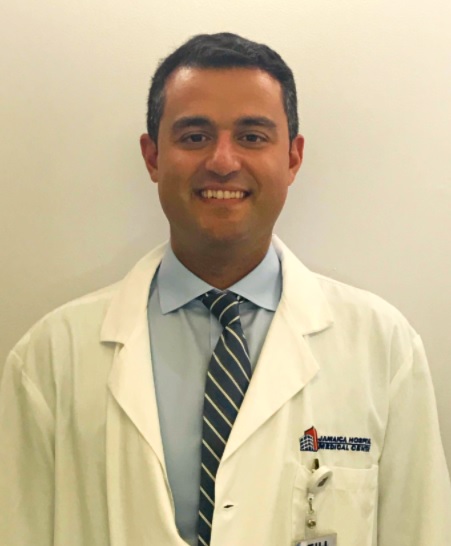
Jamaica Hospital would like to introduce you to Otolaryngologist (ENT Specialist), Dr. George Ferzli.
Otolaryngologists treat conditions associated with the ear, nose, and throat and related structures of the head and neck. These are some of the most complex areas of the body as they affect your ability to breathe, eat, speak, and hear.
Dr. Ferzli is highly trained in facial plastic and reconstructive surgery and otolaryngology/head and neck surgery.
Dr. Ferzli completed his residency at S.U.N.Y Downstate Medical Center and continued his training in the highly coveted Facial Plastic and Reconstructive Surgery fellowship at the prestigious Lenox Hill Hospital. He is an active member of the American Academy of Facial Plastic Reconstructive Surgery and Otolaryngology.
He provides a wide variety of services for patients that include but are not limited to:
- Nose and breathing procedures such as rhinoplasty
- Adenoid surgery
- Head and neck reconstruction
- Tonsillectomy
One of the ways Dr. Ferzli helps his patients is by utilizing the latest technologies. He is aware of many new advances and has incorporated them into his patients’ treatment plans.
He is extremely happy to join the ENT Division at Jamaica Hospital, and work with a strong and diverse team of doctors. Dr. Ferzli feels that together they are building a much-needed service that can greatly benefit patients.
Dr. Ferzli treats patients at the following location:
TJH Surgical Services
89-05 135th Street
Jamaica, NY 11418
718-206-7110
All content of this newsletter is intended for general information purposes only and is not intended or implied to be a substitute for professional medical advice, diagnosis or treatment. Please consult a medical professional before adopting any of the suggestions on this page. You must never disregard professional medical advice or delay seeking medical treatment based upon any content of this newsletter. PROMPTLY CONSULT YOUR PHYSICIAN OR CALL 911 IF YOU BELIEVE YOU HAVE A MEDICAL EMERGENCY.
Kidney Stones
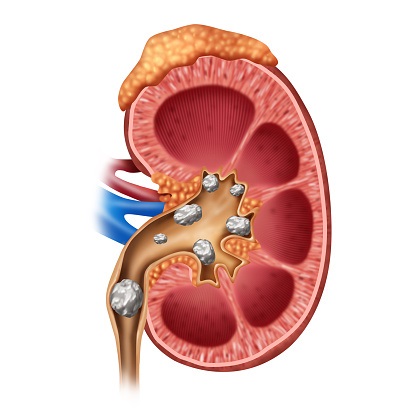
Kidney stones (nephrolithiasis) are lumps of crystal made from substances found in urine. They typically build up along the inner surfaces of the kidney. The size of a kidney stone can range from as small as a grain of sand to as large as a golf ball. It is estimated, one in every twenty people will develop them at some point in their life.
Stones form when there is a decrease in the amount of urine produced, causing it to become highly concentrated and therefore allowing minerals to crystallize and stick together. There are four major types of stones, they include:
- Calcium stones
- Uric acid stones
- Struvite stones
- Cystine stones
While dehydration is a major contributor to the formation of kidney stones, some people are more prone to developing them than others. People with certain medical conditions such as gout or digestive diseases, those with a family history of kidney stones, as well as people who are obese or consume a diet rich in protein, sodium and sugar are more susceptible.
Kidney stones often go undetected until they become loose and travel along the urinary tract. When they move around the kidney or pass through the ureter, the following symptoms may occur:
- Pain during urination
- Pain along your side or back, below the ribs
- Urine that is pink, red or brown in color
- Pain in the lower abdomen or groin
- Difficulty urinating
- Frequent urination or urge to urinate
- Nausea or vomiting
- Cloudy or abnormal smelling urine
- Fever and chills
If these symptoms present themselves and persist it is advised that you see a doctor immediately. Your doctor may perform a series of tests that may include blood or urine tests, analysis of passed stones or abdominal x-rays to assess your condition. Depending on severity, treatment may include increasing your intake of water, pain medication or surgery.
All content of this newsletter is intended for general information purposes only and is not intended or implied to be a substitute for professional medical advice, diagnosis or treatment. Please consult a medical professional before adopting any of the suggestions on this page. You must never disregard professional medical advice or delay seeking medical treatment based upon any content of this newsletter. PROMPTLY CONSULT YOUR PHYSICIAN OR CALL 911 IF YOU BELIEVE YOU HAVE A MEDICAL EMERGENCY.
Gallstones
Have you ever experienced sudden abdominal pain and wondered if it might be gallstones?
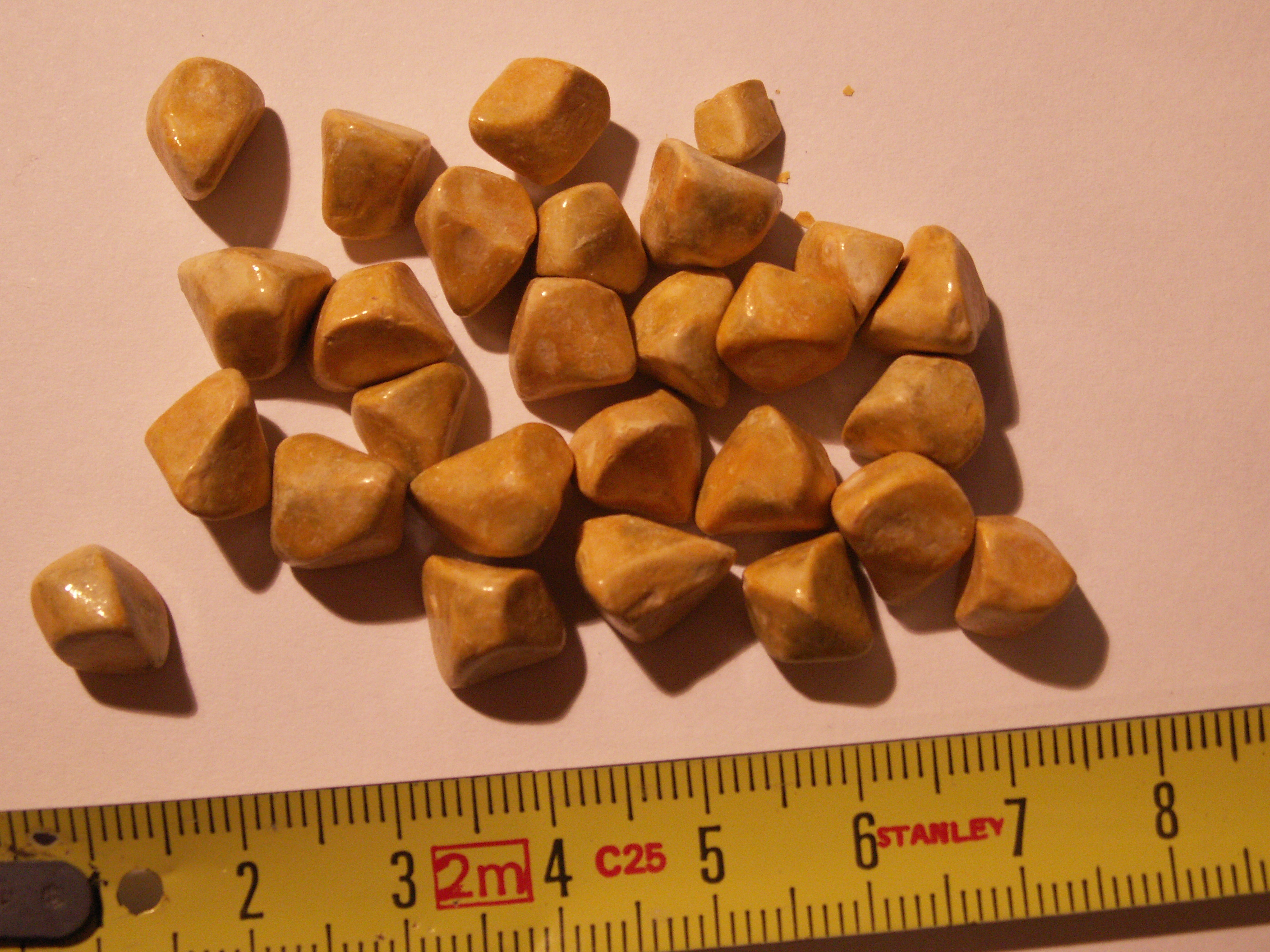
Gallstones form in the gall bladder, located just under the liver, and may cause no signs or symptoms. However, if a gallstone lodges in a bile duct, it could cause a blockage. Gallstone pain may last several minutes to a few hours and symptoms may include:
- Sudden and rapidly intensifying pain in the upper right portion of your abdomen
- Sudden and rapidly intensifying pain in the center of your abdomen, just below your breastbone
- Back pain between your shoulder blades
- Pain in your right shoulder
Make an appointment with your doctor if you experience any of these signs or symptoms. Seek immediate care if you are experiencing:
- Abdominal pain so intense that you can’t sit still or find a comfortable position
- Yellowing of your skin and the whites of your eyes
- High fever with chills
Laparoscopic surgery to remove the gallbladder, called a cholecystectomy, is one of the most commonly performed surgical procedures in the United States and is the treatment of choice for gallstones that cause moderate to severe pain. Symptoms usually do not return after the gallbladder has been removed. In a small number of cases, surgery may be done to prevent complications of gallstones.
All content of this newsletter is intended for general information purposes only and is not intended or implied to be a substitute for professional medical advice, diagnosis or treatment. Please consult a medical professional before adopting any of the suggestions on this page. You must never disregard professional medical advice or delay seeking medical treatment based upon any content of this newsletter. PROMPTLY CONSULT YOUR PHYSICIAN OR CALL 911 IF YOU BELIEVE YOU HAVE A MEDICAL EMERGENCY.
Understanding Dyslexia
Dyslexia is a language-based, learning disability that affects approximately 15% of the population living in the United States. It is the most common learning disability in the country.
People who are dyslexic find it difficult to read because they are unable to properly identify speech sounds and learn how they relate to letters and words. They often have difficulty with writing, math and comprehension as well.
Dyslexia is a lifelong disability that cannot be cured. However, an individual can overcome its many challenges when early intervention and specialized education approaches are applied.
The exact cause of dyslexia is unknown; however, the condition tends to run in families. In addition to genetics, there are other factors attributed to dyslexia; they include:
- Premature birth or a low birth weight
- Exposure to substances such as nicotine, alcohol or illegal drugs during pregnancy
Symptoms and signs of dyslexia vary with each individual. They may experience the following:
- Difficulty forming words correctly –they may reverse the sound in words or confuse words that sound alike
- Late speech
- Difficulty remembering or naming colors , letters and numbers
- Reading well below average
- Difficulty playing rhyming games or learning rhyming songs
- Problems with math or spelling
- Difficulty following directions
- Disinterest in books
- Difficulty remembering details
- Trouble understanding puns and idioms
- Difficulty telling right from left
- Difficulty understanding the concept of time
A significant number of children with dyslexia go undiagnosed because symptoms are not recognized. Many children who are undiagnosed, struggle in school and grow up to be adults who are unaware that they have dyslexia; therefore, it is very important for parents to note warning signs and seek assistance from a specialist. In most cases, a diagnosis of dyslexia is determined by a licensed educational psychologist after completing a series of evaluations.
All content of this newsletter is intended for general information purposes only and is not intended or implied to be a substitute for professional medical advice, diagnosis or treatment. Please consult a medical professional before adopting any of the suggestions on this page. You must never disregard professional medical advice or delay seeking medical treatment based upon any content of this newsletter. PROMPTLY CONSULT YOUR PHYSICIAN OR CALL 911 IF YOU BELIEVE YOU HAVE A MEDICAL EMERGENCY.
Urinary Incontinence
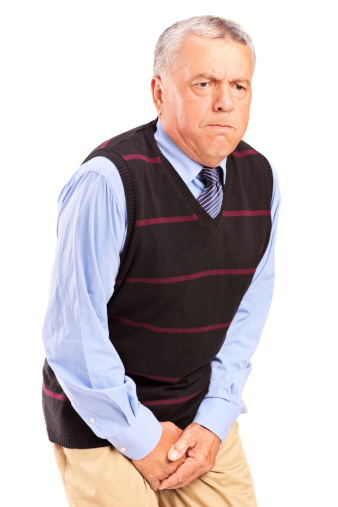
Urinary incontinence is the inability to control the flow of urine resulting in a person urinating when they don’t want to. The basic cause is due to loss of control of the urinary sphincter. This is a fairly common condition, occurring more frequently in women than in men.
The American Urological Association estimates that one quarter to one-third of people in the United States experiences urinary incontinence.
Types of incontinence:
• Stress Incontinence – urine leaks when there is pressure put on the bladder by coughing, sneezing, laughing, lifting heavy objects
• Urge Incontinence – the urge to urinate can be very intense and can be caused by a severe infection or a chronic condition like diabetes or a neurological condition
• Overflow Incontinence – when the bladder doesn’t empty completely it can lead to dribbling
• Functional Incontinence – when there is a physical or mental condition that inhibits you from getting to the bathroom quickly enough. (This can be due to age or a physical disability)
• Mixed Incontinence – when there is more than one factor that leads to being unable to control the flow of urine
Diagnosing urinary incontinence can be done in different ways and depends on what the underlying cause is thought to be. In men, this may include a prostate exam and in women, this may involve checking the pelvic floor. A blood test may be performed to assess kidney function. Urinalysis may show if there are signs of infection. It may be necessary to examine the bladder by performing a post-void residual test to see if the bladder is emptying properly. A pelvic ultrasound can be used to see if there are obstructions in the ureters and bladder. A cystogram is an x-ray of the bladder. Another exam is a cystoscope whereby a tiny probe is placed into the urethra to see if there are abnormalities.
Treatment options for urinary incontinence depend on what is causing the problem. Options include muscle strengthening, delaying urination as a way of gaining control, going to the bathroom to urinate at set times to avoid a buildup of urine in the body. There are also medications that may be helpful in controlling an overactive bladder and weakened sphincters.
All content of this newsletter is intended for general information purposes only and is not intended or implied to be a substitute for professional medical advice, diagnosis or treatment. Please consult a medical professional before adopting any of the suggestions on this page. You must never disregard professional medical advice or delay seeking medical treatment based upon any content of this newsletter. PROMPTLY CONSULT YOUR PHYSICIAN OR CALL 911 IF YOU BELIEVE YOU HAVE A MEDICAL EMERGENCY.
Bursitis

According to the Mayo Clinic, Bursitis is a painful condition that affects the small, fluid-filled sacs called bursae that cushion the bones, tendons and muscles near your joints. Bursitis occurs when bursae become inflamed. The most common locations for bursitis are in the shoulder, elbow and hip.
Although Bursitis typically affects the shoulder, elbow and hip, it can also affect your knee, heel and the base of your big toe. Bursitis often occurs near joints that perform frequent repetitive motion.
Some symptoms of Bursitis are:
- Achy or stiff joints
- Pain when the joint is moved or touched
- Redness and swelling in the affected area
The treatment of Bursitis usually includes resting the inflamed joint and guarding it from further trauma. Bursitis pain can last for a few weeks and is prone to recurrent flare-ups.
All content of this newsletter is intended for general information purposes only and is not intended or implied to be a substitute for professional medical advice, diagnosis or treatment. Please consult a medical professional before adopting any of the suggestions on this page. You must never disregard professional medical advice or delay seeking medical treatment based upon any content of this newsletter. PROMPTLY CONSULT YOUR PHYSICIAN OR CALL 911 IF YOU BELIEVE YOU HAVE A MEDICAL EMERGENCY.
Understanding Bipolar Disorder
Bipolar disorder is a form of mental illness that is marked by extreme shifts in a person’s mood. Those with bipolar disorder experience periods of being overly happy to feelings of extreme sadness and hopelessness.

Bipolar disorder is also known as manic depression. The word “manic” describes the times when someone feels overly excited and confident, while the word “depressive” describes the times when the person feels very sad or depressed. Most people with bipolar disorder spend more time with depressive symptoms than manic ones.
During their “highs” people with bipolar disorder are often restless, act impulsive, speak in a rapid fashion, have an increased sex drive, and are more likely to abuse drugs or alcohol. Conversely, during “the lows” those with bipolar disorder have trouble concentrating, experience changes in their appetite, require an abundance of sleep or experience insomnia, have difficulty making decisions, and experience thoughts of death or suicide.
In bipolar disorder the dramatic episodes of high and low moods do not follow a set pattern. Someone may feel the same mood state (depressed or manic) several times before switching to the opposite mood. These episodes can happen over a period of weeks, months, and sometimes even years. In between these periods, those with bipolar disorder can feel completely normal.
Signs of bipolar disorder typically first become evident during adolescence or young adulthood, but in rare cases the onset can take place during childhood. It is equally prevalent in men and women and can run in families. There is no single known cause for bipolar disease, but changes in genes, brain development and stress are all considered factors.
Diagnosing bipolar disorder is done by a trained mental health professional during an evaluation that will consist of a question and answer period. After ruling out that bipolar symptoms are not due to another cause, a doctor can outline a treatment plan that takes into account the severity, frequency, and length of symptoms.
The good news is there is treatment for bipolar disorder, but it is a long-term and on-going process that requires regular therapy and usually medication management. Medications prescribed are intended to stabilize the patient’s mood and avoid them from experiencing extreme highs and lows.
All content of this newsletter is intended for general information purposes only and is not intended or implied to be a substitute for professional medical advice, diagnosis or treatment. Please consult a medical professional before adopting any of the suggestions on this page. You must never disregard professional medical advice or delay seeking medical treatment based upon any content of this newsletter. PROMPTLY CONSULT YOUR PHYSICIAN OR CALL 911 IF YOU BELIEVE YOU HAVE A MEDICAL EMERGENCY.