Jamaica Hospital’s Annual Baby Shower

Jamaica Hospital’s Women’s Health Department is inviting community members to its annual baby shower.

This year’s theme is “Babies In Bloom,” celebrating the Spring season. The event will take place on Friday, May 9th, from 2:00 p.m. to 4:30 p.m. at 90-28 Van Wyck Expressway, Jamaica, NY, in the hospital’s D building.

There will be giveaways, fun activities, and health education stations. Light refreshments will be served.


All content of this newsletter is intended for general information purposes only and is not intended or implied to be a substitute for professional medical advice, diagnosis or treatment. Please consult a medical professional before adopting any of the suggestions on this page. You must never disregard professional medical advice or delay seeking medical treatment based upon any content of this newsletter. PROMPTLY CONSULT YOUR PHYSICIAN OR CALL 911 IF YOU BELIEVE YOU HAVE A MEDICAL EMERGENCY.
Jamaica Hospital Opens New Pediatric Unit

On Wednesday, March 19th, Jamaica Hospital Medical Center proudly opened its newly renovated inpatient pediatric unit.

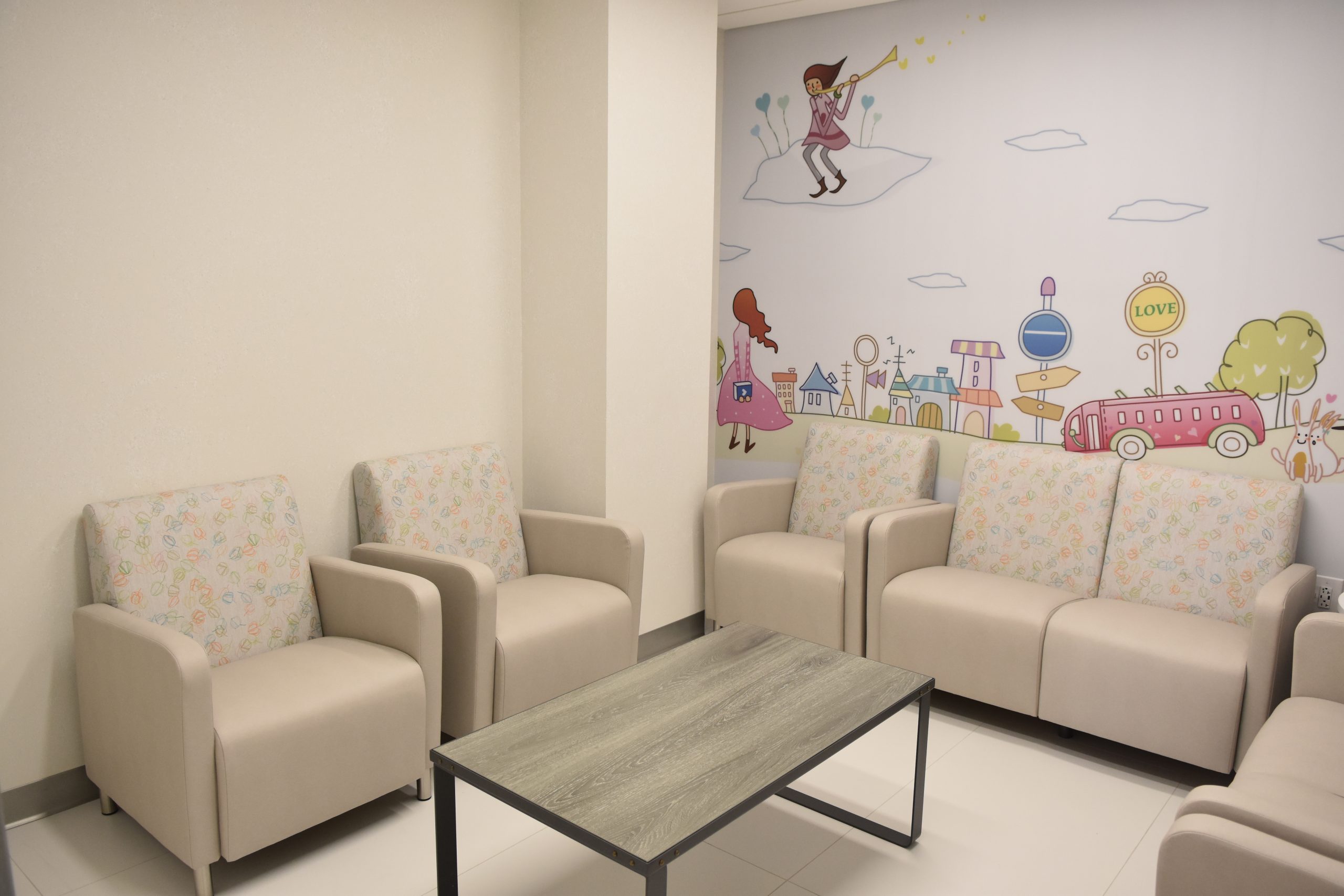
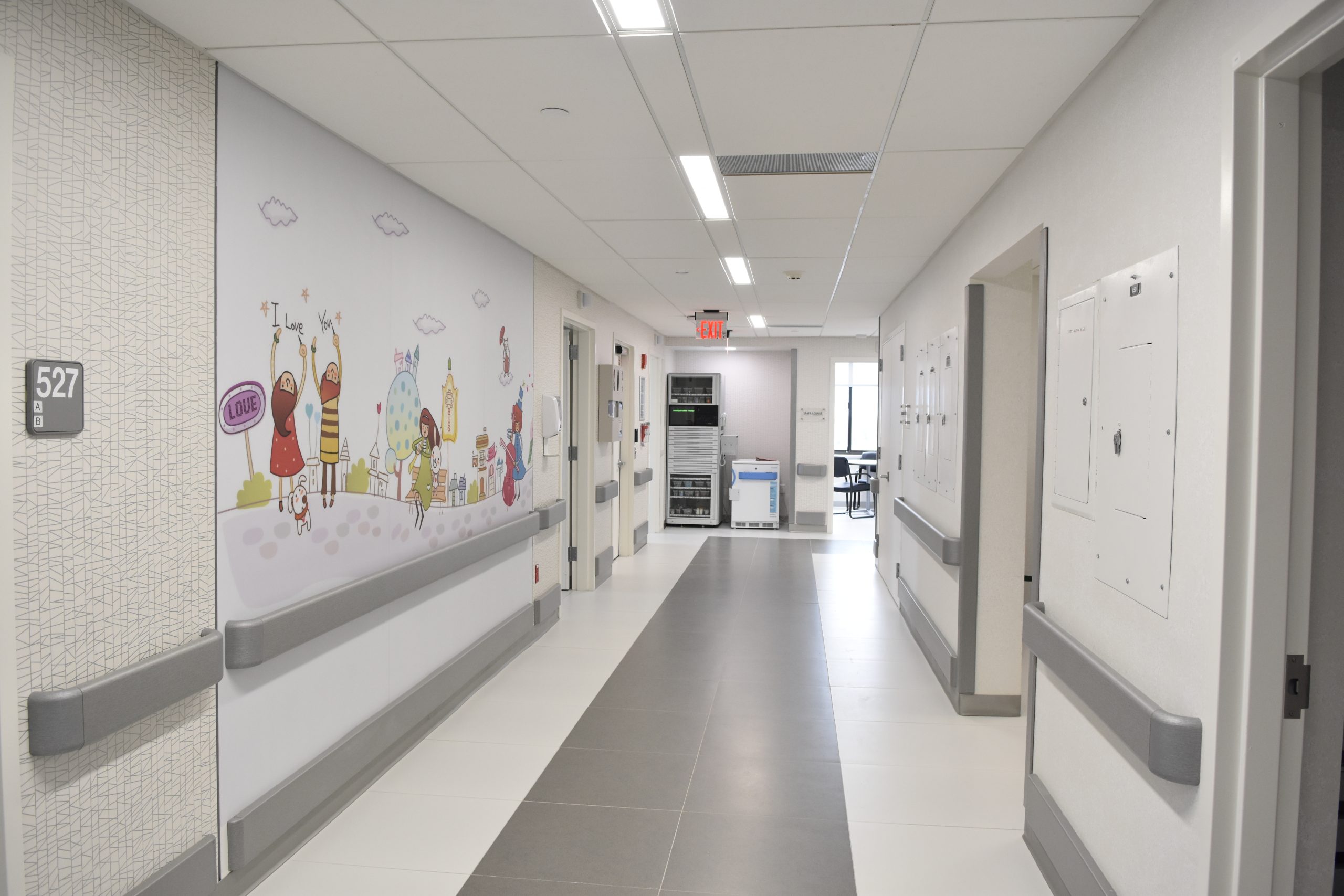
When creating the new space, emphasis was placed on comfort, safety, and privacy. The unit, located on the 5th floor of the hospital, is equipped with state-of-the-art monitoring equipment and features 13 beds, including two isolation rooms complete with a HEPA filtration system.

Additionally, the pediatric unit is beautifully decorated with child-friendly murals to create a soothing environment and offers a family lounge, an open refreshment area for families, and a pediatric playroom, which will be staffed by a dedicated Child Life Specialist.

The pediatric unit is staffed by board-certified pediatricians, as well as experienced pediatric registered nurses and respiratory therapists. Jamaica Hospital also offers a wide variety of pediatric subspecialty services, including pediatric endocrinology, urology, pulmonology, cardiology, gastroenterology, infectious diseases, surgery, and neonatology, to provide comprehensive care for the children in the community.

Construction on the pediatric unit began in April of 2024 and was almost entirely completed by Jamaica Hospital’s in-house Engineering Department.  During construction, pediatric patients requiring admission were transferred to Flushing Hospital Medical Center, also part of the MediSys Health Network, where they received expert and compassionate care.

“This is an exciting day for the community and Jamaica Hospital,” stated Marge Lilienthal, Director of Nursing for Women & Children’s Services. The opening of this new unit reaffirms the hospital’s commitment to the care of children in our communities.  We now have a world-class facility for our doctors, nurses, and the rest of our health care team to deliver care.”


All content of this newsletter is intended for general information purposes only and is not intended or implied to be a substitute for professional medical advice, diagnosis or treatment. Please consult a medical professional before adopting any of the suggestions on this page. You must never disregard professional medical advice or delay seeking medical treatment based upon any content of this newsletter. PROMPTLY CONSULT YOUR PHYSICIAN OR CALL 911 IF YOU BELIEVE YOU HAVE A MEDICAL EMERGENCY.

Jamaica Hospital First in South Queens to Implant Esprit BTK™ System to Reduce the Risk of Leg Amputation

A surgical team at Jamaica Hospital Medical Center, led by Dr. Mina Guerges, is the first in South Queens to successfully implant a new and innovative device designed to reduce the risk of leg amputation in certain patients, for example, those with diabetes.

The FDA-approved Esprit™ BTK Everolimus Eluting Resorbable Scaffold System (Esprit BTK™ System) is a first-of-its-kind dissolvable stent and breakthrough innovation that treats patients with chronic limb-threatening ischemia (CLTI) below the knee (BTK).

Chronic limb-threatening ischemia below the knee is a severe form of peripheral artery disease (PAD). It occurs when the arteries supplying blood to the lower leg and feet become blocked or narrowed. Over time, these blockages or the restriction of blood can damage or kill skin, nerves, or muscles in the affected limb, increasing the risk of complications such as amputation.

Chronic limb-threatening ischemia currently affects more than 20 million people living in the United States.  Those at risk for developing CLTI include people who:

  • Use tobacco products
  • Have high cholesterol
  • Have hypertension or high blood pressure
  • Have diabetes
  • Have a family history of PAD or CLTI

Jamaica Hospital serves a patient population with a prevalence of CLTI. The hospital’s vascular division has achieved a high level of success in caring for these patients by combining traditional approaches and new techniques and technologies to improve outcomes.

As the first hospital in South Queens to utilize the Esprit™ BTK System, Jamaica Hospital offers patients an effective treatment option to prevent limb amputation. The device works by keeping arteries open and delivering a drug (Everolimus) to support vessel healing before completely dissolving.

Studies have shown that implanting the device offers greater benefits than previously used methods, such as balloon angioplasty, to prevent possible amputation. The surgery to implant the Esprit™ BTK System is minimally invasive, meaning small incisions are used. Additional benefits include shorter recovery times, the potential for better long-term outcomes, and a reduced risk of amputation.

Vascular surgeons at Jamaica Hospital are optimistic that leveraging this new technology will help manage chronic limb-threatening ischemia below the knee and greatly improve limb salvage rates among patients.  The hospital aims to ensure patients in the community have access to effective, innovative, and high-quality healthcare.

All content of this newsletter is intended for general information purposes only and is not intended or implied to be a substitute for professional medical advice, diagnosis or treatment. Please consult a medical professional before adopting any of the suggestions on this page. You must never disregard professional medical advice or delay seeking medical treatment based upon any content of this newsletter. PROMPTLY CONSULT YOUR PHYSICIAN OR CALL 911 IF YOU BELIEVE YOU HAVE A MEDICAL EMERGENCY.

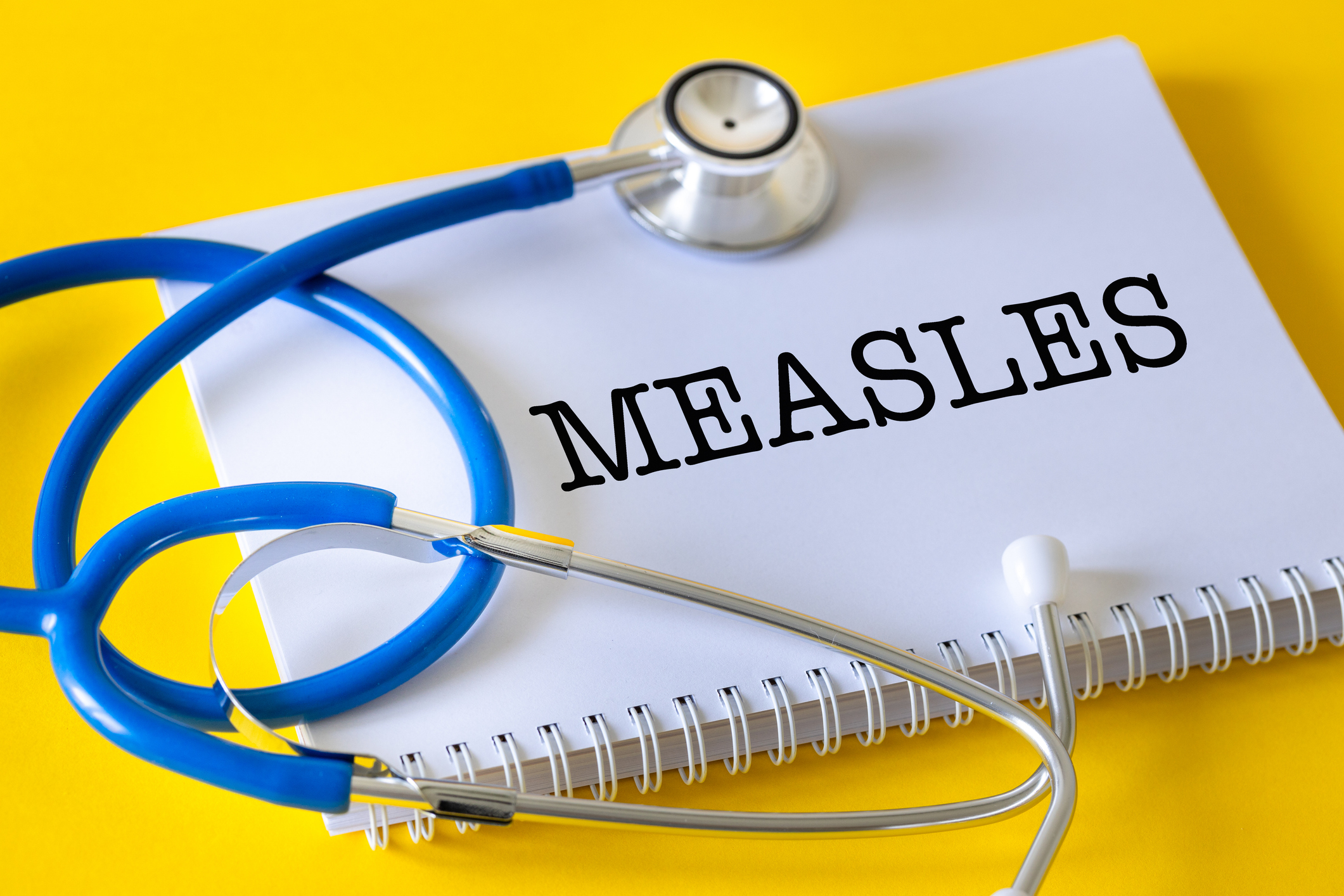
Measles

Measles is a highly contagious disease that is caused by a virus. It can affect anyone but is most common in children.

Some risk factors for measles include:

  • Being unvaccinated
  • Traveling internationally
  • Having a vitamin A deficiency

Measles infects the respiratory tract and then spreads throughout the body. Signs and symptoms of measles appear around 10 to 14 days after exposure to the virus, they include:

  • Fever
  • Dry cough
  • Runny nose
  • Sore throat
  • Inflamed eyes
  • Koplik’s spots (tiny white spots with bluish-white centers on a red background, which form on the inner lining of the cheek)
  • A skin rash made up of large, flat blotches that often flow into one another

The infection occurs in stages that span over two to three weeks. These stages include:

  • Infection and incubation- the measles virus spreads in the body for 10 to 14 days after infection. During that time, there are no signs or symptoms.
  • Nonspecific signs and symptoms- measles typically begins with a mild to moderate fever, a persistent cough, a runny nose, inflamed eyes, and a sore throat. This mild illness can last two to three days.
  • Acute illness and rash- a rash consisting of small red spots, some may be slightly raised. Spots and bumps in tight clusters give the skin a splotchy red appearance. The face is usually the first place it appears. The rash spreads down the arms, chest, and back, then over the thighs, lower legs, and feet over the next few days. At the same time, the fever rises to temperatures as high as 104 to 105.8.
  • Recovery- the measles rash can last for about seven days. The rash fades gradually from the face and lastly the thighs and feet. As other symptoms go away, coughing and the darkening or peeling of the skin where the rash was, lasts about 10 days.

A person with measles can spread the virus to others for about eight days. Starting four days before the rash appears and ends when the rash has been present for four days.

When an infected person coughs, sneezes, or talks, infectious droplets spray into the air where others can breathe them in. Infectious droplets can stay in the air for about an hour and on a surface for several hours.

Many complications can arise from measles, including:

  • Diarrhea and vomiting
  • Ear infection
  • Bronchitis, laryngitis, or croup
  • Pneumonia
  • Encephalitis
  • Pregnancy problems

The U.S. Centers for Disease Control and Prevention (CDC) recommends that children and adults receive the measles vaccine to prevent infection.

Your healthcare provider can usually diagnose measles based on the disease’s characteristic rash and the Koplik’s spot on the inner lining of the cheek. Your healthcare provider may ask whether you or your child received measles vaccines, whether you traveled outside of the U.S. recently, and if you had contact with anyone who has a rash or fever.

The rash can be confused with many other illnesses, however, a blood test can be done to confirm whether the rash is measles. A test using a throat swab or urine sample can also be used.

There is no specific treatment for a measles infection once it occurs. Treatment can include providing comfort measures to relieve symptoms such as rest and treating or preventing complications.

Some measures can be taken to protect individuals who don’t have immunity to measles after they have been exposed to the virus, they include:

  • Post-exposure vaccination
  • Immune serum globulin
  • Medications
    • Fever reducers
    • Antibiotics
    • Vitamin A

If you become sick with severe symptoms, particularly after potential exposure to the measles virus, you must receive treatment from a doctor as soon as possible. You can schedule an appointment at Jamaica Hospital Medical Center’s Ambulatory Care Center by calling (718) 206-7001.


All content of this newsletter is intended for general information purposes only and is not intended or implied to be a substitute for professional medical advice, diagnosis or treatment. Please consult a medical professional before adopting any of the suggestions on this page. You must never disregard professional medical advice or delay seeking medical treatment based upon any content of this newsletter. PROMPTLY CONSULT YOUR PHYSICIAN OR CALL 911 IF YOU BELIEVE YOU HAVE A MEDICAL EMERGENCY.

Q and A: Medication Expiration Dates

Q: Do over-the-counter and prescription medications have expiration dates? Do they mean anything and is it safe to take them past the expiration date?

A: Over-the-counter and prescription medications are time-stamped with expiration dates. Time stamps can be found on the labels or the actual container. It is important that you pay attention to these dates. The expiration dates indicate a guarantee of full potency and safety within the recommended shelf life.

Person holding vial of pills, pointing at label, Close-up of hands

According to the United States Food and Drug Administration (FDA) – “Don’t be tempted to take expired medications.” The FDA states using expired medical products is “risky and possibly harmful to your health.” This is because the efficiency of a medication may lessen over time due to changes in its chemical composition or a decrease in its potency.


All content of this newsletter is intended for general information purposes only and is not intended or implied to be a substitute for professional medical advice, diagnosis or treatment. Please consult a medical professional before adopting any of the suggestions on this page. You must never disregard professional medical advice or delay seeking medical treatment based upon any content of this newsletter. PROMPTLY CONSULT YOUR PHYSICIAN OR CALL 911 IF YOU BELIEVE YOU HAVE A MEDICAL EMERGENCY.
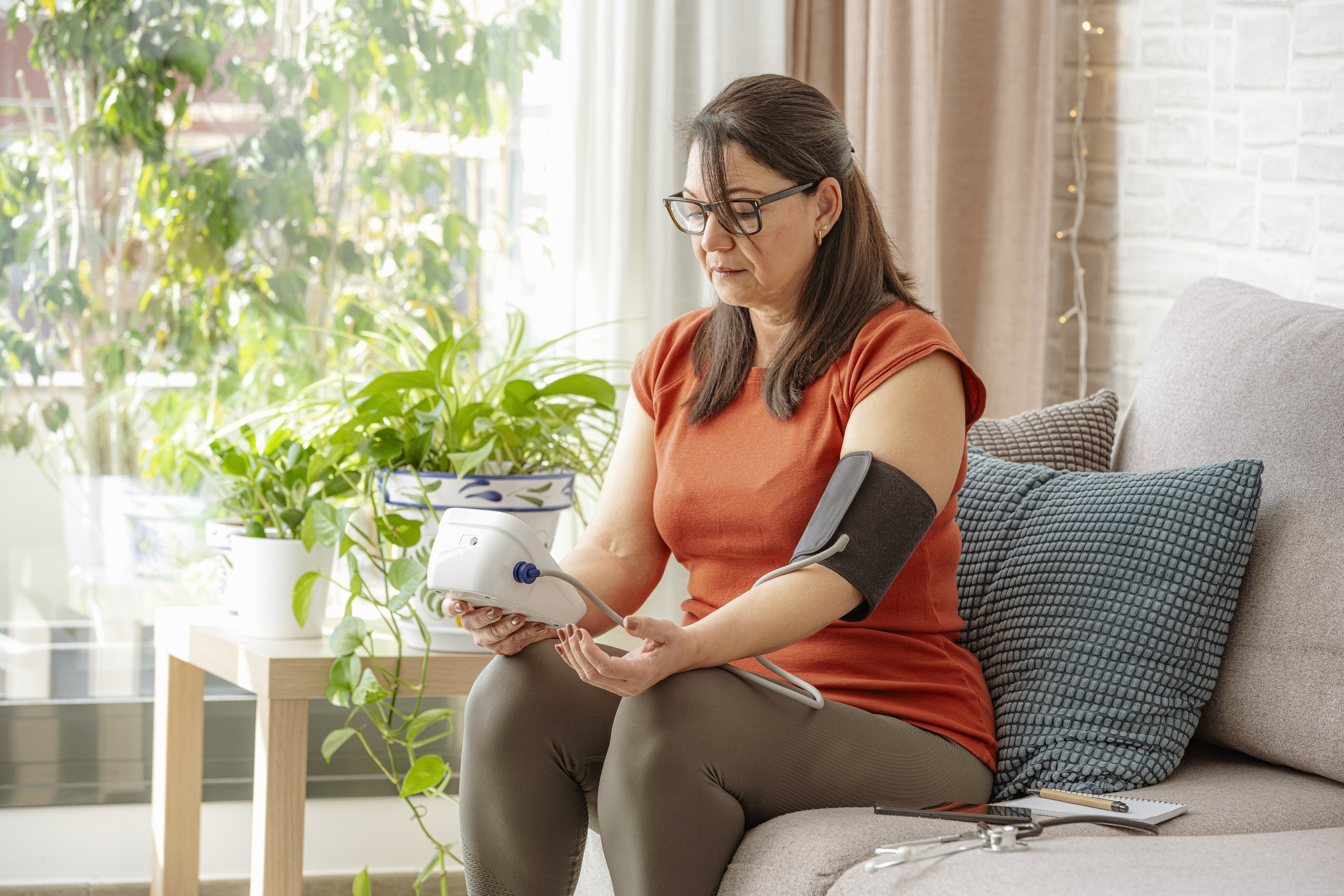
The Importance of Staying Up To Date With COVID Vaccines

The Centers for Disease Control and Prevention (CDC) recommends that individuals aged six months and older should receive the 2024-2025 COVID-19 vaccine.

COVID-19 vaccines effectively protect you from severe illness; however, their efficiency decreases over time. This is why it is important to stay up to date with vaccinations.

Currently, three vaccines are available for use in the United States. They include the:

  • 2024–2025 Moderna COVID-19 Vaccine; recommended for those six months and older
  • 2024–2025 Pfizer-BioNTech COVID-19 Vaccine; recommended for those six months and older
  • 2024–2025 Novavax COVID-19 Vaccine; recommended for those 12 years and older

Everyone eligible for a vaccine should receive one, but it is especially important for the following people to get vaccinated:

  • Those who never received the COVID vaccine
  • Those at risk for severe COVID-19
  • Those 65 years and older
  • Those living in long-term care facilities
  • Those who are trying to get pregnant or might want to become pregnant in the future, are pregnant or are breastfeeding
  • Those who want to lower their risk of developing Long COVID

The CDC states that COVID vaccines are generally safe. They are effective in helping our bodies build immunity against the virus. Sometimes, in the process of building immunity, we may experience side effects or symptoms such as fever or body aches, which are normal signs the body is building immunity.

Although the COVID vaccines are safe, it is highly advised that people who have a severe allergic reaction after vaccination or are allergic to ingredients in the vaccine should not get vaccinated.

For more information on the 2024-2025 COVID vaccine, please visit the CDC website https://www.cdc.gov/covid/vaccines/stay-up-to-date.html.  To schedule an appointment to speak with a doctor or receive vaccination, please call Flushing Hospital Medical Center at 718-670-5486.


All content of this newsletter is intended for general information purposes only and is not intended or implied to be a substitute for professional medical advice, diagnosis or treatment. Please consult a medical professional before adopting any of the suggestions on this page. You must never disregard professional medical advice or delay seeking medical treatment based upon any content of this newsletter. PROMPTLY CONSULT YOUR PHYSICIAN OR CALL 911 IF YOU BELIEVE YOU HAVE A MEDICAL EMERGENCY.
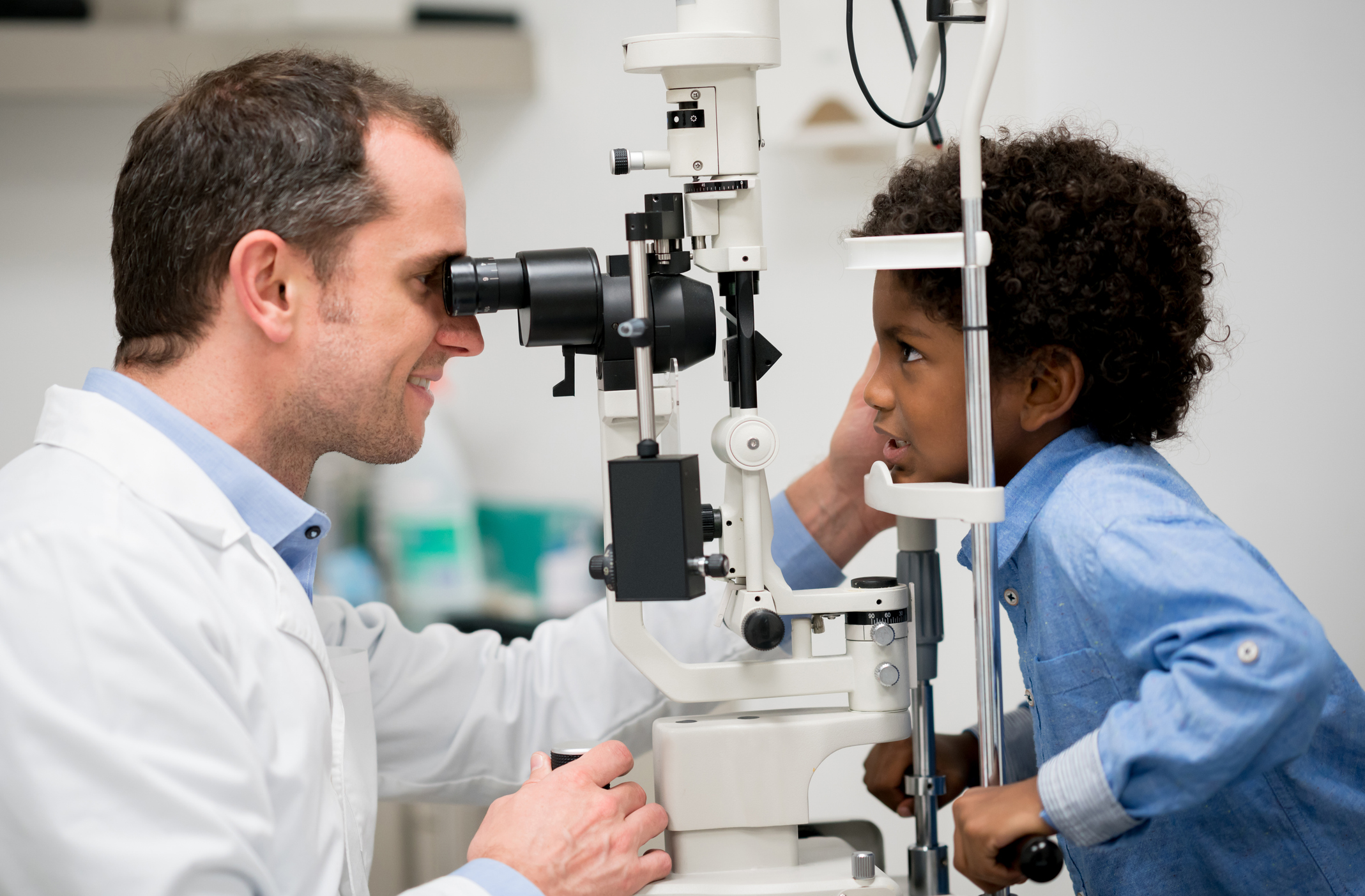
The Importance of Back-To-School Eye Exams

It is important to get children’s vision checked before going back to school because healthy vision is a vital part of their development. It is how they learn, play, and interact with the world around them.

Unfortunately, many eye problems such as nearsightedness and infections in children go undetected, which can lead to long-term issues. There are many things to be aware of that may indicate a problem with your child’s eyes. They include:

  • Their eyes do not line up or appear crossed
  • Their eyelids are red-rimmed, crusted, or swollen
  • Their eyes are watery or inflamed
  • They rub their eyes a lot
  • They close or cover one eye
  • They tilt their head forward
  • They have trouble reading or doing other close-up work
  • They hold objects close to their eyes to see
  • They blink more than usual or seem cranky when doing close-up work
  • Things are blurry or hard to see for them

Regular eye examinations can prevent issues from occurring or stop them from getting worse.

In addition to getting a comprehensive eye exam, there are  several ways to protect your child’s eye health, including:

  • Wearing protective eyewear during sports and other activities
  • Limiting screen time
  • Practicing healthy nutrition

If you would like to schedule an eye exam for your child, you can visit a pediatric ophthalmologist at Jamaica Hospital Medical Center. To schedule an appointment, please call 718-206-5900.


All content of this newsletter is intended for general information purposes only and is not intended or implied to be a substitute for professional medical advice, diagnosis or treatment. Please consult a medical professional before adopting any of the suggestions on this page. You must never disregard professional medical advice or delay seeking medical treatment based upon any content of this newsletter. PROMPTLY CONSULT YOUR PHYSICIAN OR CALL 911 IF YOU BELIEVE YOU HAVE A MEDICAL EMERGENCY.

The MediSys Health Network Launches New Healthcare App

The MediSys Health Network (Comprised of Jamaica Hospital Medical Center and Flushing Hospital Medical Center) is pleased to announce the launch of its new application and comprehensive patient platform, MediSys Connect.

The MediSys Connect app is an ideal companion for patient health. The app is integrated with an intuitive platform that gives patients a smooth and hassle-free experience, allowing them to manage their healthcare conveniently from their mobile devices.

With MediSys Connect, patients can seamlessly search for healthcare providers and schedule their appointments in just a few clicks.  The platform’s Find-A-Doctor feature offers a wide selection of providers, with over 100 specialties to choose from. Patients can also utilize a messaging tool within the app to securely and directly communicate with their physicians.

Other key tools allow patients to:

  • View test results
  • View medication lists
  • Request medication refills
  • Stay informed about past and upcoming appointments
  • eCheck-in for upcoming appointments
  • Enroll for paperless statements
  • View billing account summaries and statements
  • View signed and scanned documents
  • Manage payments
  • Effortlessly retrieve medical records.

In addition to these user-friendly tools, MediSys Connect provides access to newsletters and podcasts. Here, patients can stay informed by reading articles or listening to trusted healthcare experts discuss various medical and lifestyle topics.

The MediSys Health Network encourages patients to download the MediSys Connect app and explore the state-of-the-art features.

Whether you’re a guest user, a Medisys Connect member, or have a MyChart account, the platform is easy to navigate. It is designed to provide a positive and personalized healthcare experience.  Information provided on the platform is available in multiple languages to help members of the network’s culturally diverse patient population manage their health.

New users can download the app from the Apple Store or Google Play. They can sign up by providing their name, birth date, and address. MyChart users can download the app from the Apple Store or Google Play and log in with their existing credentials from MyChart.

All content of this newsletter is intended for general information purposes only and is not intended or implied to be a substitute for professional medical advice, diagnosis or treatment. Please consult a medical professional before adopting any of the suggestions on this page. You must never disregard professional medical advice or delay seeking medical treatment based upon any content of this newsletter. PROMPTLY CONSULT YOUR PHYSICIAN OR CALL 911 IF YOU BELIEVE YOU HAVE A MEDICAL EMERGENCY.
Men’s Health Month

Father’s Day isn’t the only celebration for men in June. Men’s Health Month is also observed. Men’s Health Month is an observance to raise awareness of preventable health problems, encourage early detection and treatment of disease, and improve overall well-being among men.

As part of its celebration of Men’s Health Month, Jamaica Hospital Medical Center is sharing a few men’s health statistics and facts to consider:

  • Men are more than likely to be uninsured and significantly less likely than women to see a doctor or report symptoms to a healthcare provider.
  • Men, on average, die almost five years earlier than women as the overall mortality rate is 41% higher for men than women as men lead the death rate for cancer, stroke, heart disease, and diabetes.
  • Only 60% of men go to the doctor for a yearly, routine check-up, and 40% won’t see a doctor until something is seriously wrong.
  • According to the Centers for Disease Control and Prevention (CDC), 13.2% of men aged 18 and over are in fair or poor health.
  • Men are more likely to put their health at risk by smoking, drinking alcohol, and making other unhealthy life choices.
  • One in two men are diagnosed with cancer in their lifetime.
  • Prostate cancer is the second leading cause of cancer deaths for men in the United States. A man is 2 to 3 times more likely to get prostate cancer if his father, brother, or son had it. Talk to your doctor about having your PSA and DRE levels checked.
  • Erectile dysfunction affects nearly 30 million men of all ages across the United States. If you are having problems, see a urologist to ensure it’s not an early warning sign of something more serious, like heart disease, high blood pressure, or high blood sugar.

Men’s Health Month doesn’t just encourage men to take care of their physical health, but their mental and emotional health as well. Men also lead the death rate for suicide.

Here are a few men’s mental health statistics and facts:

  • 31% of men suffer from depression in their lifetime.
  • 9% of men have daily feelings of depression or anxiety.
  • Only 25% of men talk to a mental health professional.
  • Only 33% take medication for their mental health problems.

Here are some preventative measures that you can take:

  • Choose a primary care provider and go regularly.
  • Get screening tests based on your age and family history.
  • Eat healthy to prevent or manage chronic conditions.
  • Get and stay active.
  • Manage stress and seek a mental health professional if needed.

If you are experiencing any medical problems, you can schedule an appointment with a doctor at Jamaica Hospital Medical Center’s Ambulatory Care Center by calling 718-206-7001. If you are experiencing an emergency, please dial 911 right away.

All content of this newsletter is intended for general information purposes only and is not intended or implied to be a substitute for professional medical advice, diagnosis or treatment. Please consult a medical professional before adopting any of the suggestions on this page. You must never disregard professional medical advice or delay seeking medical treatment based upon any content of this newsletter. PROMPTLY CONSULT YOUR PHYSICIAN OR CALL 911 IF YOU BELIEVE YOU HAVE A MEDICAL EMERGENCY.
Do’s and Don’ts of Treating a Fever

When you develop a fever, it’s usually in reaction to an illness. In most cases, a fever will eventually resolve on its own. However, certain signs may indicate that a fever is occurring due to a more severe underlying problem; in these cases, treatment is necessary. You can take some steps to assess and reduce your fever, but there are also things you should watch out for to ensure that you’re treating your fever appropriately.

Do: take your temperature if you feel sick and are running warm; your fever may be worse than you realize. Fevers can typically be broken down into four levels of severity:

  • If you have a low fever, your body temperature may range between 99.1°F to 100.4°F.
  • A moderate fever ranges between 100.6°F and 102.2°F.
  • A high fever typically ranges between 102.4°F and 105.8°F.
  • Any temperature higher than 105.8°F is considered to be hyperthermia, which can be life-threatening.

Do: stay hydrated; you lose fluids more rapidly while experiencing a fever due to increased sweating and other factors, which can cause you to become dehydrated. Dehydration is dangerous on its own, but it can also increase your body temperature and worsen your fever. Drink plenty of water to maintain healthy fluid levels. Cold water can also help reduce your body temperature.

Do: see a doctor as soon as possible if your fever becomes worse or does not resolve after a few days. This is especially important and may mean seeking emergency medical care if you have developed hyperthermia.

Don’t: try to power through your symptoms and go to work or school despite having a fever. Your illness may be dangerous to not only you, but the people around you; it’s important to isolate yourself at home and rest if you have a fever.

Don’t: underdress or overdress for your fever. If you’re feeling overheated, it may be tempting to lower the temperature of your home, crank up the air conditioning, and shed blankets or layers of clothing. On the other hand, if you’re experiencing chills, you may want to bundle up much more than is necessary or beneficial. Dress in light, breathable clothing, keep the temperature in your home at a comfortable level, and try to avoid extra layers of blankets or clothing.

Don’t: ignore your fever or pass it off as a non-issue if it’s not going away or is getting worse. In this situation, it’s important to see a doctor as soon as possible for diagnosis and treatment.

You can schedule an appointment with a doctor at Jamaica Hospital Medical Center’s Ambulatory Care Center by calling (718) 206-7001.

All content of this newsletter is intended for general information purposes only and is not intended or implied to be a substitute for professional medical advice, diagnosis or treatment. Please consult a medical professional before adopting any of the suggestions on this page. You must never disregard professional medical advice or delay seeking medical treatment based upon any content of this newsletter. PROMPTLY CONSULT YOUR PHYSICIAN OR CALL 911 IF YOU BELIEVE YOU HAVE A MEDICAL EMERGENCY.