
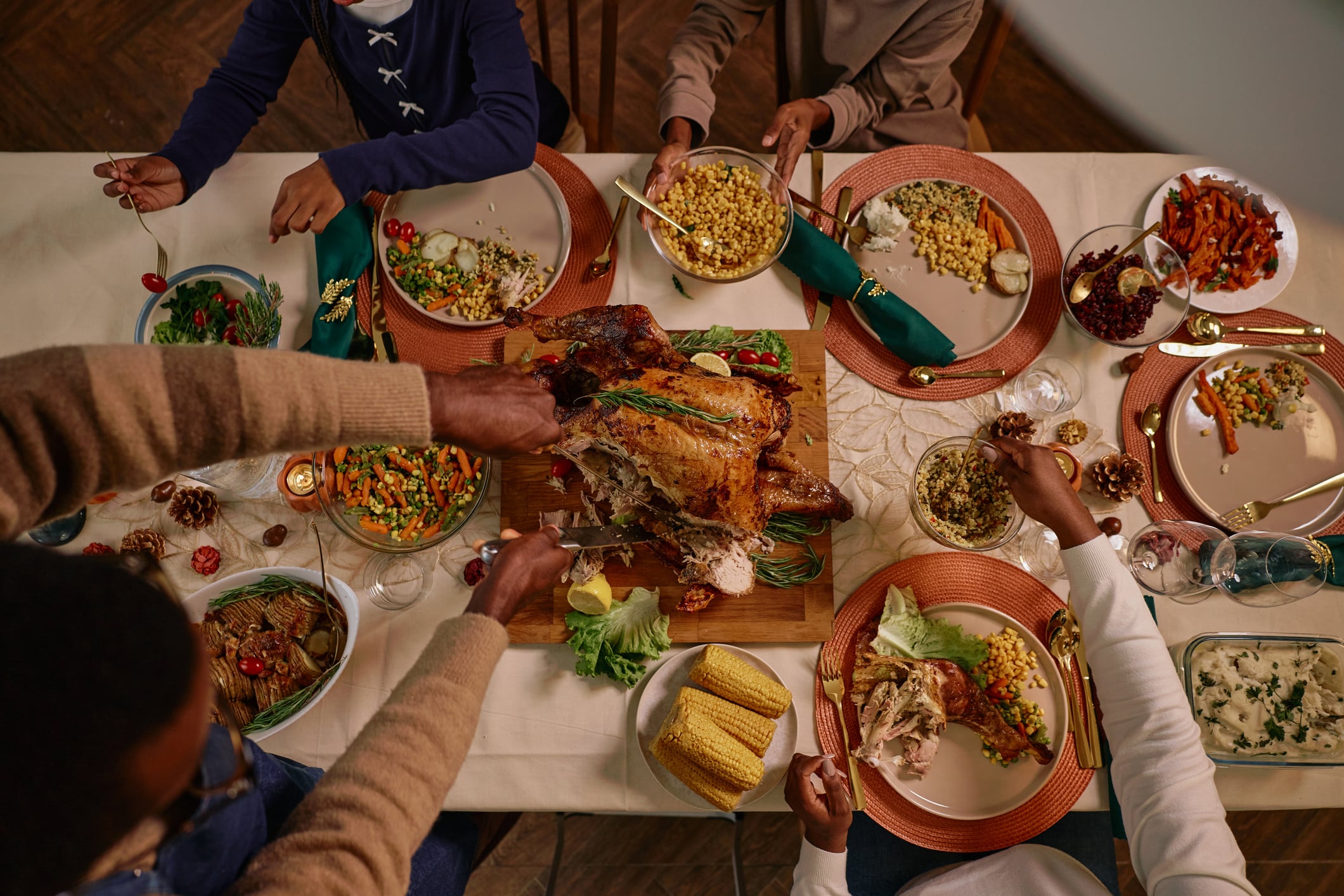
 Tomorrow is Thanksgiving Day, and many are preparing to eat a smorgasbord of delicious food, surrounded by family, friends, and loved ones. While Thanksgiving dinner can be delicious, it can also be difficult for people who are managing gastroesophageal reflux disease (GERD), as certain foods can pose challenges for them.
Thanksgiving week is also GERD Awareness Week, a timely reminder of ways to enjoy the holiday without triggering uncomfortable symptoms.
GERD is a chronic condition where stomach acid frequently flows back into the esophagus. This leads to symptoms, such as:
- Heartburn
- Regurgitation
- Difficulty swallowing
- Chest discomfort
For those with GERD, Thanksgiving favorites can sometimes cause these symptoms to flare up. Recognizing your triggers and finding ways to navigate traditional Thanksgiving meals can help you enjoy the holiday comfortably.
Certain Thanksgiving foods that are common triggers for GERD symptoms include:
- Fried and fatty foods, such as buttery mashed potatoes, creamy casseroles, and fried turkey, can slow digestion and may lead to acid reflux
- Acidic foods and sauces, such as cranberry sauce and acidic salad dressings, can irritate the esophagus and worsen reflux
- Carbonated and caffeinated beverages like soda and coffee may increase stomach pressure and acidic production
- Spicy foods that contain pepper or hot sauce can be problematic for those who are sensitive to spicy food
- Alcoholic beverages, including wine, beer, and cocktails, can relax the lower esophageal sphincter, making it more likely to develop reflux
Here are some tips to help you enjoy your Thanksgiving meal without triggering symptoms:
- Choose smaller portions of richer dishes, and balance them with vegetables or lean proteins to reduce the risk of reflux
- Choose GERD-friendly options, such as vegetables, lean meats, and complex carbohydrates like plain sweet potatoes because they are easier on the digestive system and less likely to cause reflux
- Give your body time to digest before going back for seconds. This can help reduce stomach pressure and the likelihood of acid reflux
- Stay upright after your meal instead of lying down. This helps keep acid from moving back into the esophagus. You can also go for a leisurely walk after eating to help with digestion
- Try to finish your Thanksgiving meal a few hours before going to bed because lying down too soon after eating can exacerbate reflux symptoms
If you are experiencing frequent or worsening GERD symptoms, you can schedule an appointment with a gastroenterologist at Jamaica Hospital Medical Center’s Ambulatory Care Center. Please call (718) 206-7001.
 Follow
All content of this newsletter is intended for general information purposes only and is not intended or implied to be a substitute for professional medical advice, diagnosis or treatment. Please consult a medical professional before adopting any of the suggestions on this page. You must never disregard professional medical advice or delay seeking medical treatment based upon any content of this newsletter. PROMPTLY CONSULT YOUR PHYSICIAN OR CALL 911 IF YOU BELIEVE YOU HAVE A MEDICAL EMERGENCY.