
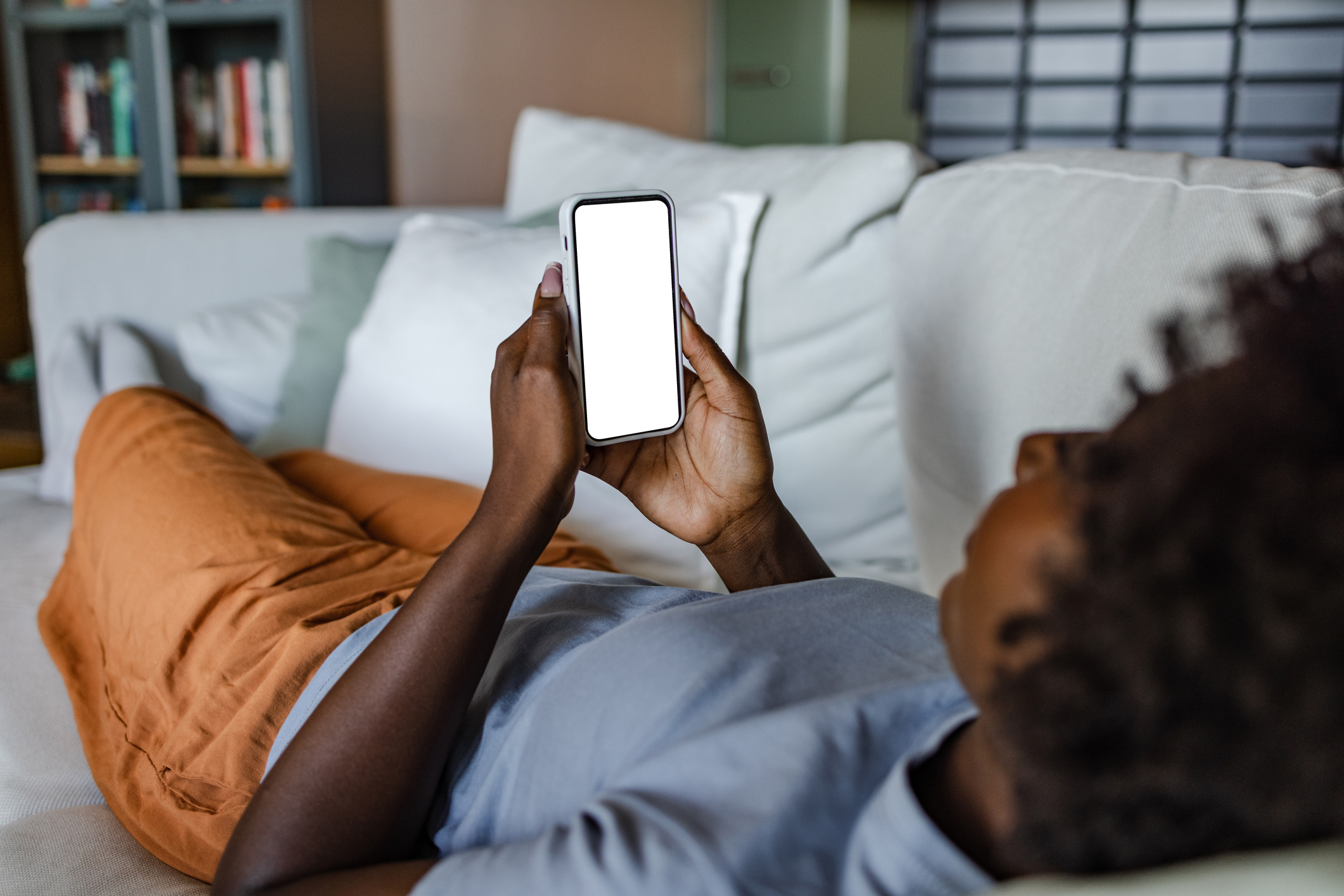
 We all use some type of screen every day in today’s digital age. Whether for professional or personal use, we often use screens more than we should.
The impact of excessive screen time on mental and physical health cannot be overlooked.
Staring at a screen for long periods of time can lead to continuous and intense focus, resulting in mental fatigue and other significant mental health challenges, such as increased feelings of anxiety and depression.
Excessive screen time affects your physical health as it pertains to your weight, cardiovascular fitness, and metabolic health due to time spent being sedentary.
Additionally, staring at screens for too long can cause digital eye strain, which is now one of the most common complaints in optometry offices. Symptoms of digital eye strain include:
- Dry eyes
- Blurred vision
- Headaches
- Difficulty focusing at a distance
Taking regular breaks from screens offers a chance to reset, reduce stress levels, and encourage a healthier mental state. It can also result in better sleep quality, as reducing screen time before bedtime helps the brain unwind and enables more restful sleep.
Here are some ways you can incorporate screen time breaks into your daily routine:
- Follow the 20-20-20 rule, which consists of every 20 minutes, looking at something 20 feet away for 20 seconds. This gives your focusing muscles a brief rest and reduces the cumulative strain
- Engage in physical activity during screen breaks to enhance both mental and physical health
- Schedule specific break times during the day to step away from your device
- Set a screen curfew by using apps or tools that remind you to take breaks or limit screen time
- Create screen-free zones
- Replace your screen with a book, board game, coloring book, a sport, or time outside
Mindfulness can also play a key role in managing screen time effectively. By becoming more aware of screen habits, you can recognize when to step away from your screens and engage in alternative, enriching activities.
 Follow
All content of this newsletter is intended for general information purposes only and is not intended or implied to be a substitute for professional medical advice, diagnosis or treatment. Please consult a medical professional before adopting any of the suggestions on this page. You must never disregard professional medical advice or delay seeking medical treatment based upon any content of this newsletter. PROMPTLY CONSULT YOUR PHYSICIAN OR CALL 911 IF YOU BELIEVE YOU HAVE A MEDICAL EMERGENCY.