
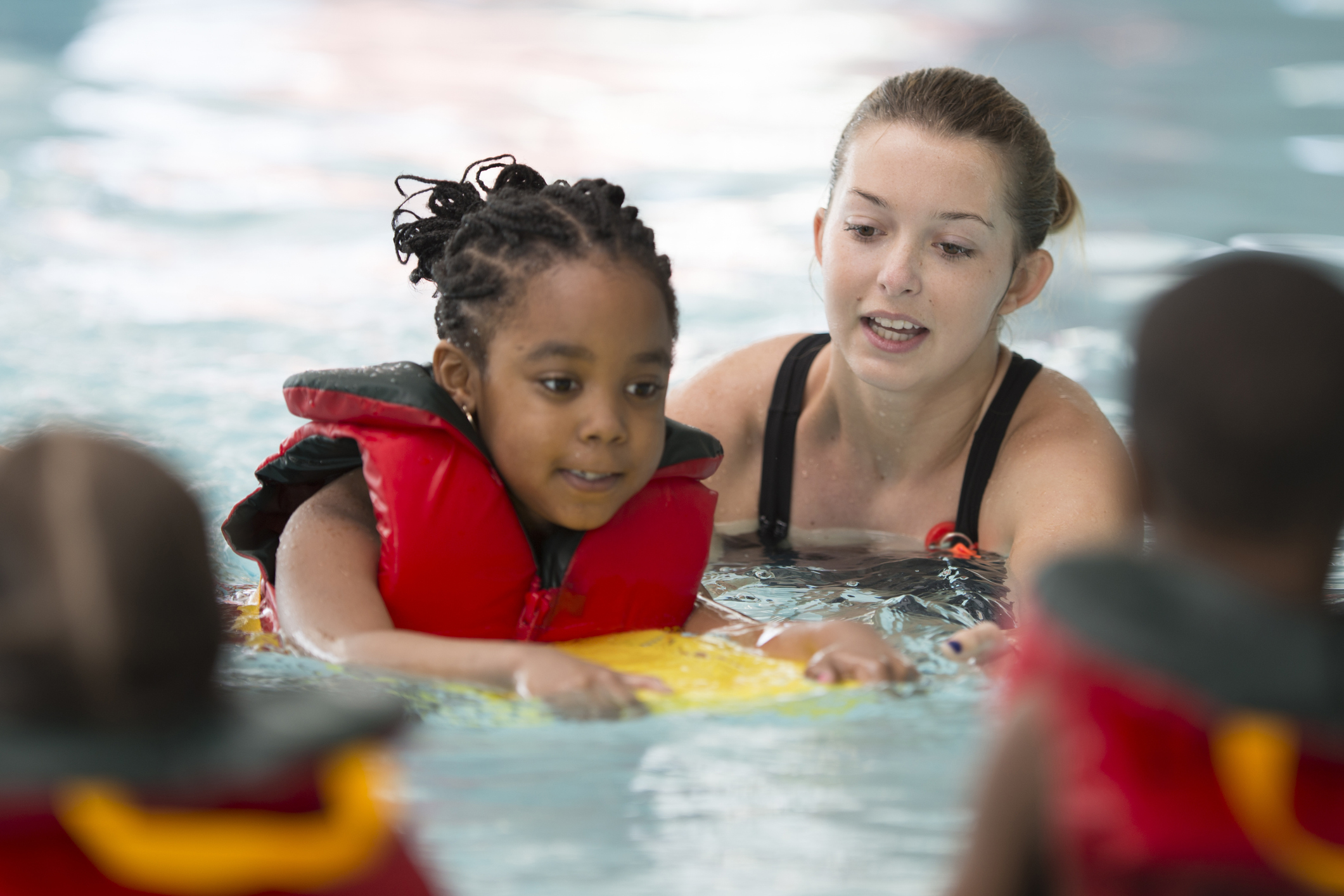
 Summer is here, and that means a lot of time is spent at beaches and pools where we can all cool off from the heat. Here are some important things to know before getting in the water this summer.
When around any body of water, there is always a risk of drowning. Drowning only takes a moment and is often silent. A child or a weak swimmer can drown in the amount of time it takes to send a text, check a fishing line, or apply sunscreen.
Death and injury from drowning happen every day in home pools and hot tubs, at the beach, or in oceans, lakes, rivers, streams, bathtubs, or even buckets.
Here are some facts and statistics on drowning:
- It is the leading cause of death for children ages one to four years old, and the second leading cause of unintentional injury death for children ages five to 14 years old
- More than half of the fatal and non-fatal drownings among people 15 years or older occur in natural waters
- About 40% of drowning deaths among children ages five to 14 occur in natural water, such as oceans, lakes, rivers, and streams
Drowning can also be non-fatal. Non-fatal drowning can result in long-term health problems and costly hospital stays. Drowning injuries can cause brain damage and other serious outcomes, including long-term disability.
There are several steps you can take to prevent death or injury. Water safety is key, so being water-competent is imperative. Here are three components of water competency:
Water Smarts
- Put a fence around your home swimming pool. The fence should be at least four feet high and should fully enclose the pool, and also keep it separate from the house. The fence needs a self-closing and self-latching gate
- All toys that might attract a child need to be removed from the pool when no one is using it
- Know your limitations, such as physical fitness and medical conditions
- Never swim alone. Swim with friends or where lifeguards or water watchers are present
- Always wear a life jacket while boating, regardless of swimming skill. Wear a U.S. Coast Guard-approved life jacket appropriate for your weight, size, and water activity. It is important to know that swim accessories, such as swim belts, floaties, armbands, or water wings, do not prevent you from drowning, and can easily slip off, especially when jumping in the water. Water wings can produce a false sense of safety for adults and children
- Swim sober
- Understand the dangers of hyperventilation and hypoxic blackout
- Know how to call for help
- Understand and adjust for the unique risks of the water environment, such as:
- Ocean rip currents
- River currents
- Underwater hazards, such as vegetation and animals
- Water temperature
- Shallow or unclear water
Swimming Skills
Swimming lessons can reduce the risk of drowning. However, over half of adults in the U.S. have never taken a swimming lesson. Learn how to perform these five skills in every type of water environment that you may encounter:
- Getting in and out of the water safely
- Float or tread water for at least one minute
- Turn over and around in the water
- Swim at least 25 yards
- Exit the water
Helping Others
These actions will help your family or loved ones avoid emergencies, and help you respond if an emergency occurs:
- Paying close attention to children or weak swimmers you are supervising in or near water
- Knowing the signs that someone is drowning
- Knowing ways to safely assist a person who is drowning, such as “reach or throw, don’t go”
- Knowing CPR and first aid
It is important to be well-prepared when in or around pools and bodies of water, and to follow proper safety precautions to reduce the risk of drowning. These swim safety tips can help you enjoy your summer and keep you and your loved ones safe. If you or someone you are with is experiencing an emergency, call 911 immediately.
 Follow
All content of this newsletter is intended for general information purposes only and is not intended or implied to be a substitute for professional medical advice, diagnosis or treatment. Please consult a medical professional before adopting any of the suggestions on this page. You must never disregard professional medical advice or delay seeking medical treatment based upon any content of this newsletter. PROMPTLY CONSULT YOUR PHYSICIAN OR CALL 911 IF YOU BELIEVE YOU HAVE A MEDICAL EMERGENCY.