
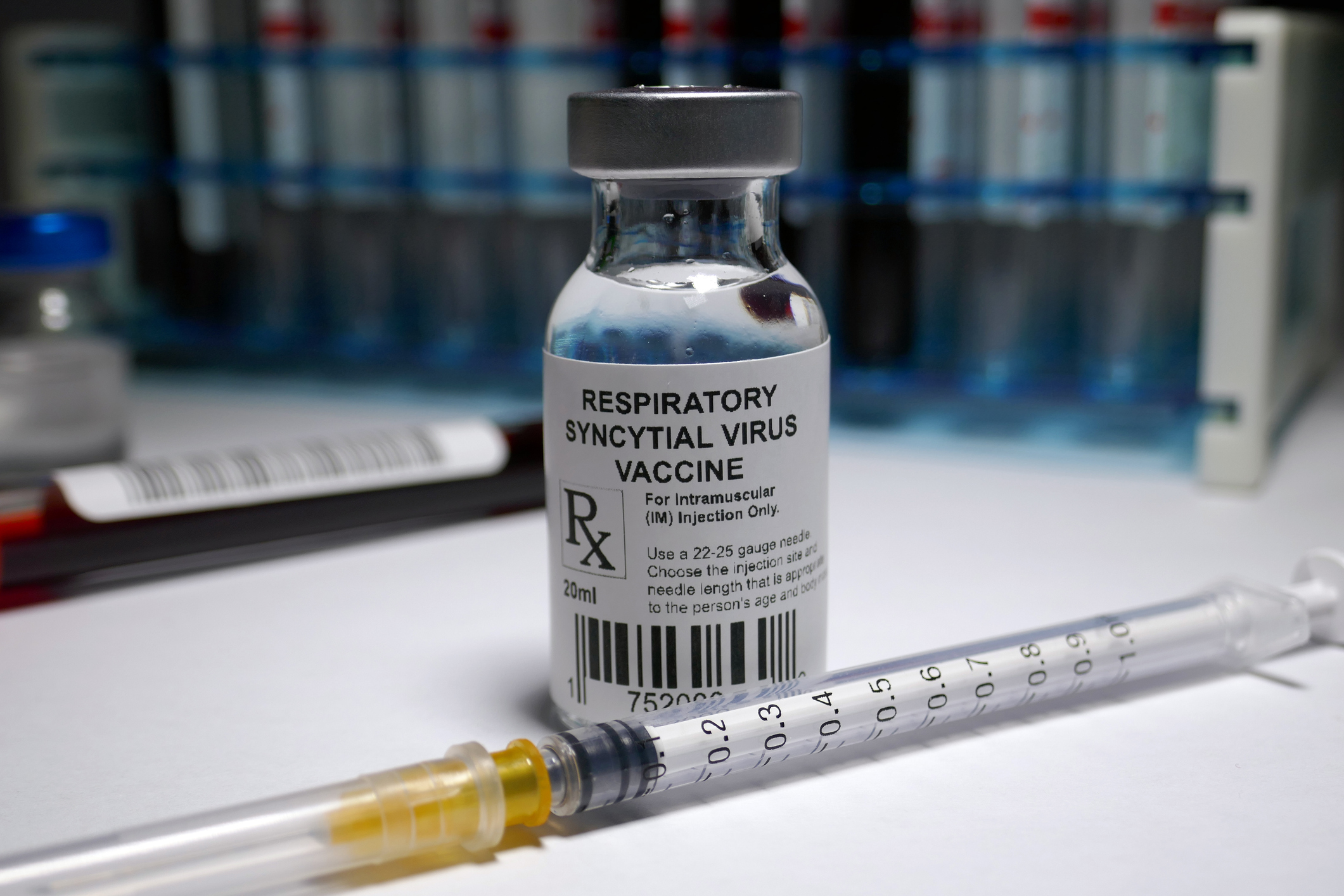
 Respiratory syncytial virus, or RSV, is a common respiratory virus that infects the nose, throat, and lungs. A seasonal virus, RSV, spreads in the fall and winter, often in conjunction with other respiratory viruses, typically peaking in December and January.
Signs and symptoms of RSV most commonly appear about four to six days after exposure to the virus. In adults and older children, RSV usually causes mild cold-like signs and symptoms, including:
- Congested or runny nose
- Dry cough
- Low-grade fever
- Sore throat
- Sneezing
- Headache
- Lack of energy
- Decreased appetite
Distinguishing RSV symptoms from those of the common cold or other respiratory viruses, such as the flu or COVID-19, can be challenging.
RSV can infect anyone. However, severe cases of RSV affect babies who are 12 months and younger, older adults, people with heart and lung disease, or anyone who is immunocompromised. Severe infection can spread to the lower respiratory tract, causing pneumonia or bronchiolitis, presenting symptoms such as:
- Fever
- Severe cough
- Wheezing
- Rapid or difficulty breathing
- Cyanosis, or a bluish color of the skin due to a lack of oxygen
Infants are affected most severely by RSV. Signs and symptoms of severe infection in infants include:
- Short, shallow, and rapid breathing
- Struggling to breathe
- Cough
- Decreased appetite
- Unusual tiredness
- Irritability
RSV is very contagious. You can easily spread the virus while symptomatic, which is usually a period of three to eight days. RSV can enter the body through the eyes, nose, or mouth. It is spread through respiratory droplets when you cough or sneeze and through direct contact, such as shaking hands.
RSV can cause many complications, including:
- Hospitalization
- Middle ear infection
- Asthma
- Repeated infections
To treat RSV, the Centers for Disease Control and Prevention (CDC) recommends a single dose of any FDA-licensed RSV vaccine for all adults 75 and older, and adults 60-74 at increased risk of severe RSV. Adults 60-74 who are at increased risk include those with:
- Chronic heart or lung disease
- A weakened immune system or certain other chronic medical conditions
- Those who are residents of nursing homes
The CDC also recommends a one-time dose of RSV vaccine for pregnant women from week 32 through week 36 of pregnancy, for the prevention of RSV in their infants during the first six months of life. Most infants will not need both maternal vaccination and infant RSV antibodies. The recommended administration of infant RSV antibody is from October through March, with the optimal timing for antibody administration being shortly before the RSV season begins in October-November, or within a baby’s first week of life if born October through March, ideally during the birth hospitalization.
Additionally, the CDC recommends that eligible adults get the RSV vaccine at any time, with the best time being in late summer and early fall before RSV usually starts to spread.
If you or a loved one would like to receive the RSV vaccine, you can schedule an appointment at Jamaica Hospital Medical Center’s Ambulatory Care Center by calling (718) 206-7001.
All content of this newsletter is intended for general information purposes only and is not intended or implied to be a substitute for professional medical advice, diagnosis or treatment. Please consult a medical professional before adopting any of the suggestions on this page. You must never disregard professional medical advice or delay seeking medical treatment based upon any content of this newsletter. PROMPTLY CONSULT YOUR PHYSICIAN OR CALL 911 IF YOU BELIEVE YOU HAVE A MEDICAL EMERGENCY.