
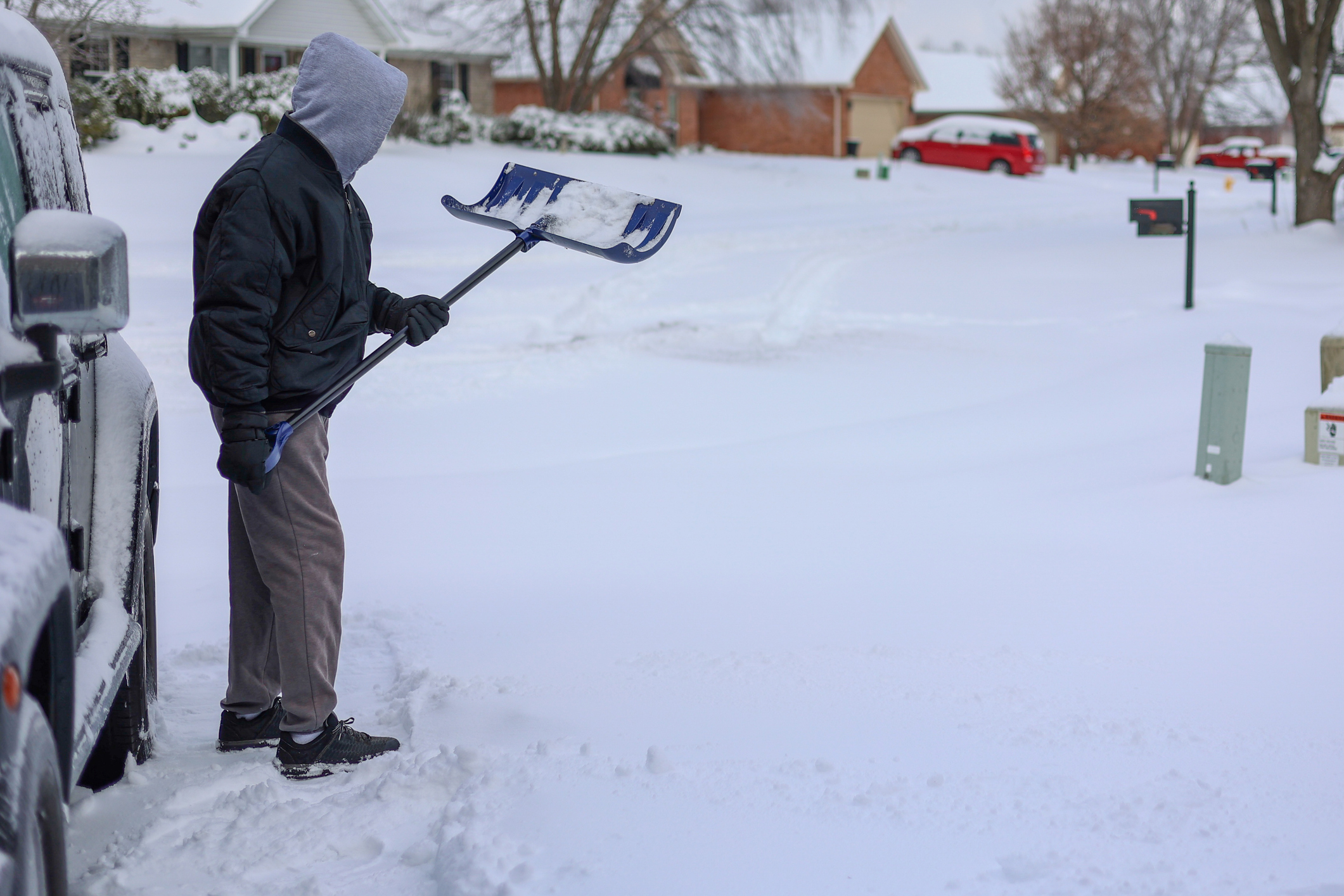
 As we get deeper into this winter season, extreme, record-low cold temperatures have brought snow and frigid winds with them. These conditions can severely affect your heart, especially if you already suffer from or are at risk of cardiovascular disease.
The cold temperatures affect the heart by causing blood vessels to constrict, which is the body’s natural reaction to send blood deeper into the body. This doesn’t cause problems for those with healthy arteries. However, if someone has arteries that were narrowed by fatty plaque, cold-related blood vessel constriction can leave them more vulnerable to chest pain or a heart attack. This is especially true when engaging in a strenuous outdoor activity such as walking quickly in a strong wind or shoveling snow, which can commonly trigger a heart attack.
Strenuous outdoor activity in cold weather isn’t the only thing that can put the heart at risk. Cold temperatures also increase the risk of suffering from hypothermia. Hypothermia means the body’s temperature has fallen below 95 degrees Fahrenheit or 35 degrees Celsius, and the body can’t produce enough energy to keep its temperature warm enough. Cold-related blood vessel constriction keeps vital organs warm and helps reduce heat loss. If a person has narrowed blood vessels, the heart must work harder to pump blood through the body, which then raises blood pressure and puts stress on the heart. Hypothermia has several symptoms, including:
- Lack of coordination
- Slowed reaction time
- Mental confusion
- Shivering
- Sleepiness
Hypothermia can be life-threatening, so it is extremely important to take proper precautions to stay warm by dressing in layers, keeping your head and ears covered, and keeping your hands and feet warm.
If you are going to engage in any strenuous outdoor activities, here are some tips to keep you safe:
- Take frequent breaks
- Learn the warning signs of a heart attack and listen to your body
- Learn CPR
- Be aware of the dangers of hypothermia
- Don’t drink alcohol before or immediately after a strenuous activity
- Consult with your healthcare provider
If you have, or are at risk of developing, or are experiencing symptoms of a heart condition, you should consult a cardiologist to explore the most effective precautions you can take to protect your heart health during the winter season. You can schedule an appointment at Jamaica Hospital Medical Center’s Cardiology Department by calling (718) 206-7100. If you are experiencing an emergency, please dial 911 right away.
All content of this newsletter is intended for general information purposes only and is not intended or implied to be a substitute for professional medical advice, diagnosis or treatment. Please consult a medical professional before adopting any of the suggestions on this page. You must never disregard professional medical advice or delay seeking medical treatment based upon any content of this newsletter. PROMPTLY CONSULT YOUR PHYSICIAN OR CALL 911 IF YOU BELIEVE YOU HAVE A MEDICAL EMERGENCY.