
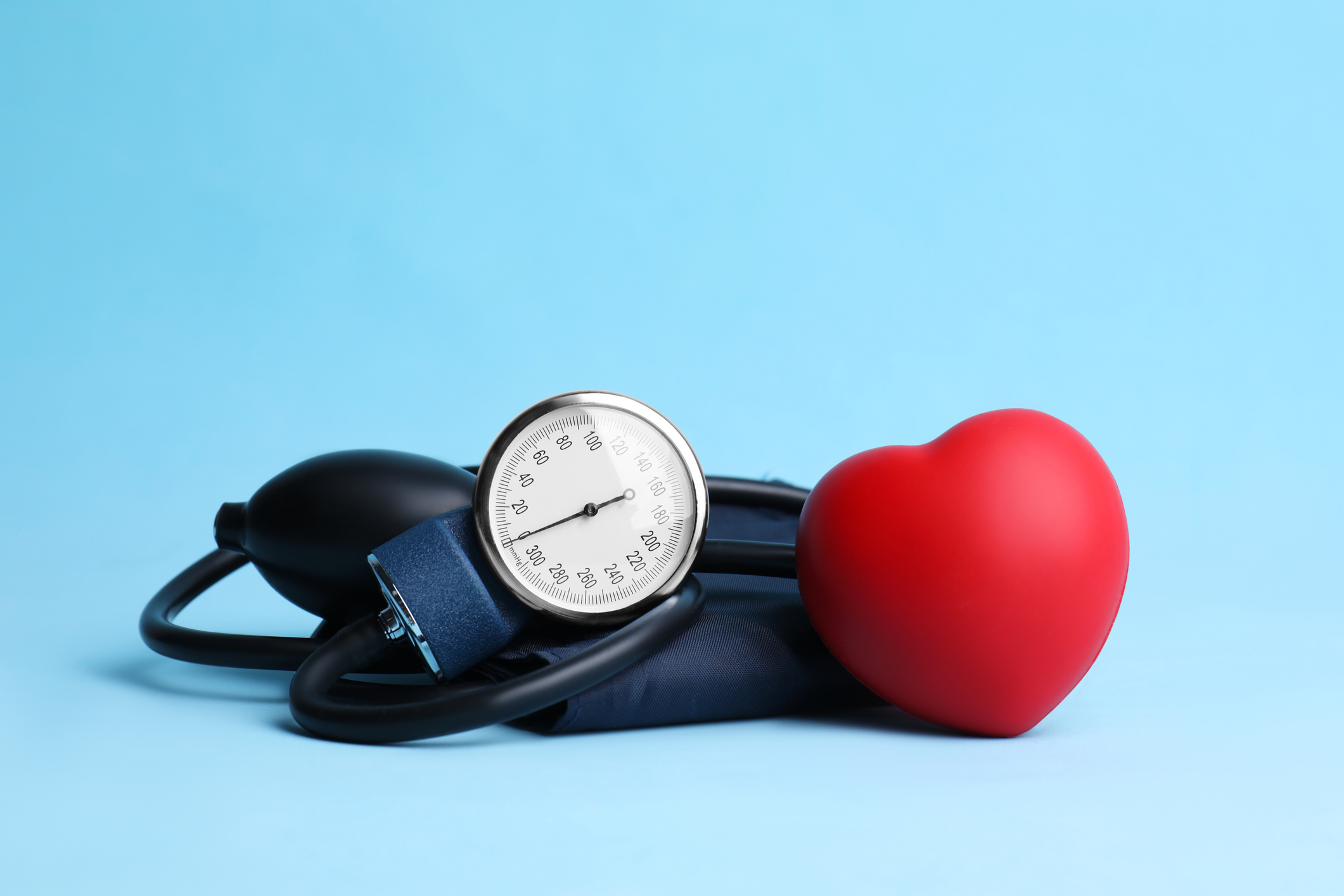
 The American Heart Association defines hypertension, or high blood pressure, as a condition that occurs when the force of your blood pushing against the walls of your blood vessels is too high.
Hypertension causes the heart to work harder, which can lead to serious cardiovascular problems, including heart failure, stroke, and heart disease. When the heart works harder, it also greatly increases the risk of a heart attack.
Managing high blood pressure and keeping it under control can significantly reduce the risk of these issues. You can reduce heart risks caused by high blood pressure by:
- Monitoring your blood pressure at home
- Eating a heart-healthy diet
- Lowering sodium intake
- Maintaining a healthy weight
- Taking blood pressure medications as prescribed
Understanding the risk factors of high blood pressure is also crucial, as this can help you manage your heart health. The risk factors are:
- Family history (Having a parent or close blood relative with high blood pressure increases the likelihood that you develop hypertension)
- Age (As you get older, your risk for developing high blood pressure increases)
- Sex (According to the American Heart Association Until age 64, men are more likely than women to get high blood pressure. At 65 and older, women are more likely to get high blood pressure)
- Race (African Americans have a higher risk of developing high blood pressure compared to other races)
- Obesity (Too much weight puts strain on your heart and circulatory system)
- Tobacco use (Using tobacco can damage the heart and arteries, leading to elevated blood pressure levels)
- Drinking too much alcohol (Drinking excessive amounts of alcohol regularly can raise blood pressure. Heavy drinking can weaken and damage blood vessels, potentially leading to hypertension)
- Lack of physical activity (Regular exercise strengthens the heart; when you are inactive, the heart must work harder to circulate blood, and harder pumping leads to high blood pressure)
- Eating an unhealthy diet (Eating a diet that is high in sodium, trans fats, saturated fats, and sugar increases your risk)
One of the dangers of living with high blood pressure is that many people are unaware that they have it. This is why hypertension is called “The Silent Killer.” Living with untreated high blood pressure can cause significant damage to the cardiovascular system over time.
Early detection and treatment of high blood pressure can delay or prevent complications that affect cardiovascular health. Treatment may involve medications and lifestyle modifications.
Jamaica Hospital Medical Center’s cardiology department features a specialized Hypertension Center that offers high-quality, patient-centered care for hypertension and incorporates the latest treatment advances. This center was established specifically to assist patients who do not respond effectively to traditional hypertension medications.
The American Heart Association has recognized our Hypertension Practice Center for meeting or exceeding its standards for hypertension treatment. To schedule an appointment with our Cardiology Department, please call 718) 206-7100
 Follow
All content of this newsletter is intended for general information purposes only and is not intended or implied to be a substitute for professional medical advice, diagnosis or treatment. Please consult a medical professional before adopting any of the suggestions on this page. You must never disregard professional medical advice or delay seeking medical treatment based upon any content of this newsletter. PROMPTLY CONSULT YOUR PHYSICIAN OR CALL 911 IF YOU BELIEVE YOU HAVE A MEDICAL EMERGENCY.