
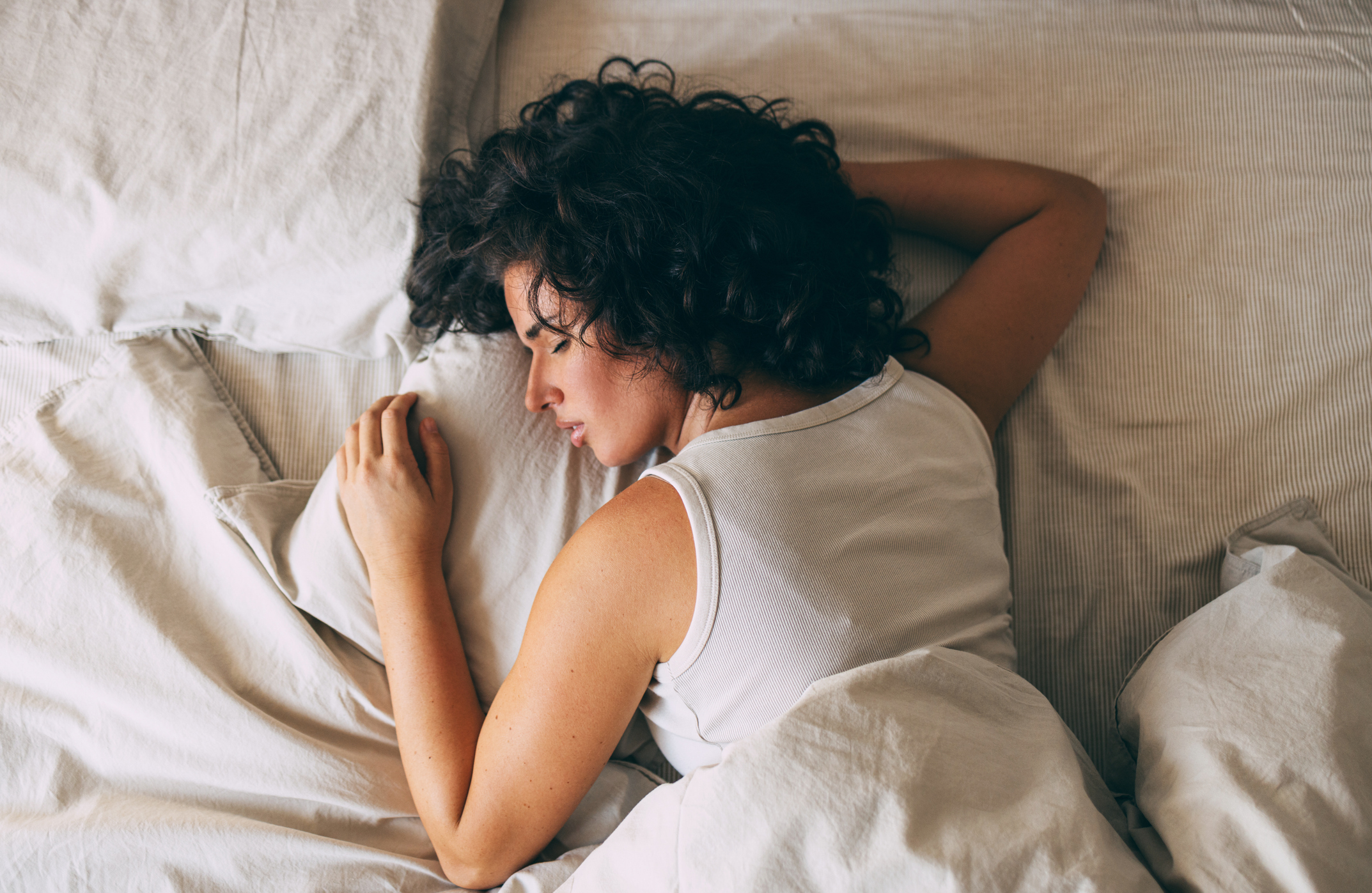
 Daylight Saving Time recently ended on November 1st, 2026. Clocks were set back by one hour, which means you gained an extra hour of sleep, and it will get darker earlier in the evening.
Although you’ve gained some extra sleep time, your internal body clock, or circadian rhythm, may still need time to adjust. During this period of adjustment, you may:
- Wake up earlier than you intend, due to earlier sunrises/ morning light
- Feel sleepy earlier in the evening
- Experience mood swings, or changes in energy and concentration
It usually takes our bodies a few days or about a week to adjust. Here are a few tips you can follow to help you transition and reset your body:
- Keep a consistent sleep schedule: Go to bed and wake up at the same time each day
- Maintain seven or more hours of sleep
- Limit caffeine and alcohol intake close to bedtime
- Turn off screens one hour before bedtime
- Get more morning sunlight, which helps reset your body’s internal clock
- Exercise during the day
- Avoid long naps, lasting more than 20- 30 minutes
If you are still having difficulty adjusting, evaluate your sleep habits to see if they are affecting your sleep, be mindful of stress or anxiety that may be hindering a restful night’s sleep, and try stress-relieving or coping techniques. Talk with a healthcare provider if you experience sleep problems that last more than 2-3 weeks after the time change.
To schedule an appointment with a sleep specialist at Jamaica Hospital Medical Center, please call 718-206-5916.
 Follow
All content of this newsletter is intended for general information purposes only and is not intended or implied to be a substitute for professional medical advice, diagnosis or treatment. Please consult a medical professional before adopting any of the suggestions on this page. You must never disregard professional medical advice or delay seeking medical treatment based upon any content of this newsletter. PROMPTLY CONSULT YOUR PHYSICIAN OR CALL 911 IF YOU BELIEVE YOU HAVE A MEDICAL EMERGENCY.