
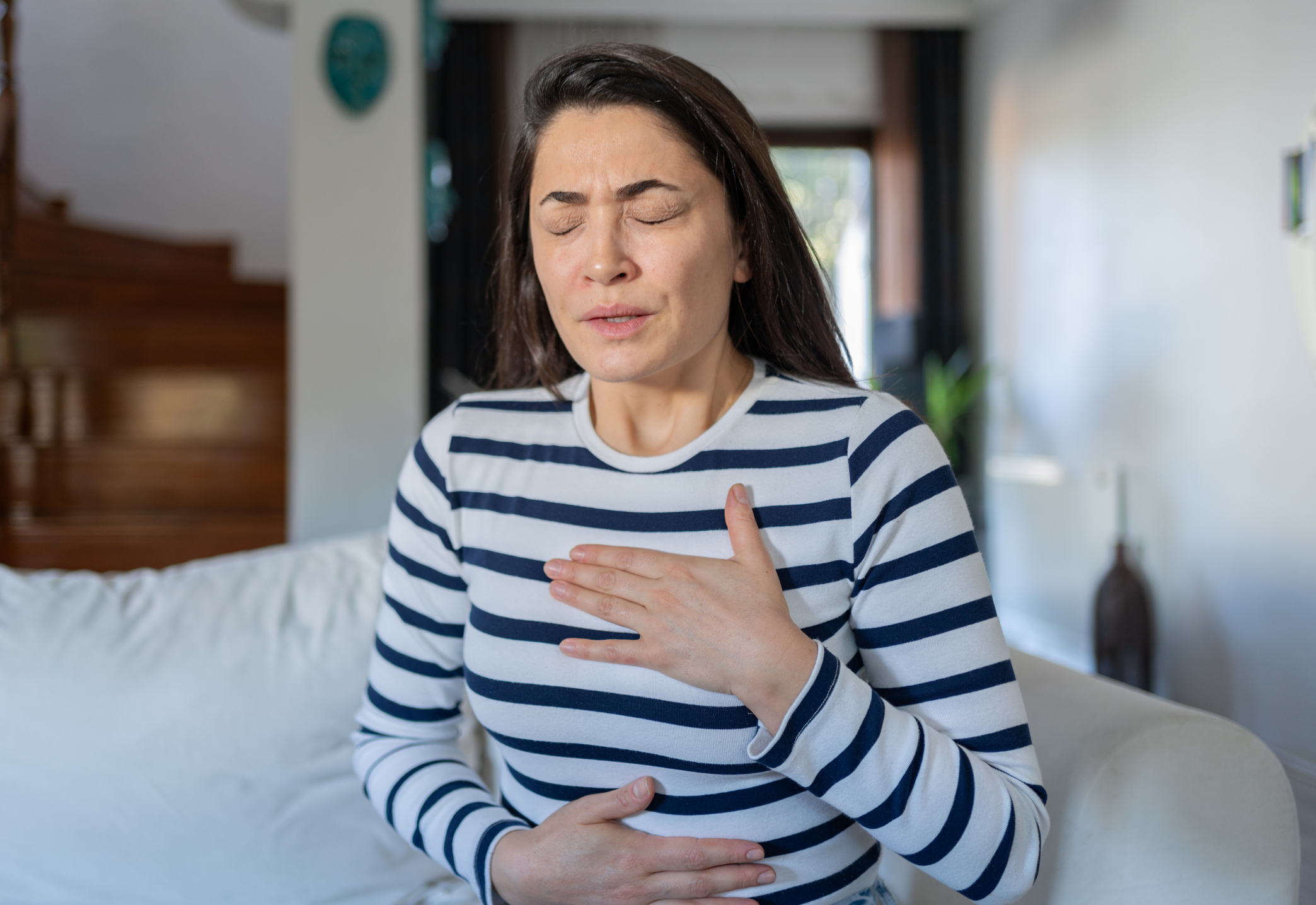
 Hypertensive heart disease are conditions that develop when chronic high blood pressure, one that is higher than 120/80 mmHg, is left untreated for a long time.
Hypertensive heart disease is a leading cause of illness and death related to high blood pressure. When high blood pressure is not properly managed over time, it puts extra strain on the heart. This can lead to various issues, including damage to the heart, coronary heart disease, and thickening or enlargement of the heart muscles, along with other serious health conditions.
Symptoms of hypertensive heart disease can vary based on the type of heart condition a person has, or the progression of disease; they may include:
- Shortness of breath
- Chest pain
- Pain in the shoulders, neck, or back
- Stroke
- Sudden cardiac death
- Fainting
- Dizziness
- Fatigue
- Swelling of the ankles or legs
- A persistent cough
Complications that can result from hypertensive heart disease are:
- Heart failure
- Stroke
- Sudden cardiac death
- Arrhythmia
Some people are more likely to develop hypertensive heart disease than others. You have an increased risk if you:
- Smoke or use tobacco products
- Drink alcohol heavily
- Do not exercise regularly
- Are taking certain medications
- Eat a high-sodium diet
- You have a close family member with a history of high blood pressure
- Have certain health conditions such as diabetes
- Are over the age of 45
- Have high cholesterol
- Are overweight
Hypertensive heart disease takes years to develop. You can reduce the risk of complications by visiting your doctor regularly. If you are experiencing symptoms associated with hypertensive heart disease, your doctor may order tests such as blood tests, urine tests, an electrocardiogram (EKG), or imaging tests to diagnose the disease.
Treatment for hypertensive heart disease may include medications to control high blood pressure or help your heart in other ways, recommending lifestyle changes, or surgery.
Jamaica Hospital Medical Center is proud to offer a patient-centered environment that consistently provides quality cardiology care. Please call our cardiology department at (718) 206-7100 to make an appointment or learn more about our services.
 Follow
All content of this newsletter is intended for general information purposes only and is not intended or implied to be a substitute for professional medical advice, diagnosis or treatment. Please consult a medical professional before adopting any of the suggestions on this page. You must never disregard professional medical advice or delay seeking medical treatment based upon any content of this newsletter. PROMPTLY CONSULT YOUR PHYSICIAN OR CALL 911 IF YOU BELIEVE YOU HAVE A MEDICAL EMERGENCY.